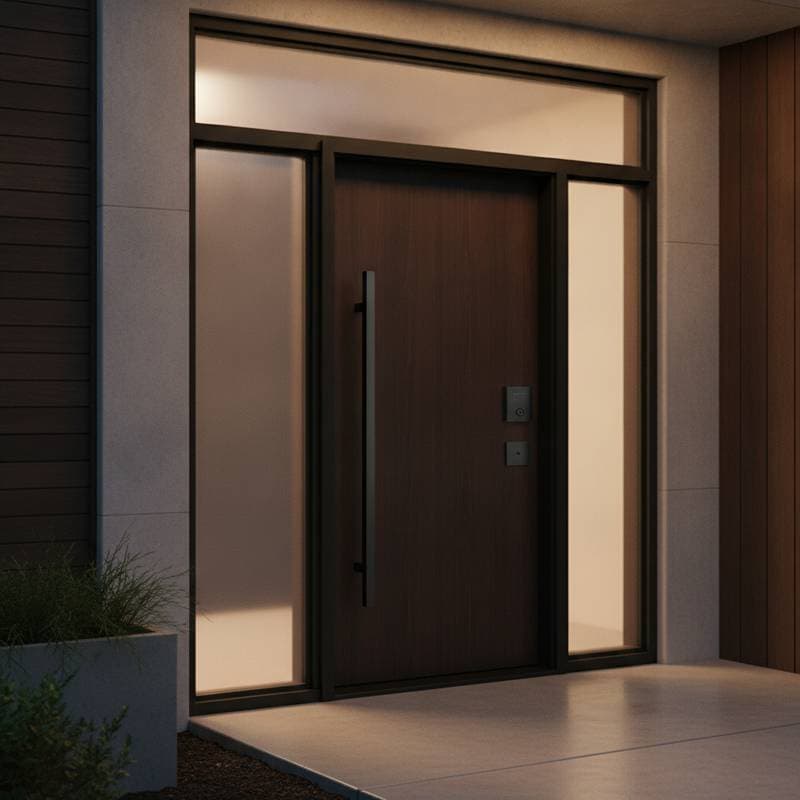
Why Bronze Hardware Elevates Japandi Door Design
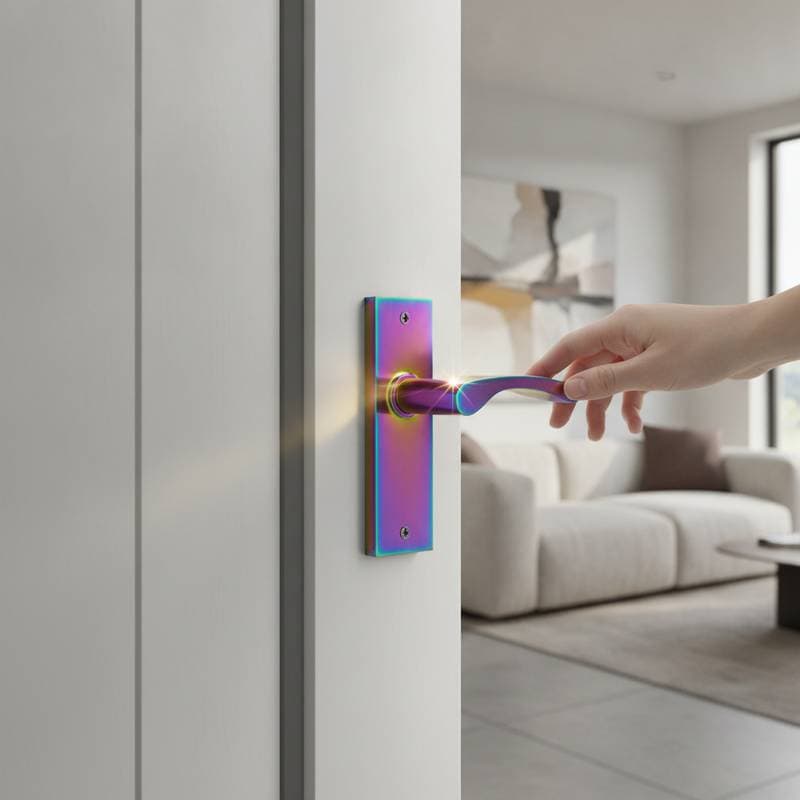
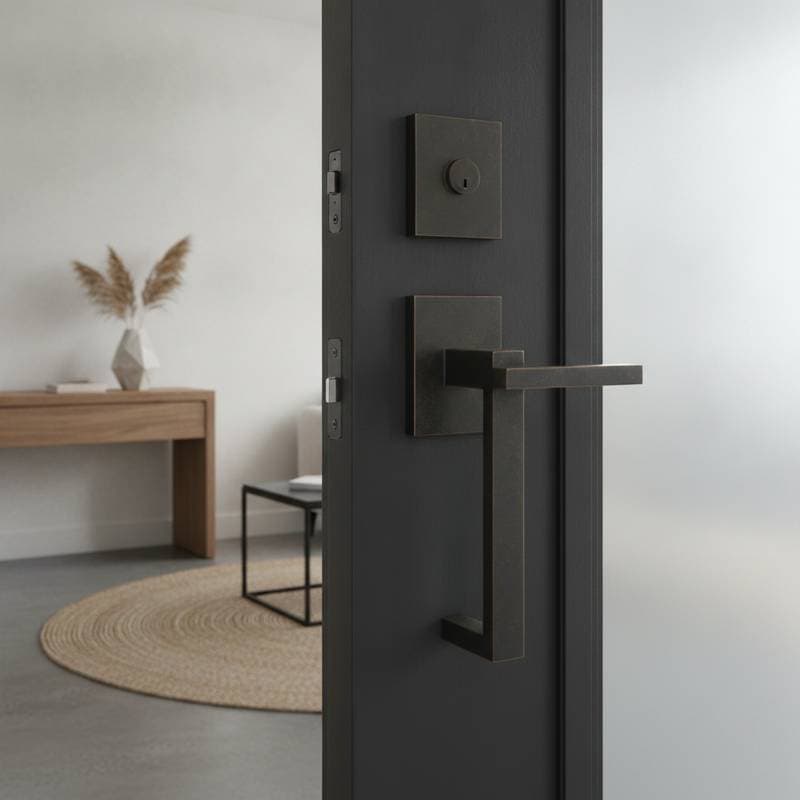
Japandi design merges the serene minimalism of Japanese aesthetics with the functional warmth of Scandinavian style. In this approach, hardware selections play a crucial role in shaping the overall ambiance and usability of a space. Bronze emerges as a standout choice for door handles and fixtures, offering a subtle luster, natural earthiness, and lasting resilience that align seamlessly with Japandi principles of equilibrium, tactile quality, and enduring presence.
Core Elements of Warm Minimalism
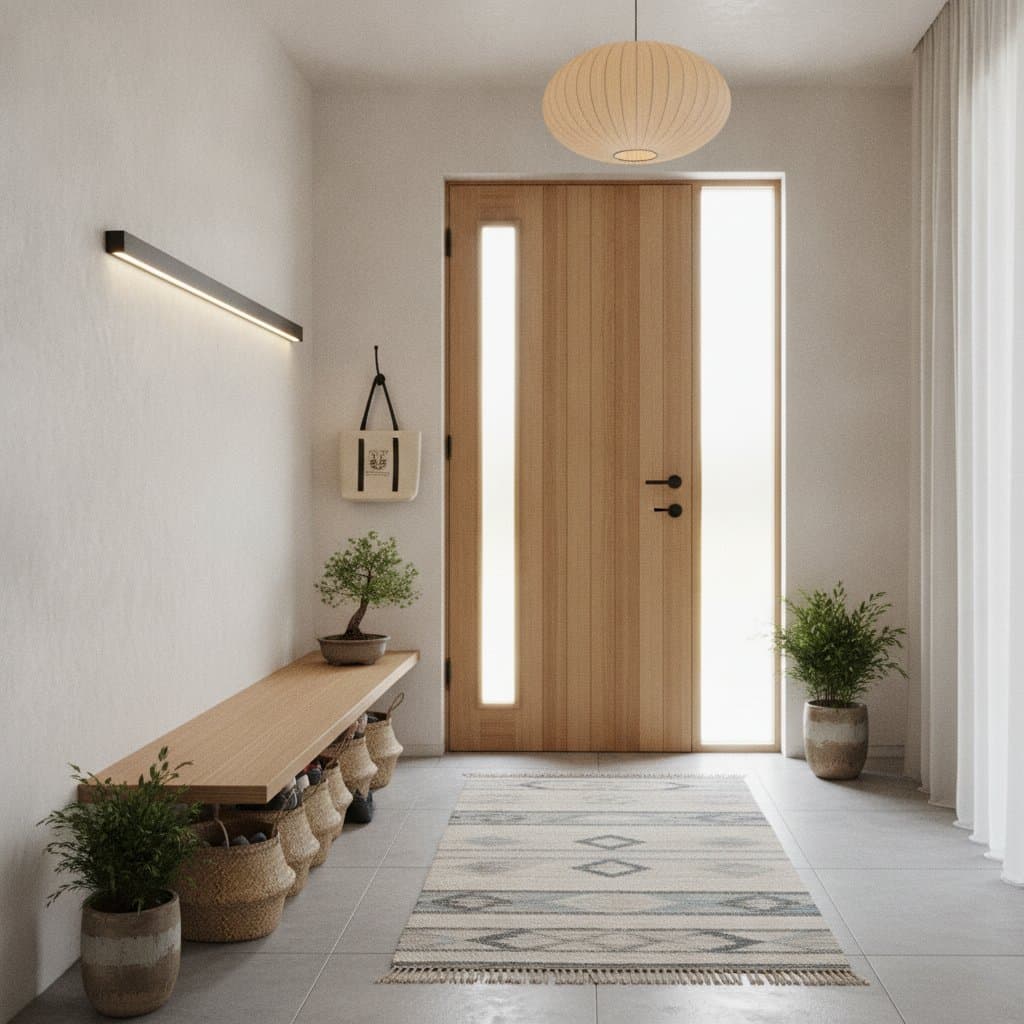
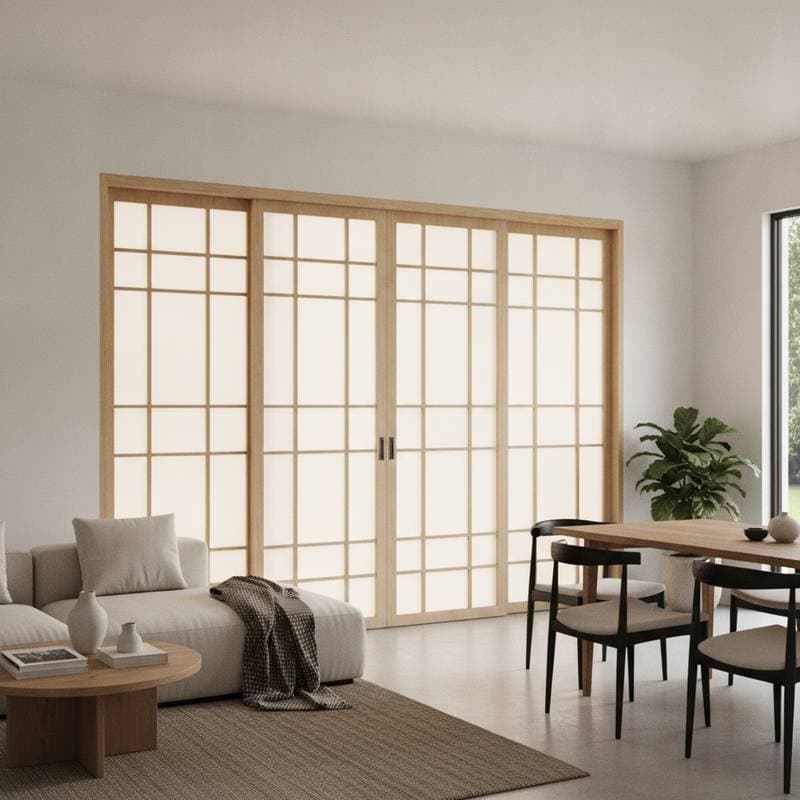
Japandi spaces emphasize uncluttered forms, organic materials, and subdued colors to foster tranquility. Bronze hardware integrates effortlessly into this framework by providing gentle warmth and dimension without dominating the environment. In contrast to the stark reflections of chrome or stainless steel, bronze delivers a softer visual presence that harmonizes with wooden surfaces and stone elements common in such settings.
This material echoes the precision of Japanese artisanship and the practicality of Nordic design. Its restrained surface enhances the airy quality desired in modern homes while introducing nuanced differentiation against pale oak or ash doors. Such equilibrium underscores bronze's prominence in contemporary Japandi door applications.
Pricing Overview for Homeowners
Bronze door hardware pricing depends on factors such as intricacy of the design, surface treatment, and material integrity. For a full set of solid bronze interior levers, including necessary fittings, expect to invest between $80 and $350. Entryway or bespoke options may climb to $500 or higher, reflecting robust builds and tailored coatings.
| Hardware Type | Cost Range (Installed) | Key Features |
|---|---|---|
| Standard Interior Lever | $80 to $200 | Sleek form, earthy finish, ergonomic hold |
| Premium Solid Bronze Handle | $200 to $350 | Artisanal construction, exceptional strength, evolving patina |
| Custom Entry Set | $350 to $600 | Reinforced structure, protective layering |
| Bronze Pull Bar | $100 to $250 | Ideal for gliding or barn configurations |
These figures encompass materials and expert fitting. Self-installation might reduce expenses by $50 to $100 per door, provided alignment remains precise to prevent future issues like looseness or noise.
Advantages of Bronze Compared to Alternatives
When evaluating metal options, consider aesthetics, resilience, and upkeep. Bronze distinguishes itself through its organic patina formation, which matures elegantly and conceals minor marks better than brighter surfaces. This trait suits frequently used elements like door grips, where routine polishing might otherwise erode shine.
| Finish Type | Average Cost | Appearance | Maintenance Level | Durability |
|---|---|---|---|---|
| Bronze | $80 to $350 | Warm, subdued sheen | Low | Very High |
| Stainless Steel | $60 to $250 | Crisp, mirroring | Medium | High |
| Black Matte | $70 to $300 | Bold, contemporary | Medium | Moderate |
| Brass | $90 to $400 | Vibrant, gilded | High | High |
Bronze performs consistently under varied illumination. In dim areas, it imparts cozy glow without harshness; in sun-filled rooms, it retains a stable, anchoring hue. This versatility positions it as a prudent selection for designs prioritizing perpetual relevance.
Professional Perspectives on Form and Utility
Interior designer Lena Park of Eastwood Design Studio observes, “Bronze hardware captures the Japandi balance of form and function. It feels handcrafted yet modern, which perfectly fits the layered simplicity that defines the style.” Builders highlight its superior resistance to everyday abrasion over painted alternatives, rendering it suitable for active family environments.
Variables Affecting Overall Expenses
Hardware costs serve as a starting point, yet multiple elements can adjust the final outlay.
- Material Quality: Full bronze exceeds plated versions in endurance and corrosion resistance, justifying the premium.
- Door Configuration: Sliding or pivoting models demand specialized pulls or embeds, incurring additional fees.
- Surface Processing: Antiqued or weathered effects require extra steps, potentially increasing costs by 20 percent.
- Installation Fees: Skilled labor runs $50 to $150 per door, scaled to intricacy and regional standards.
- Bulk Savings: Procuring sets for multiple doors can lower individual prices by 10 to 15 percent via supplier bundles.
Awareness of these aspects enables informed budgeting that supports aesthetic aspirations and operational reliability.
Enhancing Texture and Harmony in Japandi Spaces
Tactile variety enriches Japandi environments, and bronze adds a vital layer to this sensory palette. Its velvety metallic texture offsets the subtlety of wood grains and fabric weaves, inviting interaction without ostentation.
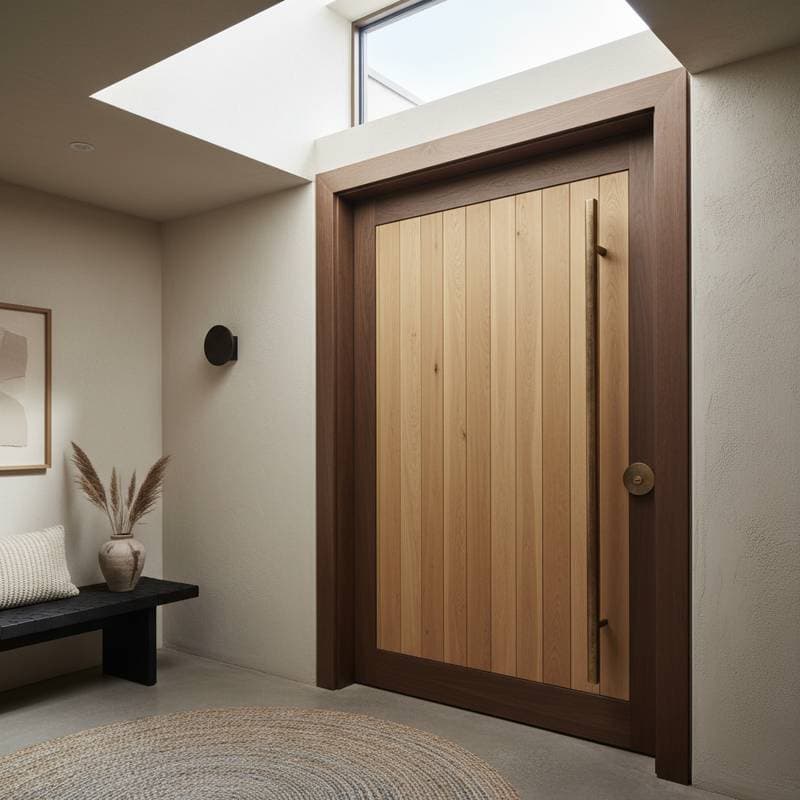
Paired with pale or limed timber doors, bronze accents introduce subtle relief and contour. Against deeper shades like walnut or ebonized oak, it provides elegant emphasis that celebrates the door's workmanship. Bronze's tonal flexibility ensures it bridges light and dark schemes, promoting unified aesthetics across living areas.
Guidelines for Effective Installation
Fitting bronze door hardware demands accuracy to preserve the style's refined minimalism. Off-center placement or irregular gaps can undermine the intended poise. Experts advise measuring door thickness and latch depth prior to ordering for optimal fit.
For solid timber doors, drilling guide holes averts cracks and secures attachments. When retrofitting, inspect hinges for stability to sustain fluid motion. Account for the component's heft on vintage doors, which might require minor reinforcements.
Upkeep Strategies for Lasting Performance
Bronze demands little care relative to lustrous counterparts. It gradually acquires a patina that enhances its character over years. Those seeking retained brightness can buff it periodically with a gentle fabric and neutral solution, preserving the surface integrity.
Apply lubricant sparingly to pivots and catches annually to ensure silent, effortless use. This routine extends the hardware's service life and maintains the door system's efficiency.
Environmental Benefits and Sourcing Practices
Japandi enthusiasts often prioritize eco-conscious choices. Bronze aligns with these values as a fully recyclable alloy, frequently derived from recycled sources. Progressive producers employ efficient molding techniques to minimize environmental impact, offering verified sustainable lines.
Coordinating with Complementary Features
Bronze door elements integrate fluidly with Japandi staples such as woven fibers, soft fabrics, and raw minerals. For unity, extend the finish to drawer fronts, pendant lights, and table bases.
Subtle diversification might incorporate bronze alongside matte black or satin nickel for dimensional interest. Focus on shared warmth in the color scheme to avoid jarring industrial notes.
Achieving Seamless Japandi Integration
Transitioning to bronze hardware represents an accessible upgrade that infuses spaces with intentional warmth and tactile depth. It embodies Japandi's ethos of mindful equilibrium, where utility enhances serenity.
Engage skilled professionals for flawless execution and reliability. Opt for genuine bronze to secure decades of steadfast performance. Through deliberate selection, create homes where each interaction reinforces comfort and cohesive beauty.