Japandi Shoji Doors Transform Light and Space in 2026
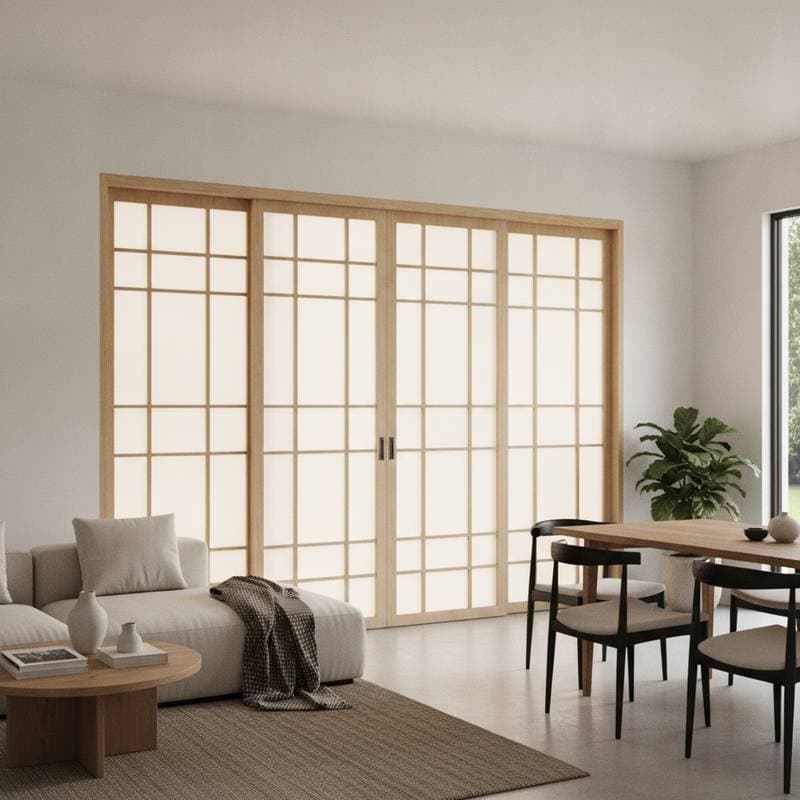
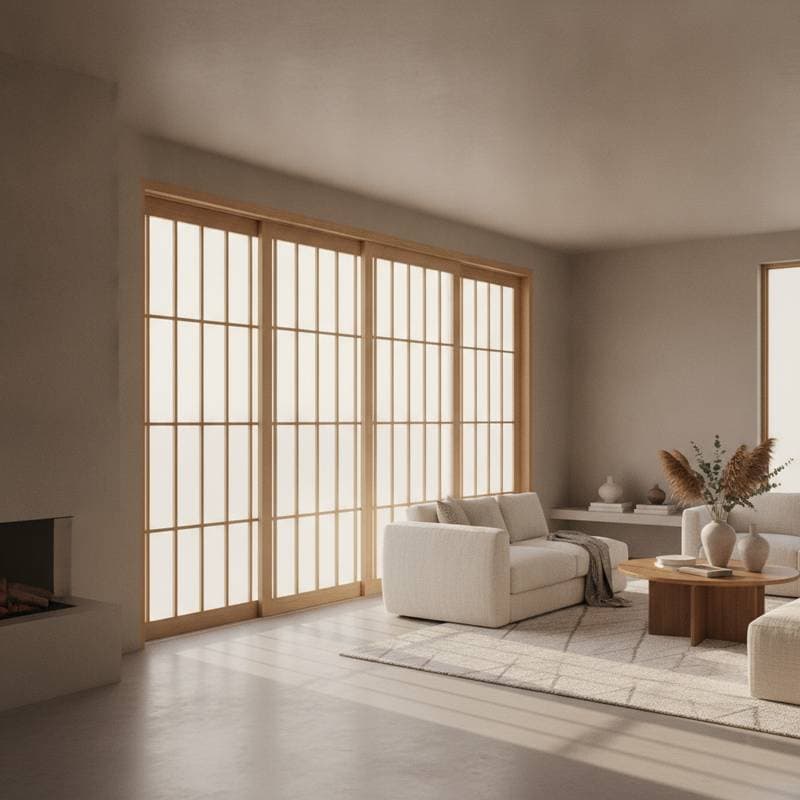
The soft serenity of Japandi design continues to shape interior spaces with calm precision. This fusion of Japanese minimalism and Scandinavian warmth delivers balance, quiet, and tactile comfort. Shoji doors, with their translucent panels and simple wood grids, have become the defining feature of this aesthetic.
They filter light with gentle diffusion, create flexible room divisions, and express a sense of restraint that feels both modern and timeless. Japandi Shoji doors are becoming the minimalist essential for those seeking beauty in simplicity. They pair clean lines with natural textures, offering a peaceful counterpoint to the clutter of everyday life.
Three Ways to Get This Look
Save Approach ($400 to $1,200)
- Use prefabricated sliding panels made from lightweight pine or MDF with rice paper or acrylic inserts.
- Keep framing natural or use a clear matte finish to highlight grain texture.
- Focus investment on visible areas such as living room partitions or closet entries for maximum effect.
Mid-Range Approach ($1,200 to $3,000)
- Select solid wood frames like oak or maple paired with frosted glass for improved durability.
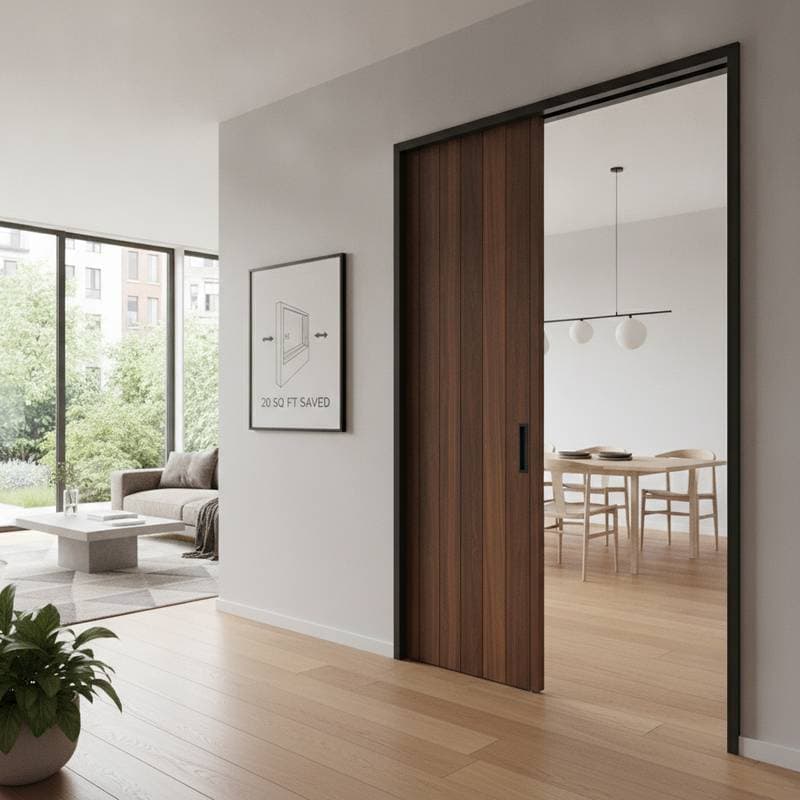
- Choose soft-close sliding tracks or recessed pocket systems for smoother operation.
- Add coordinated trim in matching tones for a unified wall to door transition.
Invest Approach ($3,000 to $7,000)
- Commission custom Shoji doors crafted in walnut or ash with traditional joinery.
- Use handmade washi paper laminated for strength and water resistance.
- Integrate concealed tracks, flush handles, and custom sizing to align with architectural proportions.
Material and Finish Guide
- Windows: Slim black or bronze aluminum frames complement Shoji doors beautifully. Choose clear or lightly frosted glass to continue the translucent theme. Hardware in brushed nickel or matte black keeps the look refined yet simple.
- Doors: Shoji panels in light woods like birch, ash, or white oak blend seamlessly with Japandi interiors. For a darker variation, smoked oak or walnut introduces depth without breaking harmony. Handles should remain minimal, ideally recessed or in a matching wood tone.
- Siding: Exterior siding that complements an interior Japandi palette often combines horizontal cedar planks with smooth fiber cement panels. Keep colors soft and natural to extend indoor calmness outdoors.
- Trim and Accents: Use low-profile baseboards and casings in matching wood tones. Avoid ornate profiles. For a hint of contrast, a narrow black reveal can frame Shoji panels elegantly.
Maintenance Reality Check
Shoji doors are deceptively simple but require thoughtful care. Paper inserts can stain if exposed to moisture, so laminated or acrylic alternatives are better for kitchens or bathrooms. Light wood finishes will patina with age, which adds charm but may need periodic re-oiling or waxing.
Tracks should be vacuumed regularly to prevent dirt buildup that can cause sliding resistance. For high-traffic areas, tempered glass panels are the easiest to maintain while preserving the same serene diffusion of light. When extending the look to windows or exterior materials, factor in climate. In humid regions, sealed finishes protect natural wood from warping. In dry climates, oil-based finishes maintain flexibility.
Avoid These Mistakes
- Overcomplicating the design: Too many trim details or decorative patterns disrupt the quiet simplicity that makes Shoji doors special. Keep grids uniform and proportions balanced.
- Ignoring natural light: Shoji panels shine when backlit by daylight. Avoid placing them in dark hallways or corners where their translucence loses purpose.
- Mixing incompatible materials: Combining heavy metal frames or glossy finishes with Shoji screens can break the visual balance. Stick with matte, organic surfaces.
- Underestimating track quality: Cheap sliding systems lead to sticking or misalignment. Even on a budget, invest in smooth, well-engineered tracks.
Color and Style Coordination
A Japandi palette favors muted, earthy tones layered with natural texture. Combine light woods with soft neutrals to maintain a calm rhythm throughout the space.
Suggested Palette
- Warm White (walls and ceiling)
- Natural Oak (doors and trim)
- Soft Charcoal (hardware and window frames)
- Mist Gray (accent textiles)
- Clay Beige (exterior siding)
Mixing these tones creates subtle contrast that feels organic rather than graphic. The result is a cohesive flow between indoors and out, reinforcing the Japandi principle of continuity between nature and built form.
Planning Photography Checklist
Before purchasing or customizing Shoji doors, homeowners should document their current space carefully. These photos and notes help designers, contractors, and suppliers align on proportions, finishes, and lighting conditions.
Preparation Checklist
- Capture current exterior and interior photographs from multiple angles to understand natural light flow.
- Record architectural style and any existing design elements that will remain.
- Note neighborhood character or HOA restrictions that may affect exterior materials or finishes.
- Identify regional climate factors such as humidity levels or temperature variations.
- Define a budget range and prioritize areas where Shoji doors will have the most visual and functional impact.
This documentation ensures that design decisions stay cohesive with the overall home environment, preventing mismatched tones or incompatible proportions.
Achieving Tranquil Interiors
Japandi Shoji doors invite calm and order into modern living spaces. Their minimalist form hides a complex interplay between light, material, and proportion. Whether used as room dividers, closet doors, or sliding entries to outdoor decks, they create transitions that feel smooth and intentional.
The beauty of this trend lies in its adaptability. A small apartment can benefit from a single Shoji panel to soften light between living and sleeping areas. A larger home might incorporate full wall systems that glide open to merge indoor and outdoor zones. Each approach captures the same essence of simplicity, craftsmanship, and connection to nature.
By balancing materials, maintenance, and cost, homeowners can achieve the tranquil sophistication that defines Japandi design. The key is restraint. Every element, from wood grain to hardware finish, should serve the goal of harmony. When executed with care, Shoji doors become more than functional panels. They become the quiet heartbeat of a minimalist home, shaping light and mood with graceful precision.