Pocket Doors: The Top Space-Saving Interior Trend
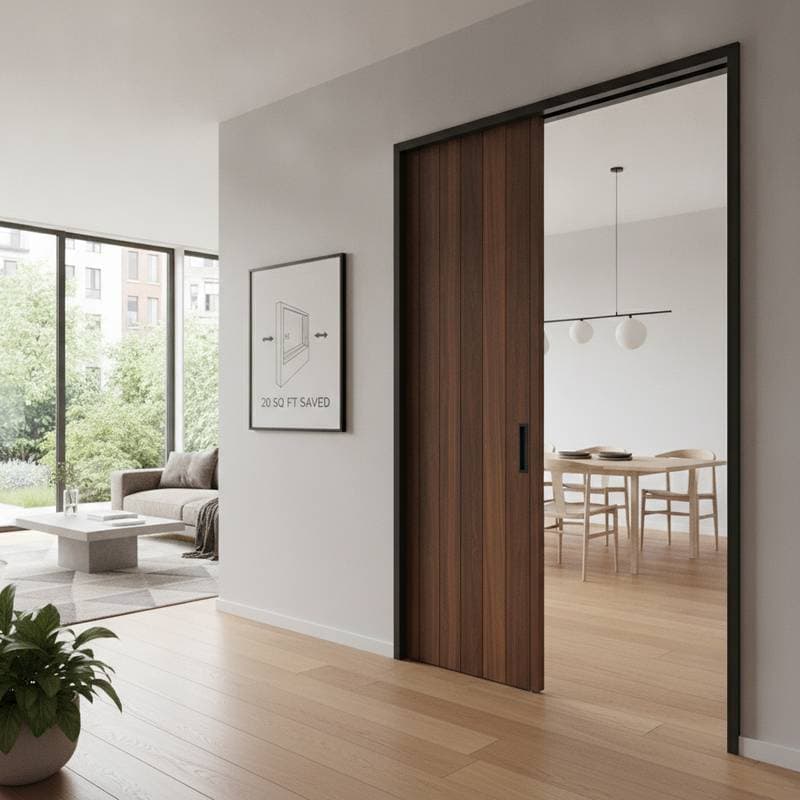
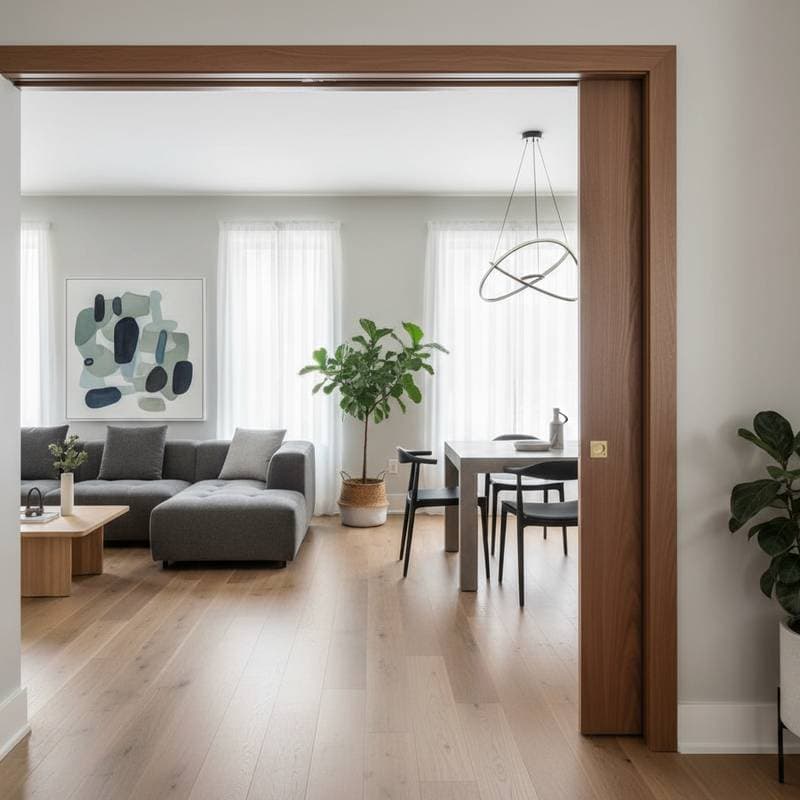
Pocket doors emerge as a prominent interior design trend, merging sleek aesthetics with practical functionality. Homeowners appreciate how these doors retract into the wall, freeing floor space and maintaining visual openness between rooms. In an era of compact living areas and versatile room uses, pocket doors provide an elegant solution for flexibility without added clutter.
This trend emphasizes simplicity and efficiency in design. Suitable for apartments or larger residences, pocket doors introduce a deliberate architectural element that appears modern and purposeful. Their strength rests in redefining room connections through fluid transitions, adaptable to both contemporary and classic settings.
Three Ways to Achieve This Design
Budget-Friendly Approach ($400 - $1,000)
- Material options: Select hollow-core wood or composite doors featuring smooth surfaces. These lightweight choices facilitate straightforward installation and remain economical.
- Cost-reduction strategies: Employ pre-assembled pocket door kits that incorporate the frame and track. Standard dimensions minimize labor expenses.
- Key area for investment: Allocate funds toward a superior soft-closing mechanism. Such a feature enhances daily use and reduces long-term deterioration.
Mid-Range Approach ($1,000 - $2,500)
- Balanced material choices: Choose solid-core wood veneer or primed MDF panels. These selections provide better soundproofing and a more robust presence.
- Essential performance enhancements: Select heavy-duty aluminum tracks paired with ball-bearing rollers for fluid movement. Incorporate a flush pull handle in brushed nickel or matte black to achieve a contemporary accent.
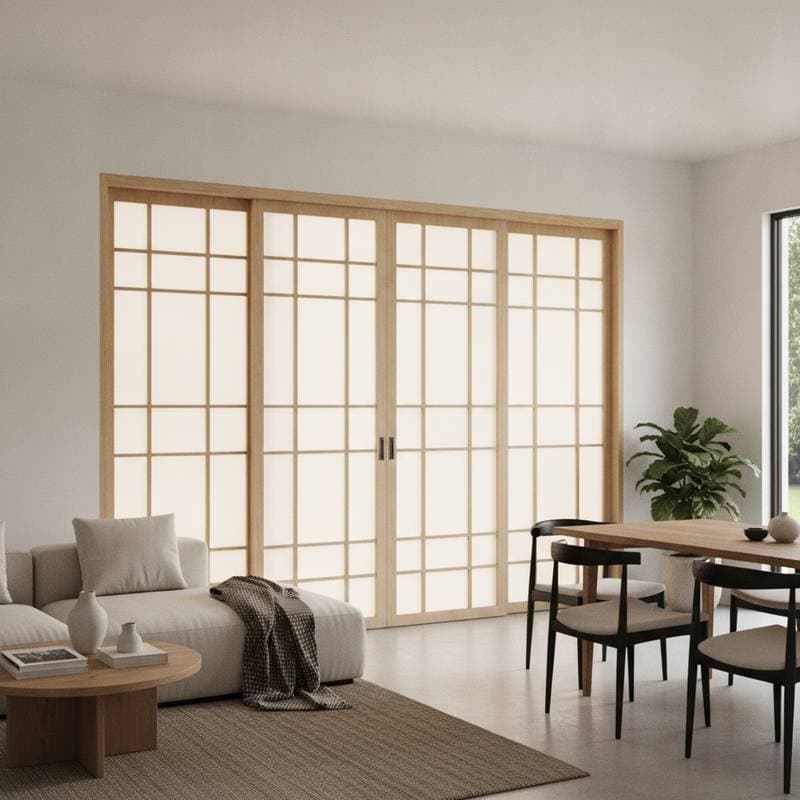
- Valuable design additions: Integrate frosted glass panels or low-profile trim. These elements refine the overall look and harmonize with surrounding woodwork.
Premium Approach ($2,500 - $5,000)
- High-quality material selections: Opt for custom hardwood doors in white oak, walnut, or maple, complete with built-in hardware. These woods introduce warmth and tactile interest to the space.
- Advanced design features: Utilize concealed frame systems that integrate flawlessly with walls, along with overhead recessed lighting and consistent wood grain on adjacent surfaces.
- Factors for enduring value: Engage professional installers for precise alignment and effortless operation. Expert workmanship boosts visual appeal and supports higher property resale potential.
Guide to Materials and Finishes
- Windows: Coordinate window trim to match the pocket door finish. Black aluminum or stained wood frames align with minimalist designs, whereas white-painted wood complements traditional environments.
- Doors: In modern interiors, flat-panel pocket doors in neutral shades like soft gray, sand, or natural wood grain establish a serene foundation. Traditional spaces gain from raised-panel styles with understated molding.
- Siding: Where interior and exterior elements visually link, extend similar hues from siding to doors. A warm cedar exterior, for example, resonates through light oak or chestnut pocket doors.
- Trim and accents: Employ minimal trim to highlight the doorway clean lines. For added definition, incorporate darker hardware or a slender black frame encircling the recessed area.
Essential Maintenance Practices
Pocket doors demand less routine surface cleaning compared to hinged varieties, as they retreat into the wall and avoid dust accumulation. Regular upkeep ensures optimal performance. Vacuum or wipe tracks and rollers every few months to clear debris.
In high-traffic areas, apply lubrication periodically to sustain smooth gliding. Solid wood doors may swell in humid conditions, so regulate indoor humidity to prevent binding. Clean glass inserts using non-abrasive solutions to guard against scratches.
For painted or stained surfaces, use mild cleaners to retain vibrancy and luster. If dragging or noise occurs, inspect and adjust mounting hardware promptly. Consistent checks promote durability and seamless function.
Common Pitfalls to Avoid
- Overlooking wall composition: Pocket doors require walls free of plumbing, wiring, or structural beams unless modifications occur. Verify wall compatibility prior to material acquisition.
- Selecting inferior tracks: Substandard tracks risk distortion or failure, leading to irregular motion. Choose robust aluminum or steel options rated for the door weight.
- Disregarding privacy needs: Pocket doors often leave minor gaps, unlike solid hinged doors. Reserve them for offices, dining areas, or closets; add seals for bathroom use if necessary.
- Excessive trim application: Ornate moldings can overshadow the door simplicity. Select trim that reinforces sleek lines and uniform scale.
- Ignoring repair accessibility: Wall-embedded components prove challenging to service post-installation. Prioritize systems with detachable tracks or access panels for simplified upkeep.
Strategies for Color and Style Harmony
A unified color scheme transforms the pocket door into a focal design asset. Explore these pairings for lasting elegance:
- Soft Modern Palette: Pair warm white walls with brushed brass hardware and natural oak doors.
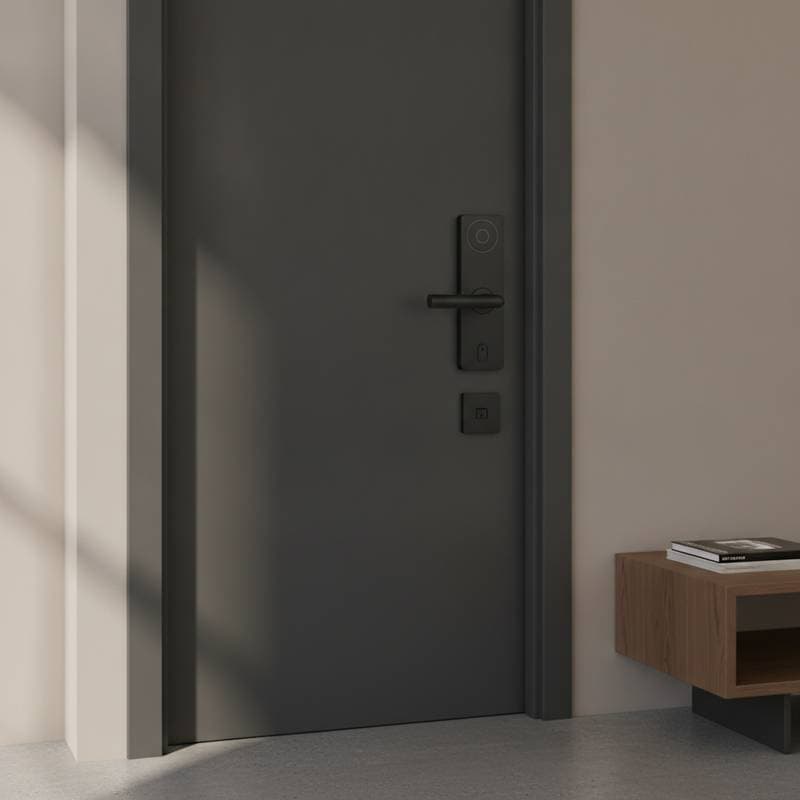
- Urban Industrial Vibe: Combine charcoal gray doors, black hardware, and exposed concrete surfaces.
- Coastal Serenity: Blend pale blue-gray doors with white trim and satin nickel accents.
- Classic Contrast: Match deep navy doors to crisp white frames and antique bronze details.
- Organic Neutral Tones: Integrate taupe or sand walls with honey-stained wood doors and matte black elements.
Consider light interaction when choosing finishes. Glossy paints amplify reflections, while matte options foster a subdued, structural ambiance. Align hardware finishes across doors, windows, and fixtures for cohesive unity.
Photography and Planning Checklist
Document your space thoroughly before committing to pocket door choices. This preparation aligns contractors and designers with your objectives.
- Space documentation: Photograph walls from various perspectives, capturing ceiling and floor junctions.
- Style references: Record molding dimensions, window forms, and ceiling elevations to preserve harmony.
- Contextual factors: Align designs with neighborhood aesthetics and any community regulations.
- Environmental adaptations: Select materials like engineered wood for humidity or tempered glass for aridity.
- Budget allocation: Pinpoint investments for optimal results, such as premium tracks or bespoke finishes.
Integrating Pocket Doors Thoughtfully
Pocket doors combine sophistication and utility in interior layouts, yet their effectiveness hinges on deliberate placement. Determine desired room interactions first. A sliding divider between kitchen and dining enhances hosting versatility, while one linking bedroom and bath preserves essential area.
Evaluate sensory aspects too. Door heft, handle texture, and gliding sound all signal premium quality. Harmonize the door finish with adjacent cabinets or floors for seamless integration.
Balance aesthetic goals with practical demands during planning. A strategically selected pocket door elevates a basic threshold to a sophisticated element. Through mindful material choices, upkeep routines, and financial planning, this versatile feature fosters open, streamlined, and interconnected living environments.