Understanding Japandi Design
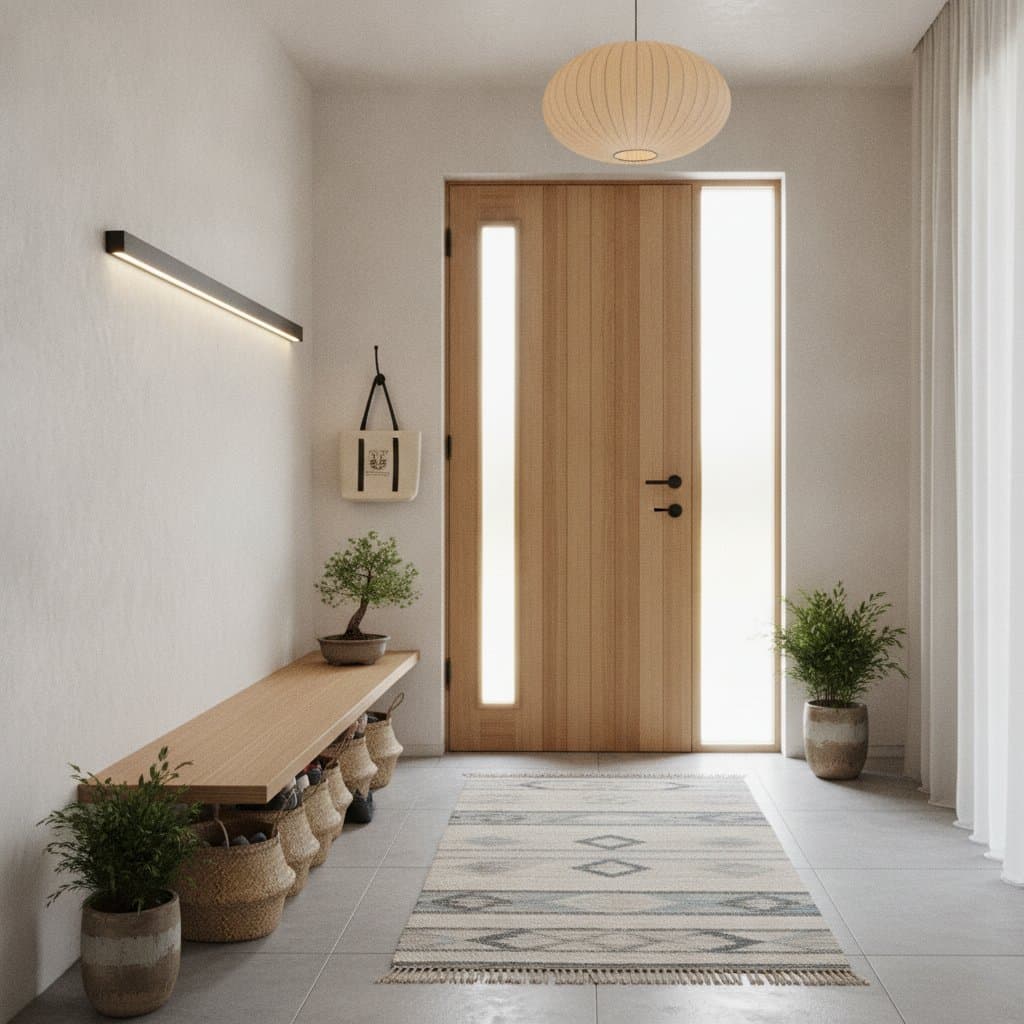
Japandi emerges as a harmonious fusion of Japanese minimalism and Scandinavian functionality. This style emphasizes clean lines, natural materials, and a sense of calm that resonates with modern living. In 2026, Japandi influences home interiors profoundly, prioritizing spaces that nurture well-being amid fast-paced routines.
The philosophy behind Japandi revolves around wabi-sabi, the Japanese appreciation for imperfection, blended with hygge, the Danish pursuit of coziness. Designers achieve this through muted color palettes, organic textures, and uncluttered layouts. As homeowners seek refuge from digital overload, Japandi offers a timeless approach to creating balanced environments.
The Essence of Shoji Doors
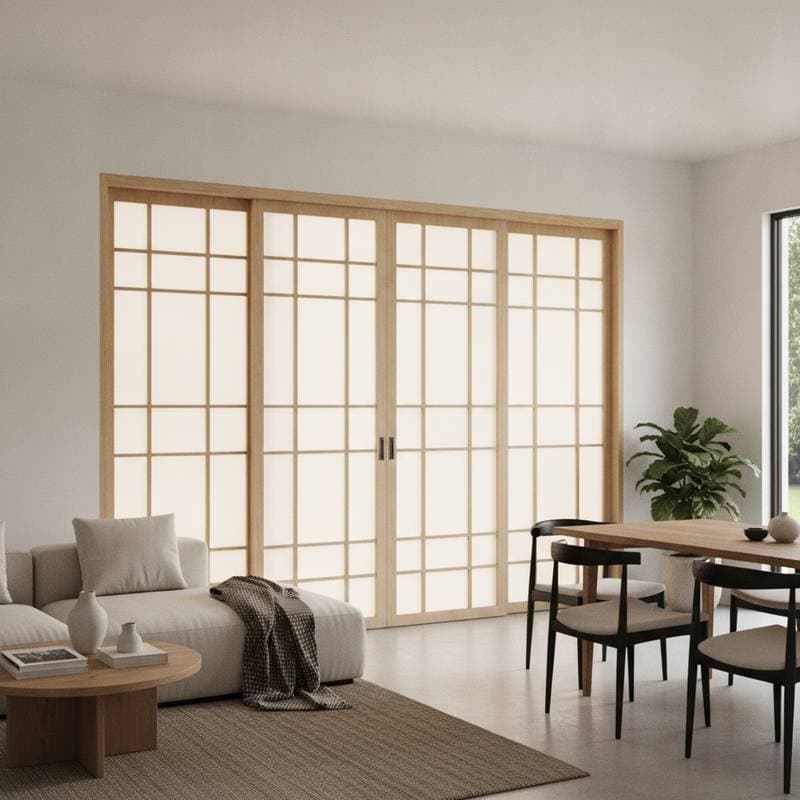
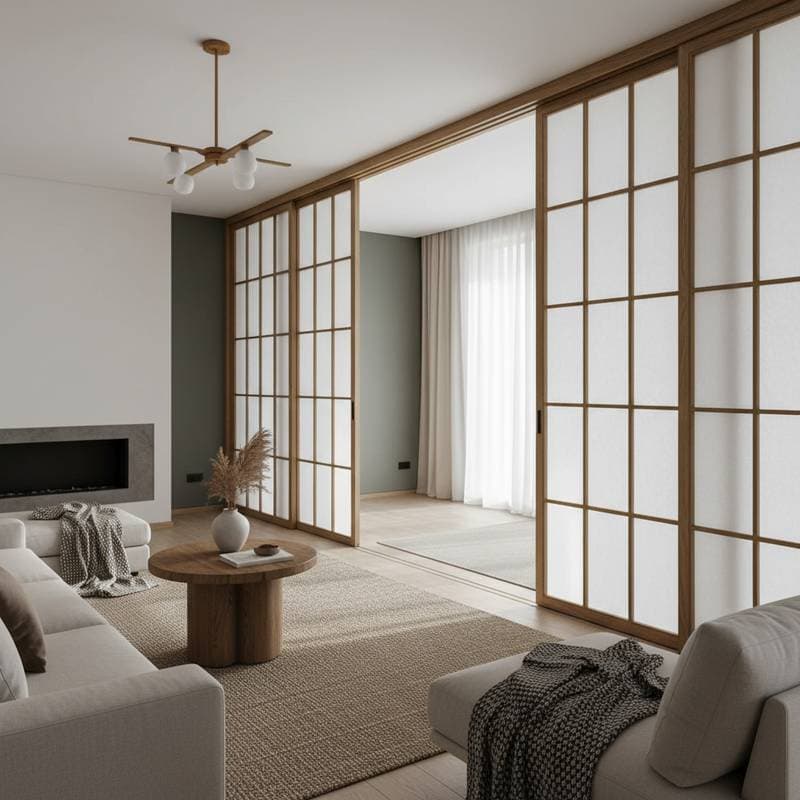
Shoji doors trace their origins to traditional Japanese architecture, featuring lightweight wooden frames covered in translucent rice paper. These sliding panels divide spaces without blocking light, allowing a gentle diffusion that softens shadows. Historically used in tea houses and homes, shoji doors promote a fluid connection between rooms.
Modern adaptations retain the core structure but incorporate durable materials like frosted glass or synthetic fabrics for longevity. Frames often use bamboo or oak, aligning with sustainable practices. In contemporary settings, shoji doors serve as room dividers, closet fronts, or even exterior accents, adapting to diverse architectural needs.
Blending Japandi with Shoji Doors
Integrating shoji doors into Japandi aesthetics creates interiors that feel both expansive and intimate. The translucent quality invites natural light to permeate deeper into homes, reducing reliance on overhead fixtures. Paired with neutral tones and low-profile furniture, these doors enhance the style's emphasis on serenity.
Consider a living area where shoji panels separate the lounge from a reading nook. Light filters through, casting a warm glow that unifies the space visually. This setup maintains privacy while fostering an open atmosphere, a hallmark of Japandi's thoughtful design.
Customization options abound for personalization. Select panels with subtle patterns inspired by nature, such as faint cherry blossom motifs, to add depth without overwhelming minimalism. Frame finishes in matte white or natural wood complement Scandinavian warmth, ensuring seamless integration.
Practical Benefits for 2026 Homes
In 2026, sustainability drives design choices, and shoji doors align perfectly with this trend. Crafted from renewable resources like fast-growing bamboo and recycled paper alternatives, they minimize environmental impact. Many manufacturers certify products with Forest Stewardship Council labels, appealing to eco-conscious buyers.
Energy efficiency represents another key advantage. By maximizing daylight, shoji doors lower electricity use for lighting, potentially reducing bills by up to 20 percent in well-oriented rooms. Their lightweight construction eases installation, avoiding structural modifications in older homes.
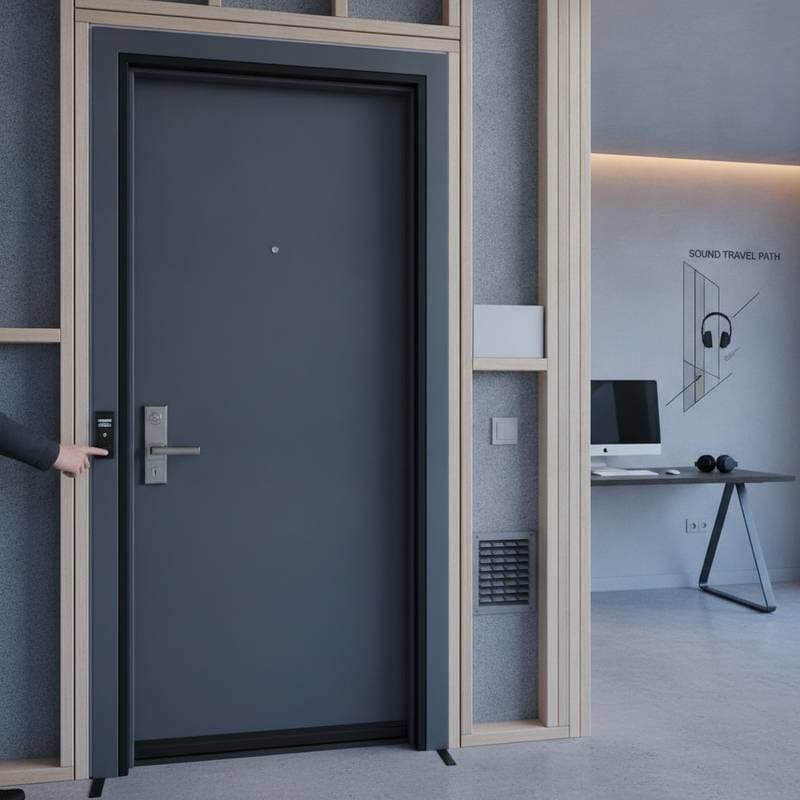
Privacy and acoustics improve notably with these doors. The semi-opaque panels obscure views while permitting light passage, ideal for shared living spaces. Sound dampening properties, enhanced by layered materials, create quieter zones, supporting remote work or restful sleep.
Actionable Ways to Incorporate Shoji Doors
Begin by evaluating your home's layout to identify ideal locations. Bedrooms benefit from shoji closet doors that conceal storage while allowing light to brighten mornings. In open-plan kitchens, panels can screen off dining areas, preserving flow without isolation.
- Measure spaces accurately to ensure proper fit; standard heights range from 80 to 96 inches.
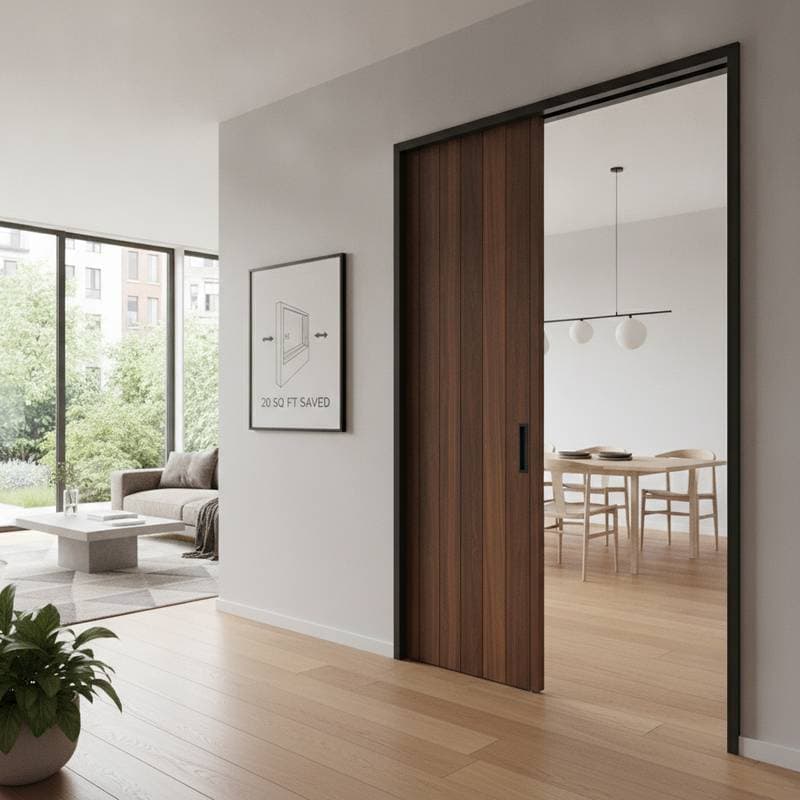
- Choose track systems for smooth sliding; bottom-mounted rails prevent misalignment over time.
- Opt for UV-resistant coverings to maintain translucency in sunlit areas.
- Pair with automated controls for convenience, such as remote-operated panels in smart homes.
- Consult professionals for custom builds if integrating into non-standard frames.
Budget considerations vary: basic kits start at affordable prices, while bespoke designs offer premium features. Maintenance involves gentle dusting and occasional panel replacement, keeping investments long-lasting.
Embracing Serenity Through Design Choices
Japandi shoji doors elevate 2026 homes by weaving light, calm, and utility into everyday life. They transform ordinary spaces into mindful havens that support health and harmony. As trends evolve, these elements endure, providing lasting value through beauty and practicality.
Homeowners who adopt shoji doors report heightened appreciation for natural rhythms, from morning light to evening shadows. This shift fosters deeper connections with surroundings, aligning with broader wellness movements. Ultimately, such designs invite a lifestyle rooted in intention and peace.