Why Clay Plaster Walls Beat Drywall for Designers
Clay plaster walls have gained strong momentum among forward-thinking designers and homeowners who want interiors that feel natural, comfortable, and timeless. The appeal goes beyond surface beauty. Clay plaster creates living walls that breathe, regulate humidity, and age gracefully. Compared to drywall, which often feels static and synthetic, clay plaster walls bring warmth, texture, and quiet sophistication to modern spaces.
This shift comes from growing awareness about environmental health, tactile design, and the return of craftsmanship. Designers are rediscovering materials that contribute to both aesthetic richness and indoor well-being. Among natural finishes, clay plaster stands out for its depth of character and performance versatility.
The Appeal of Clay Plaster
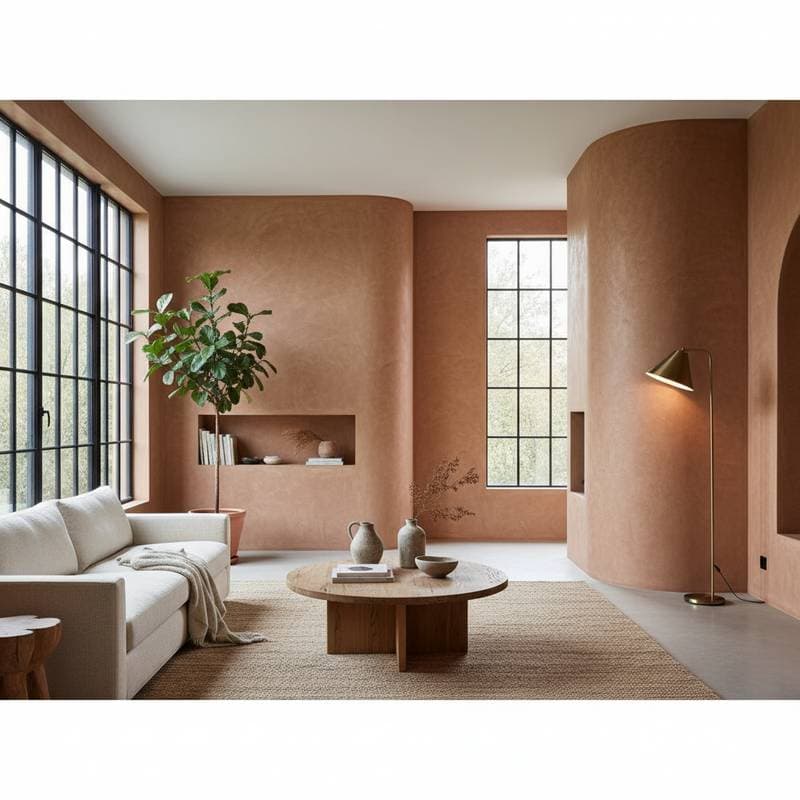
Clay plaster transforms a room with its natural matte glow and soft texture. It reflects light gently, giving walls a subtle radiance that changes throughout the day. The finish feels organic yet refined, offering visual depth that painted drywall cannot replicate. Clay mineral pigments create nuanced tones that seem to breathe with the space, producing interiors that feel calm and grounded.
From a design perspective, clay plaster supports nearly any style. It pairs beautifully with warm wood, stone, and metal, making it suitable for modern minimalism, rustic farmhouse, or coastal calm. The material tactile surface adds life to otherwise flat walls, turning them into design features rather than simple backdrops.
Three Ways to Get This Look
Save Approach ($3,000 - $6,000)
- Use premixed clay plaster products that apply directly over primed drywall.
- Focus on accent walls or key spaces like entryways and living rooms for maximum visual impact.
- Choose simple one-coat finishes in natural shades such as soft beige, pale gray, or ivory.
- Save by handling basic wall prep yourself while hiring a finisher for final application.
Mid-Range Approach ($7,000 - $12,000)
- Select two-coat clay plaster systems with fine aggregate for better texture control.
- Include custom pigment blends for unique colors that coordinate with flooring and woodwork.
- Use clay plaster throughout main living areas to create continuity and a more immersive effect.
- Upgrade to natural clay-based sealers that improve dust resistance without changing appearance.
Invest Approach ($13,000 - $25,000)
- Opt for handcrafted clay plaster applied by artisan finishers who understand texture variation and layering.
- Include specialty finishes like trowel-burnished surfaces or subtle tonal washes.
- Integrate clay plaster with wood beam ceilings, lime floors, or reclaimed doors for cohesive natural design.
- Consider sculpted wall niches or curved transitions for a fully custom, organic interior.
Material and Finish Guide
- Walls: Choose clay plaster made from natural clay, sand, and mineral pigments. For a refined look, select fine-grain mixes. For rustic texture, use coarse aggregates.
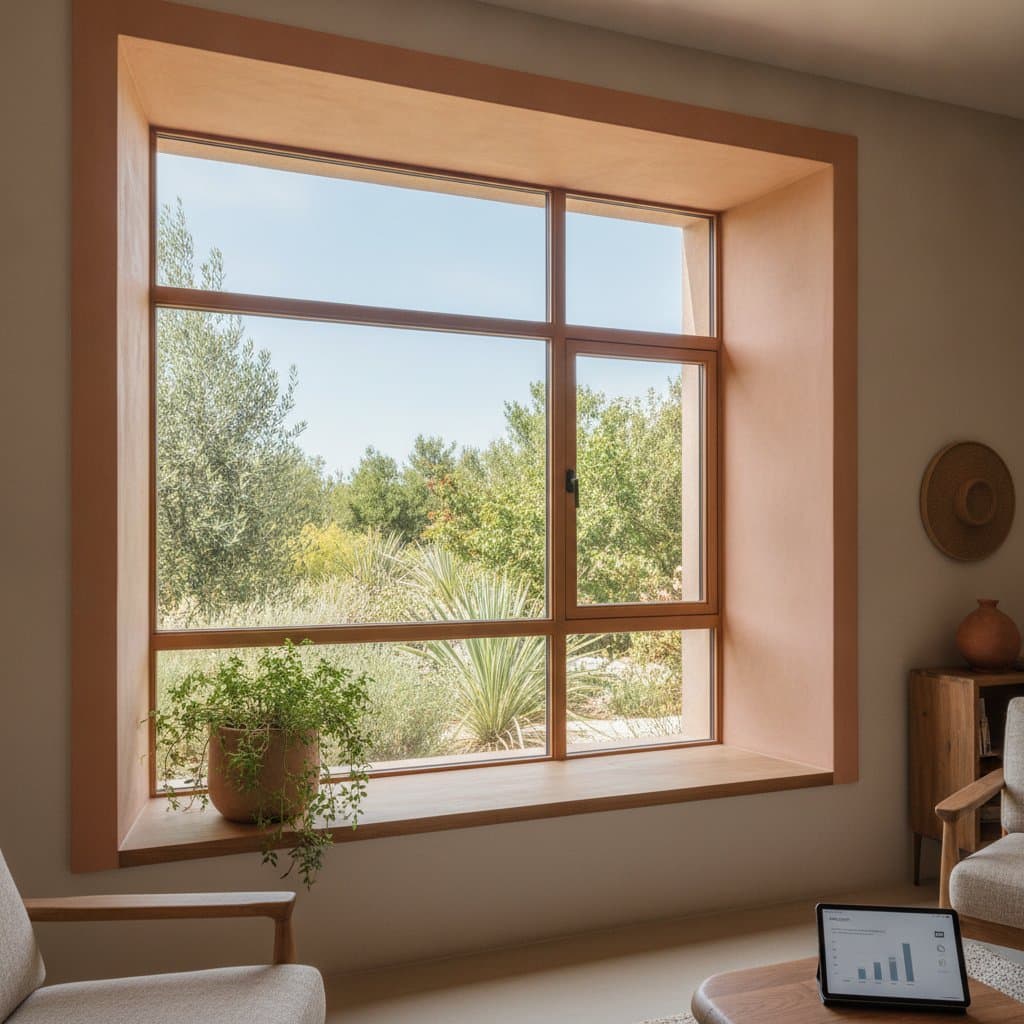
- Windows: Frame natural plaster walls with wood or black steel windows. The contrast enhances the earthy tone of the plaster while framing light naturally.
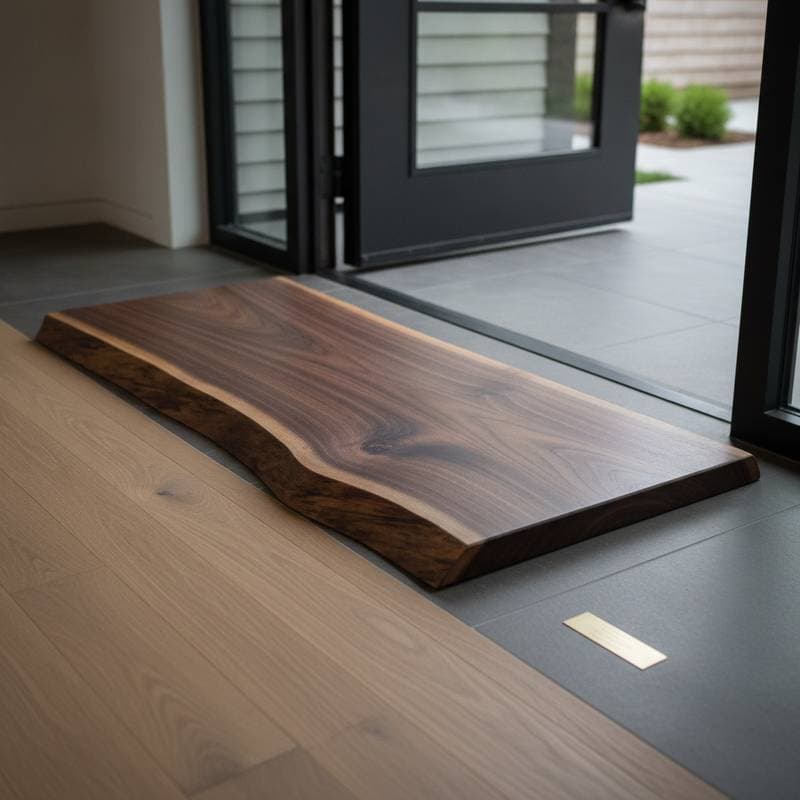
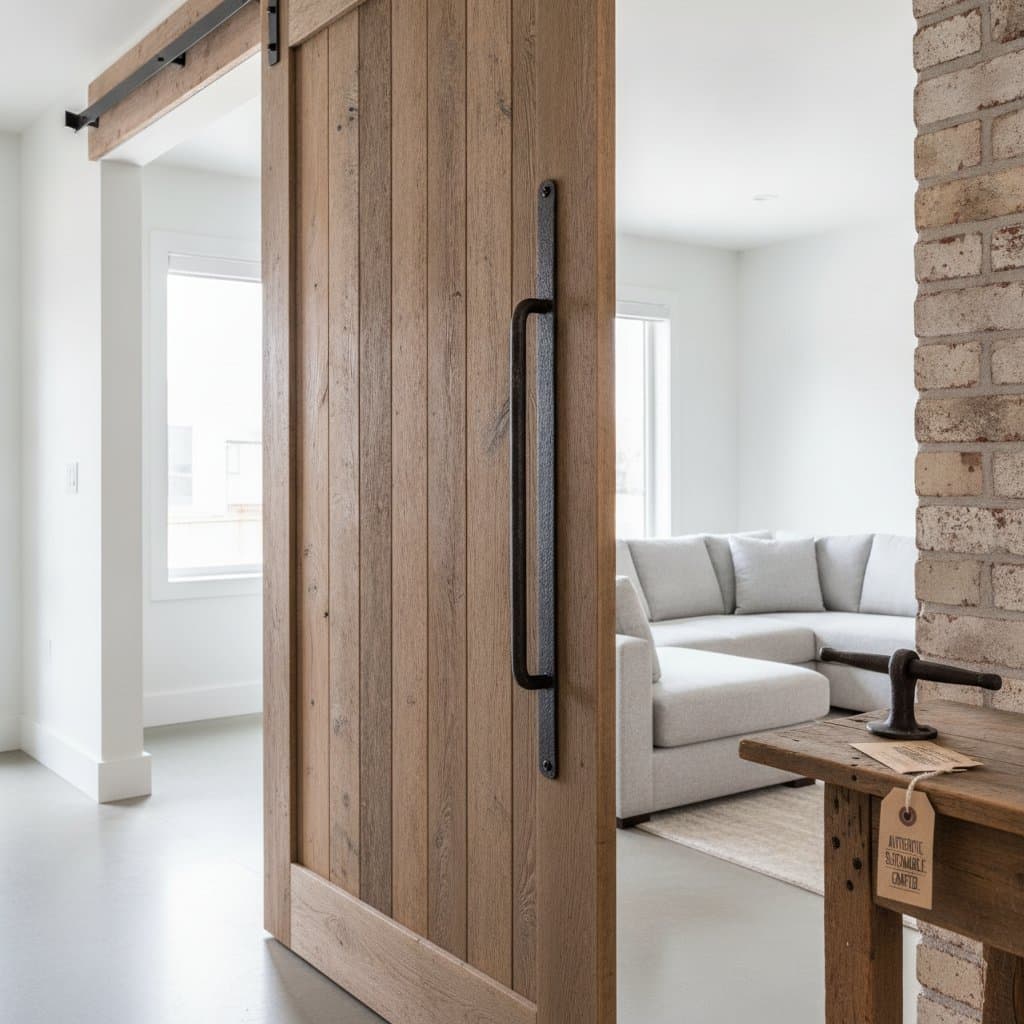
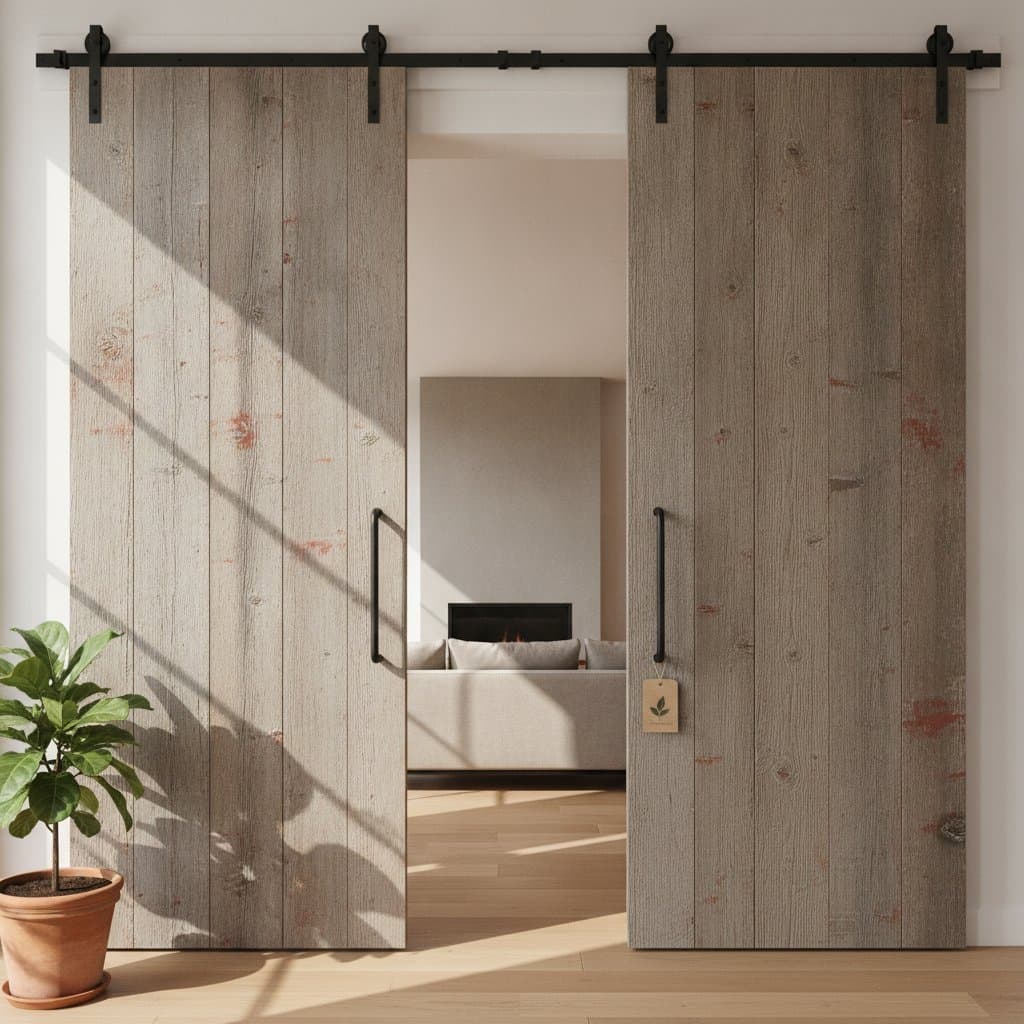
- Doors: Pair clay walls with solid wood doors in light oak, walnut, or reclaimed pine. Keep finishes matte or oiled to maintain authenticity.
- Trim and Accents: Use simple wood trim or no trim at all, letting clay edges define openings softly. For a modern approach, go for flush or shadow-line details.
- Color Palette: Warm sand, pale mushroom, soft clay pink, misty gray, ochre beige.
These tones connect easily to natural materials like limestone, rattan, or patinated metal.
Maintenance Reality Check
Clay plaster requires different care than drywall but rewards attention with longevity and beauty. It is not a wipe-clean surface in the same way as painted drywall, yet it handles daily life gracefully. Minor marks can often be buffed out with a damp sponge. Scratches blend into texture rather than standing out.
Because clay plaster is breathable, it naturally regulates indoor humidity. It absorbs excess moisture and releases it slowly, helping prevent condensation and mold. In dry climates, it adds humidity that keeps wooden elements stable. These properties reduce the need for mechanical air control and improve indoor comfort.
Repainting is unnecessary, which saves resources over time. If color refresh is desired, another thin coat of clay plaster can be applied directly on top without stripping or sanding. Properly applied clay plaster rarely cracks, though small hairlines can appear and are easily blended during touch-up.
Avoid These Mistakes
- Skipping Proper Base Preparation: Clay plaster adheres best to breathable surfaces. Applying directly over glossy paint or sealed drywall can lead to peeling. Use a mineral-based primer or apply a thin bonding coat designed for natural plasters.
- Overtexturing: Too much texture can make walls feel heavy or distract from furnishings. Keep balance by maintaining consistent trowel patterns and avoiding deep gouges.
- Ignoring Color Testing: Clay pigments shift slightly as they dry. Always test samples under different light conditions before committing to a full wall.
- Budget Trap: Avoid pairing low-cost synthetic trim or vinyl windows with clay plaster interiors. The natural aesthetic depends on cohesive materials. If funds are limited, prioritize authentic finishes in visible zones and use simpler materials in secondary areas.
- Maintenance Oversight: Do not use harsh cleaners or sealers that block breathability. Instead, dust gently or wipe with a barely damp cloth.
Why Designers Favor Clay over Drywall
Aesthetic Depth
Drywall finishes tend to flatten light, while clay plaster creates soft transitions between highlights and shadows. The texture offers a subtle movement that gives spaces emotional warmth. Designers appreciate how clay plaster supports natural light, emphasizing architectural detail instead of hiding it.
Material Integrity
Clay plaster is made from earth materials without synthetic binders or VOC emissions. It contributes to healthier indoor air and aligns with sustainable design principles. Drywall, while affordable, often involves gypsum board, joint compounds, and paints that can release chemicals over time.
Thermal and Acoustic Comfort
Clay plaster adds thermal mass that helps stabilize indoor temperature swings. It keeps interiors cooler in warm weather and warmer in cold, reducing energy demand. The dense composition also softens sound, improving acoustic comfort in open-plan spaces.
Aging Gracefully
Drywall tends to show age through dents, cracks, and yellowing paint. Clay plaster, on the other hand, gains patina and subtle variation with time. This aging process enhances the sense of authenticity and permanence that designers strive for.
Design Versatility
Clay plaster works across design genres. In a minimalist interior, it adds softness and depth. In a traditional setting, it complements natural wood and stone. For commercial spaces like boutique hotels or restaurants, it delivers tactile luxury without feeling excessive.
Budget and Value Considerations
While clay plaster costs more upfront than standard drywall and paint, it provides long-term savings through reduced maintenance and extended lifespan. The initial investment pays off through durability, improved indoor climate, and elimination of repaint cycles.
For homeowners watching costs, mixing approaches works well. Apply clay plaster in main spaces and keep secondary rooms simple. Designers often use clay plaster strategically where natural light amplifies the texture, gaining maximum effect with minimal material.
DIY installation can reduce costs if the homeowner has patience and attention to detail. Many premixed products are forgiving for beginners. Professional artisans, though, achieve nuanced finishes and subtle layering that justify the added expense for showcase areas.
Climate and Regional Suitability
Clay plaster performs well in nearly every region. In humid climates, it balances moisture and prevents mildew. In dry regions, it adds humidity that protects wooden furniture and floors. For coastal areas, it resists salt damage better than painted drywall.
In cold climates, its thermal mass helps retain heat, while in hot climates it stays cool to the touch. These natural climate responses improve comfort and reduce reliance on artificial systems.
Coordinating Materials for Cohesive Design
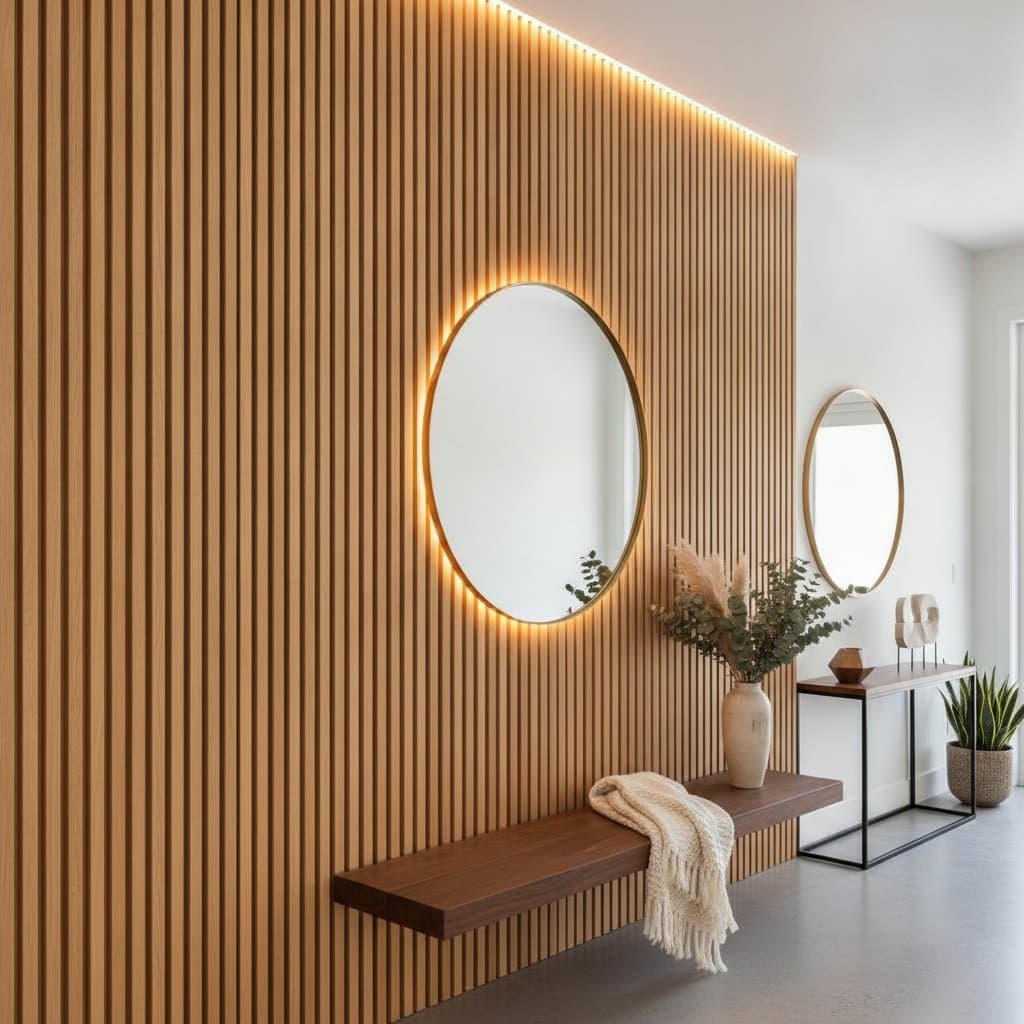
Clay plaster pairs beautifully with wood in natural oak, ash, or walnut tones to enhance clay warmth. Stone such as limestone, terrazzo, or slate complements the matte finish. Metal in aged brass or black iron provides striking contrast. Glass in clear or frosted form adds balance through reflection and transparency.
When choosing finishes, aim for harmony in tone and texture. Earthy materials look authentic next to clay walls, while overly glossy surfaces can feel out of place. Lighting plays a critical role too. Wall washers and soft ambient fixtures highlight texture without casting harsh shadows. Avoid high-sheen bulbs that flatten the surface.
Planning Photography Checklist
Before beginning a clay plaster project, document and plan carefully. This ensures smooth coordination and informed material selection.
Checklist:
- Current room photographs from multiple angles under natural and artificial light.
- Architectural style and existing finishes that must integrate with new plaster.
- Any structural or moisture concerns in existing walls.
- Desired color palette and finish texture samples.
- Budget range and areas prioritized for plaster upgrade.
- Climate factors that influence product choice.
- Contractor or artisan qualifications and past project examples.
Taking these steps helps prevent surprises and ensures consistent results across rooms.
Your Style Checklist
- Choose authentic clay plaster with natural pigments and aggregates.
- Test color samples in real light before committing.
- Coordinate windows, doors, and trim with complementary natural materials.
- Plan lighting that enhances texture rather than masking it.
- Understand maintenance requirements and set realistic expectations for patina and touch-up.
- Balance budget by focusing on key visual areas first.
Bringing It All Together
Clay plaster walls have redefined what interior finishes can achieve. Designers value them for texture, depth, and natural performance that drywall cannot match. More than a surface, clay plaster becomes part of a living environment, improving comfort and connecting architecture to nature.
For homeowners, the reward lies in spaces that feel calm and enduring. Every wall tells a story of craftsmanship and material honesty.