Comparing Pocket Doors and Barn Doors: Key Differences
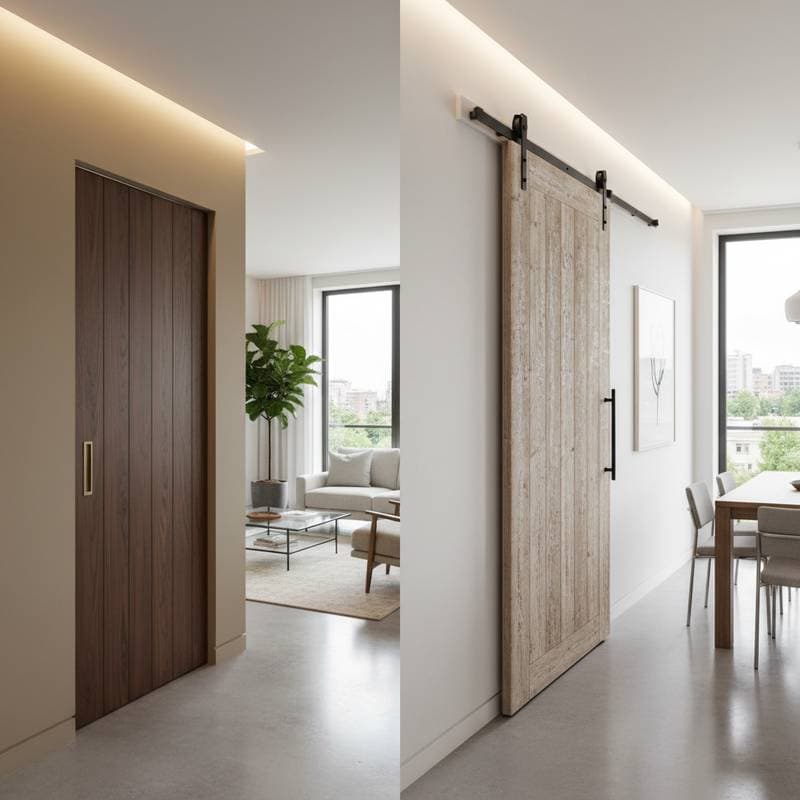
Pocket doors and barn doors each serve distinct purposes in interior design, but their features reveal clear advantages for modern applications. The following table highlights essential contrasts to guide your decision-making process.
| Feature | Barn Door | Pocket Door |
|---|---|---|
| Wall Modification | Minimal | Moderate to Extensive |
| Installation Time | Short | Longer |
| Space Required | Wall clearance equal to door width | Wall cavity equal to door width |
| Best For | Decorative accent or open space division | Tight spaces and clean-wall layouts |
This comparison underscores how pocket doors prioritize efficiency in constrained environments, while barn doors emphasize visual impact. Understanding these elements helps homeowners align choices with specific spatial needs.
Installation Insights for New Builds and Retrofits
During new construction or significant renovations, integrate pocket doors from the initial planning stages to simplify the process. Architects and builders can incorporate the necessary wall framing without disrupting the overall layout. This approach ensures structural integrity and allows for custom sizing to fit unique room dimensions.
Retrofitting pocket doors into existing structures requires careful assessment of wall composition. Professionals evaluate load-bearing elements and utilities to avoid complications. Homeowners benefit from consulting certified installers who use precision tools for accurate cuts and reinforcements. The effort yields a seamless result that enhances daily navigation without visible hardware.
Enhancing Privacy and Sound Control
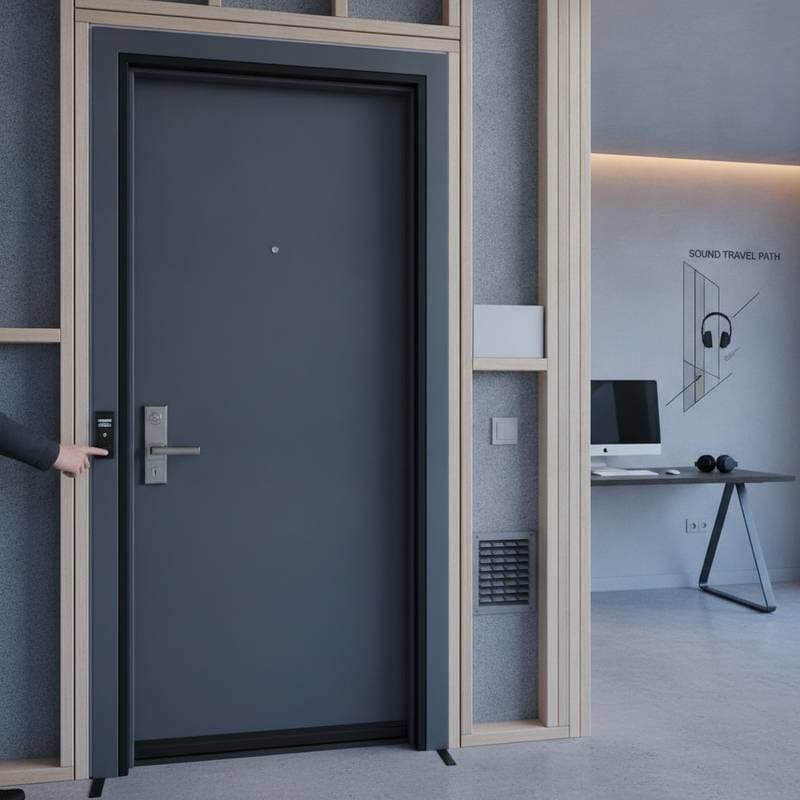
Privacy remains a priority in multifunctional homes, especially in areas like bedrooms, home offices, and bathrooms. Barn doors, with their surface-mounted tracks, often leave small gaps around the edges, permitting light and noise to filter through. In contrast, pocket doors achieve a tighter seal through specialized gaskets and adjustable stops, minimizing disturbances.
Select pocket doors equipped with acoustic seals for optimal performance in noise-sensitive zones. These features block up to 20 decibels more sound than standard barn doors, fostering quieter environments. Families with varied schedules appreciate this capability, as it isolates activities like remote work or evening routines from common areas.
Maintenance Strategies and Durability Factors
Routine care varies between the two door styles, influencing long-term satisfaction. Barn doors expose tracks and rollers to daily accumulation of dust and debris, necessitating regular wiping and lubrication to prevent squeaks. Over time, environmental factors such as humidity can accelerate wear on these components.
Pocket doors shield their mechanisms within the wall, limiting exposure and simplifying upkeep. Clean the visible surfaces with a soft cloth and mild cleaner monthly, and inspect the frame annually for alignment. Opt for solid hardwood options with anti-warping treatments to ensure smooth operation for decades. High-grade ball-bearing rollers further extend usability by reducing friction.
Design Versatility and Aesthetic Appeal
Barn doors command attention as focal points, suiting styles like rustic farmhouse or industrial lofts with their sliding hardware and bold hardware finishes. However, this prominence can clash with shifts toward minimalist or contemporary themes, requiring eventual removal or replacement.
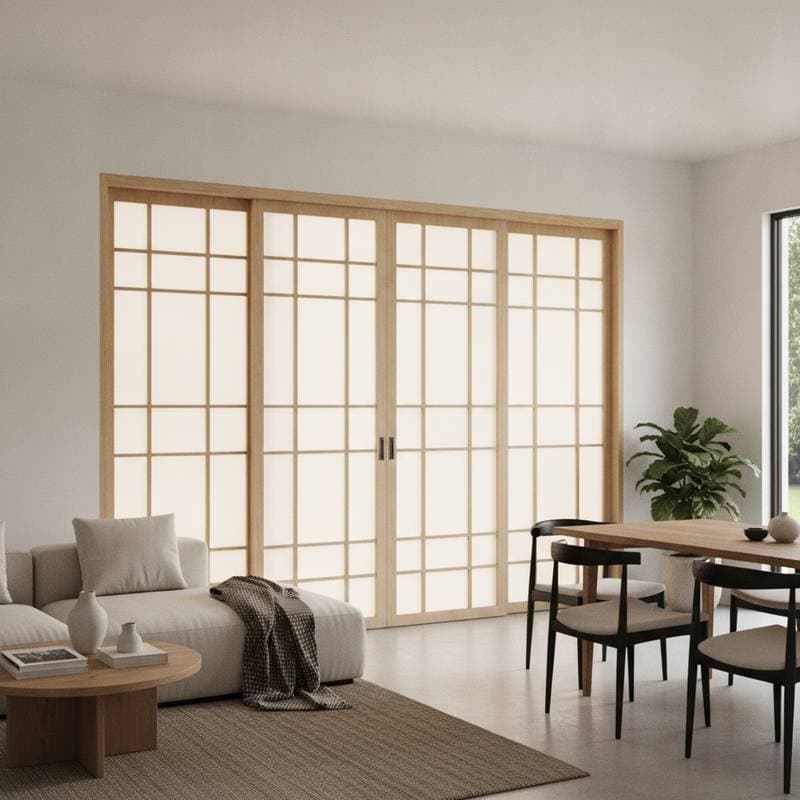
Pocket doors adapt effortlessly to evolving tastes through customizable panels and trims. Choose frosted glass inserts for a subtle glow in hallways or painted panels that mimic surrounding walls for invisibility. This concealed design frees wall space for artwork or shelving, supporting frequent decor refreshes without structural alterations.
Evaluating Costs and Overall Value
Initial expenses for barn doors typically range lower due to simpler mounting and fewer materials. Factor in hardware kits starting at basic steel options for budget installations. Yet, hidden costs arise from frequent adjustments and potential wall repairs if tracks loosen.
Pocket doors involve higher upfront investments for frames and professional labor, but they deliver superior returns. Consider a detailed cost breakdown:
| Option | Initial Cost | Lifespan | Maintenance | Best For |
|---|---|---|---|---|
| Barn Door | Lower | Moderate | Visible hardware requires periodic care | Decorative applications |
| Pocket Door | Moderate to higher | Long | Minimal due to enclosed track | Daily use and compact layouts |
Over 10 years, pocket doors often prove more economical through space efficiency and appeal to future buyers seeking modern conveniences.
Accessibility Features for Inclusive Homes
Contemporary pocket doors incorporate user-friendly elements to accommodate diverse needs. Soft-close hinges prevent slamming, while self-closing options ensure secure latches. Recessed finger pulls or ergonomic levers facilitate easy operation for all ages and abilities.
Barn doors present hurdles with their outward swing and elevated handles, demanding greater physical effort and clearance. Children or those using mobility aids may struggle with the reach. Pocket doors promote independence by sliding parallel to the wall, eliminating protrusions and enhancing safety in high-traffic zones.
Overcoming Installation Hurdles
Pocket doors demand precise execution to avoid operational issues like binding or misalignment. Start by measuring the opening twice, accounting for a 1/8-inch tolerance on each side. Engage contractors experienced in cavity framing to reinforce studs and integrate jambs securely.
Common pitfalls include overlooking hidden utilities; always scan walls with stud finders and consult blueprints. For barn doors, ensure level tracks by using laser levels during mounting. Both installations gain reliability from quality materials and follow-up adjustments after settling periods.
Aligning Doors with Room Functions and Styles
Assess each space's demands to select the appropriate door type. Barn doors excel in semi-open areas like pantries or closets where aesthetics drive the choice, adding character without full enclosure. Pocket doors shine in compact rooms, preserving sightlines and usability.
In modern or transitional designs, pocket doors vanish into the architecture, allowing uninterrupted wall treatments. They support open-plan living by dividing zones subtly, ideal for studios or multi-use rooms. Test mockups with temporary panels to visualize integration before committing.
Ensuring Long-Term Adaptability
Homes transform with life stages, from expanding families to reconfigured workspaces. Pocket doors accommodate these shifts through their unobtrusive profiles, enabling furniture rearrangements without hardware conflicts. Their neutral presence complements updates in flooring or lighting.
Prioritize durable finishes like polyurethane-coated woods to withstand wear. The enclosed system cuts cleaning time, freeing energy for other home tasks. This combination of flexibility and low demands aligns with lifestyles that value efficiency and enduring style.
Steps to Implement Your Door Upgrade
Begin by mapping room layouts to identify high-impact locations for pocket doors. Gather quotes from at least three installers, specifying material preferences and accessibility features. Budget for complementary elements like threshold seals to maximize benefits.
Monitor trends through design resources, but prioritize functionality over fleeting styles. With thoughtful planning, pocket doors elevate comfort and value, creating spaces that evolve alongside your needs.