Accordion Doors: The Ultimate Space-Savers for 2026
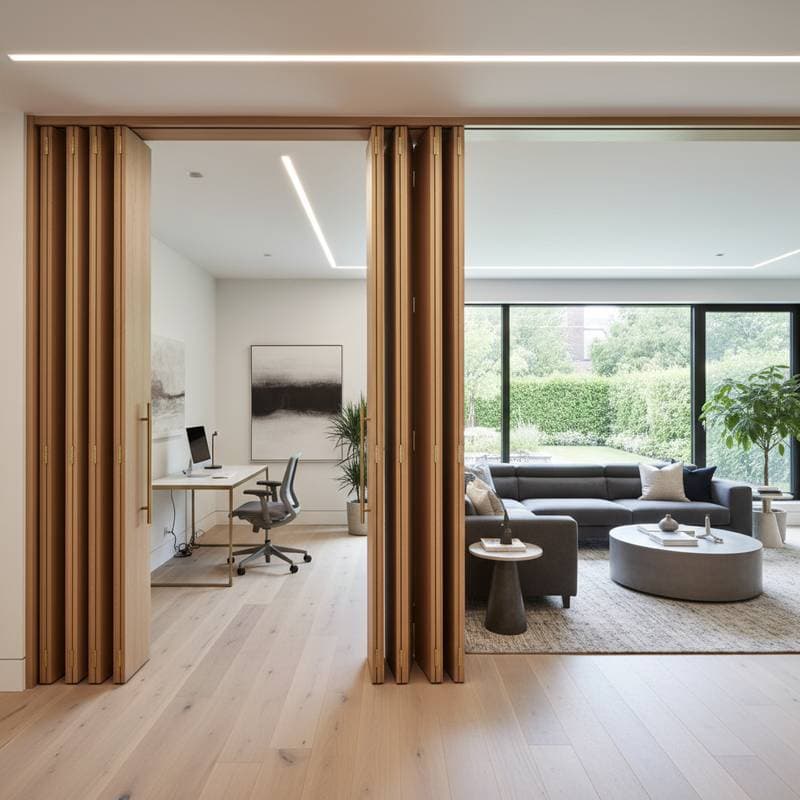
Compact living and flexible design are reshaping interiors, and accordion doors have become a central feature in that transformation. Homeowners seek ways to make rooms multifunctional without sacrificing comfort or aesthetics. Accordion doors meet that need with an adaptable style that merges efficiency, visual appeal, and durability. Their expanding panels fold neatly to one side, creating an open flow when needed and privacy when desired. As design trends lean toward lighter, more versatile spaces, accordion doors gain attention for both practical and stylistic reasons.
Why Accordion Doors Work So Well
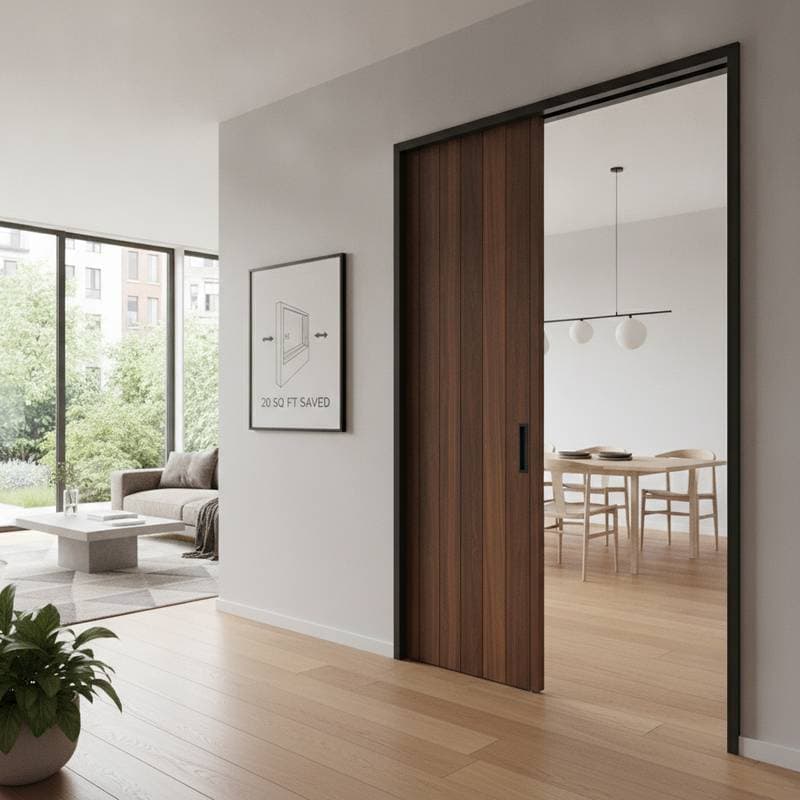
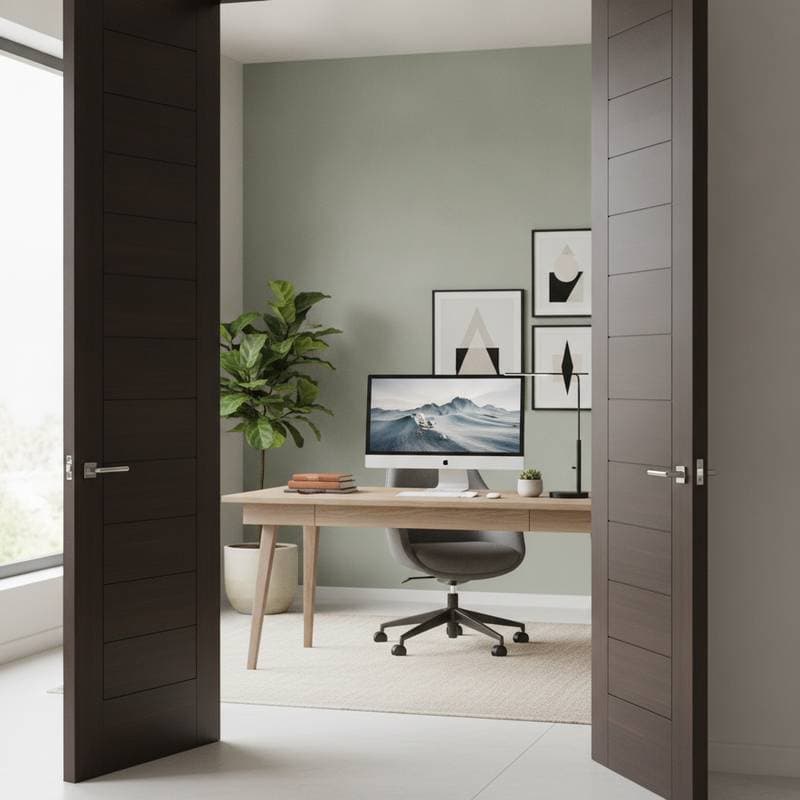
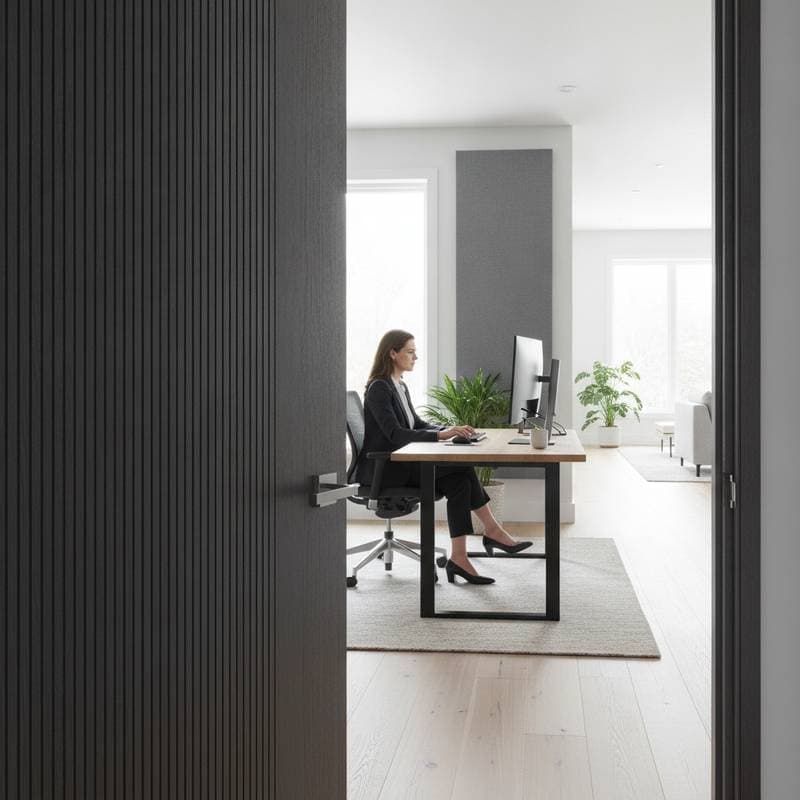
The current movement in interior design favors flexibility. Homes are reconfigured for hybrid lifestyles, combining work, rest, and recreation in shared spaces. Accordion doors allow visual and functional separation without permanently dividing a room. They can close off a home office, create a guest area, or hide storage zones behind an attractive surface. Their minimal footprint makes them ideal for smaller homes or apartments where every inch matters.
Beyond function, new materials and finishes let them blend into any interior style, from minimalist to rustic or coastal. Select panels that match your room's scale to avoid overwhelming the space. For instance, in a compact kitchen, opt for panels no wider than 8 feet to ensure smooth operation.
Three Ways to Get This Look
Save Approach ($300 - $900)
Choose PVC or lightweight composite panels with a simple matte white or light oak finish. These materials are affordable, easy to clean, and moisture resistant, making them suitable for laundry areas, closets, or smaller rooms. Install pre-assembled kits and opt for manual operation rather than track lighting or integrated locks. Keep the width under standard door dimensions to minimize custom fabrication costs.
Invest in quality hardware for the biggest impact. Smooth tracks and reliable hinges make a noticeable difference in everyday use and longevity. Test the hardware's glide on a sample before purchase to confirm ease of movement.
Mid-Range Approach ($900 - $2,500)
Use engineered wood cores with veneer or laminated surfaces. Choose natural tones like walnut, maple, or painted finishes that coordinate with flooring or trim. These provide a more refined look while staying within budget.
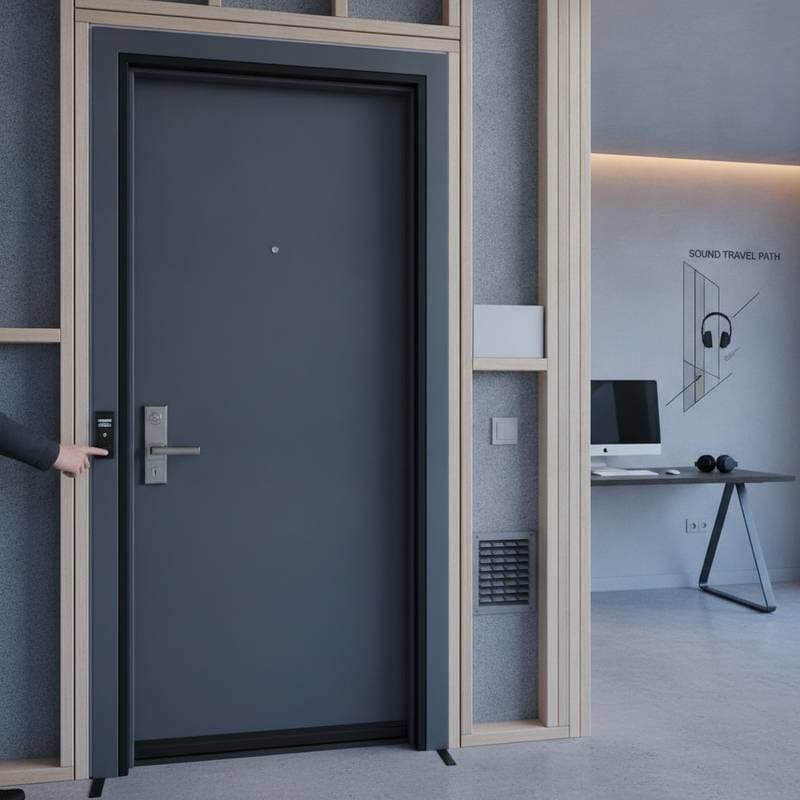
Look for acoustic-rated models that help dampen sound between spaces. Soft-close mechanisms and flush handles improve usability and prevent wear. Add vertical glass inserts or frosted panels to bring in light while maintaining privacy. This detail can elevate the door's presence and enhance room brightness.
Measure the opening precisely and add 1-2 inches for overlap to ensure a secure fit. Consult a supplier for sound transmission class (STC) ratings above 20 for noticeable noise reduction.
Invest Approach ($2,500 - $6,000)
Opt for solid hardwood or aluminum-framed panels with glass inlays. Finishes such as black matte or brushed bronze hardware add a tailored feel. High-end models can include integrated blinds or smart-lock systems for modern convenience.
Custom sizing allows the door to align perfectly with architectural proportions. Consider full-height installations that run from floor to ceiling for a dramatic effect. Premium doors are built to withstand frequent use, resist warping, and offer easier maintenance over time. They also contribute to resale value by presenting a polished, versatile interior feature.
Evaluate warranties for at least 10 years on structural components. Pair with automated controls if your home features smart systems for seamless integration.
Material and Finish Guide
Windows
When coordinating accordion doors with windows, choose matching frame colors. Black or bronze aluminum complements modern interiors, while white or natural wood tones pair well with classic or coastal styles. Keep window treatments minimal to maintain visual flow. Align the door's frame depth with window casings for a unified appearance.
Doors
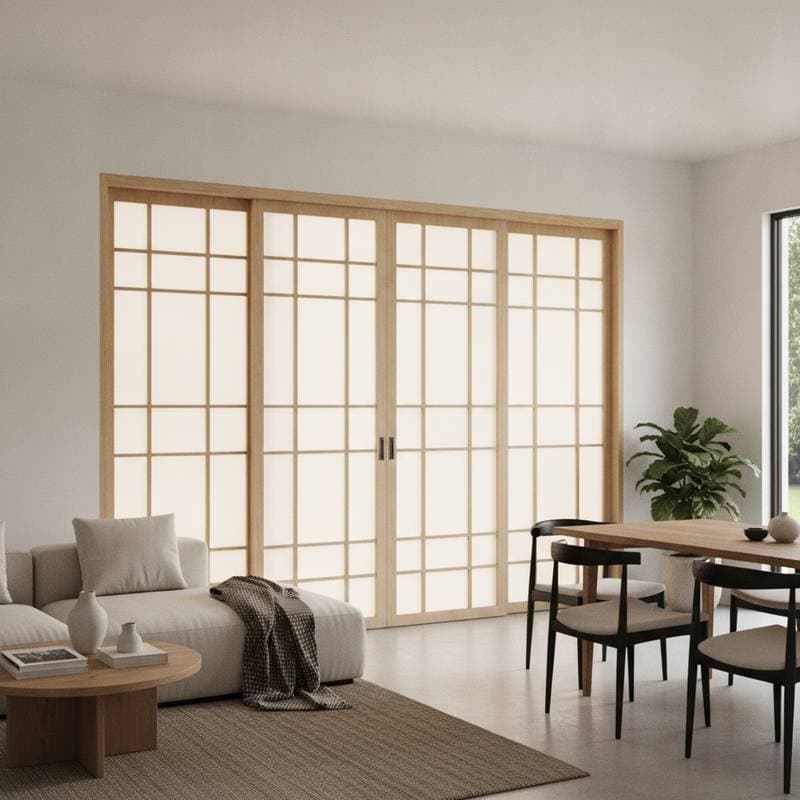
For cohesive design, repeat materials between doors and nearby cabinetry or trim. Glass-paneled accordion doors suit rooms that need light diffusion, while solid wood or composite versions fit private spaces. Select hinge styles that match existing doors to create continuity.
Siding (Interior Paneling)
If used near paneled walls or accent cladding, align the door's color and texture for a seamless look. Vertical grain or shiplap siding enhances the linear rhythm of folding panels. Test texture samples against your wall finish under room lighting to verify harmony.
Trim and Accents
Use coordinating baseboards and frame moldings in complementary finishes. Matte black or brushed nickel hardware pairs well with most modern palettes. For traditional interiors, aged brass or warm bronze adds character. Apply a consistent sheen level across all elements to avoid visual clashes.
Maintenance Reality Check
Accordion doors require minimal upkeep when chosen correctly. Composite and PVC models need only a quick wipe with a damp cloth to remove dust or fingerprints. Wood veneer or solid wood versions should be treated with non-abrasive polish to preserve finish and color. For glass inserts, use a mild cleaner to avoid streaks.
Check tracks periodically to keep them free of debris and lubricate with silicone spray for smooth operation. Humidity can affect natural materials, so in areas like bathrooms or kitchens, moisture-resistant finishes are essential. Metal-framed designs offer stability in changing temperatures, while composite cores resist swelling. Annual inspection of hinges and rollers prevents small issues from becoming costly repairs.
Schedule a seasonal review: Vacuum tracks, tighten screws, and inspect for wear. This routine extends the door's lifespan by up to 50 percent.
Avoid These Mistakes
Ignoring proportion can overwhelm small rooms. Measure the wall span and ceiling height carefully before ordering custom doors. For tight spaces, narrower panels create smoother folds and easier movement.
Choosing style over practicality may compromise function. A fully glazed accordion door might look stunning but may not provide the privacy needed for bedrooms or offices. Match transparency levels to function, such as using opaque panels for sleeping areas.
Skipping hardware quality leads to quick wear. Low-grade tracks and hinges cause squeaks and uneven folding. Always test operation before final installation.
Underestimating maintenance shows in high-traffic areas. High-gloss finishes show fingerprints easily. If the door is in a high-traffic area, select a matte or satin surface that hides smudges.
Poor color coordination makes the space look disjointed. Mismatched tones between the accordion door and surrounding trim disrupt flow. Sample finishes in natural and artificial light before committing.
Color and Style Coordination
A well-chosen palette ensures that accordion doors enhance the room rather than distract from it. Consider these combinations for a cohesive look:
- Natural Warmth: Honey oak, cream white, and brushed brass. Perfect for cozy interiors with wood accents and neutral textiles.
- Modern Contrast: Charcoal gray, crisp white, and black matte hardware. This combination works well in minimalist spaces with clean lines.
- Coastal Calm: Soft blue-gray, driftwood, and polished nickel. Ideal for light-filled rooms that emphasize relaxation and airiness.
- Urban Edge: Graphite, walnut, and bronze. Pairs well with industrial materials like concrete or exposed brick.
- Classic Neutral: Taupe, ivory, and satin silver. A timeless option that fits transitional interiors.
When planning a remodel, coordinate door finishes with flooring and wall tones. Consistent undertones across materials create balance and visual harmony. Use color swatches from the same manufacturer to ensure accurate matching.
Planning Photography Checklist
Before beginning any purchase or installation, document your current space thoroughly. Photos will help you compare color samples, visualize scale, and share accurate details with contractors.
Capture these images:
- Wide shots of the entire room from multiple angles
- Close-ups of existing trim, flooring, and window frames
- Any architectural details that may affect door placement, such as beams or vents
- Lighting conditions during daylight and evening hours
Record these details:
- Approximate room dimensions and ceiling height
- Architectural style and existing design features
- Neighborhood or building requirements that may restrict modifications
- Climate factors like humidity or temperature variation
- Budget categories and areas of priority, such as sound insulation or design impact
Organizing this information early prevents costly changes later and ensures that every design choice supports your overall vision. Digitize photos and notes in a shared folder for easy access during consultations.
Integrating Accordion Doors for Lasting Versatility
Accordion doors blend modern efficiency with timeless adaptability. They allow spaces to evolve as household needs change and bring a sense of order to open layouts. Whether used to divide a large room, conceal storage, or provide flexible privacy, they deliver both style and substance.
Choosing the right materials, finishes, and hardware ensures that the result feels intentional and lasting. From entry-level kits to custom installations, there is an option for every home and budget. Success lies in balancing design ambition with realistic maintenance and performance expectations. When installed thoughtfully, accordion doors transform interiors into dynamic, functional spaces ready to meet the demands of modern living.