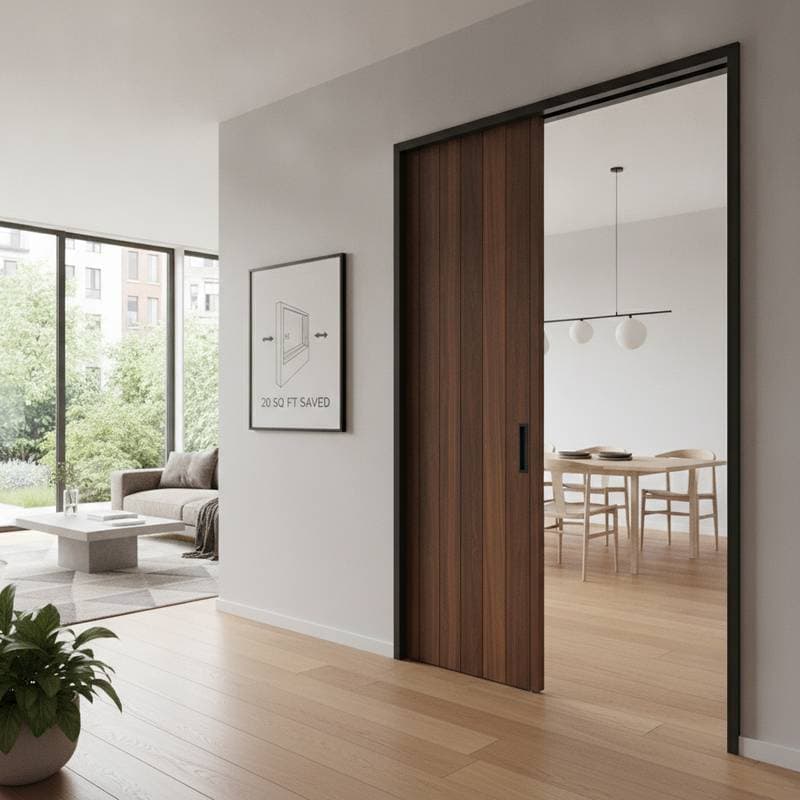
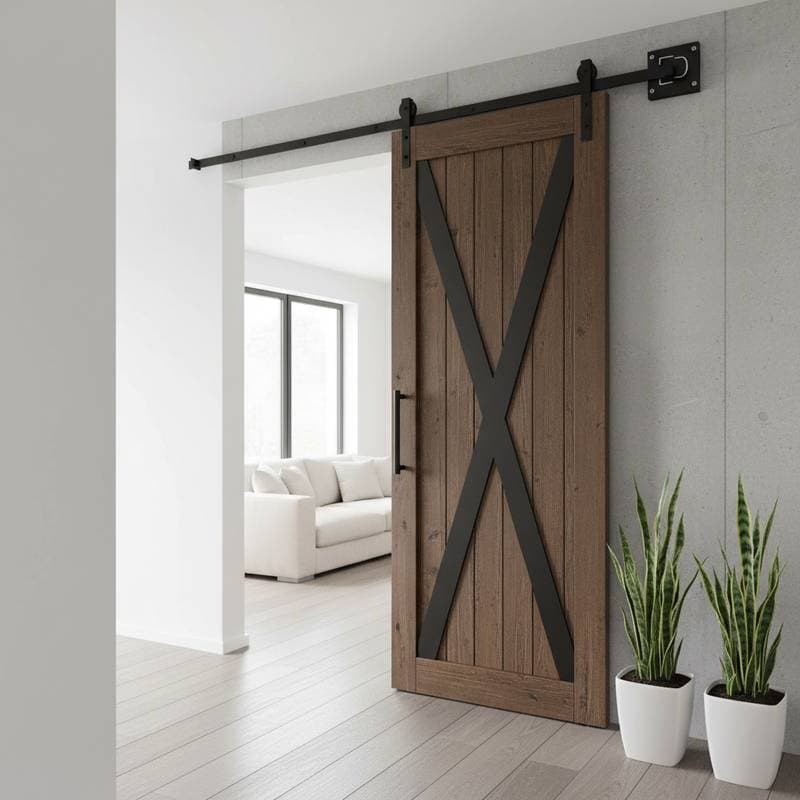
Understanding Barn Door Failures and the Rise of Soft-Close Systems in 2025
Barn doors continue to captivate homeowners with their blend of rustic character and practical space-saving design. These sliding features complement both modern open layouts and traditional spaces effectively. However, the initial allure frequently diminishes when doors slam forcefully, drift unexpectedly, or shift out of alignment, leading to ongoing frustration.
Soft-close mechanisms emerge as the definitive advancement shaping home interiors in 2025. These systems mitigate wear on doors, eliminate jarring noises, and provide a more secure, effortless operation. Before purchasing a new barn door or retrofitting an existing one, gain insight into the root causes of conventional failures and the protective advantages of soft-close hardware.
Common Causes of Barn Door Malfunctions
Multiple mechanical and external elements lead to barn door issues. Recognizing these factors enables informed decisions on hardware selection and upkeep strategies.
Uneven Track Mounting
An unlevel track allows gravity to influence the door's position, drawing it open or shut continuously. This persistent motion exerts undue stress on rollers and supports. A misalignment as minor as one-eighth of an inch initiates gradual component fatigue.
Inferior Roller Quality
Budget barn door sets frequently incorporate nylon or plastic rollers that deteriorate rapidly with regular use. Degraded rollers result in irregular movement, heightened friction, and increased operational sounds.
Absence of Closing Controls
Without integrated stops or dampers, doors collide harshly against terminal brackets. Such repeated forces loosen fasteners and compromise both the door structure and adjacent wall elements.
Inadequate Weight Handling
Doors exceeding the track's capacity overload the entire assembly. Substantial solid wood panels demand robust steel components rated for a minimum of 200 pounds. Systems below this threshold succumb to failure prematurely.
Fluctuations in Environmental Conditions
Variations in humidity and temperature prompt wood doors to swell or shrink. Consequently, doors bind or scrape against the track, accelerating wear on rollers and rails.
These challenges often intersect, prompting owners to assume systemic flaws. In truth, most problems stem from flawed setup or inadequate materials. Soft-close integrations directly counteract several of these vulnerabilities.
Financial Breakdown: Standard Systems Versus Soft-Close Options
The price gap between basic and soft-close configurations has diminished, broadening accessibility for enhancements. Although initial expenses appear elevated, reduced repair needs and enhanced resilience typically recoup investments within initial years.
| System Type | Average Material Cost | Typical Labor Cost | Total Installed Cost | Maintenance Frequency |
|---|---|---|---|---|
| Standard sliding | $200 to $600 | $150 to $400 | $350 to $1,000 | Every 6 to 12 months |
| Soft-close sliding | $300 to $800 | $200 to $450 | $500 to $1,250 | Every 12 to 24 months |
Premium elements in soft-close setups, such as advanced rollers, fortified rails, and strengthened mounts, resist deformation under pressure. Individuals valuing serene functionality and sustained performance deem the modest premium justified.
Selecting Optimal Soft-Close Components
The ideal soft-close kit aligns with door composition, mass, and placement specifics. Consider these elements to evaluate available choices effectively.
Capacity for Weight
Verify the hardware's upper weight limit meticulously. A 36-inch solid oak panel might surpass 120 pounds, whereas a hollow-core variant stays under 50 pounds. Select kits exceeding the door's weight by at least 25 percent for safety margins.
Rail Composition and Coating
Steel rails deliver unmatched durability and steadiness. Aluminum alternatives prove lighter and more resistant to rust, ideal for moisture-prone zones like bathrooms. Powder-coated surfaces enhance longevity and coordinate with diverse interior motifs, from rustic to sleek.
Wheel Configuration
Opt for ball-bearing wheels over basic nylon variants for superior glide. Sealed designs repel dust and particles, preserving hushed performance across extended periods.
Attachment Method
Overhead mounts secure to the door's upper edge for a streamlined appearance. Frontal mounts display hangers visibly, contributing ornamental interest. Both configurations accommodate soft-close features, leaving visual preference as the primary guide.
Integration Potential
Soft-close add-ons may not suit all rail types. For existing installations, validate brand compatibility or opt for comprehensive replacements to optimize outcomes.
Guidelines for Effective Installation
Experienced individuals can handle soft-close barn door setup, yet exactitude remains essential. Minor offsets hinder damper activation properly.
- Align the rail precisely with a reliable laser level, confirming evenness at both extremities.
- Anchor the rail to structural studs or a solid header to balance load distribution.
- Place terminal buffers to trigger the soft-close function approximately two inches prior to full closure.
- Calibrate spring or hydraulic resistance for fluid travel devoid of rebounds.
- Cycle the door multiple times to confirm uniform action and complete damper involvement.
Expert services generally span two to three hours per unit, varying by surface preparation and panel mass. Contractor fees range from $200 to $450 per door, guaranteeing accurate setup and tuning.
Upkeep Strategies for Extended Durability
Soft-close barn doors demand far less attention than traditional counterparts. Periodic evaluations sustain peak efficiency.
- Examine wheels biannually, removing accumulations and applying silicone lubricant as required.
- Assess rail positioning yearly, securing all fasteners and supports.
- Clear dampers and latches of residues that might impede function.
- Refresh wood coatings periodically to shield against moisture and abrasion.
With diligent care, superior soft-close assemblies endure beyond ten years absent significant interventions. Fluid or elastic parts seldom malfunction barring severe exposure or mishandling.
Emerging Styles Amplifying Soft-Close Adoption
Beyond utility, soft-close enhancements resonate with demands for tranquil, uninterrupted domestic spaces. Design evolutions favor uncluttered, expansive floor plans where acoustic management and graceful transitions hold significance.
Property owners pair barn doors with contemporary accents like matte black fittings, satin nickel accents, or hybrid textures. These systems adapt seamlessly, enabling hefty salvaged timber or transparent panels to operate as effortlessly as slender frames.
Upgrading Your Space with Soft-Close Precision
Transitioning to soft-close barn doors elevates daily convenience while preserving aesthetic integrity. Evaluate current setups against outlined criteria to identify upgrade opportunities. Professional consultations or targeted kits ensure seamless integration, yielding quieter, more reliable interiors that endure.