Zellige Tiles: Handcrafted Entryway Trend for 2026
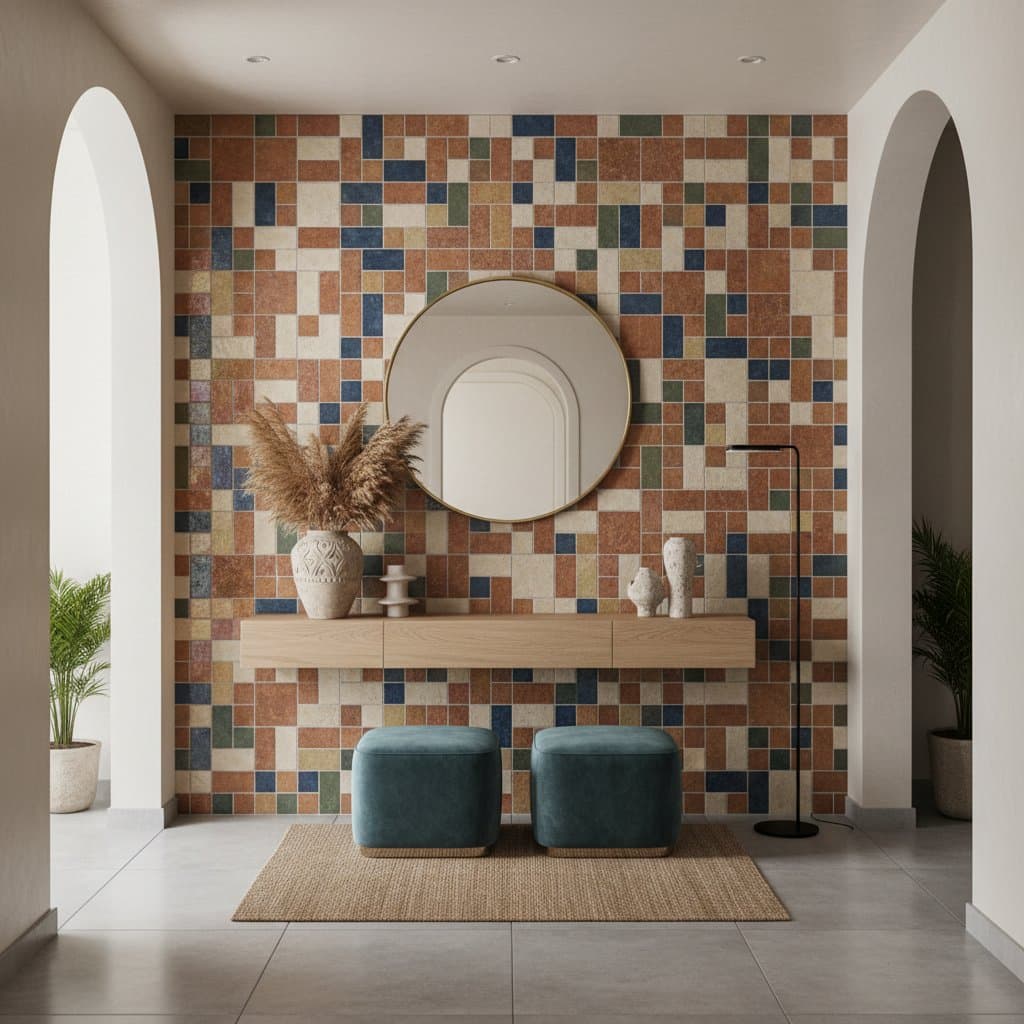
Zellige tiles transition from niche design publications to everyday residences, drawing interest through their textured surfaces, subtle irregularities, and vibrant color variations. These traditional Moroccan tiles, formed and glazed individually by skilled artisans, introduce a level of handmade quality that stands apart from standardized factory products. In entryways, they deliver visual warmth and artistic detail that establish an immediate impression for the home. This trend appeals to residents seeking personality over mere aesthetics, along with materials that convey history and origin.
The rise of Zellige tiles extends beyond sentimental value. Their uneven surfaces interact with light across the day, producing gentle changes that infuse compact areas with energy and vitality. Designers apply these tiles to floors, feature walls, or integrated elements alongside windows, doors, and exterior siding, adding layers and genuineness to contemporary spaces.
Three Ways to Achieve This Design
Budget-Friendly Option ($2,000 - $4,000)
- Select porcelain tiles that replicate Zellige appearance instead of genuine handmade clay versions. Multiple brands offer replicas with simulated irregular glazes, facilitating simpler setup and reduced expense.
- Concentrate the tiles in prominent zones, like a compact foyer or stair edges, while maintaining neutral tones on surrounding areas.
- Retain current entry doors and windows, but apply a fresh coat in a matching matte shade such as warm taupe or charcoal to accentuate the tiles' luster.
Moderate Investment ($5,000 - $9,000)
- Install real Zellige tiles on key walls combined with cost-effective porcelain flooring. This combination preserves depth while controlling costs.
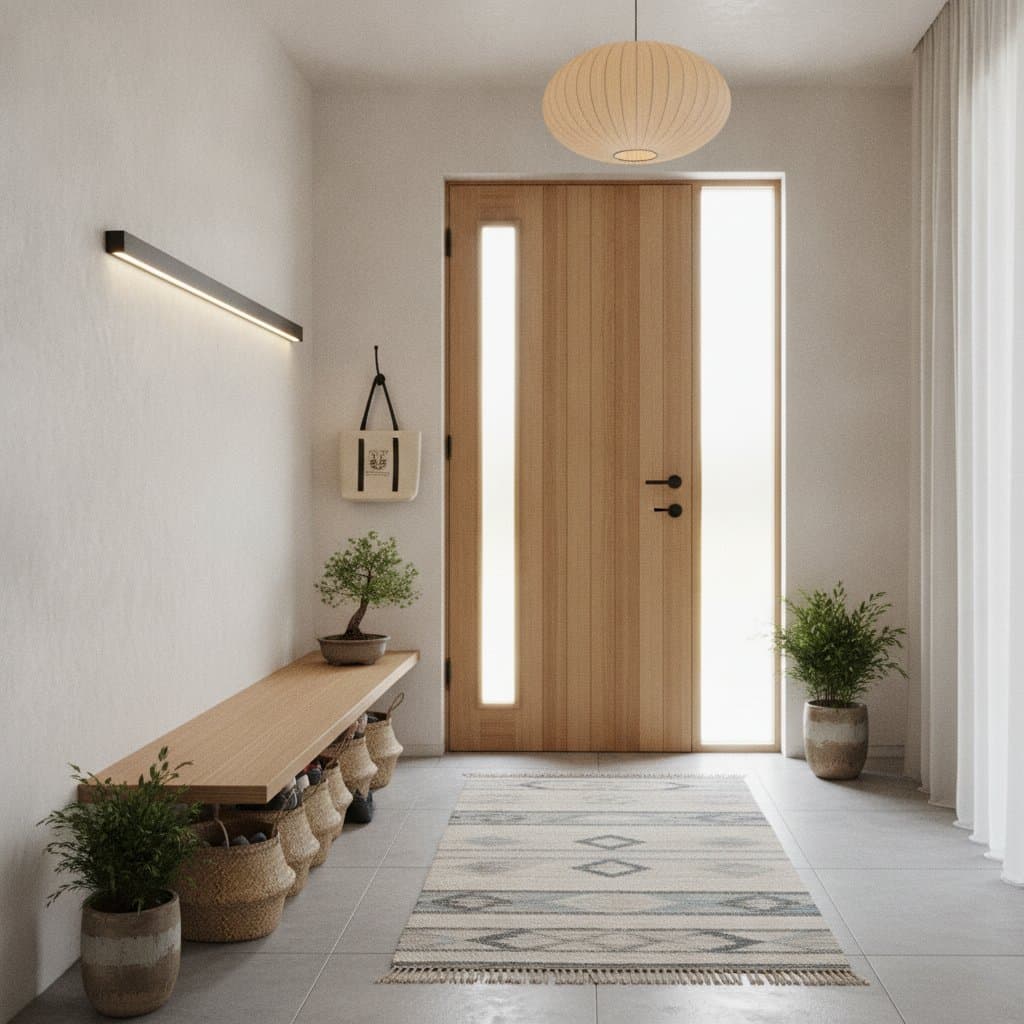
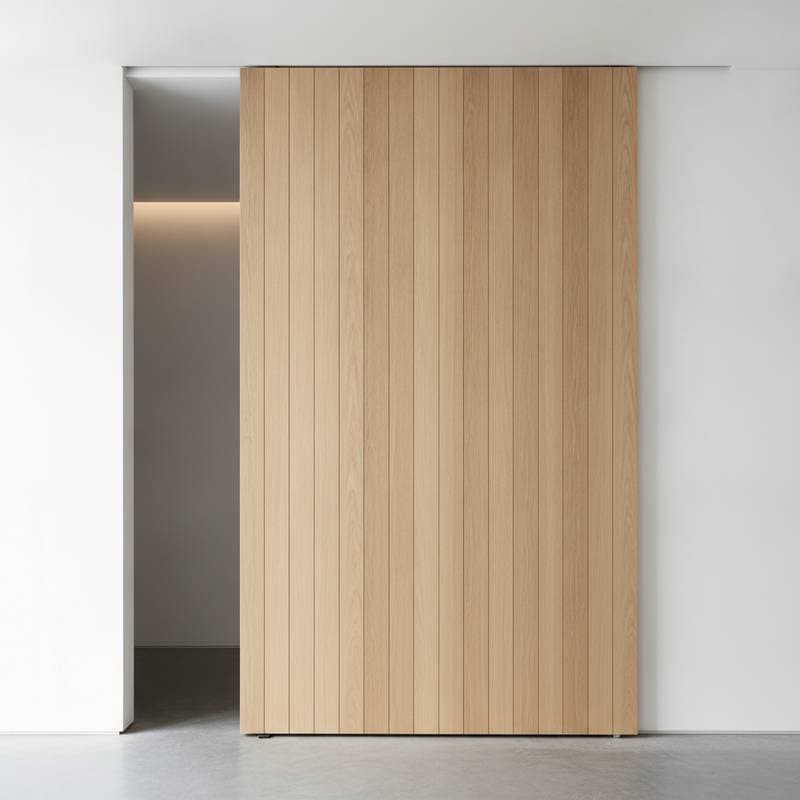
- Upgrade entry doors to solid or engineered wood finished with a natural stain that aligns with the tiles' natural hues.
- Select window trim in a gentle off-white or clay shade to harmonize with the artisanal quality.
Premium Investment ($10,000 - $18,000)
- Incorporate authentic Moroccan Zellige across the entryway floor and select wall sections for a unified, striking effect.
- Match with a bespoke wood door equipped with hand-forged hardware or brass accents that reflect the tiles' subtle metallic hints.
- Substitute basic windows with steel or black aluminum frames to introduce modern edges against the tiles' rustic character.
Material and Finish Recommendations
- Windows: Narrow black or bronze frames provide bold contrast to the tiles' natural texture. Divided-light designs mimic the tiles' geometric flow. For gentler aesthetics, choose wood-clad options in oak or walnut finishes.
- Doors: Entry doors in wood with pronounced grain amplify the handmade vibe. Stains in honey, mahogany, or ash gray coordinate with tile palettes. Incorporate hardware in aged brass or matte black for polished detailing.
- Siding: Smooth stucco or limewash aligns with the tiles' organic variations. In variable weather zones, fiber cement panels in neutral tones like sand, cream, or fog gray offer longevity and compatibility.
- Trim and Accents: Employ straightforward wood or composite trim in a tone slightly brighter than the siding. Introduce a Moroccan-inspired curved molding around windows or door frames for understated flair.
Maintenance Considerations
Authentic Zellige tiles demand greater upkeep than porcelain or ceramic substitutes. The porous clay foundation requires thorough sealing to guard against moisture and discoloration. In entryways exposed to tracked-in soil and water, reseal every few years to sustain the glaze and durability. Opt for mild cleaning with pH-neutral solutions to protect the finish.
Porcelain versions require minimal effort. They withstand scratches and eliminate the need for sealing. Residents desiring the aesthetic with reduced maintenance find these alternatives reliable. Pairing such tiles with wood doors involves selecting finishes that resist wear from daily traffic.
Common Pitfalls to Avoid
- Excessive Finish Variety: Glossy tiles alongside high-sheen doors create clutter. Balance Zellige's shine with matte or satin elements in other areas.
- Amateur Installation: Authentic Zellige's jagged edges demand expert handling. Uneven grout lines contribute to the appeal, but poor execution appears haphazard. Engage a qualified tile professional to achieve deliberate patterning.
- Neglecting Environmental Factors: Limit Zellige to interior use in freeze-thaw areas. For sheltered exterior entryways, verify exterior ratings or default to porcelain for resilience against fluctuations.
Aligning Colors and Styles
Zellige's allure stems from its inherent inconsistencies. One hue typically encompasses multiple tones, yielding a luminous quality. Success depends on selecting supportive materials that enhance rather than rival this nuance.
Recommended Color Options:
- Olive Green: Grounded and vibrant, it suits natural wood doors and brass fittings.
- Bone White: Maximizes light reflection, perfect for confined entryways.
- Cobalt Blue: Assertive and classic, it pairs with gray siding and black frames.
- Terracotta: Cozy and approachable, it matches walnut or oak doors.
- Soft Gray: Versatile neutral that stabilizes the tiles' dynamic shifts.
Anchor with a primary tile color and echo its nuances in nearby components. Terracotta Zellige alongside a honey-stained door and cream trim fosters Mediterranean cohesion. Cobalt tiles with dark siding and metal windows suggest modern international flair.
Integrating Textures
Texture defines the Zellige aesthetic. Pair it with sleek walls, grainy wood doors, and subdued metal accents to offset the glossy unevenness. Effective pairings include:
- Polished tiles with brushed metal hardware.
- Shiny tiles against matte limewash surfaces.
- Varied tile textures with flat stucco or painted siding.
Adapting to Climate and Materials
Zellige's artisanal essence suits sheltered or mild settings. In high-humidity zones, incorporate ventilation to prevent condensation behind tiles. Colder regions favor porcelain for floor resilience. Coastal properties require rust-proof hardware and fade-resistant coatings for tiles and wood.
For siding near tiled zones, fiber cement or engineered wood resists dampness and distortion. Wood doors in challenging conditions gain from marine-grade sealants or composite alternatives that replicate grain while enduring exposure.
Preparation and Visualization Guide
Document current features meticulously before finalizing choices. Thorough preparation prevents mismatches and promotes unity.
Initial Planning Steps:
- Capture detailed photos of the entryway from various perspectives, including magnified views of doors and windows.
- Assess the home's architectural character to integrate updates seamlessly.
- Review local regulations or association rules on colors and materials.
- Evaluate local weather influences on tile and wood longevity.
- Define budget limits and rank priorities, such as genuine tiles over door enhancements.
Lighting Evaluation:
Zellige excels in natural illumination. Photograph daylight entry at different times to gauge tile shade suitability. In low-light spaces, incorporate warm artificial sources to accentuate depth.
Realizing the Design Vision
Zellige tiles align with the current emphasis on customized, sensory experiences. They elevate entryways into showcases of skill, integrated with functional choices. Begin modestly with a tiled entry strip or wall feature, or pursue comprehensive coverage with tailored wood doors and matching windows.
Affordable endeavors mix real and simulated materials effectively. Luxury projects allow for complex motifs and custom details. Thoughtful execution merges historical technique with current demands, yielding spaces that feel organic, hospitable, and lasting.
Zellige tiles demonstrate that flaws enhance beauty. Each tile bears the artisan's imprint, forming lively, unique planes. In entryways, this authenticity establishes an inviting prelude to the home, adaptable to modern, seaside, or classic preferences through grounded, expressive foundations.