Japandi Entryways: Minimalist Warmth Redefined in 2026
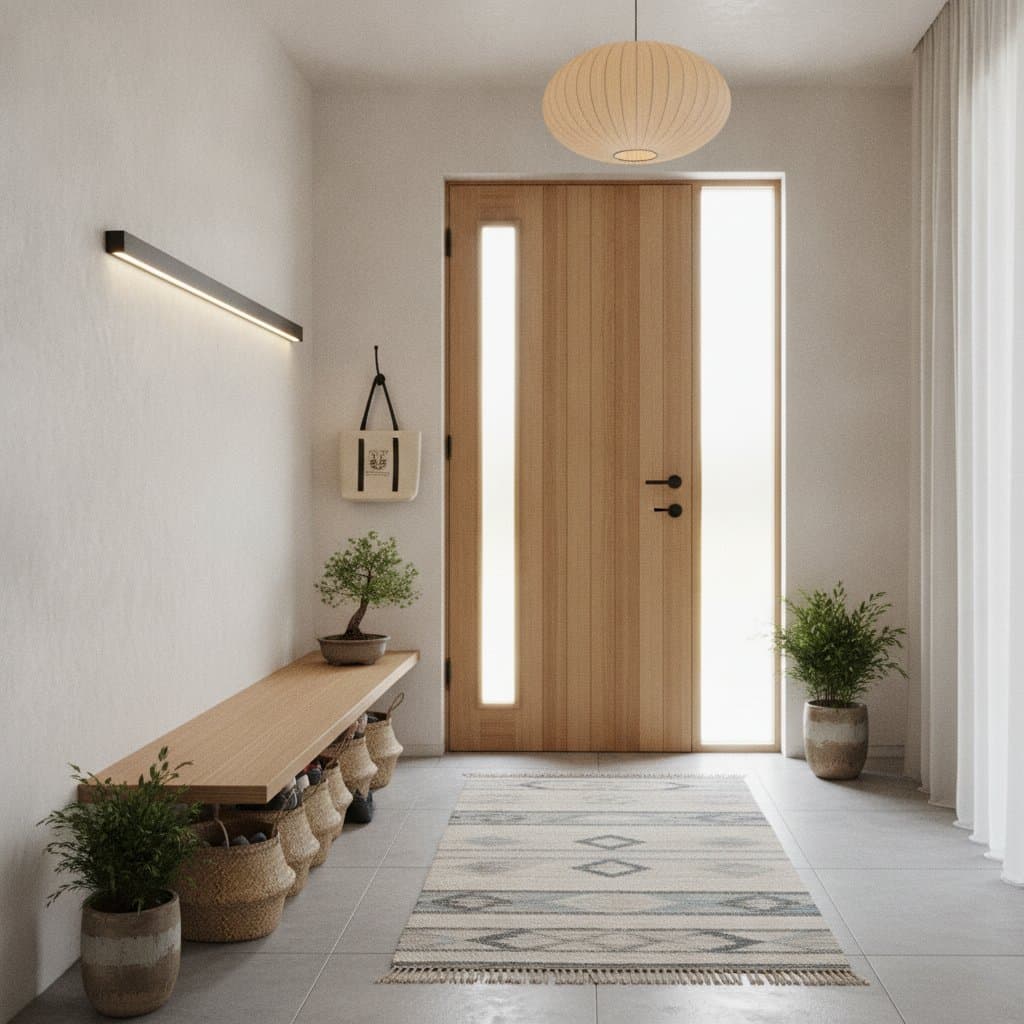
The Japandi style evolves as one of the most balanced design movements for home exteriors and entryways. This approach merges the calm simplicity of Japanese minimalism with the cozy natural textures of Scandinavian design. The result produces entrances that feel serene yet welcoming, structured yet soft. Homeowners who select this style value its capacity to foster emotional calm upon first approach.
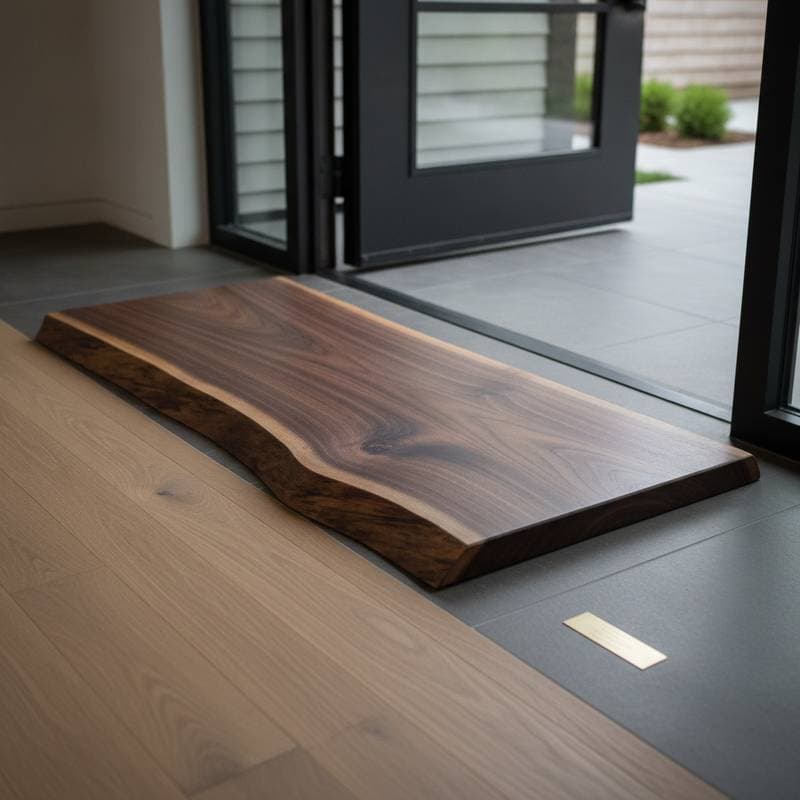
True Japandi design avoids stark minimalism. Instead, it honors craftsmanship, texture, and honest materials. The objective remains to craft a quietly impressive entryway that appears lived in rather than cold. Natural wood, muted color palettes, and subtle contrasts between matte and soft reflective surfaces characterize the modern Japandi exterior.
Three Ways to Achieve This Look
Budget Approach ($2,000 - $5,000)
- Material choices: Select engineered wood-look siding or fiber cement panels in warm neutral tones, such as soft beige or light greige. Pair these with insulated fiberglass doors that feature smooth surfaces and minimalist hardware in matte black.
- Cost-saving techniques: Maintain simple door and window layouts. Preserve existing trim profiles, but repaint them in matching tones to achieve a uniform effect.
- Areas to invest: Allocate funds for quality lighting fixtures that provide soft illumination. A single statement light in brushed nickel or black elevates the entry appearance without straining the budget.
Mid-Range Approach ($6,000 - $12,000)
- Balanced material selections: Integrate vertical cedar cladding near the entry with smooth stucco or fiber cement panels. Incorporate double-pane aluminum-clad wood windows in natural or black finishes to create a sleek profile.
- Performance upgrades that matter: Choose thermally broken frames for windows and add weather-resistant seals to doors. These enhancements improve insulation while preserving the clean lines of the design.
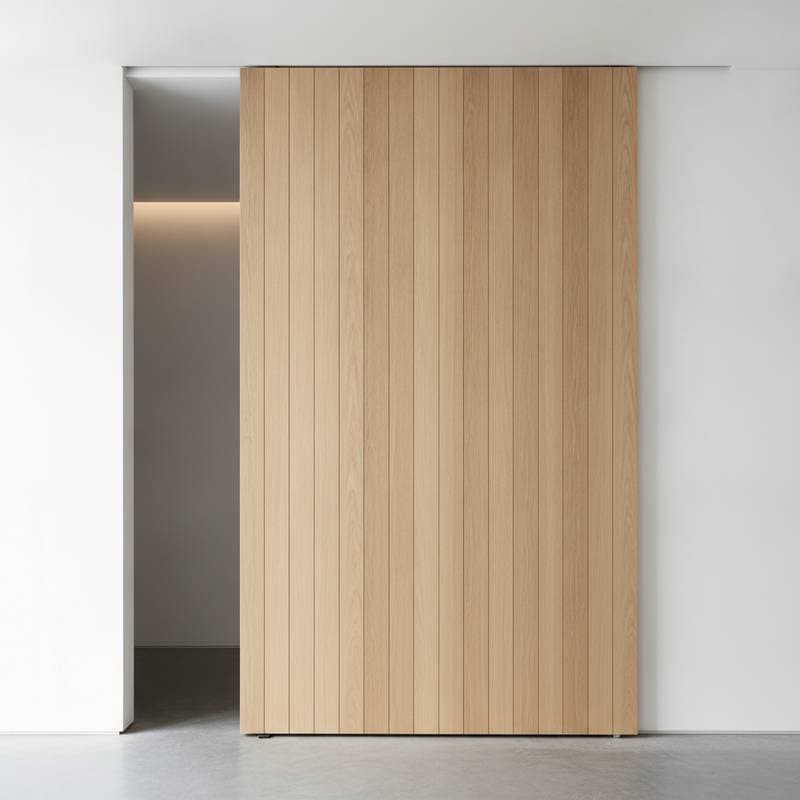
- Design elements worth the investment: Select a simple pivot or flush-panel door in light oak veneer. Include minimalist house numbers crafted from brushed steel to ensure a cohesive finish.
Premium Approach ($13,000 - $25,000)
- Premium material choices: Employ solid wood doors with natural oil finishes, architectural steel frames around windows, and sustainably sourced cedar or Accoya siding.
- High-end design details: Incorporate concealed hinges, custom recessed lighting, and integrated planters made from natural stone or concrete.
- Long-term value considerations: These materials age gracefully and demand minimal replacement, which aligns with the Japandi philosophy of enduring beauty and sustainability.
Material and Finish Guide
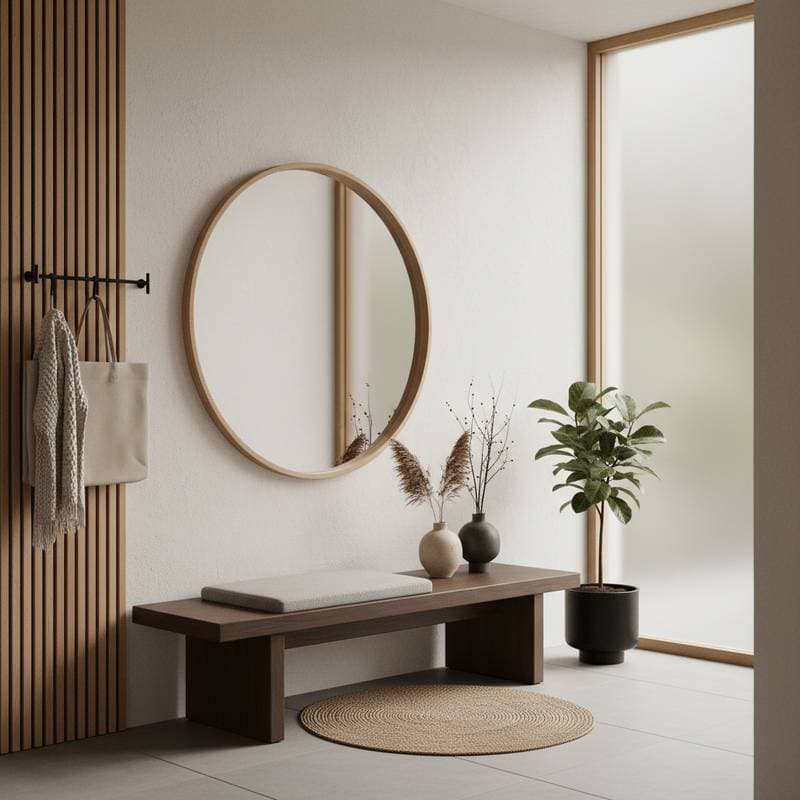
- Windows: Opt for slim profiles and large glass areas that allow light to enter while ensuring privacy through frosted or ribbed textures. Black or bronze frames complement neutral siding. For a softer appearance, select light oak or ash tones.
- Doors: Simplicity guides the selection of entry doors. Flush or vertical slat patterns in natural wood finishes convey quiet confidence. In humid or coastal climates, fiberglass doors with woodgrain texture offer durability. Handle finishes such as satin brass or matte black suit both light and dark palettes.
- Siding: The ideal Japandi exterior blends smooth surfaces with organic texture. Vertical tongue-and-groove cedar panels, composite wood-look boards, or fine stucco finishes provide the tactile warmth essential to this style.
- Trim and accents: Use narrow trim that matches the siding color to sustain clean lines. Subtle accents in brushed metal or soft charcoal introduce depth without causing distraction.
Maintenance Considerations
Japandi design appears effortless, yet material selection must prioritize longevity and ease of care. Natural wood benefits from periodic oiling or sealing, which maintains its mellow tone and prevents cracking. Composite siding lowers ongoing maintenance needs and resists moisture, which proves suitable for wetter regions. Metal accents require occasional cleaning to avoid excessive patina buildup, although many homeowners view that natural evolution as an asset to the aesthetic.
For windows, aluminum-clad or vinyl exteriors reduce upkeep requirements. Solid wood frames on the interior side deliver warmth without the vulnerabilities of full wood exteriors. Doors equipped with UV-protected finishes endure sun exposure longer, while fiberglass options replicate wood appearance with considerably less maintenance.
Perform a gentle power wash once or twice annually to keep the entry fresh. Steer clear of high-gloss finishes, as they reveal dust and fingerprints readily. Matte or satin surfaces uphold a consistent look even between cleanings.
Common Pitfalls to Avoid
- Overcomplicating materials: Combining excessive textures or colors disrupts the calm balance at the heart of Japandi style. Limit selections to two or three complementary materials.
- Neglecting natural light: An entryway that remains shaded or dim forfeits the serene glow central to this aesthetic. Incorporate glass panels or sidelights to welcome natural light.
- Budget pitfalls: Allocating substantial funds to exotic wood without accounting for climate exposure risks warping or fading. Prioritize treated or engineered alternatives that withstand time.
- Maintenance oversights: Unsealed natural wood may appear authentic initially but weathers unevenly over time. Apply a breathable finish to preserve the organic appearance while safeguarding the surface.
Color and Style Coordination
A Japandi entryway flourishes through subtle contrast and natural hues. The palette draws from nature while preserving visual clarity.
Suggested Palette:
- Driftwood Gray: This balanced neutral harmonizes with both warm and cool tones.
- Soft Clay: It introduces warmth without dominating adjacent materials.
- Warm Oak: This choice suits doors or accent panels effectively.
- Charcoal Black: It grounds the design through contrast on trim or hardware.
- Linen White: This option delivers clean brightness, particularly on walls or ceilings of covered porches.
Combine matte finishes with natural textures to achieve harmony. For instance, a light wood door framed by dark metal windows generates gentle tension that appears deliberate. Glossy paint or overly polished metal clashes with this style, which prizes imperfection and authenticity.
Planning with Photography
Document the current entryway and surroundings before choosing materials or placing orders. Reference photos assist in evaluating proportion, light, and texture.
- Take wide shots of the entire facade from various angles.
- Capture close-ups of existing materials, trim, and door details.
- Document the architectural style and roofline connections to inform siding transitions.
- Record the neighborhood context and any local design restrictions.
- Evaluate sunlight direction to select finishes that perform optimally under exposure.
- Note landscaping or hardscape elements that affect color coordination.
These images serve as a visual reference when examining samples or consulting designers and contractors. They also reveal opportunities for impactful changes, such as updating hardware or lighting, without necessitating a complete renovation.
Integrating Elements for Lasting Impact
Japandi entryways excel by rendering restraint substantial. Each surface, from siding grain to door handle texture, contributes to overall balance. Allow materials to express their inherent qualities without added ornamentation. Whether through modest updates or comprehensive architectural enhancements, the outcome emerges as natural, uncluttered, and enduring.
Homeowners who establish clear priorities in this style gain both aesthetic appeal and functional benefits. Selecting appropriate material combinations, comprehending maintenance requirements, and aligning subtle color contrasts transform Japandi into more than a temporary trend. It evolves into an invitation for tranquil living, embodied in the home initial impression.