The $800 Clay Handles Revolutionizing Doors in 2026
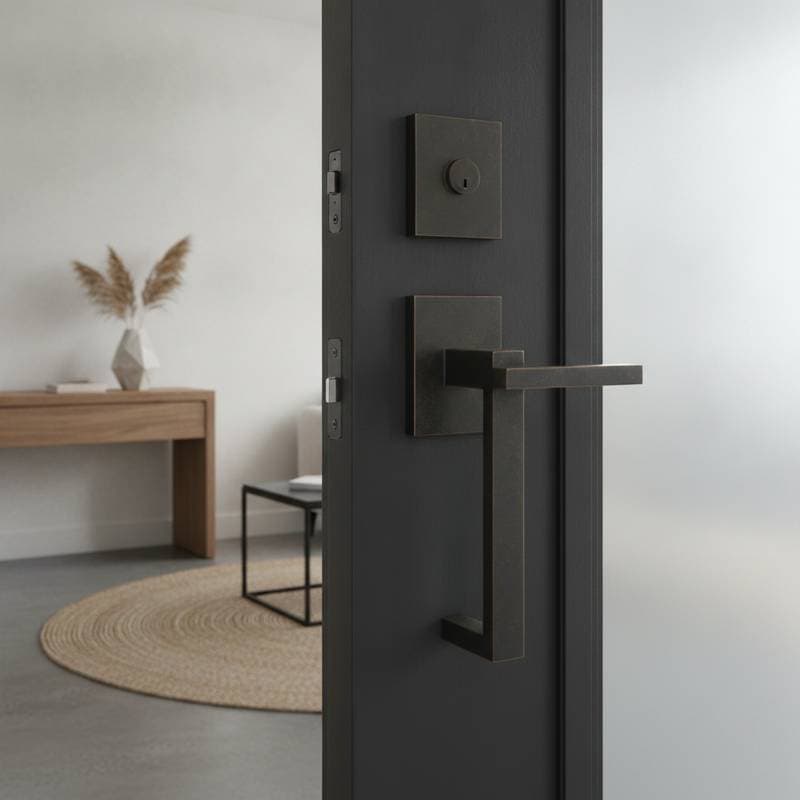
Door hardware serves as one of the most expressive elements in contemporary interior design. In high-end homes, clay door handles priced around $800 per set emerge as a prominent trend for 2026, drawing attention through their tactile warmth, superior artisan quality, and commitment to sustainability. These pieces transcend mere functionality; they function as meticulously handcrafted statements that blend traditional craftsmanship with natural materials and innovative architectural principles.
For those contemplating an upgrade to interior doors, a clear understanding of the unique attributes of clay handles, their pricing factors, and installation expectations proves essential for informed decision-making. This guide explores these aspects in detail, providing practical insights to elevate your home's aesthetic and tactile experience.
What Makes Clay Handles Distinct
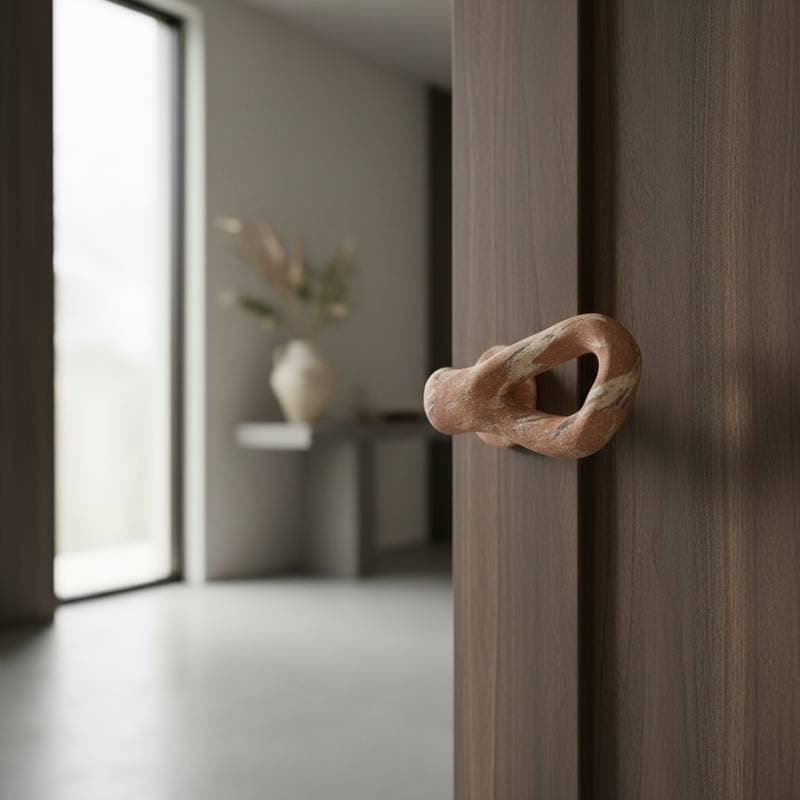
Conventional metal hardware delivers precision and durability, yet it often conveys a sense of cold detachment. Clay handles, by contrast, introduce an inherent warmth that infuses modern interiors with organic character. Subtle variations in color, texture, and form ensure that each handle remains uniquely individual, fostering a personalized touch in any space.
Ceramic artist Lila Moreno, renowned for her high-end clay hardware designed for custom wood doors, observes that clay handles connect the hand to the material in a way metal never could. She highlights how the micro-textures formed during the firing process create a natural grip, offering both comfort and security during daily use. These textures develop from the clay's response to heat, resulting in surfaces that invite touch and enhance user interaction.
Clay handles complement solid wood doors exceptionally well, particularly varieties such as white oak, walnut, and ash. The earthy tones of ceramic juxtaposed against the wood's natural grain produce a harmonious, grounded aesthetic suitable for minimalist environments or those with rustic influences. Designers frequently recommend pairing these handles with doors featuring clean lines to maximize the organic contrast, thereby creating focal points that draw the eye without overwhelming the overall design.
Key Factors Influencing the $800 Price Point
The $800 price tag for a set of clay door handles reflects several elements of premium craftsmanship. Artisans invest significant time in sourcing high-quality, sustainable clay, often from regional deposits that minimize transportation emissions. The hand-forming and firing processes, which can span days, contribute to the cost, as does the application of non-toxic glazes that ensure longevity and visual appeal.
Customization options further elevate the price. Clients may select from a range of finishes, including matte earth tones or subtle metallic accents, tailored to specific door styles. Reputable suppliers, such as those specializing in artisan hardware, incorporate rigorous quality checks, including tests for thermal shock resistance, which add to production expenses but guarantee performance.
Compared to mass-produced alternatives, clay handles offer superior value through their artisanal narrative. Each set carries a story of skilled labor and environmental consideration, appealing to homeowners who prioritize authenticity over uniformity.
Installation Considerations for Clay Handles
The installation of clay handles requires adjustments compared to standard metal fixtures, primarily due to the material's susceptibility to chipping under excessive force. Professionals experienced with ceramic components employ padded tools and apply uniform pressure during assembly to safeguard the integrity of the handles.
A recommended installer possesses knowledge of delicate materials and follows these structured steps:
- Measure and mark the precise location on the door for handle placement, accounting for standard heights between 36 and 42 inches from the floor.
- Drill pilot holes using a bit designed for ceramics to avoid cracks, typically starting with a smaller diameter and enlarging gradually.
- Secure the handle with soft washers and screws, ensuring even torque to distribute stress evenly across the clay.
- Test the handle's alignment and operation, adjusting as needed for seamless latching and smooth rotation.
The entire process generally requires 30 to 45 minutes per door, influenced by the handle's design complexity and the door's thickness. Although DIY attempts appeal to handy homeowners, experts strongly advise professional involvement to prevent damage, especially for intricate installations involving multi-point locking systems.
Ensuring Longevity Through Proper Maintenance
Clay door handles demonstrate remarkable durability when maintained correctly, often enduring for decades in residential settings. Vulnerability arises from abrupt impacts or prolonged exposure to high humidity, which can compromise the glaze. Simple routines preserve their appearance and functionality over time.
Establish these maintenance practices:
- Clean surfaces monthly with a soft, damp cloth to remove dust and fingerprints, followed by immediate drying.
- Steer clear of abrasive cleaners or chemical solvents that could erode the protective glaze.
- Inspect and tighten mounting screws annually to maintain structural stability.
- Shield handles from direct water contact, particularly in humid areas like bathrooms, to avoid seepage into mounting points.
In cases of minor hairline cracks, ceramic epoxy provides an effective repair solution, allowing restoration without full replacement. Individual handles can be swapped out independently, minimizing disruption to the door assembly.
Contractor Joel Ramirez of Artisan Door Installations remarks that most homeowners express surprise at the resilience of high-fired clay. He emphasizes that, with adequate support, these handles match metal counterparts in daily performance while adding a distinctive warmth to the home.
Environmental and Sustainability Advantages
The surge in popularity of clay handles stems partly from their reduced environmental impact. Clay extraction involves less intensive processing than metal mining and smelting, which demand substantial energy and resources. Artisans fire pieces in energy-efficient kilns, often powered by renewable sources, to further lessen the carbon footprint.
Many creators source clay locally and formulate glazes from natural minerals, eliminating harmful chemicals. This approach supports biodiversity by avoiding destructive industrial practices. Homeowners benefit from aligning their upgrades with eco-conscious values, as clay hardware promotes the vitality of small-scale workshops dedicated to ethical production.
Workshops frequently implement recycling protocols, grinding imperfect handles into powder for reuse in fresh batches. This closed-loop system reduces waste and underscores the material's renewability, making clay a forward-thinking choice for sustainable interiors.
Integrating Clay Handles Into Your Home
Transitioning to clay door handles elevates the sensory and visual dynamics of your doors. Begin by assessing your current setup: measure bore hole spacing, typically 2-3/8 or 2-3/4 inches, and verify compatibility with existing latches or locks. Engage an installer versed in ceramics early to address potential customizations.
Source from trusted artisans or specialty retailers who provide warranties and detailed specifications. Consider the overall room palette; earthy clay tones harmonize with neutral walls and wood accents, creating cohesive flow. This investment not only enhances daily interactions but also infuses lasting artistry and sustainability into your living spaces.