Terracotta Hardware: The Essential Door Trend for 2026
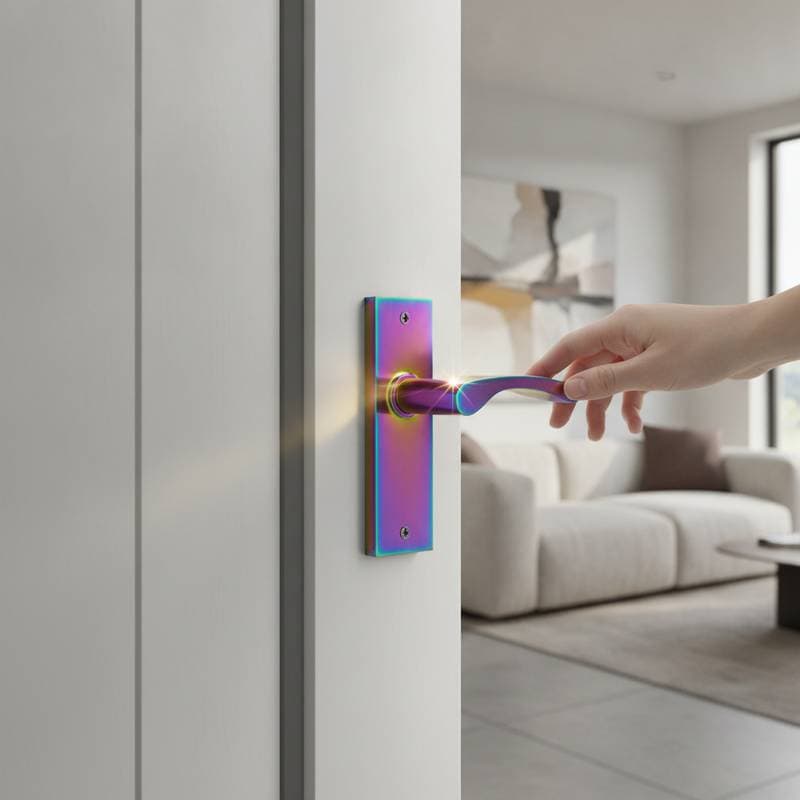
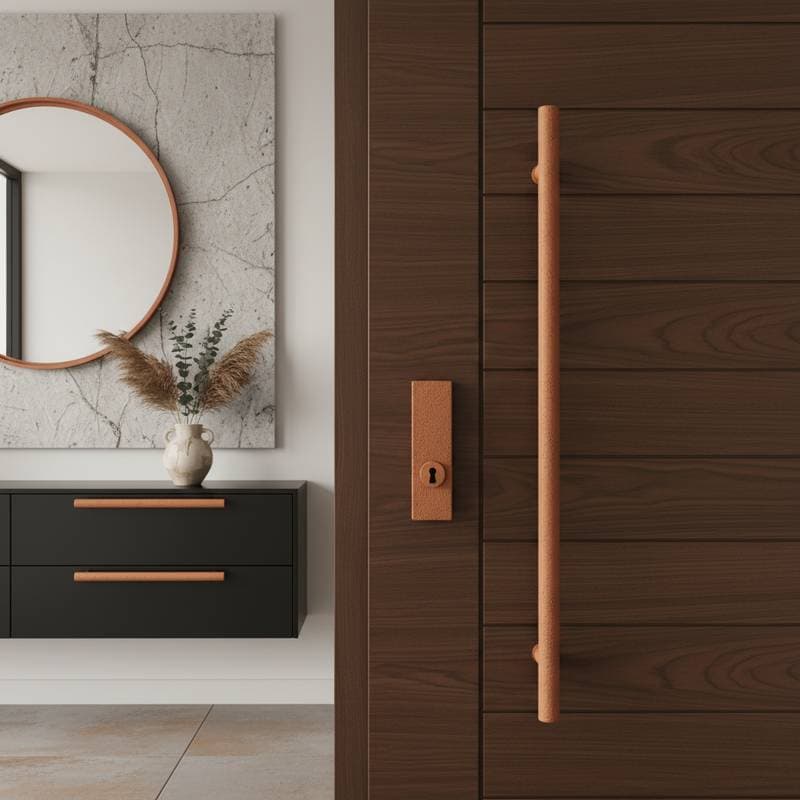
Terracotta enters the realm of interior design beyond traditional tiles and planters. This hardware finish gains prominence among homeowners seeking to infuse warmth and personality into living spaces. Door handles and cabinet pulls in terracotta blend subtle earthy hues with a polished metallic quality, suiting both classic and contemporary environments.
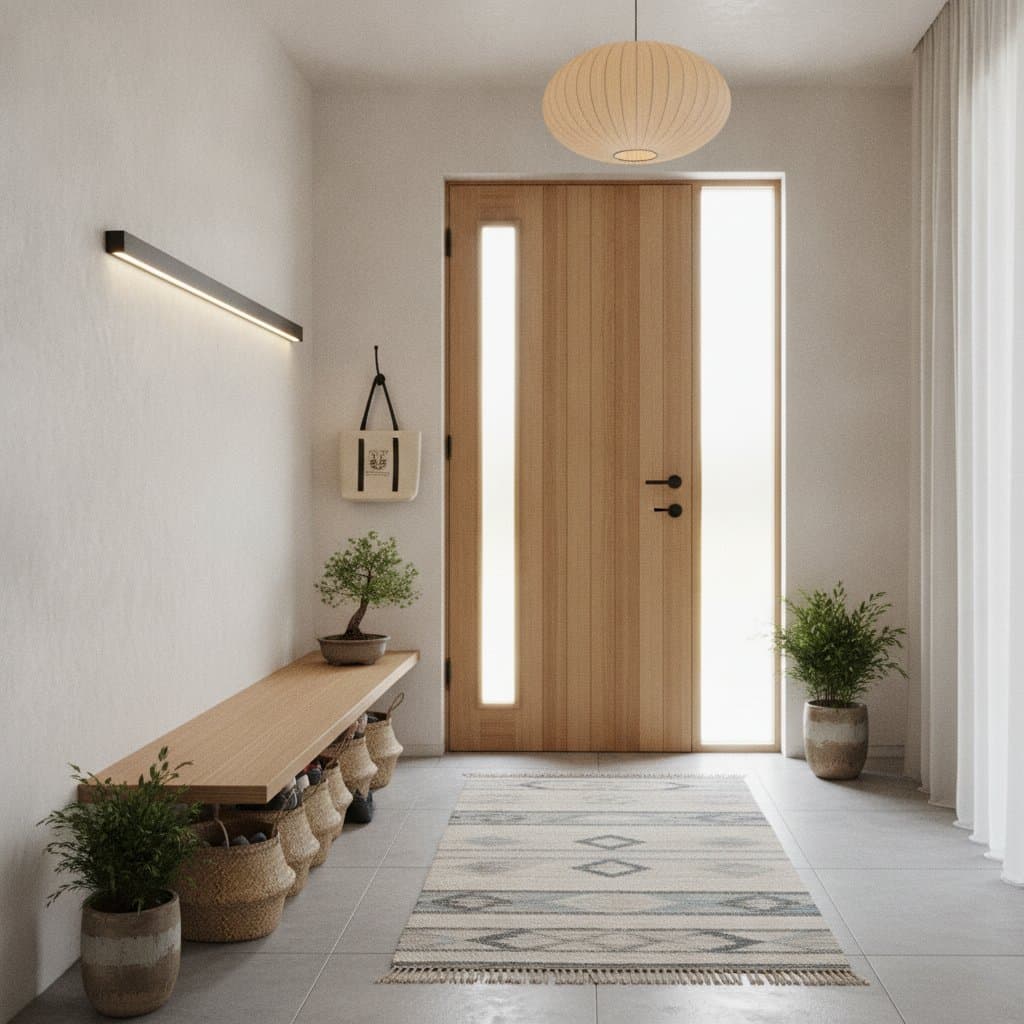
The appeal lies in its capacity to unite organic elements with current aesthetics. Terracotta hardware integrates seamlessly with wooden doors, soft matte walls, or natural stone accents, fostering a unified and welcoming ambiance. Before adopting this trend in a renovation project, consider the following aspects of pricing, construction, and setup.
Defining Characteristics of Terracotta Hardware
Terracotta hardware consists of metal components coated to resemble fired clay. Shades span from deep burnt orange to soft rose tones, incorporating hints of brown or copper. Finishes vary from matte to satin or brushed textures, tailored to specific design preferences.
Producers apply the terracotta effect via powder coating, baked enamel processes, or electroplating methods. These techniques yield a robust surface that withstands wear, chips, and color loss while preserving an authentic, grounded appearance. Distinct from unglazed clay items, the sealed coatings ensure longevity for frequent handling on doors and storage units.
To select the ideal variant, evaluate the intended application. For high-traffic areas like entryways, prioritize thicker coatings that endure daily contact. In quieter zones such as bedrooms, lighter brushed finishes add subtle elegance without overwhelming the palette.
Elements Influencing Terracotta Hardware Costs
The total expense for terracotta hardware hinges on multiple project elements. Prices typically range from $45 to $160 per handle, reflecting variations in quality and scope.
-
Core Material Composition
Solid brass or stainless steel bases command higher prices than zinc or aluminum alternatives. Premium metals maintain the finish over extended periods and demonstrate superior resistance to rust and tarnish. -
Application Method for Finishes
Powder coating offers economical options compared to labor-intensive hand-applied enamel or multi-stage baked processes. The latter ensures deeper color penetration but elevates production expenses. -
Dimensions and Ornamentation
Larger levers or bespoke backplates raise costs due to increased material use and fabrication efforts. Detailed engravings or ergonomic shapes further extend manufacturing durations and fees. -
Volume Purchases and Coordinated Collections
Bulk orders for entire home outfits can lower individual piece rates by as much as 15 percent. Custom hue adjustments across diverse items, however, might counteract these reductions through added customization charges. -
Setup Demands
Adapting hardware to pre-existing doors proves less costly than outfitting brand-new assemblies. Regional labor fees average $60 to $90 hourly for skilled technicians, with complexities like alignment adjustments influencing the total.
Budgeting tip: Calculate needs based on room count and fixture types. For a standard three-bedroom residence, anticipate $500 to $1,500 for a complete set, excluding labor.
Practical Installation Guidance
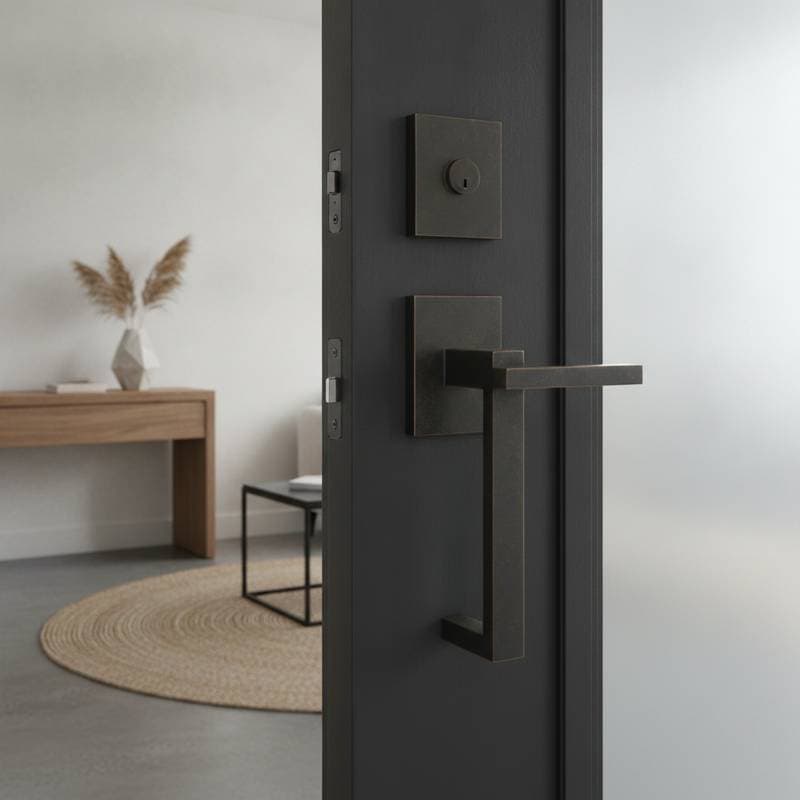
Swapping out current door fixtures for terracotta versions generally proceeds without complication. Standard configurations include universal backset dimensions and screw patterns, allowing direct replacement on most doors sans extra modifications.
For fresh setups, enlist professionals to verify alignment with latch assemblies and strike plates, preventing operational issues. Consistency enhances the overall effect; many opt to synchronize handles, hinges, and pulls across spaces for seamless cohesion.
Strategic mixing introduces dynamism: apply terracotta to primary passages while incorporating brushed brass on secondary features. Before proceeding, inspect coating integrity and bond strength. Robust powder layers tolerate mounting pressures without marring.
DIY enthusiasts should employ gentle tools and moderate screw tension to safeguard the surface. Test fitment on a single piece first to confirm compatibility, adjusting as needed for smooth function.
Upkeep Strategies for Enduring Performance
Terracotta hardware demands little ongoing attention yet responds well to basic care routines. Steer clear of aggressive cleaners or rough fabrics that might erode the sheen. Opt for a microfiber cloth dampened with diluted mild soap to erase marks and residues effectively.
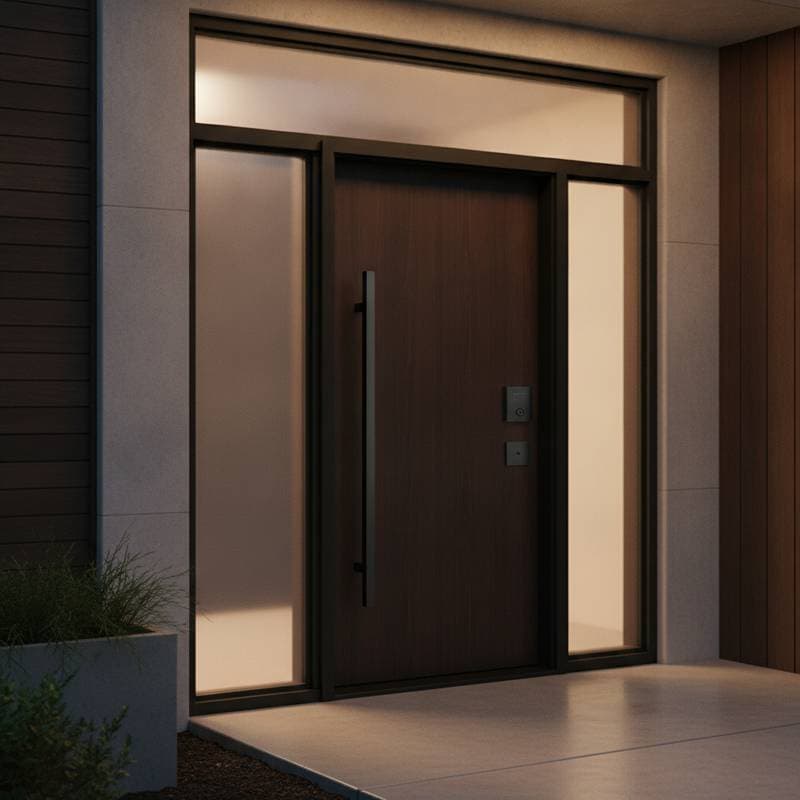
In moist or outdoor settings, choose pieces engineered for moisture defiance. Certain brands provide optional clear sealants to block oxidation; refresh these barriers biennially under heavy exposure conditions.
Should minor discoloration appear, a light wipe with a dry cloth often revives the original vibrancy. Reserve metal polishes for endorsed applications only, as they risk removing the specialized terracotta layer prematurely.
Long-term, monitor for environmental impacts like humidity fluctuations. Annual inspections help identify early wear, extending the hardware's service life beyond a decade in moderate-use scenarios.
Integrating Terracotta Hardware into Your Design
Transitioning to terracotta door hardware provides an efficient avenue to revitalize interiors absent comprehensive overhauls. Initiate with targeted zones, like the front entrance or kitchen storage, to assess harmony with prevailing tones.
Observe how the finish interacts under varying lighting: warm bulbs amplify its cozy depth, while cool LEDs highlight metallic nuances. Gradually extend application to bedrooms or baths, refining selections for balanced distribution.
Beyond aesthetics, terracotta hardware imparts a sensory appeal that links artisanal tradition to forward-thinking style. This choice not only elevates visual harmony but also underscores thoughtful, enduring craftsmanship in everyday surroundings.