Why Colored Grout Defines Entryways in 2026
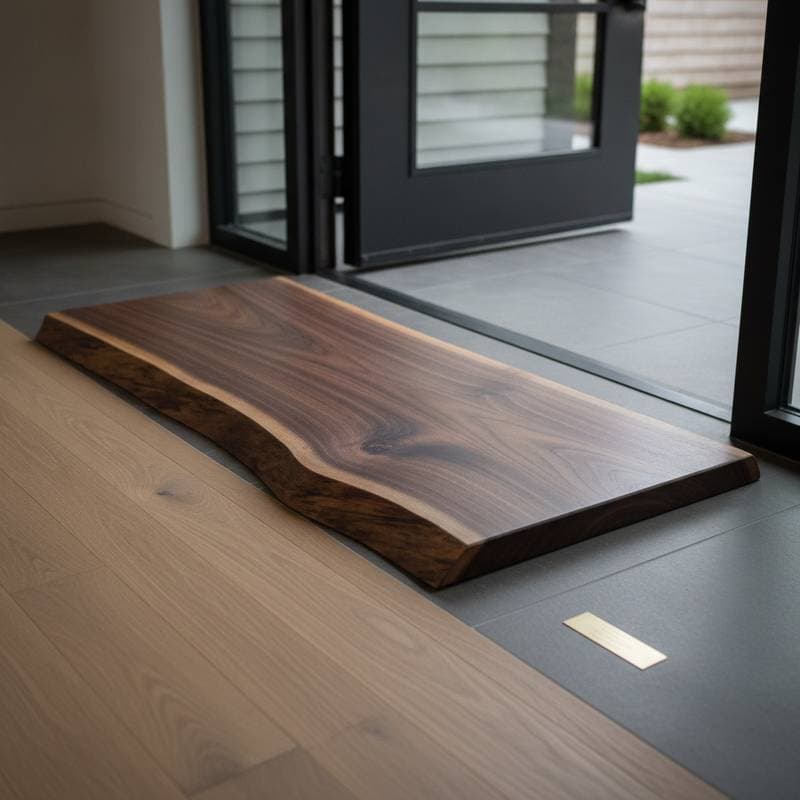
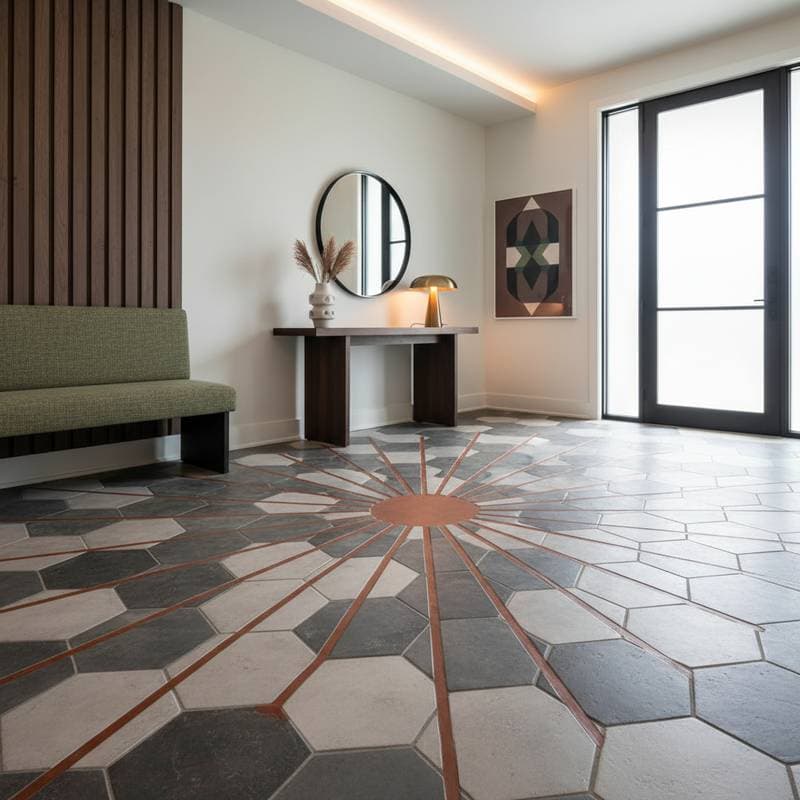
Home entryways serve as the initial point of welcome, and they demand attention to detail for a lasting impact. Designers now emphasize the flooring as a key element, elevating colored grout from a mere necessity to a central feature. This shift allows homeowners to infuse personality and depth into the space without undertaking major renovations.
Colored grout enhances tile installations by providing contrast and visual interest. It complements various tile types, from geometric patterns to subtle neutrals, while concealing everyday wear in busy areas. Homeowners benefit from this practical upgrade that aligns aesthetics with functionality.
Benefits of Colored Grout
The appeal of colored grout lies in its versatility and durability. It creates subtle shadows and highlights that add dimension to flat surfaces, making entryways feel more dynamic. In high-traffic zones, darker shades mask dirt and scuffs better than light alternatives, reducing maintenance efforts.
This design element adapts to different styles seamlessly. For modern interiors, slate-gray grout pairs with sleek porcelain tiles to evoke sophistication. In warmer settings, earthy tones like ochre or sage integrate with terracotta tiles for a grounded, inviting atmosphere.
Grout color influences the perception of space. Lighter hues expand narrow entryways, while deeper shades ground larger ones. Testing samples in place reveals how these choices interact with surrounding elements, ensuring a harmonious result.
Coordinating Materials and Finishes
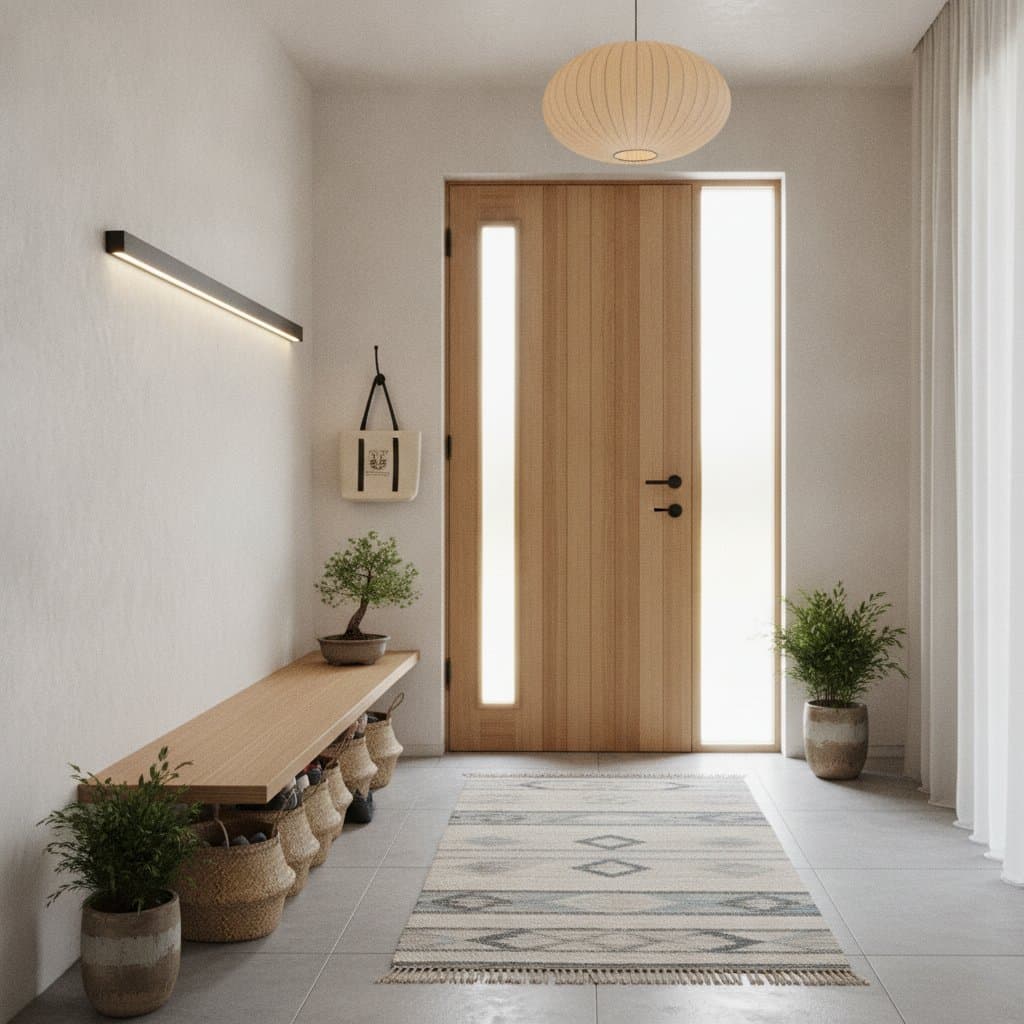
Successful entryway designs integrate grout with adjacent features for cohesion. Consider how windows, doors, and exterior elements interact with the flooring to maintain balance.
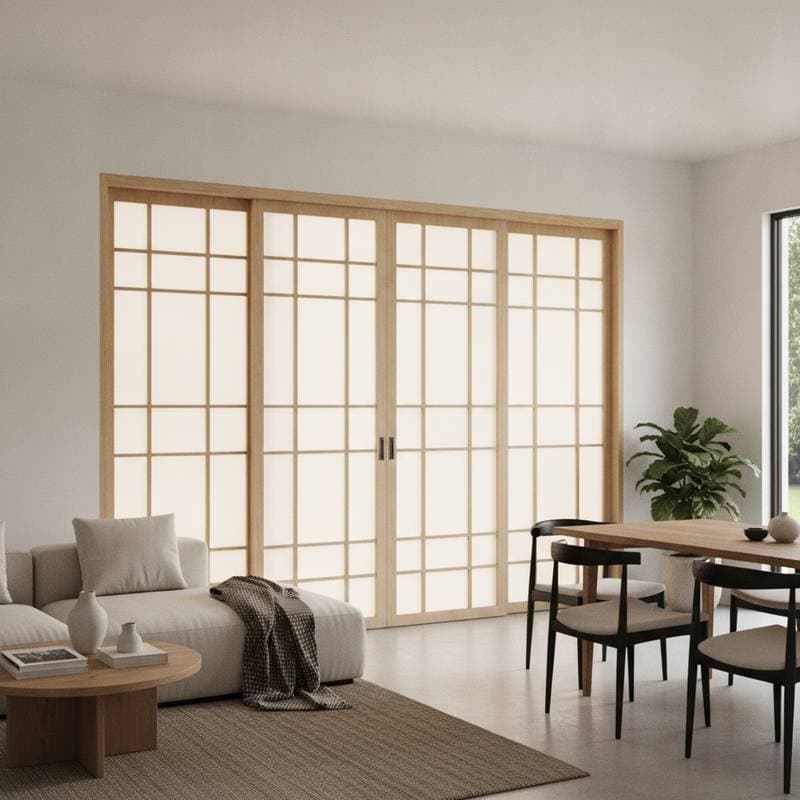
- Windows: Select frames in dark bronze or matte black to harmonize with vibrant grout colors, establishing equilibrium across lines. Opt for warm white or sand tones in softer schemes to reflect the grout's subtle nuances.
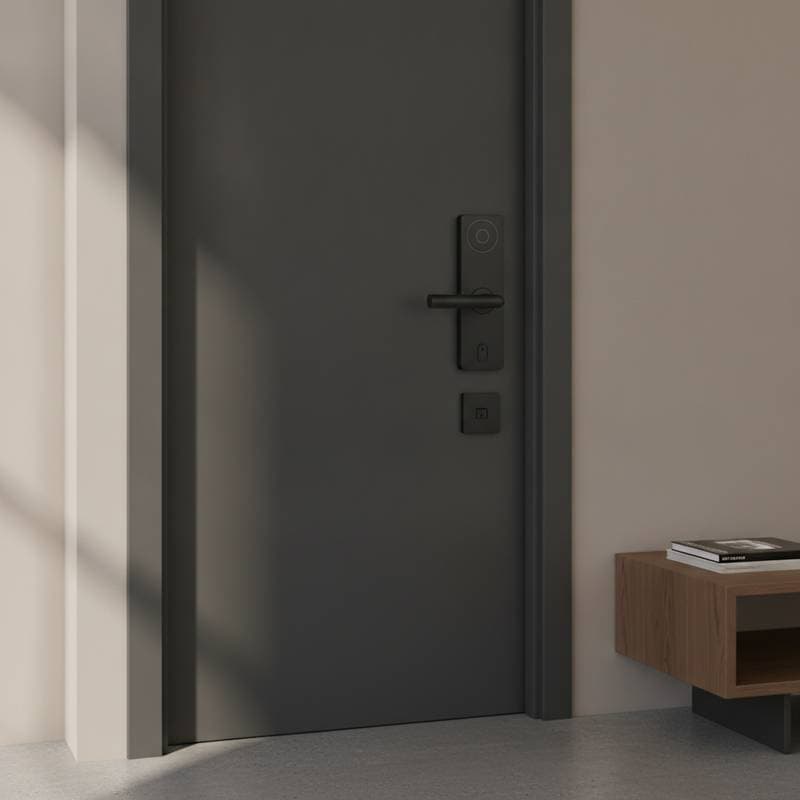
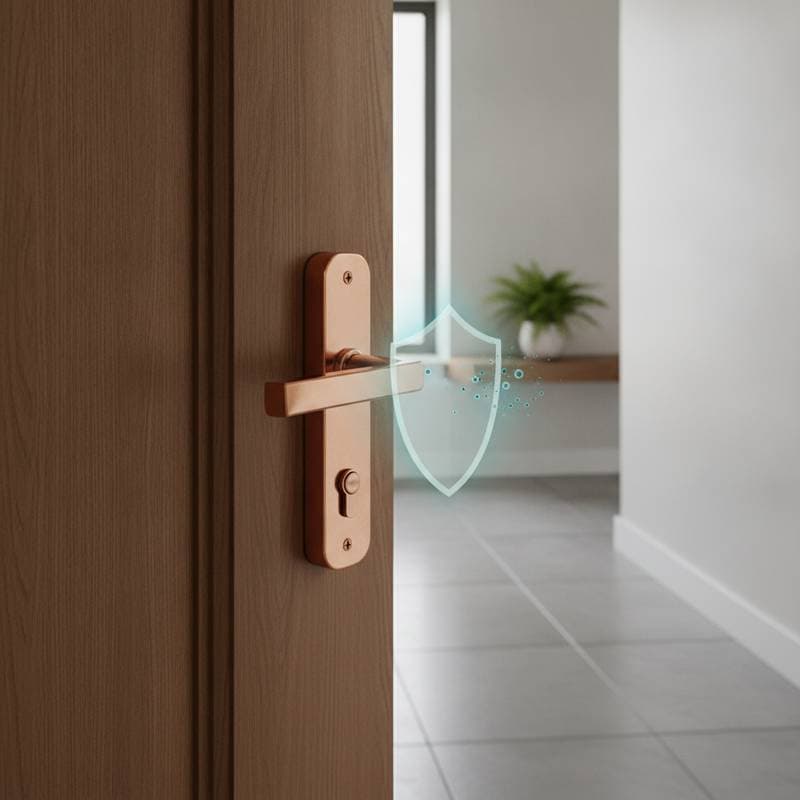
- Doors: Choose wood doors in walnut or white oak, or painted steel options, to introduce organic or urban textures that enhance grout details. Pair with hardware in aged brass or matte nickel for subtle accents that avoid dominance.
- Siding: Employ neutral shades like soft gray, warm beige, or off-white to allow the entry flooring to stand out. If siding features darker tones, select lighter grout to introduce necessary illumination and spatial definition.
- Trim and Accents: Align trim colors with grout selections for seamless transitions. Smoky gray grout coordinates with graphite trim, whereas warm taupe grout complements cream or sand accents effectively.
These pairings ensure the entryway functions as a unified composition, where grout serves as the connective thread.
Common Pitfalls to Avoid
Design choices require careful consideration to prevent unintended outcomes. Addressing potential errors upfront leads to more satisfying results.
- Neglecting Contrast Levels: Grout that blends too closely with tiles diminishes pattern visibility. Introduce moderate contrast to highlight shapes and maintain engagement without excess.
- Overlooking Lighting Effects: Grout appears altered under different light sources, such as warm versus cool illumination. Sample testing in the actual environment confirms the intended appearance.
- Failing to Seal Properly: Sealing protects grout from fading and moisture damage, regardless of color depth. Neglect in this area results in discoloration and reduced longevity.
- Excessive Layering of Patterns: Patterned tiles combined with bold grout demand simplified walls and doors. Overloading elements produces confusion rather than clarity.
By sidestepping these issues, homeowners achieve polished, enduring designs.
Preparation Checklist for Entryway Updates
Thorough planning streamlines the selection process and aligns new features with existing architecture. Begin by documenting the space to inform material choices.
Checklist:
- Photograph the entryway from various perspectives, including street-level views, to capture overall proportions.
- Document architectural features like columns, overhangs, or trim that affect tile placement and grout lines.
- Catalog nearby materials, such as siding, brick, or stone, to match color undertones accurately.
- Review local regulations or HOA rules regarding exterior modifications and color choices.
- Observe lighting variations across the day to assess impacts on grout and tile hues.
- Define a budget framework, prioritizing essential elements over optional enhancements.
This systematic approach minimizes surprises and supports informed decisions.
Achieving a Cohesive Entryway Design
Colored grout elevates entryways by merging style, resilience, and simplicity. It empowers customization that reflects individual tastes while withstanding daily use.
Homeowners gain a welcoming threshold that captivates upon arrival. Through deliberate planning and material coordination, this detail crafts an enduring first impression. The result is an entryway that welcomes with both elegance and ease.