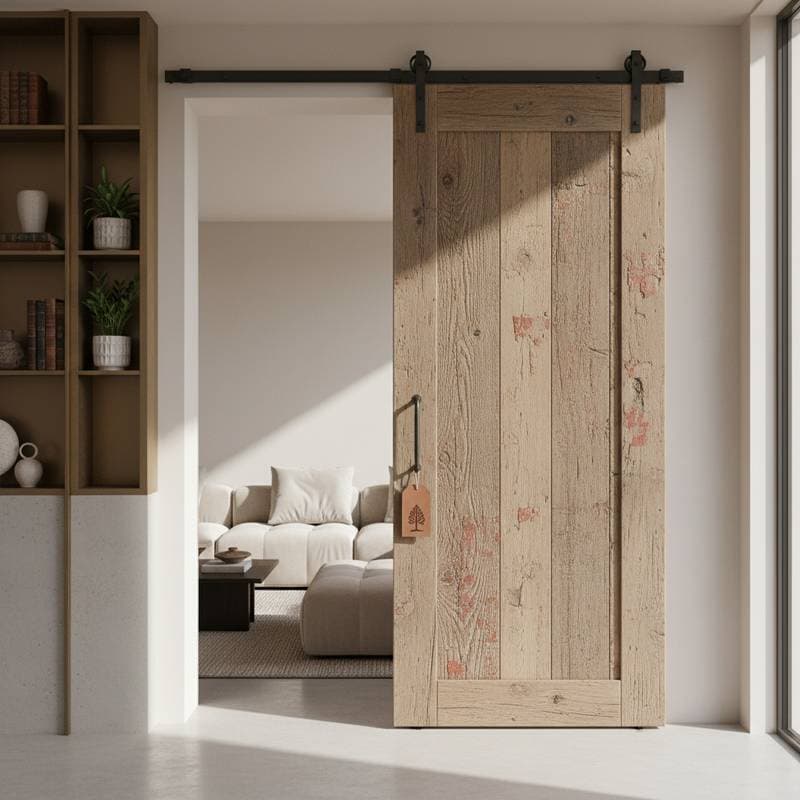
Understanding the Appeal of Reclaimed Barn Doors
Reclaimed barn doors originate from structures built over a century ago, often from aged timber that bears the marks of time. These doors combine functional design with aesthetic richness, making them ideal for contemporary homes. Their popularity reflects a broader shift toward materials that tell a story rather than those produced in mass quantities.
The process begins with sourcing wood from dismantled barns, silos, or other farm buildings. Artisans then restore the panels, preserving natural patinas while ensuring structural integrity. This labor-intensive approach sets reclaimed doors apart from new constructions, contributing to their elevated status in interior design.
Historical Context and Material Origins
Many reclaimed barn doors trace their roots to the 19th and early 20th centuries, when sturdy oak, pine, or chestnut formed the backbone of agricultural architecture. These woods endured harsh weather and heavy use, developing textures and colors that synthetic alternatives cannot replicate. Today, collectors seek doors from specific regions, such as New England or the Midwest, where timber quality remains legendary.
Sourcing involves careful demolition to avoid damaging the wood. Once salvaged, pieces undergo cleaning and treatment to remove contaminants without stripping character. This preservation of history adds emotional value, as each door carries echoes of its original purpose.
The scarcity of well-preserved sources plays a key role in valuation. As urban development encroaches on rural landscapes, available stock diminishes. Experts predict that by 2026, the combination of limited supply and heightened demand will push average prices to $8,000 for high-end installations.
Factors Driving the Price Surge
Rarity and Limited Supply
The primary driver of increasing costs lies in the finite nature of reclaimed materials. Unlike factory-produced doors, each reclaimed piece is unique, with variations in grain, knots, and weathering. This exclusivity appeals to discerning buyers who prioritize one-of-a-kind elements in their homes.
Global demand has outpaced recovery efforts. In the United States alone, thousands of barns disappear annually, reducing the pool of viable materials. Importers from Europe face similar challenges, where historical sites receive protection that limits access. As a result, premium doors command prices that reflect both acquisition difficulties and transportation expenses.
Craftsmanship and Restoration Expertise
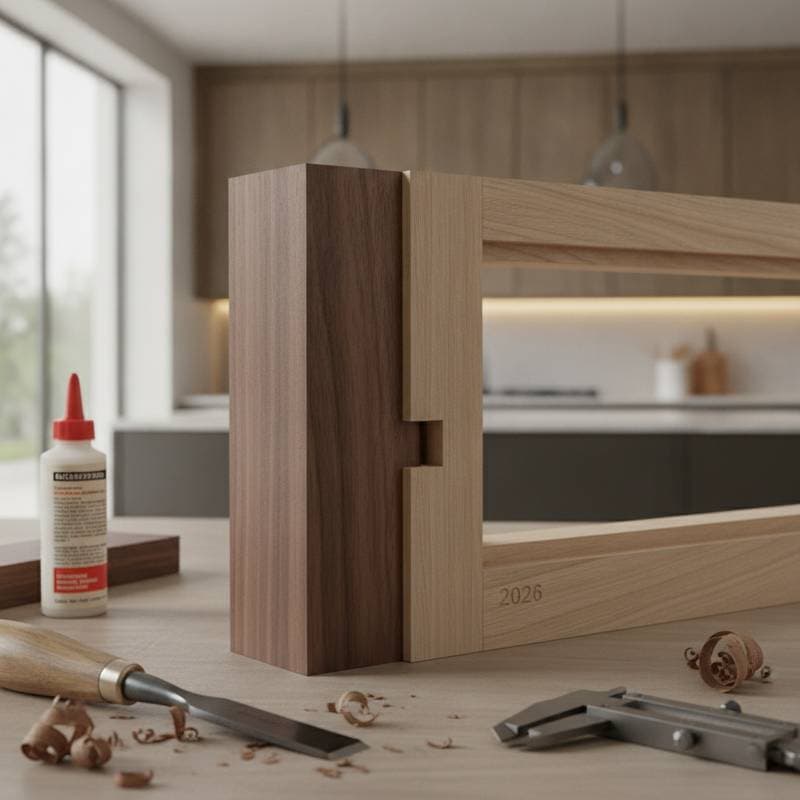
Restoring a reclaimed barn door requires skilled labor from carpenters and finishers who specialize in antique woodwork. They reinforce frames, replace weakened sections with matching timber, and apply finishes that enhance durability without altering appearance. This meticulous process can take weeks, justifying the premium pricing.
Artisans often incorporate modern hardware, such as sliding mechanisms or soft-close hinges, to adapt these doors for current lifestyles. The blend of traditional techniques and innovative adaptations elevates their functionality. Buyers pay for this expertise, knowing it ensures longevity and seamless integration into diverse architectural styles.
Sustainability and Design Trends
Sustainability ranks high among motivations for choosing reclaimed doors. These materials reduce the need for new logging, aligning with eco-conscious building practices. Certifications from organizations like the Forest Stewardship Council often accompany sourced wood, appealing to environmentally aware consumers.
Interior design trends favor organic textures and neutral palettes, where reclaimed wood excels. Designers pair these doors with minimalist or farmhouse aesthetics, creating focal points in kitchens, bedrooms, or living areas. Social media platforms amplify this visibility, with influencers showcasing installations that inspire widespread adoption.
Market analysts forecast continued growth in the sustainable luxury segment. By 2026, as regulations tighten on new timber use, reclaimed options will become even more sought after. This shift not only drives prices upward but also positions these doors as smart investments in both style and ethics.
Benefits for Modern Homeowners
Reclaimed barn doors offer more than visual interest; they enhance spatial dynamics. Sliding designs save floor space compared to traditional swinging doors, ideal for open-plan layouts. The wood's insulating properties also contribute to energy efficiency, maintaining comfortable indoor climates.
Each door imparts a sense of narrative to a home. Imperfections like nail holes or faded paint tell stories of endurance, fostering emotional connections. This individuality helps spaces feel lived-in and authentic, countering the uniformity of mass-market furnishings.
From a financial perspective, these doors retain value over time. As antique markets appreciate, well-maintained pieces can appreciate, offering resale potential. They also boost property appeal, attracting buyers who value character-driven designs.
Incorporating Reclaimed Barn Doors into Your Space
Selecting the right door starts with measuring your opening and considering traffic flow. Opt for sizes that match your architecture, whether a standard 36-inch width or custom dimensions for larger entries. Consult with professionals to assess weight-bearing needs for sliding tracks.
Placement matters for maximum impact. In kitchens, barn doors conceal pantries or appliances while adding rustic charm. Bedrooms benefit from privacy screens that slide smoothly, and living areas use them to divide zones without permanent barriers.
Maintenance involves simple steps: dust regularly and apply protective oils annually to preserve the finish. Avoid direct sunlight to prevent fading, and address any hardware issues promptly. With proper care, these doors will serve for decades, embodying enduring quality.
Budget considerations range from $2,000 for basic restorations to $8,000 for bespoke pieces with rare woods. Explore local salvage yards or online marketplaces for options, but verify authenticity through documentation. Investing thoughtfully ensures alignment with your vision and long-term satisfaction.
Embracing Timeless Value in Design
Reclaimed barn doors represent a bridge between heritage and innovation, offering homeowners a way to infuse spaces with depth and purpose. Their ascent to $8,000 by 2026 underscores a cultural pivot toward meaningful, sustainable choices. By choosing these elements, individuals not only enhance their environments but also contribute to the preservation of architectural legacies.
The imperfections that define reclaimed wood serve as reminders of resilient craftsmanship. As trends evolve, the core appeal remains constant: doors that connect us to the past while shaping the future. This investment yields lasting rewards in beauty, functionality, and personal fulfillment.