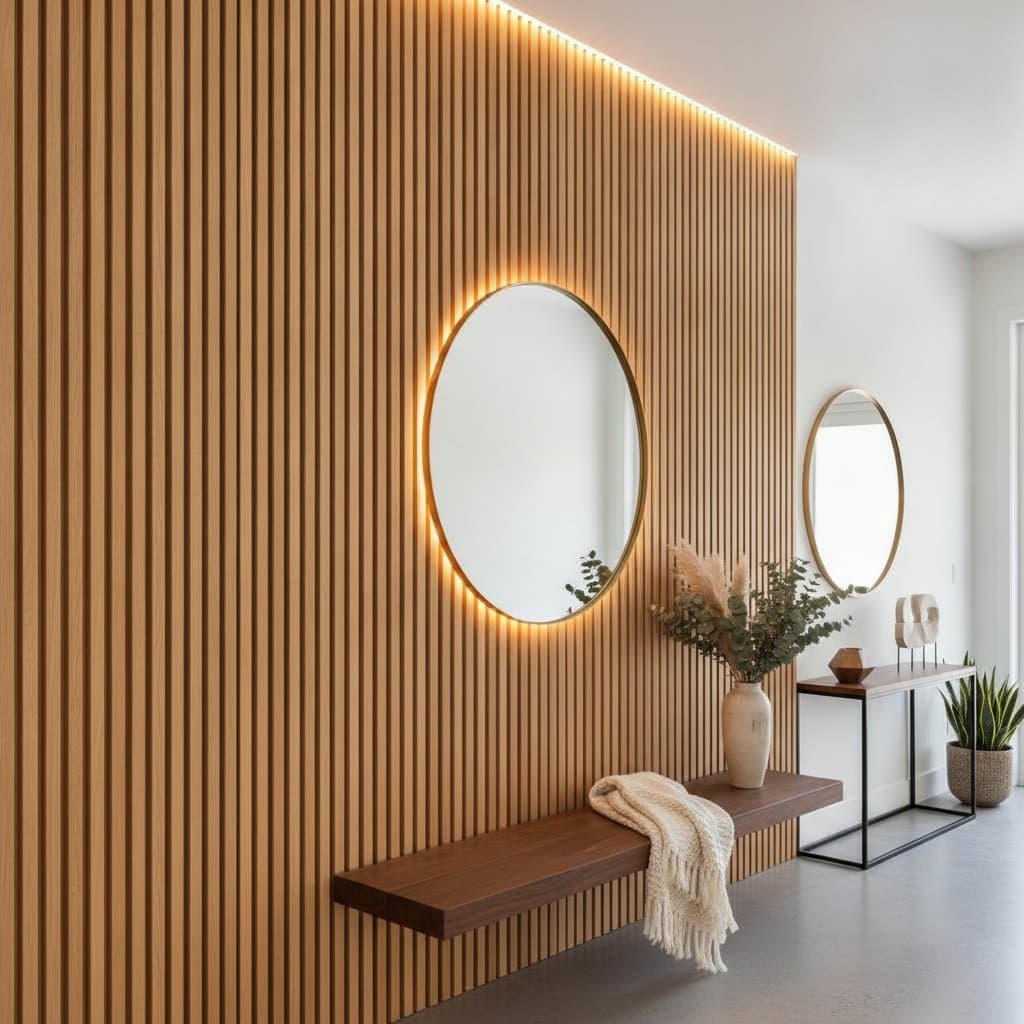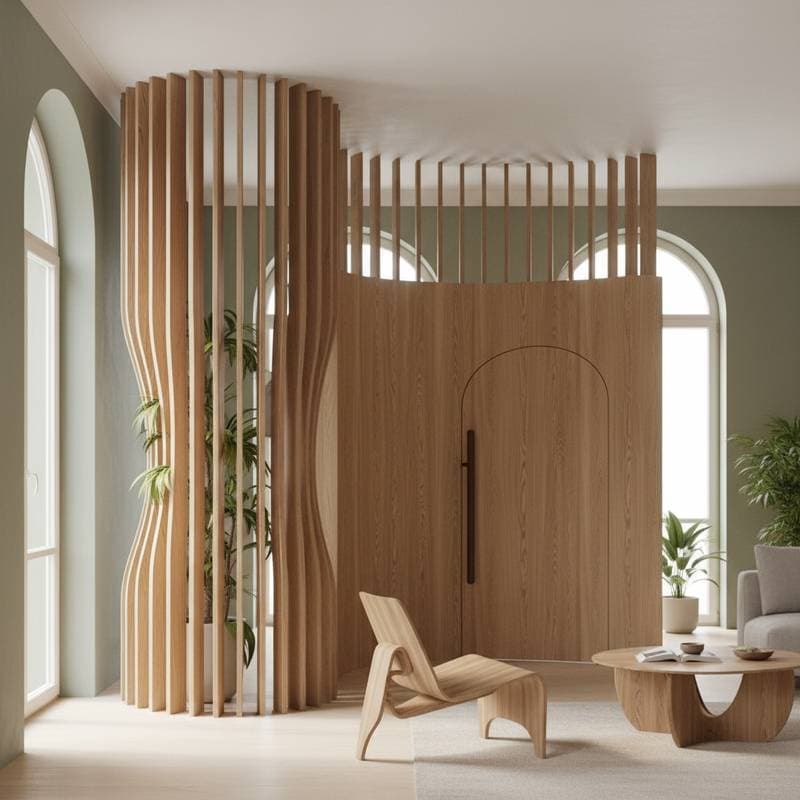
Flexible Wood Joints Set to Transform Design Trends
Woodworking has always balanced tradition with innovation. From hand-carved joints to modern engineered panels, each generation of builders has sought ways to make wood perform better, last longer, and adapt to evolving design needs. Flexible wood joints represent the next stage in that journey. They merge natural material character with engineered versatility, creating surfaces and structures that can bend, curve, and respond to movement without losing strength. For homeowners, designers, and builders, this shift opens doors to new possibilities in form, function, and sustainability.
Understanding Flexible Wood Joints
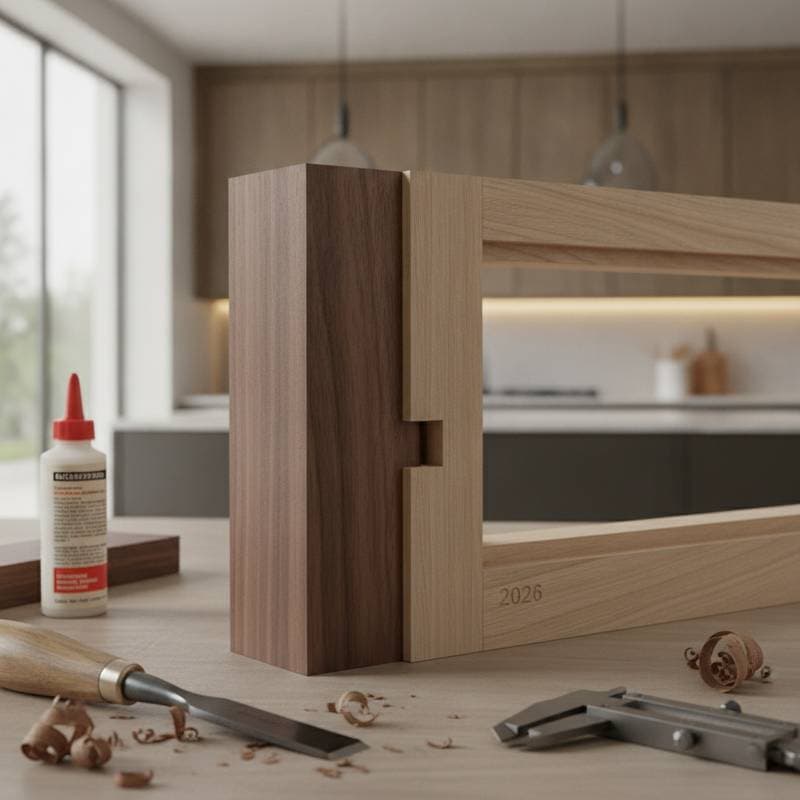
Flexible wood joints, sometimes called living hinges or bent wood techniques, rely on precise cutting and shaping to allow wood to flex naturally. By introducing fine grooves, layered laminations, or specialized adhesives, wood can move slightly without cracking or splitting. These joints make it possible to create curved panels, adaptable doors, and furniture that responds to motion while retaining its natural beauty.
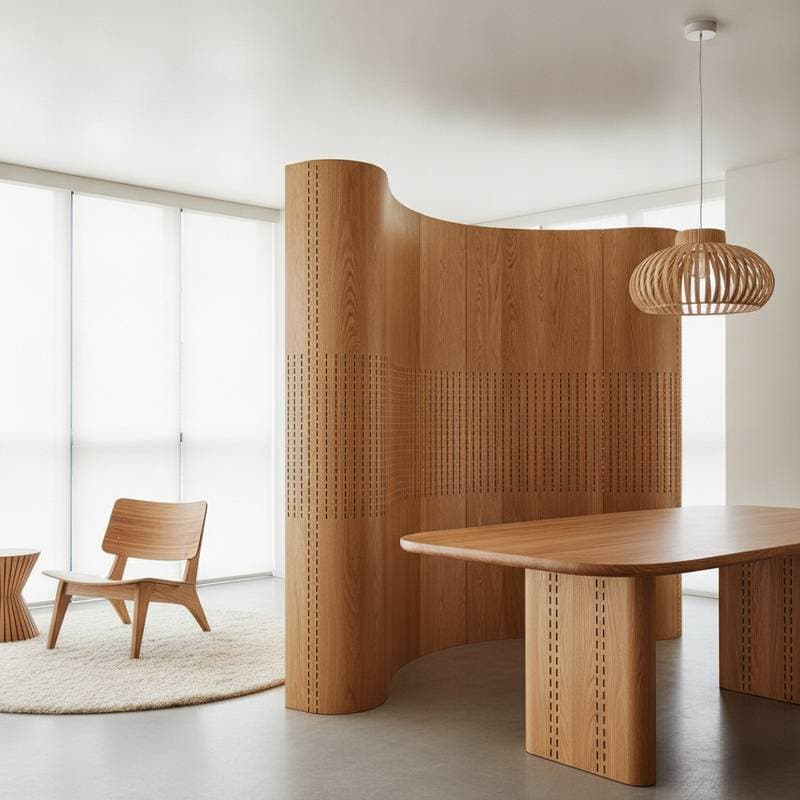
In practical terms, this approach bridges the gap between rigid joinery and synthetic flexibility. It combines the warmth of natural wood with the adaptability often found in composite materials. Designers experiment with new ways to incorporate these joints into cabinetry, wall systems, and interior partitions, giving rooms a sculptural quality that feels organic rather than manufactured.
Materials and Construction Techniques
Different types of wood react uniquely to bending and flexing. Softer hardwoods like ash and oak perform well in living hinge applications because their grain can stretch slightly without breaking. Engineered woods such as veneer plywood or laminated composites also adapt effectively, especially when layers are oriented to balance strength and movement.
Common production methods include:
- Kerf Cutting: Create a series of narrow cuts on the inside curve of a board to allow it to bend smoothly. The spacing and depth of each cut determine the degree of flexibility.
- Lamination: Glue thin layers of wood together over a mold, forming a solid piece that holds its curve once dry.
- Steam Bending: Apply moist heat to soften fibers, letting wood bend around forms that set its new shape as it cools.
- Hybrid Techniques: Combine flexible joints with reinforced adhesives or resin layers to enhance durability and resistance to wear.
Each process carries trade-offs in cost, precision, and appearance. Kerf cutting proves efficient and accessible, while lamination provides strength and consistency. Steam bending, though more time-intensive, delivers unmatched fluidity in form.
Comparing Options and Applications
Flexible wood joints integrate into a range of home design elements. From curved cabinet doors to multi-panel room dividers, these systems invite creativity while maintaining practicality.
| Application | Initial Cost | Lifespan | Maintenance | Best For |
|---|---|---|---|---|
| Kerf-cut panels | Moderate | Medium | Light sanding and sealing | Decorative features and curved trim |
| Laminated curved doors | Higher | Long | Periodic finish renewal | High-traffic interiors |
| Steam-bent furniture | Variable | Long | Regular conditioning | Custom furniture and accent pieces |
| Hybrid joinery panels | Higher | Long | Minimal | Architectural wall systems |
This comparison shows that flexible wood joints extend beyond artistic projects. They also serve practical functions, such as improving durability in doors that experience movement or vibration. In humid environments, for instance, flexible joints reduce stress points that cause cracking or warping.
Balancing Aesthetics and Function
The appeal of flexible joints extends beyond engineering. They enable designs that move gracefully with the environment, whether through curved lines that follow natural light or panels that soften acoustic reflections. In open-plan homes, curved wooden dividers define space without harsh boundaries. In furniture, flowing forms create comfort and visual balance.
From a functional perspective, these joints distribute stress more evenly than rigid alternatives. Traditional joints may fail when humidity or temperature cause expansion or contraction, but flexible designs adapt. This resilience enhances longevity, especially in interiors where climate control varies.
Environmental and Lifecycle Considerations
Sustainability plays a major role in the growing interest in flexible wood design. The process often uses thinner cuts or layered veneers, making efficient use of material. When combined with water-based adhesives or natural finishes, these joints form part of a low-impact construction strategy.
Lifecycle performance depends on proper maintenance. Flexible joints require protection from excessive moisture and direct sunlight. Periodic sealing preserves flexibility and prevents fiber fatigue. With care, these joints last as long as traditional joinery while offering greater design freedom.
Homeowners considering flexible wood elements should also think about long-term adaptability. Modular curved panels, for example, can be repositioned or refinished as interior trends evolve. This adaptability saves resources and extends the relevance of each installation.
What to Expect During Fabrication and Installation
The process of integrating flexible wood joints differs from standard carpentry. It begins with material evaluation, ensuring that grain direction and moisture content match the intended bending method. Once the design is finalized, fabrication follows a structured sequence:
- Planning and Evaluation: Assess grain orientation, bending radius, and environmental conditions. Determine whether kerf cutting, lamination, or steam bending suits the project.
- Preparation Steps: Condition the wood to proper moisture levels. Prepare molds or templates if curves are required.
- Main Implementation: Execute cuts or lay laminations carefully, maintaining consistent spacing and adhesive coverage.
- Quality Assurance: Test flexibility, verify uniform curvature, and check that joints remain smooth without visible stress lines.
- Completion and Follow-up: Apply sealants or finishes that protect against humidity and wear. Inspect periodically for signs of stiffness or separation.
Because precision is vital, many homeowners choose professional fabrication. Skilled craftsmen balance flexibility with strength, ensuring that joints hold up under daily use. For smaller decorative projects, confident DIY enthusiasts may experiment with kerf-cutting techniques using proper tools and safety precautions.
Choosing What Works Best
Selecting the right flexible joint technique depends on purpose, budget, and desired appearance. Homeowners prioritizing fine aesthetics may prefer laminated or steam-bent components, while those focused on cost and accessibility might lean toward kerf-cut options. Durability expectations also shape the decision. A high-use area such as a kitchen benefits from reinforced joints and moisture-resistant finishes, while decorative wall panels may emphasize texture and shape over heavy-duty performance.
When comparing options, consider:
- Initial Cost vs. Lifespan: Higher investment often yields better long-term durability.
- Maintenance Requirements: Simpler finishes prove easier to refresh, while complex laminates may need professional upkeep.
- Environmental Conditions: Humid or temperature-variable spaces call for moisture-stable materials.
- Design Intent: Sharp curves or continuous forms may require advanced bending techniques.
- Installation Complexity: Some methods demand specialized tools or molds.
Working with Contractors
Finding the right craftsperson or fabricator is essential. Look for professionals experienced in bent wood techniques or living hinge applications. Request samples of previous work, and ask how they manage finishing, moisture control, and surface protection. Clear communication early in the process prevents costly adjustments later.
Long-term Value and Lifestyle Integration
Flexible wood joints respond to how people live and move within their spaces. Curved doors glide more smoothly, furniture feels softer in form, and interiors gain a sense of flow that complements natural materials.
Thoughtful planning determines success. When chosen and maintained carefully, flexible wood elements serve as long-lasting investments that evolve gracefully with a home's changing needs. The combination of craftsmanship, sustainability, and adaptability positions flexible wood joints as a defining feature of future interior design.