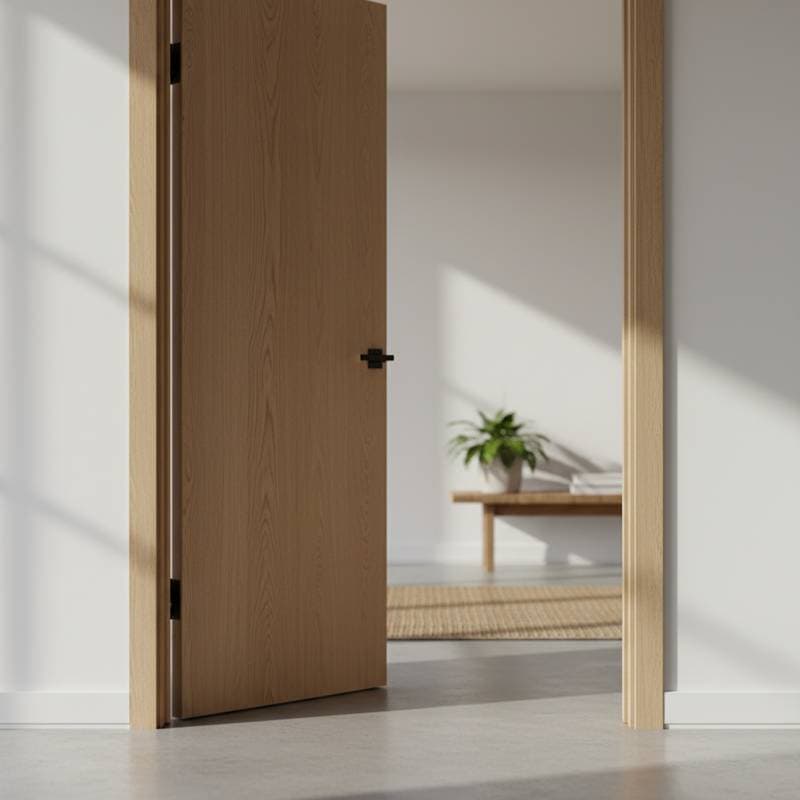
Japandi No-Nail Doors: The Wood Joinery Trend Defining 2026 Interiors
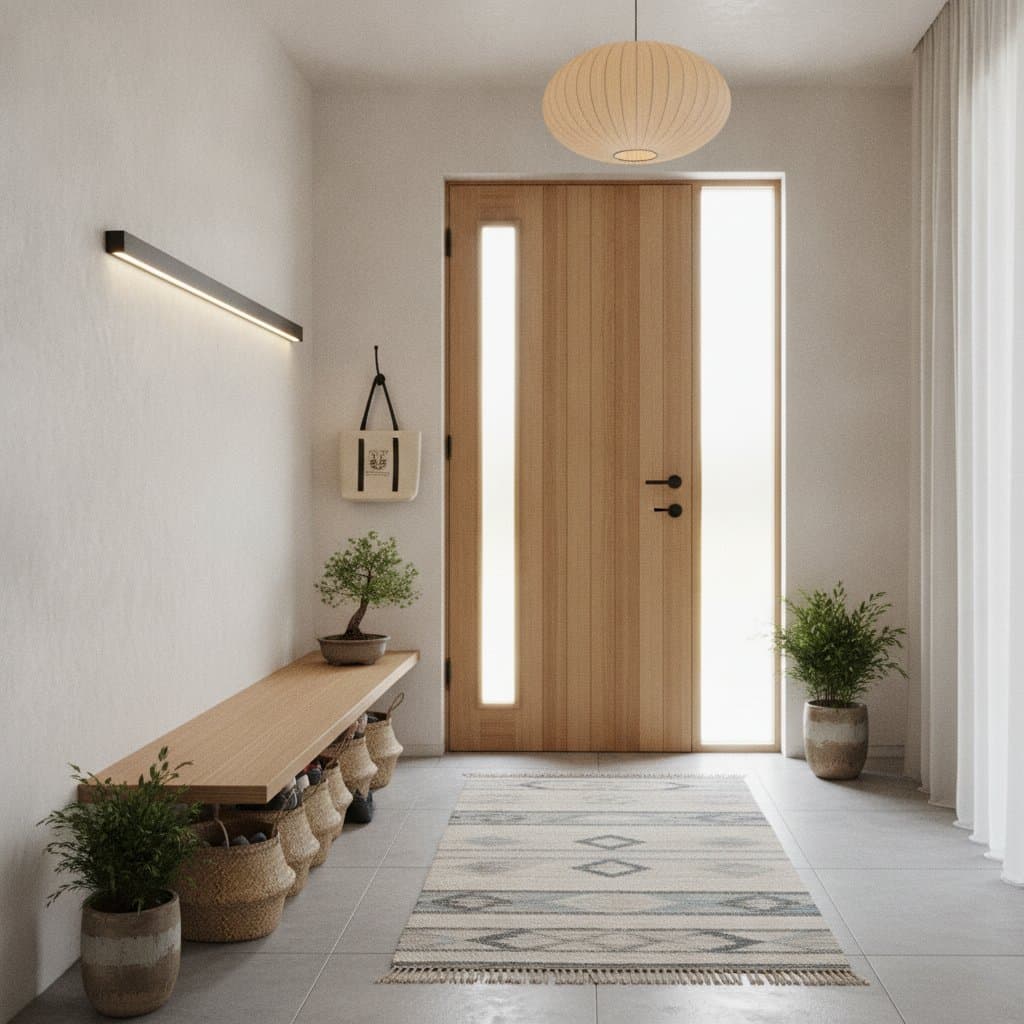
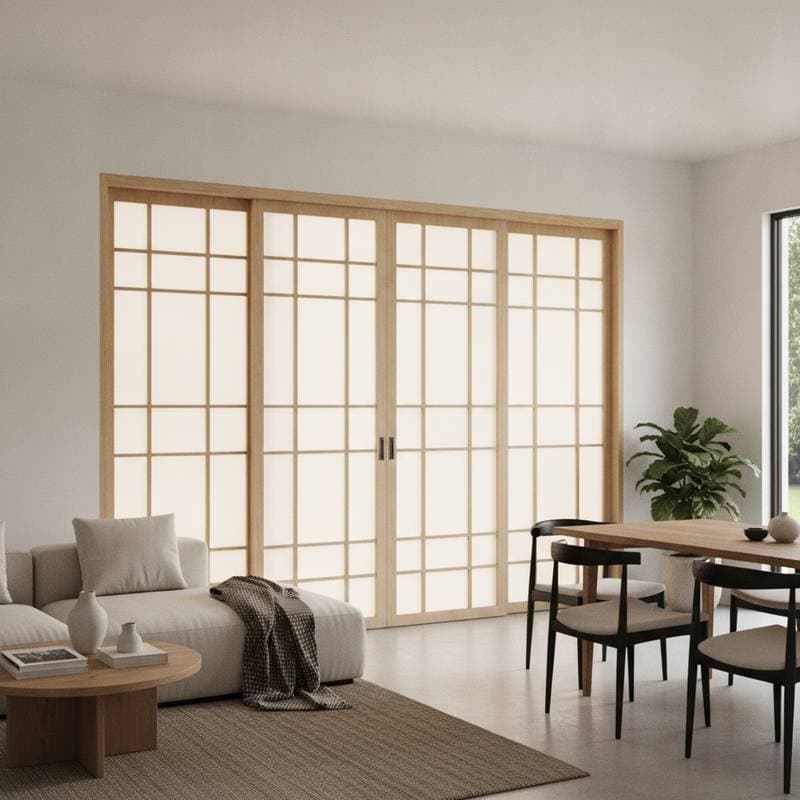
Japandi design appeals to those seeking serene, uncluttered spaces rooted in superior craftsmanship. Within this aesthetic, Japandi no-nail doors emerge as a prominent feature in bespoke residential projects and renovation efforts. These doors rely on time-honored wood joinery methods instead of metal fasteners, uniting Japanese exactitude with Scandinavian understatement. The outcome presents a fluid, organic appearance that accentuates wood's inherent warmth and resilience, all while preserving robust construction.
For anyone planning a home refresh or expansion, this style provides an exceptional mix of aesthetic refinement, environmental responsibility, and dependable durability. The following sections detail pricing structures, material options, and installation procedures to inform your decision-making process.
Pricing Insights for Japandi No-Nail Doors
The expense of Japandi no-nail doors fluctuates based on selected woods, artisanal skill levels, and production methods, such as custom fabrication versus ready-made units. Typically, the total outlay ranges from $900 to $3,500 per door, encompassing both materials and professional labor.
Factors influencing cost include the wood's density, the intricacy of joinery like dovetails or mortise-and-tenon, and additional customizations such as panel configurations or edge profiling. Entry-level options often employ semi-automated processes for efficiency, while bespoke pieces from specialized mills command premium rates due to handcrafted elements.
| Material Option | Installed Cost Range | Notable Attributes |
|---|---|---|
| Solid Oak | $1,200 to $2,800 | Prominent grain patterns, warm medium hues, superior resistance to wear |
| White Ash | $1,000 to $2,400 | Pale tones, silky finish, well-suited to light-filled Nordic-style rooms |
| Walnut | $1,800 to $3,500 | Deep chocolate shades, luxurious grain, favored for upscale applications |
| Bamboo-Core Veneer | $900 to $1,600 | Eco-conscious sourcing, reduced weight, practical for compact areas |
Opt for sustainable certifications like FSC when selecting materials to align with Japandi's emphasis on harmony with nature. Bulk orders or standard sizes can lower per-unit expenses by up to 20 percent.
Step-by-Step Installation Guide for No-Nail Doors
The assembly of a Japandi no-nail door demands meticulous attention and skilled handling to honor the joinery's precision. Professionals guide the project through distinct stages, ensuring alignment with the door's minimalist ethos.
-
Site Evaluation and Measurement
Accurate dimensions of the existing frame, wall depth, and operational path form the foundation. Tolerances as fine as one millimeter prevent misalignment, which could compromise the joints' fit. -
Material Milling and Shaping
Timber sections undergo planing and cutting, oriented along the grain to minimize future movement. This preparation enhances the wood's stability against environmental shifts. -
Precision Joinery Fabrication
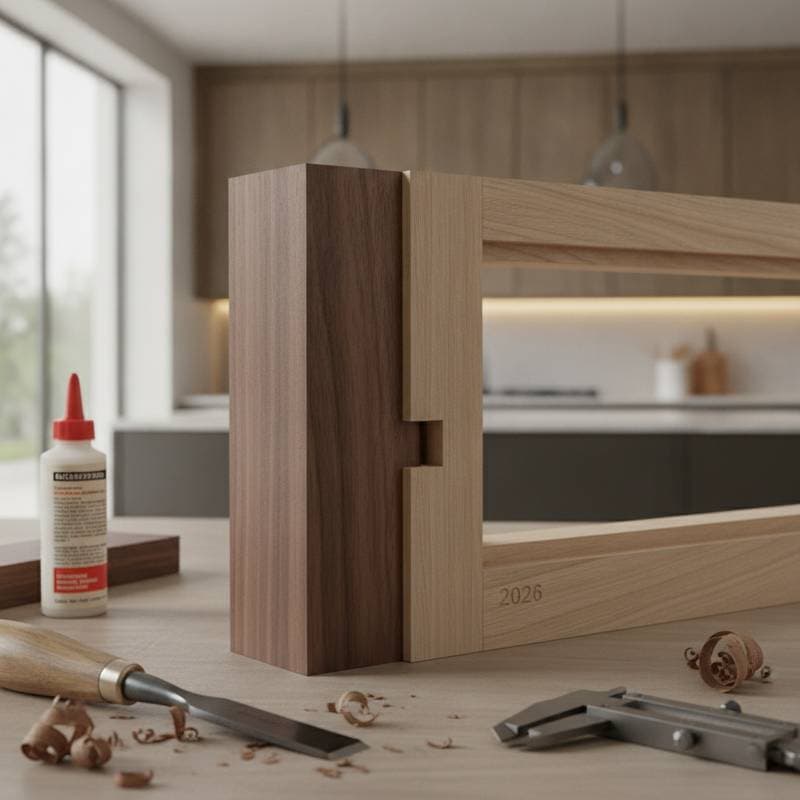
Artisans carve mortises with chisels or CNC-guided tools and form tenons to interlock seamlessly. Components receive a trial assembly without adhesives to verify snug connections, followed by secure bonding with plant-based glues or mechanical tension. -
Surface Treatment Application
Protective layers of tung oil or linseed oil seal the wood, preserving its matte allure without synthetic varnishes. Multiple coats build a subtle patina that deepens over time. -
Final Fitting and Hardware Integration
The completed door installs onto concealed hinges or track systems that echo the design's subtlety. Adjustments fine-tune swing or slide for effortless operation.
Expect a full professional setup to span one to two days, influenced by door dimensions and site conditions. Novices should engage certified woodworkers, as errors in joinery can lead to premature failure.
Essential Maintenance Practices for Longevity
Sustaining the appeal and functionality of Japandi no-nail doors involves straightforward, periodic attentions that safeguard the wood's vitality.
-
Periodic Oil Renewal
Refresh the finish with natural oils every two to three years to repel humidity and reveal enhanced grain details. Apply thinly in even strokes, allowing full absorption before light use resumes. -
Environmental Regulation
Maintain relative humidity at 40 to 60 percent through dehumidifiers or humidifiers as needed. Consistent conditions avert joint strain from seasonal wood swelling or shrinking. -
Routine Surface Care
Dust with a soft cloth weekly; for stains, use a minimally moistened rag with pH-neutral soap formulated for wood. Avoid abrasives that could dull the finish. -
Structural Monitoring
Inspect joints yearly for signs of separation. Early intervention by a specialist, such as injecting stabilizing adhesives, preserves the door's original strength without invasive repairs.
These practices extend the door's service life beyond decades, often outlasting conventional alternatives and reducing replacement needs.
Integrating Japandi No-Nail Doors into Your Space
Japandi no-nail doors deliver a sophisticated fusion of tactile wood elements and restrained form, crafting environments that resonate with tranquility and purpose. Their investment value lies in reduced long-term upkeep and the unique character that evolves with the home.
When embarking on a project, collaborate with joinery experts to match wood selections and finishes to your overall scheme. Viewing physical samples under your lighting conditions confirms the desired tonal harmony and textural balance.