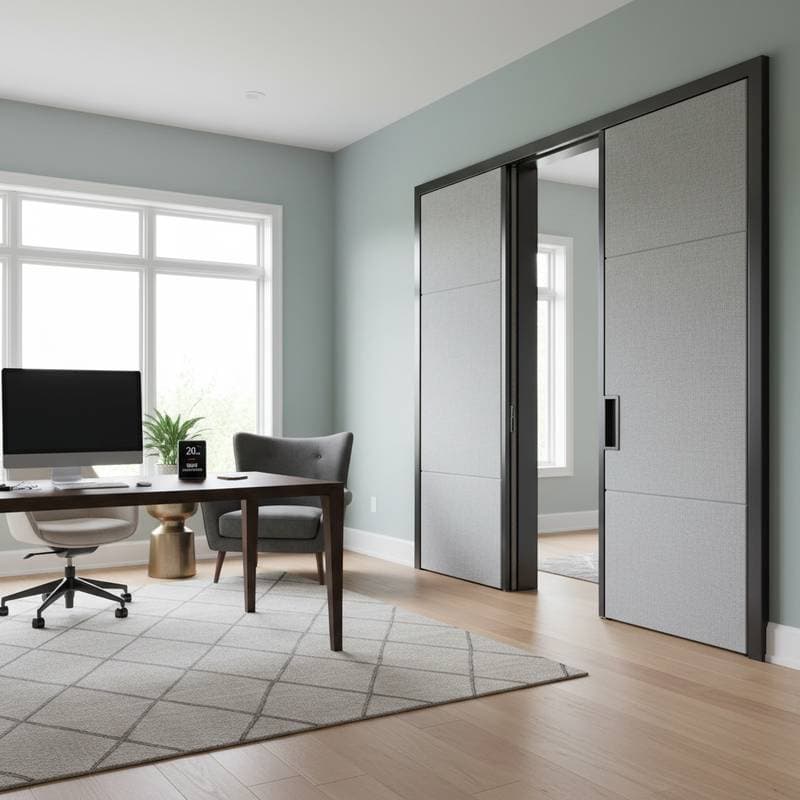
Reduce Home Office Noise by 80 Percent with Acoustic Doors
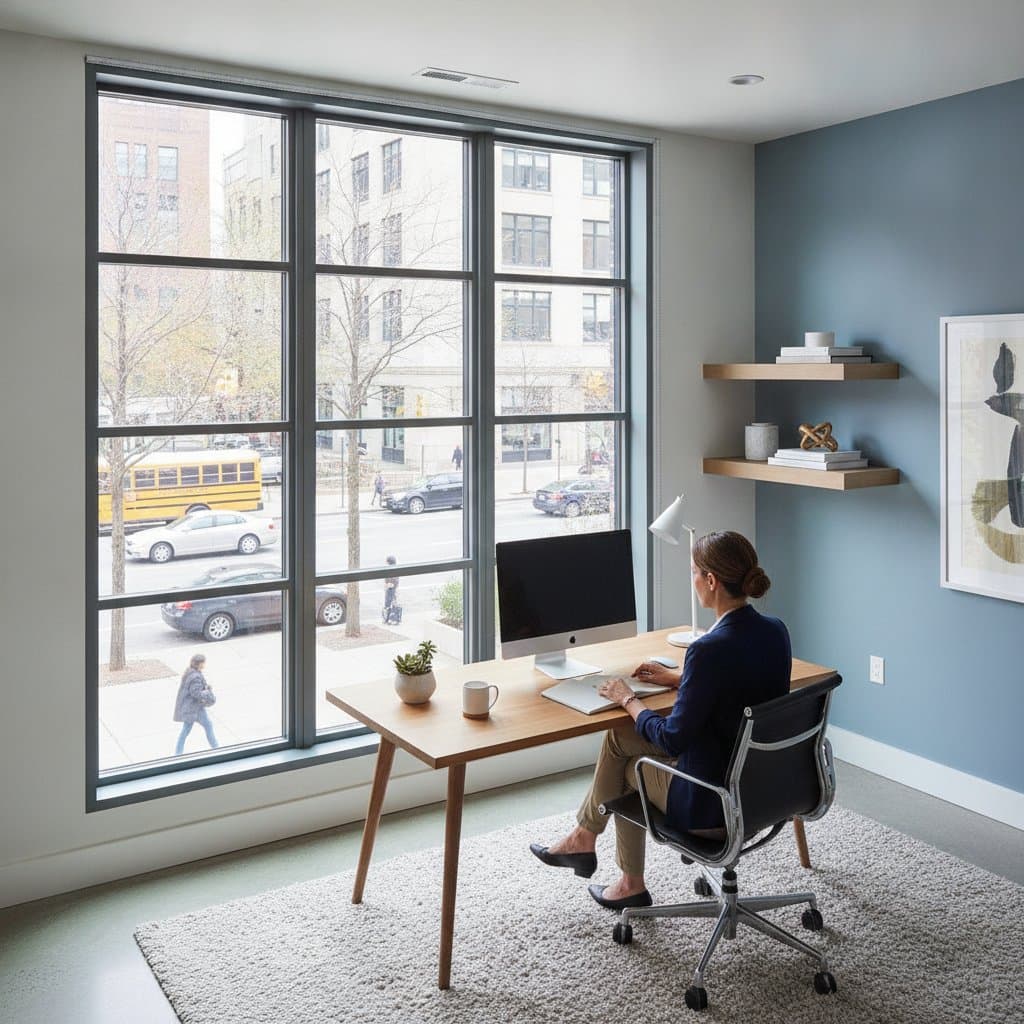
Working from home offers flexibility, yet background noise from street traffic, family activities, or nearby conversations often disrupts concentration. Acoustic doors address this issue by blocking up to 80 percent of unwanted sound, fostering a more productive environment. This guide explores the functionality, costs, materials, and installation of acoustic doors tailored for home offices.
How Acoustic Doors Function
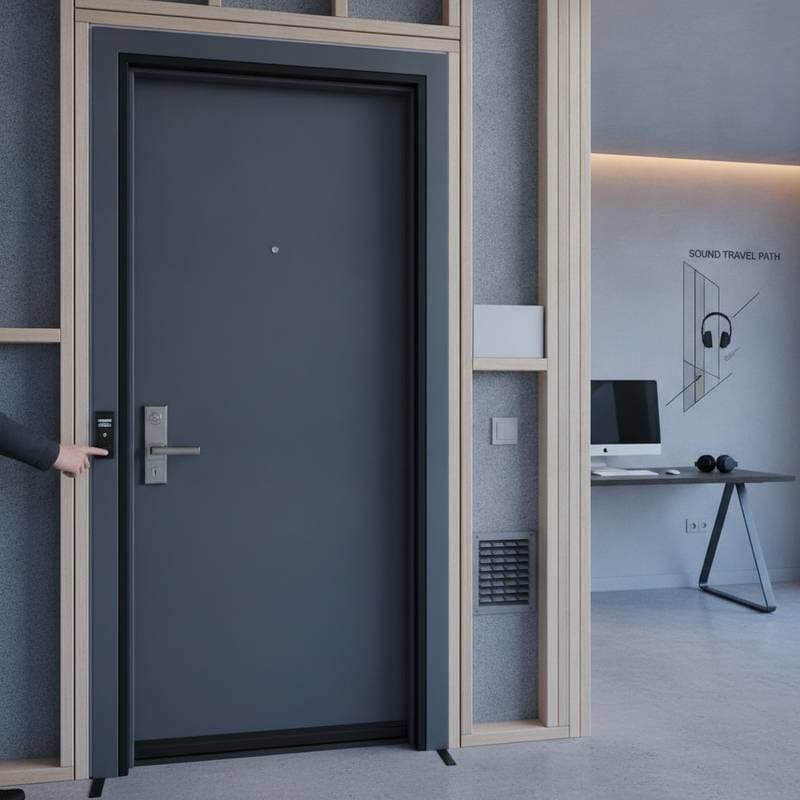
Acoustic doors prevent sound from traveling between rooms through dense cores, specialized seals, and layered constructions that absorb and redirect noise. These doors undergo testing to determine their Sound Transmission Class (STC) rating, which indicates sound-blocking effectiveness. A higher STC rating corresponds to superior noise reduction.
Standard hollow-core doors typically achieve an STC rating of 20 to 25, allowing sounds to penetrate readily. In contrast, a high-quality acoustic door attains an STC of 40 or above, which can diminish noise by up to 80 percent. Such performance enables clearer video calls and sustained focus in home offices.
Costs Associated with Acoustic Doors
The expense for installing an acoustic door in a home office generally ranges from $800 to $2,500, influenced by material selection, finish options, and desired soundproofing level. This figure often encompasses professional installation at the upper end.
| Material/Type | Cost Range (Installed) | STC Rating | Key Features |
|---|---|---|---|
| Solid Core Wood | $800 to $1,400 | 30-36 | Natural appearance, moderate reduction |
| Acoustic Composite | $1,200 to $2,000 | 38-42 | Multi-layer design, robust blocking |
| Metal Acoustic Door | $1,500 to $2,500 | 40-50 | Ideal for intense noise environments |
| Custom-Built Door | $2,000 and up | 45+ | Custom dimensions, enhanced insulation |
Data from the National Association of Home Builders indicates that such upgrades enhance home office value and support remote work efficiency.
Elements Affecting Overall Cost
Several variables determine the final price of an acoustic door installation.
- Material and Core Composition: Options like medium-density fiberboard (MDF) or engineered composites deliver stronger acoustic properties at a higher price point.
- Frame and Seal Specifications: Advanced seals around the perimeter may increase costs by $100 to $300 while optimizing isolation.
- Dimensions and Modifications: Larger doors or paired units demand additional resources, potentially raising expenses by 20 percent or more.
- Installation Demands: Adapting existing frames or incorporating threshold seals elevates labor charges.
Consider these aspects to align the investment with specific performance goals.
Evaluating Materials and Effectiveness
Selecting appropriate materials ensures optimal sound management in a home office.
| Door Material | Sound Reduction Level | Maintenance Requirements | Recommended Application |
|---|---|---|---|
| Solid Wood | Moderate | Periodic refinishing | Classic office settings |
| MDF Core | Good | Minimal | Cost-effective solutions |
| Acoustic Laminate | Excellent | Low | Sleek, modern interiors |
| Metal Composite | Superior | Low | Busy or communal areas |
While solid wood doors offer an organic aesthetic, they provide less consistent sound blocking compared to engineered alternatives. MDF and laminate varieties maintain steady performance with reduced upkeep demands.
Installation Process
The installation of an acoustic door demands greater precision than that of a conventional door to eliminate potential sound leaks.
Key steps involve:
- Dismantling the current door and frame.
- Fitting an insulated frame equipped with perimeter seals.
- Securing the door using reinforced hinges.
- Attaching an automatic drop seal to seal bottom gaps.
- Conducting tests to verify no sound escapes along edges.
Professional services for this process average $300 to $600, varying with door complexity and required adjustments. Engaging a qualified specialist guarantees effective sealing and intended functionality.
Weighing DIY Against Professional Installation
Individuals skilled in basic carpentry might swap a hollow-core door for a solid wood version independently. However, acoustic doors necessitate specific tools and methods to achieve full efficacy. Improper alignment of seals or thresholds could halve the noise reduction benefits.
Homeowners typically deem professional assistance valuable for reliable outcomes. As Mark Jensen, contractor at QuietSpace Interiors, notes, "Even a small gap under a door can let sound pour through. Precision is everything when it comes to acoustic performance."
Selecting an Appropriate STC Rating
The ideal STC rating hinges on the intensity of ambient noise and the office's position within the home.
| Noise Type | Suggested STC Rating | Expected Outcome |
|---|---|---|
| Mild household sounds | 30-34 | Fundamental privacy enhancement |
| Everyday talk, television | 35-40 | Appreciable noise diminishment |
| External traffic, raised voices | 40-45 | Substantial control |
| Loud music, equipment, dense traffic | 45+ | Advanced soundproofing |
An STC range of 38 to 42 strikes an optimal balance for typical home offices, combining affordability with effective results.
Design Choices and Visual Integration
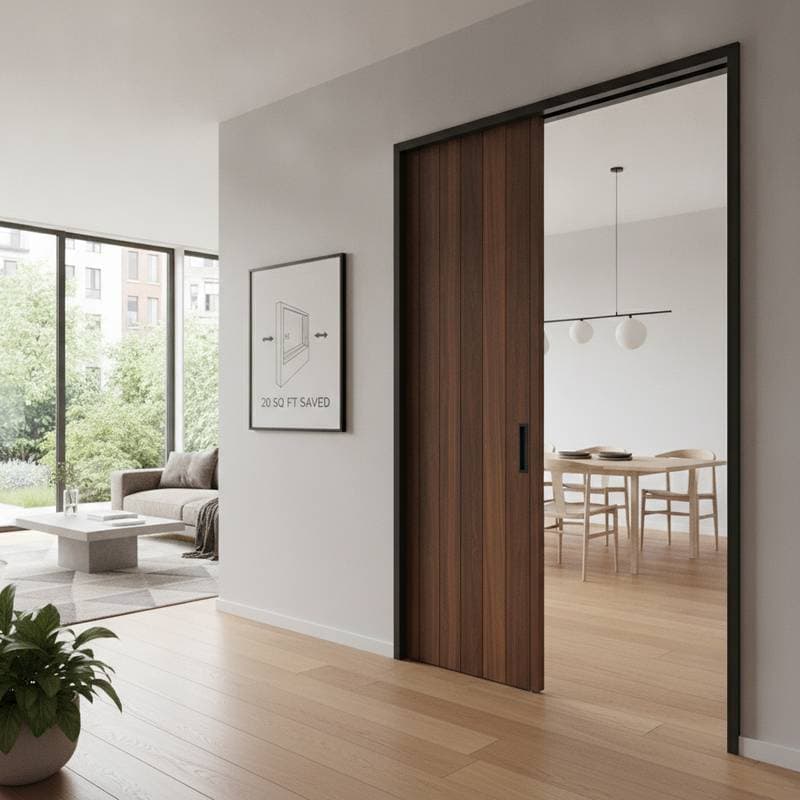
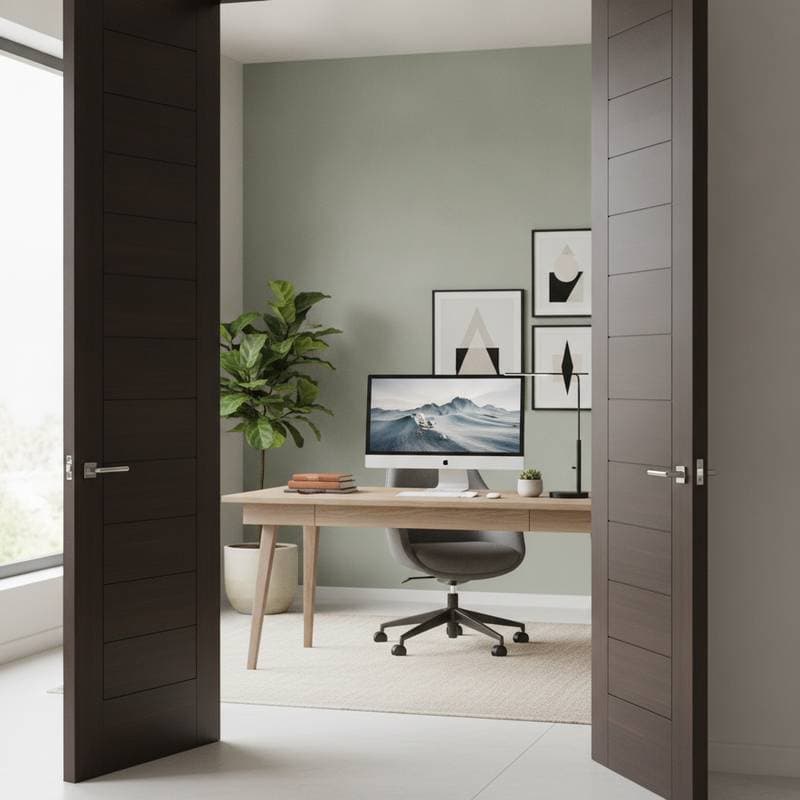
Modern acoustic doors integrate seamlessly into residential spaces, avoiding an industrial appearance. Options include wood veneers, painted surfaces, and varied panel configurations to complement existing decor.
Flush designs suit minimalist preferences, while paneled styles align with traditional aesthetics. Selecting hardware such as lever handles with compression mechanisms enhances seal integrity. Color-coordinated acoustic gaskets preserve both style and silence.
Upkeep and Durability
Routine care for acoustic doors involves surface cleaning and periodic seal evaluations. Inspect gaskets and drop strips every few months to confirm uniform compression. Replacing worn seals costs $50 to $150.
With proper attention, these doors endure over 20 years while retaining acoustic integrity. Refrain from applying paint to seals or hinges, as such actions may impair the sound barrier.
Additional Energy Advantages
Beyond noise control, acoustic doors contribute to energy conservation. Their solid construction and secure seals minimize air infiltration, stabilizing room temperatures. This feature proves particularly beneficial in offices adjacent to exterior walls or featuring large windows, modestly reducing utility expenses.
Indicators for Door Replacement
Consider upgrading if conversations from adjacent rooms remain audible or hallway disturbances interrupt professional tasks. Further signs include noticeable gaps in the frame, a resonant knock sound, or inadequate seal engagement.
Swapping a basic interior door for an acoustic version enhances privacy and output with minimal structural changes.
Steps to Implement the Upgrade
Transitioning to an acoustic door elevates a home office from a chaotic area to a serene professional hub. Begin by pinpointing dominant noise origins, then select materials and STC levels suited to your budget and requirements.
Arrange a meeting with a licensed installer experienced in acoustic installations. Request documentation of STC certifications and warranty information prior to commitment.
Following setup, routinely inspect seals and alignment to sustain performance. This investment yields sustained focus and ease, essential for effective remote work.