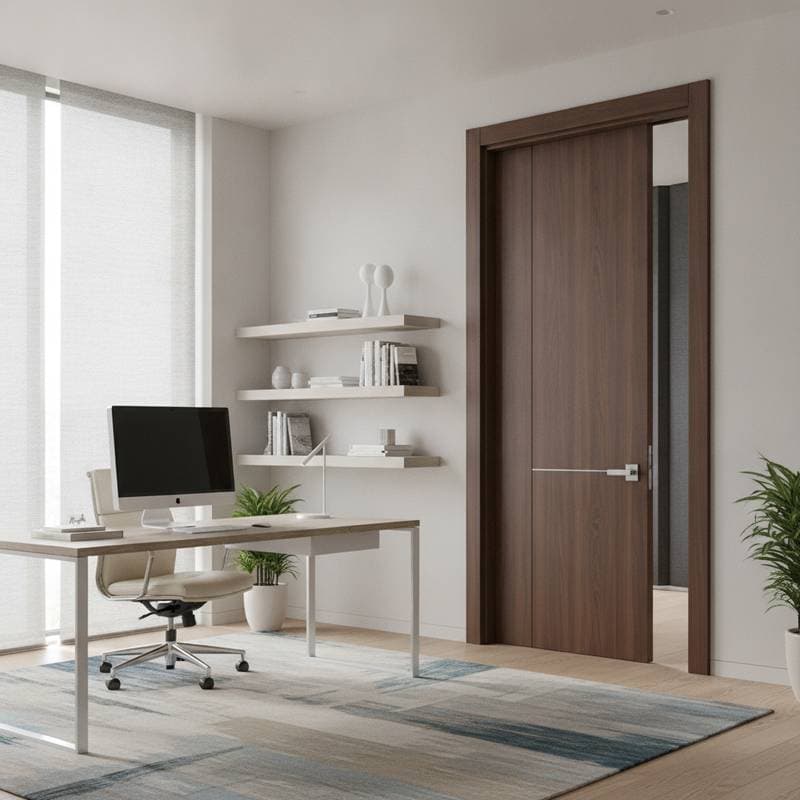
Acoustic Doors Cut Noise 80% for Quiet Home Offices
Creating a peaceful home office requires attention to sound control. Households with open layouts often struggle with noise from daily activities. Acoustic doors address this issue effectively. They reduce noise transmission by up to 80 percent through solid cores and precise seals while maintaining visual appeal across various interior styles.
Benefits of Sound Control
Quiet environments support better concentration and lower stress levels. Acoustic doors deliver these advantages with engineered construction that matches the appearance of standard wood doors. Custom finishes allow seamless integration with existing trim and flooring. Homeowners gain both functional performance and design cohesion.
Budget Options for Sound Reduction
Homeowners seeking affordable solutions can start with solid core composite doors priced between 400 and 800 dollars. Add self adhesive seals around the perimeter and a quality door sweep at the base. Apply a neutral matte paint finish to create a unified look with surrounding walls. These steps improve acoustic performance without extensive modifications.
Mid range selections fall between 800 and 1500 dollars. Veneer faced wood doors with sound transmission class ratings near 35 provide solid isolation. Upgrade to magnetic seals and automatic thresholds for better results. Pair with minimalist hardware in brushed nickel or matte black finishes that coordinate with nearby furniture.
Premium installations range from 1500 to 3000 dollars. Solid hardwood doors with high density cores achieve sound transmission class ratings above 40. Concealed hinges and custom frames ensure clean installation. Laminated glass inserts allow natural light while preserving acoustic benefits and overall style consistency.
Material and Finish Recommendations
Select double or triple pane glass with acoustic interlayers for any internal windows. Frosted options maintain privacy without blocking light. Oak walnut or maple veneers bring warmth to painted or stained surfaces. Use solid trim materials sealed with acoustic caulk to eliminate gaps.
Care and Upkeep Practices
Regular dusting and hinge lubrication keep acoustic doors in good condition. Painted surfaces may require occasional touch ups. Inspect seals and thresholds periodically to maintain contact. Consistent gentle use prevents misalignment over time.
Common Installation Errors to Prevent
Account for the added weight of acoustic doors when assessing frames and hinges. Professional installation ensures tight fits that maximize sound reduction. Plan for ventilation through acoustic grilles to avoid heat buildup in sealed spaces. Match hardware and trim styles early to maintain visual harmony throughout connected rooms.
Suggested Color Combinations
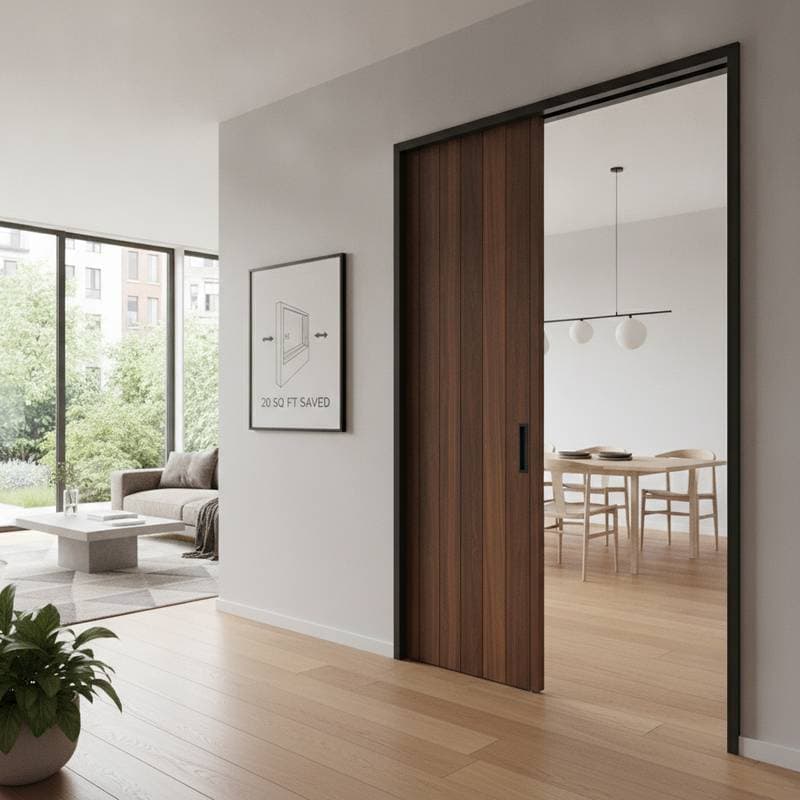
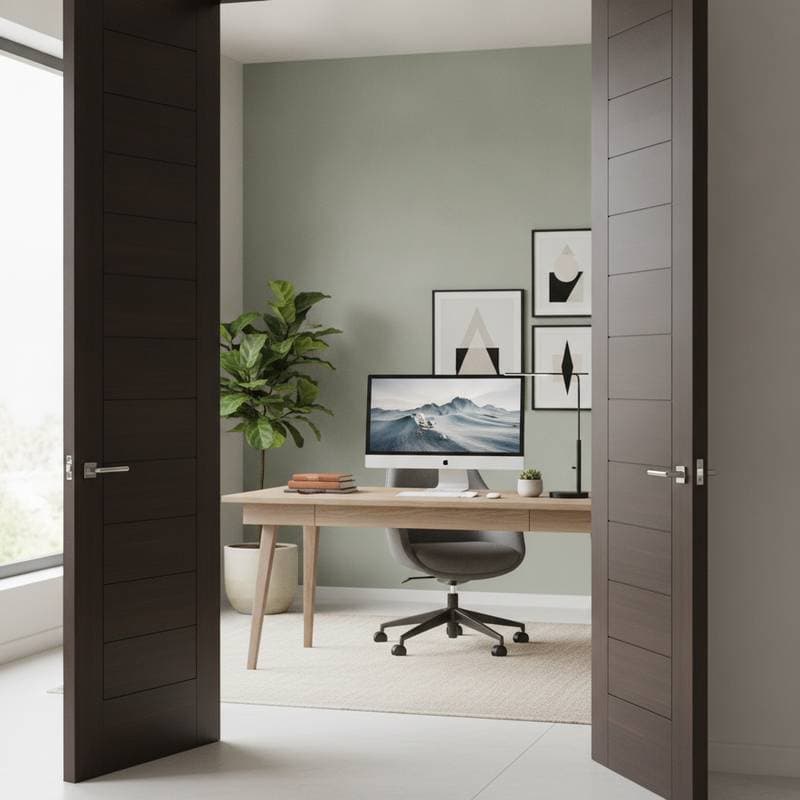
A calm office palette begins with soft gray walls. Warm walnut stains on doors add natural texture. Matte black hardware provides contrast while creamy white trim defines edges. Brushed steel fixtures complete the scheme with subtle reflections.
Preparation Steps Before Purchase
Photograph the workspace from several angles to evaluate light and proportions. Note existing architectural details and any local guidelines. Factor in climate effects on materials and review budget priorities focused on performance or aesthetics.
Choosing an Acoustic Door That Fits Your Space
Proper selection combines measured sound reduction with finishes that support the broader interior. The result supports focused work and contributes to a balanced home atmosphere.