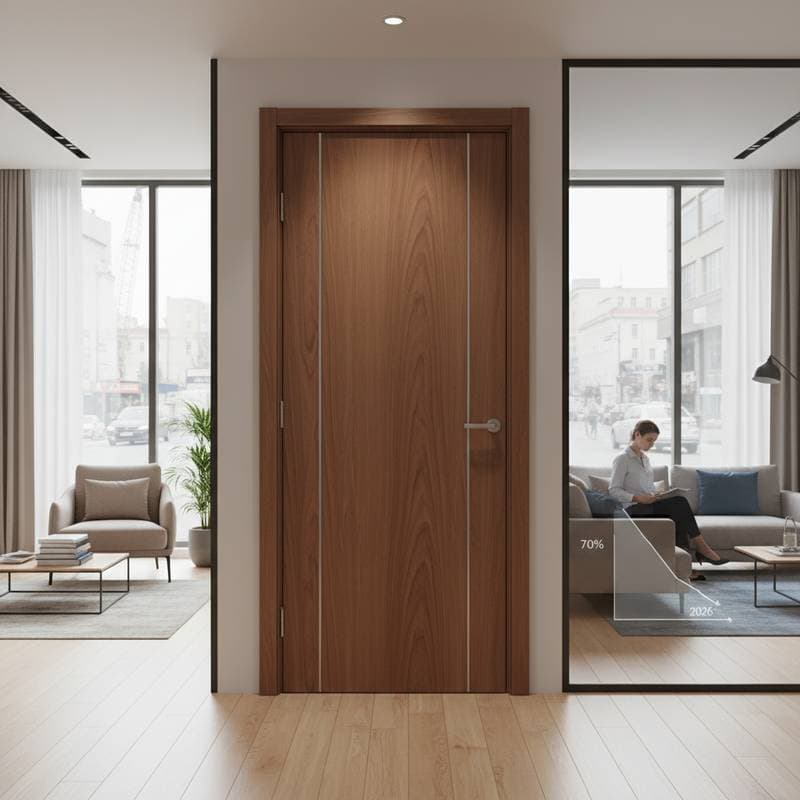
Acoustic Wood Doors: Achieving 70% Noise Reduction by 2026
Homeowners who desire serene interior environments discover acoustic wood doors as a reliable and aesthetically pleasing option. These doors merge the appeal of natural wood with sophisticated sound management, enabling tranquility alongside style and functionality. As production techniques advance in materials, seals, and evaluation protocols, acoustic wood doors now deliver reductions in noise transmission of up to 70 percent. Individuals preparing for home updates or builds benefit from insights into door mechanics, installation expectations, and selection criteria to align with personal needs and efficacy standards.
Core Principles of Acoustic Wood Doors
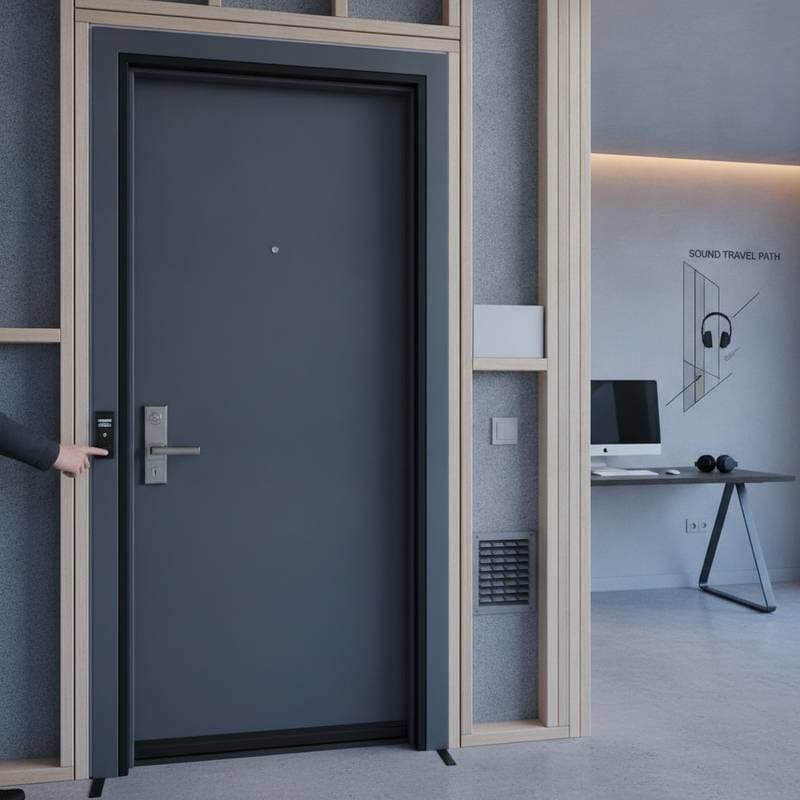
Acoustic wood doors stand apart from conventional interior doors due to their layered construction and airtight seals. Under the wood surface, whether veneer or solid, dense cores and vibration-dampening materials block sound waves. Seals along the edges and automatic drops at the base eliminate air leaks that permit noise to travel between rooms. This design yields a door that retains the classic wood aesthetic while offering substantial gains in seclusion and ease.
Performance relies on sound transmission class (STC) ratings, which quantify a barrier's ability to block sound passage. Ratings fluctuate based on build specifics, yet contemporary acoustic doors significantly lessen audio transfer in residences, workplaces, or multi-family settings.
Key Materials and Build Techniques
The door's inner framework dictates its sound-blocking capacity. Typical builds encompass:
- Solid-core variants featuring engineered or composite centers for mass and solidity.
- Laminated variants incorporating sound-absorbing sheets between wood layers.
- Hybrid variants integrating wood with metals or polymers for enhanced isolation.
Selections involve balances in heft, expense, and noise control. Solid-core models suit homes well, providing robust results with an inviting wood look. Laminated and hybrid types serve high-demand areas like media rooms or professional setups.
Finishes on the surface impact durability and effectiveness. Veneers or coatings safeguard against humidity, preserving acoustic qualities. For raw wood selections, apply sealants promptly to sustain structural integrity.
Side-by-Side Comparison of Door Types
Assessing acoustic wood doors involves examining essential attributes in a structured view.
| Type | Upfront Cost | Durability | Upkeep Needs | Ideal Applications |
|---|---|---|---|---|
| Solid Core | Moderate | Extended | Periodic touch-up | Bedrooms, studies, daily spaces |
| Laminated Core | Elevated | Extended | Minimal | Media areas, noise-shared walls |
| Hybrid Composite | Premium | Superior | Negligible | Studios, high-stakes professional use |
Premium choices demand greater initial outlay but yield prolonged reliability and steady noise mitigation. Decisions hinge on ambient sound, space purpose, and desired serenity levels.
Everyday Advantages for Living
Beyond mere silence, sound management shapes focus, rest, and household dynamics. Acoustic wood doors delineate zones in open layouts, enhancing adaptability. They bolster confidentiality in communal areas, permitting independent activities without interference.
In homes with diverse routines or remote work, such divisions foster harmony and efficiency. These elements cultivate a tranquil atmosphere that supports holistic health.
Initial Assessment and Setup Planning
Effective acoustic wood door integration starts with thorough evaluation. Pinpoint primary noise origins and impacted areas. Document frame dimensions, wall depths, floor inconsistencies, and molding profiles. Certain doors necessitate matched frame assemblies, so procure them as unified kits for streamlined fitting.
Account for door swing and space allowances. Heavier acoustic models require sturdy hinges and reinforced frames. Addressing these factors upfront avoids fitting complications.
Step-by-Step Installation Guide
Installation demands a methodical approach to safeguard soundproofing.
- Initial review: Verify dimensions, frame suitability, and acoustic demands.
- Site preparation: Examine walls and floors for firmness; confirm openings are plumb and level.
- Core assembly: Secure the frame, affix weight-appropriate hinges, and align the door precisely.
- Performance verification: Assess swing fluidity and seal engagement; inspect for drafts or light penetration.
- Finalization: Add edge seals and base drops, then conduct noise tests prior to cosmetic touches.
Engage specialists versed in acoustic systems to spot potential flaws. DIY efforts demand meticulous seal application, since minor breaches erode effectiveness.
Upkeep Strategies for Sustained Performance
Acoustic wood doors demand routine oversight rather than intensive labor. Inspect seals regularly for degradation and substitute worn parts. Adjust hinges periodically to counter the door's mass. Clean exteriors with mild, non-damaging solutions to uphold visual appeal.
Stable indoor conditions minimize wood expansion or contraction that disrupts seals. Control moisture levels, especially in fluctuating climates. Diligent practices ensure decades of reliable sound control.
Tailoring Doors to Specific Home Demands
Homes present unique sound issues. In multi-unit dwellings, prioritize barriers against neighbor noise. For standalone residences, target separations between sleep zones and activity hubs. Analyze daily room usage to identify priority spots for seclusion or hush.
Financial considerations guide selections. Elite models maximize reduction, while standard tiers offer solid value. View noise solutions as enhancements to overall home quality.
Future-Proofing Your Investment
Acoustic wood doors represent enduring commitments to comfort. They elevate routine living and boost resale draw, as modern buyers seek noise-responsive designs. Opt for certified ratings to guarantee verifiable outcomes and enduring contentment.
Anticipate enhancements like sensor-activated seals or adaptive bases. Design frames to support such additions, preserving flexibility and value over time.
Streamlining the Installation Timeline
Select doors, then time the project to limit interruptions. Pair replacements with broader refreshes, such as new floors or walls, for cohesive results. Assemble all elements—hinges, gaskets, fixtures—ahead, ensuring compatibility within the system. Organized execution delivers a refined, effective upgrade.