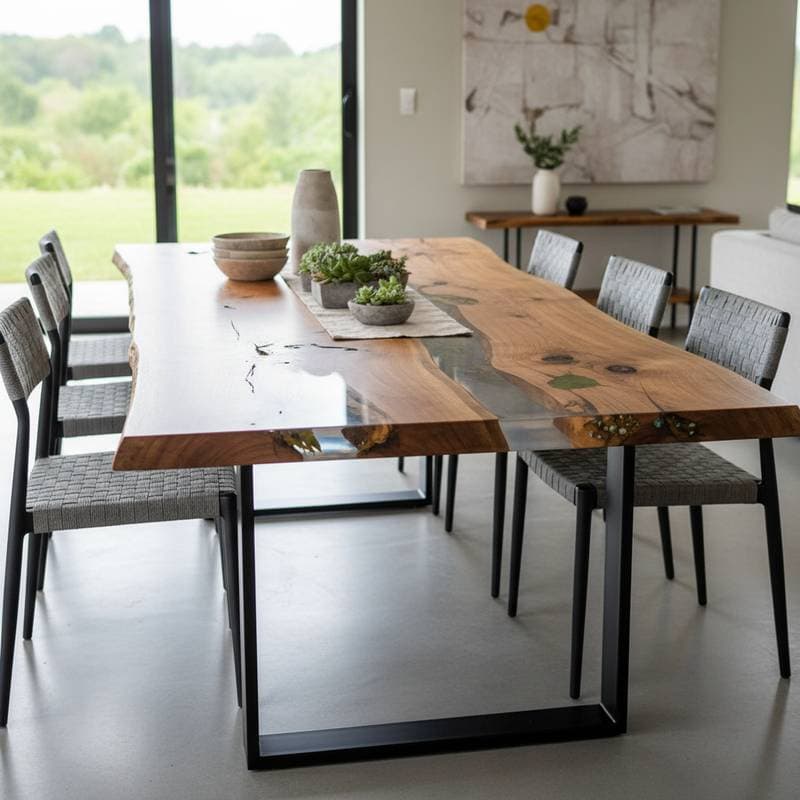
The Rise of the $8K Reclaimed Barn Wood Table
Reclaimed barn wood tables have shifted from humble farmhouse fixtures to essential elements in contemporary design. This evolution highlights a commitment to sustainability alongside skilled craftsmanship. Each table bears traces of its past through subtle saw marks, embedded nails, and the rich patina of seasoned timber. The draw stems from genuine texture, inviting warmth, and enduring presence that mass-produced items rarely match.
These tables now grace open-plan dining zones, urban lofts, and spare studios. The $8K price point underscores a preference for meaningful objects amid widespread uniformity. Artisans often incorporate salvaged wood with live-edge profiles or epoxy accents, elevating the result to a marker of distinction and personal expression.
Three Strategies to Achieve the Aesthetic
Economical Option ($1,000 to $2,500)
- Source reclaimed pine or oak from nearby salvage operations or deconstruction sites.
- Apply a matte polyurethane sealant to safeguard the grain from daily use while highlighting its natural patterns.
- Select ready-made steel trestle supports or wooden X-frame legs for straightforward assembly.
- Direct resources toward thorough sanding, sealing, and reinforcement instead of complex woodworking techniques.
Moderate Investment ($3,000 to $5,000)
- Choose substantial reclaimed planks from barn siding or structural beams, then plane them for refined surfaces that retain visual interest.
- Pair the timber with powder-coated black steel frames to evoke an industrial edge.
- Incorporate an epoxy stream or resin-infused fissure to accentuate natural flaws as intentional highlights.
- Engage professionals for finishing work that guarantees resilience against wear and spills.
Premium Choice ($6,000 to $8,000 and Up)
- Opt for uncommon hardwoods like walnut, chestnut, or elm recovered from period buildings.
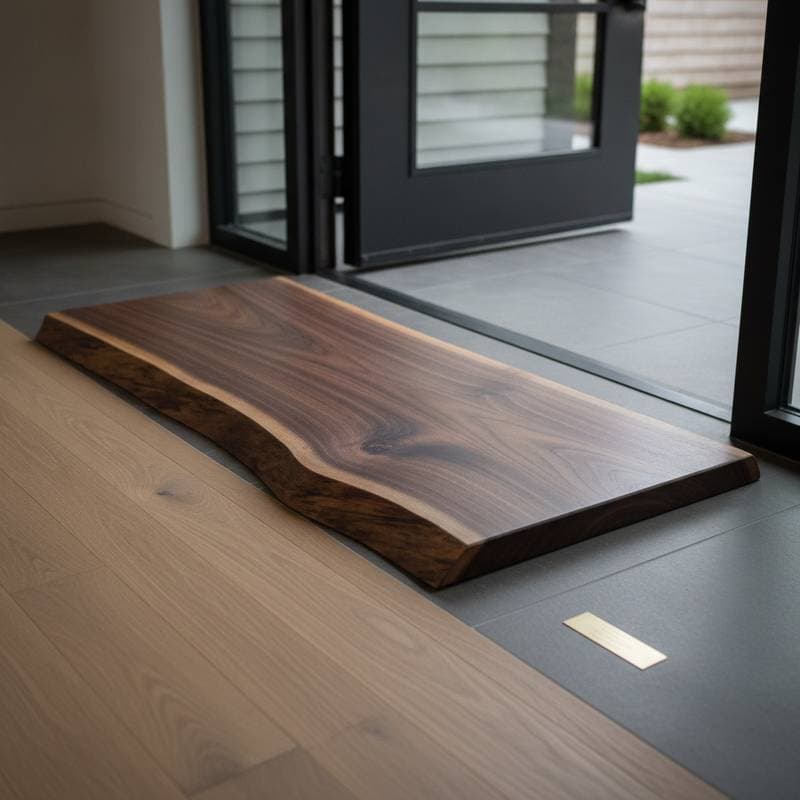
- Order a bespoke creation that honors the slab's organic contours, complemented by artisan-forged metal or timber supports.
- Specify a hand-applied oil treatment to deepen hues and preserve a responsive, organic feel.
- Extend the design with coordinated benches or consoles from identical reclaimed materials for unified room impact.
Guide to Materials and Finishes
- Tabletop Selections: Reclaimed oak and chestnut excel in durability and narrative depth. Walnut provides a sophisticated shadow. Maple and pine deliver brighter shades ideal for Nordic or seaside motifs.
- Support Options: Darkened steel, polished brass, or robust wood legs set distinct tones. Metal frameworks suggest grit, whereas all-wood assemblies foster natural ease.
- Resin Applications: Transparent or colored epoxy seals gaps, reinforces splits, or forms central waterways. Subtle azure or muted silver complements varied wood shades.
- Protective Layers: Penetrating oils accentuate patterns and simplify future touch-ups. Polyurethane or durable wax oils offer robust defense for active households.
- Profile Choices: Untamed live edges celebrate arboreal forms, straight cuts suit clean lines. Designers sometimes blend one rugged side with one polished for equilibrium.
Essential Maintenance Practices
Reclaimed wood tables withstand time yet demand mindful upkeep. Reapply penetrating oil every several months to sustain vitality. Polyurethane layers require minimal intervention but may reveal scuffs eventually. Position trivets under hot dishes and coasters beneath beverages to avert marks or haze.
Stable humidity prevents subtle shifts in the material. Consistent room conditions minimize risks of distortion. For resin elements, use gentle soap solutions instead of abrasives to maintain transparency. Thoughtful routines ensure these tables age gracefully across decades, gaining deeper character.
Common Pitfalls to Sidestep
- Excessive Abrasion: Aggressive sanding strips away the wood's history. Retain faint tool impressions and variances to uphold its narrative.
- Proportion Mismatches: Substantial tops demand solid foundations. Slender supports risk instability or stress fractures. Match bases to the piece's full mass.
- Moisture Neglect: Undried timber invites indoor expansion or cracks. Verify content levels prior to any treatments.
- Value Deceptions: Low-cost items labeled reclaimed may feature artificially aged fresh wood. Verify origins and request provenance from vendors or makers.
- Care Lapses: Neglected resealing leads to patchy tones and persistent spots. Integrate periodic reviews into routine home tasks.
Integrating with Color and Style
Reclaimed wood's versatility suits diverse aesthetics. Align palettes thoughtfully for harmony:
- Earthy Balance: Golden oak with ivory walls and subtle ebony fittings. Suits bridging or agrarian environments.
- City Edge: Rich walnut against slate floors and satin metal lamps. Fits warehouse or factory-inspired realms.
- Seaside Serenity: Pale pine alongside cream fabrics and faint azure details. Enhances bright, open areas.
- Refined Glow: Warm chestnut with forest walls, golden hardware, and fibrous elements. Elevates mixed or free-spirited rooms.
- Sleek Simplicity: Neutral maple over pale oak bases, dove cabinets, and stark black touches. Fosters calm, ordered spaces.
Preparation Steps for Visual Documentation
Capture your environment early to guide choices and avoid revisions. Basic images and observations sharpen focus.
- Photograph the intended zone from varied perspectives, noting overhead clearance and adjacent pieces.
- Record structural details like rafters, openings, or fixtures that shape scale and theme.
- Assess daylight intensity to gauge wood lightness or depth.
- Check community rules for outdoor or communal aspects if relevant.
- Establish spending limits and key desires before approaching craftsmen or scouting sources.
Realizing the Design Vision
Reclaimed barn wood tables persist in popularity by addressing heartfelt and functional desires. They link inhabitants to skilled traditions and resource stewardship. Flexible forms adapt to metal seating or cushioned options, stabilizing varied settings.
The material's inherent age imparts unique essence beyond factory outputs. It advances mindful consumption through material revival. From basic pine forms to elaborate walnut statements, this style affirms that rooted authenticity endures.