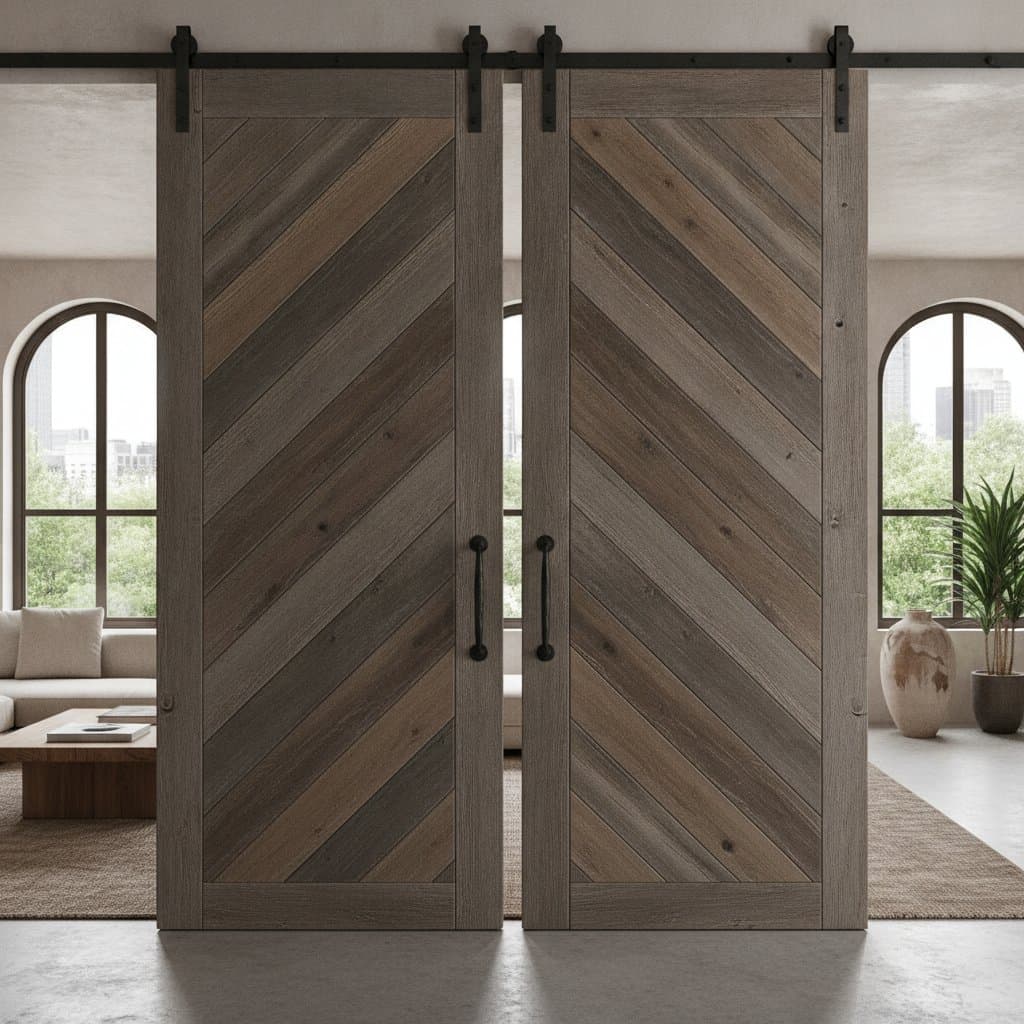
Reclaimed Barn Doors Reach Premium Prices in Luxury Design
Reclaimed barn doors have shifted from rustic accents to high end statement pieces. Homeowners now pay up to eight thousand dollars for authentic examples that deliver history and texture. These doors gain value through natural imperfections and the narrative each board carries. The trend aligns with demand for organic materials that last beyond seasonal styles.
Three Budget Strategies for the Aesthetic
Entry Level Path: One Thousand Two Hundred to Two Thousand Eight Hundred Dollars
- Select engineered wood panels finished to replicate aged grain and knots.
- Install a single sliding panel on basic steel track to limit hardware expense.
- Allocate funds to quality rollers that ensure quiet daily operation.
Mid Level Path: Three Thousand to Five Thousand Dollars
- Source genuine boards from demolished barns that show nail holes and color shifts.
- Add a soft close mechanism and perimeter seals for smoother performance.
- Apply a custom stain that highlights existing patina and pair it with bronze pulls.
Premium Path: Six Thousand to Eight Thousand Dollars
- Commission a maker to construct a custom door from locally reclaimed timber.
- Incorporate metal inlays or divided glass panels drawn from historic barn patterns.
- Treat the finished piece as architectural art that supports long term resale value.
Surface Pairing Recommendations
Match black or deep bronze window frames with the door to create contrast. Choose oak or chestnut species when authenticity matters most. Apply a matte low gloss sealant that protects without masking age marks. Vertical board and batten siding in warm gray provides a clean backdrop that lets the door remain the focal point. Wide trim boards and simple metal corbels complete the composition without visual competition.
Practical Upkeep Guidelines
Stabilize any remaining nails and surface irregularities before hanging. Use low volatile organic compound sealants suited to local humidity levels. Dust with a soft cloth and avoid abrasive cleaners that erode the finish. In damp climates allow the wood to adjust indoors for several days prior to installation. Reapply ultraviolet protection on exterior units every two seasons. Engineered versions require only routine wiping and suit households seeking lower maintenance.
Common Installation Errors to Prevent
Avoid pairing the door with overly distressed floors that compete for attention. Measure openings against ceiling height and nearby furniture to maintain visual balance. Engage an installer experienced with heavy panels to prevent sagging tracks. Select finishes rated for regional temperature swings so the wood does not warp after placement.
Palette Suggestions for Cohesion
- Weathered Neutral combines driftwood gray siding with white trim and matte black hardware.
- Warm Rustic uses honey oak against cream trim and bronze accents.
- Modern Contrast places deep espresso beside light concrete and brushed chrome.
- Soft Coastal features pale pine with sand siding and muted brass.
- Classic Barn pairs natural red oak with charcoal siding and aged iron.
Each scheme keeps saturation low so texture stays prominent.
Site Documentation Steps Before Purchase
Photograph all exterior elevations and close ups of existing trim. Note rooflines and neighborhood patterns that may restrict choices. Record typical weather exposure to guide finish selection. Set a firm budget range and identify which elements deliver the clearest visual return.
Achieving Lasting Integration
Reclaimed doors function as both partition and sculpture when proportions and finishes align with the surrounding architecture. Engineered options deliver comparable presence at lower cost while genuine pieces reward careful selection with decades of service. Thoughtful planning around texture, scale, and climate produces results that feel grounded rather than temporary.