Reclaimed Barn Doors Deliver Value for Modern Homes
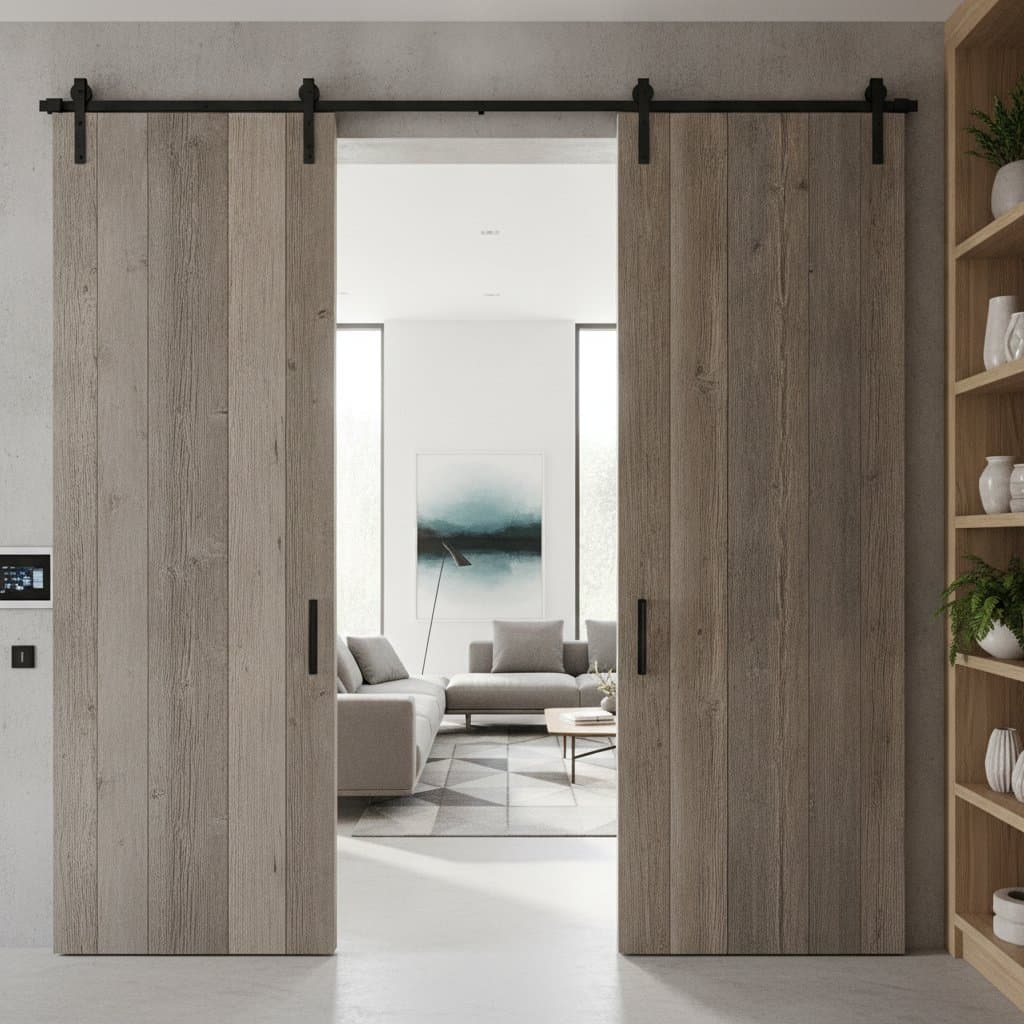
Reclaimed barn doors have moved from rustic farmhouses into high-end residential design. These doors combine craftsmanship, sustainability, and distinctive character that new materials rarely match. Homeowners gain both practical function and aesthetic benefits when they choose this option.
Understanding the Appeal of Reclaimed Barn Doors
Reclaimed wood carries visible marks of prior use that create unique texture and color. Each piece brings warmth to contemporary rooms and authenticity to traditional settings. Sustainable sourcing appeals to designers who seek environmental responsibility alongside visual interest.
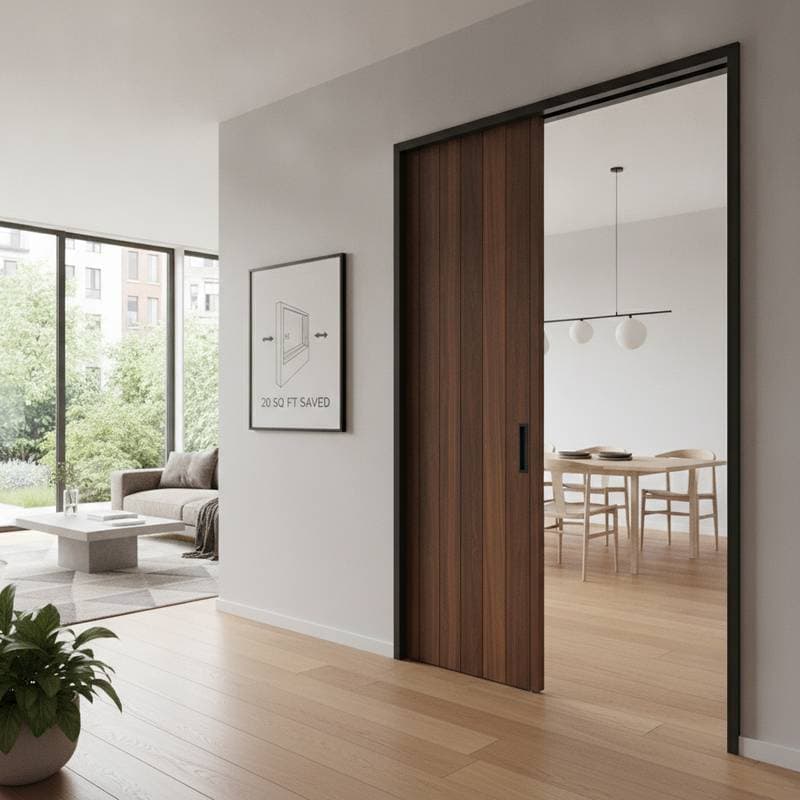
Barn doors slide along a track instead of swinging outward. This design saves floor space in bedrooms, offices, and kitchens. Real estate professionals often note that quality installations return close to five thousand dollars in added resale value.
Material Factors and Structural Quality
The strongest reclaimed boards come from old barns, warehouses, or factories that used dense hardwoods. These boards have already dried naturally over decades, which improves stability. Suppliers inspect each piece for nails, rot, and pests before cleaning and sealing the surface.
Homeowners select finishes according to the desired look. A natural matte coating preserves aged character, while a light stain produces a more uniform appearance. Proper hardware selection ensures smooth travel and secure mounting.
Comparing Reclaimed and New Wood Choices
| Option | Initial Cost | Lifespan | Maintenance | Best For |
|---|---|---|---|---|
| Reclaimed Barn Door | Moderate to High | 50+ years | Periodic oiling or sealing | Sustainable, character-rich interiors |
| New Solid Wood Door | Moderate | 30 to 40 years | Refinishing as needed | Traditional or modern uniform designs |
| Engineered Wood Door | Low to Moderate | 20 to 25 years | Minimal | Cost-sensitive projects or rental properties |
Reclaimed doors cost more at purchase yet provide longer service and distinctive appearance. New solid wood offers consistent grain but lacks the depth of aged material. Engineered options suit tight budgets yet rarely match reclaimed resale impact.
Installation and Process Considerations
- Measure the opening and confirm wall support for the track and door weight.
- Sand and seal the wood, then select hardware rated for the door mass.
- Mount the track, hang the door, and adjust rollers for level travel.
- Verify even gaps and secure closure before applying final finish coats.
Professional installation prevents alignment issues that arise from wood irregularities. Homeowners who attempt the work themselves should allow extra time for fitting.
Long-Term and Lifestyle Considerations
These doors separate open-plan areas while preserving light and sight lines. In compact rooms they eliminate the swing arc required by conventional doors. Occasional dusting and light oil application maintain surface quality without the chipping common to painted finishes.
Selecting the Right Option
Match wood tone to existing beams or brick for visual cohesion. In humid climates apply extra sealer and allow airflow behind the door. In dry regions use conditioning oil to limit shrinkage. Request origin documentation from suppliers to confirm prior treatment against insects.
A well-chosen reclaimed barn door becomes a lasting focal point that reflects both craftsmanship and environmental care.