Reclaimed Barn Wood Windows: Rustic Revival for Authentic Character
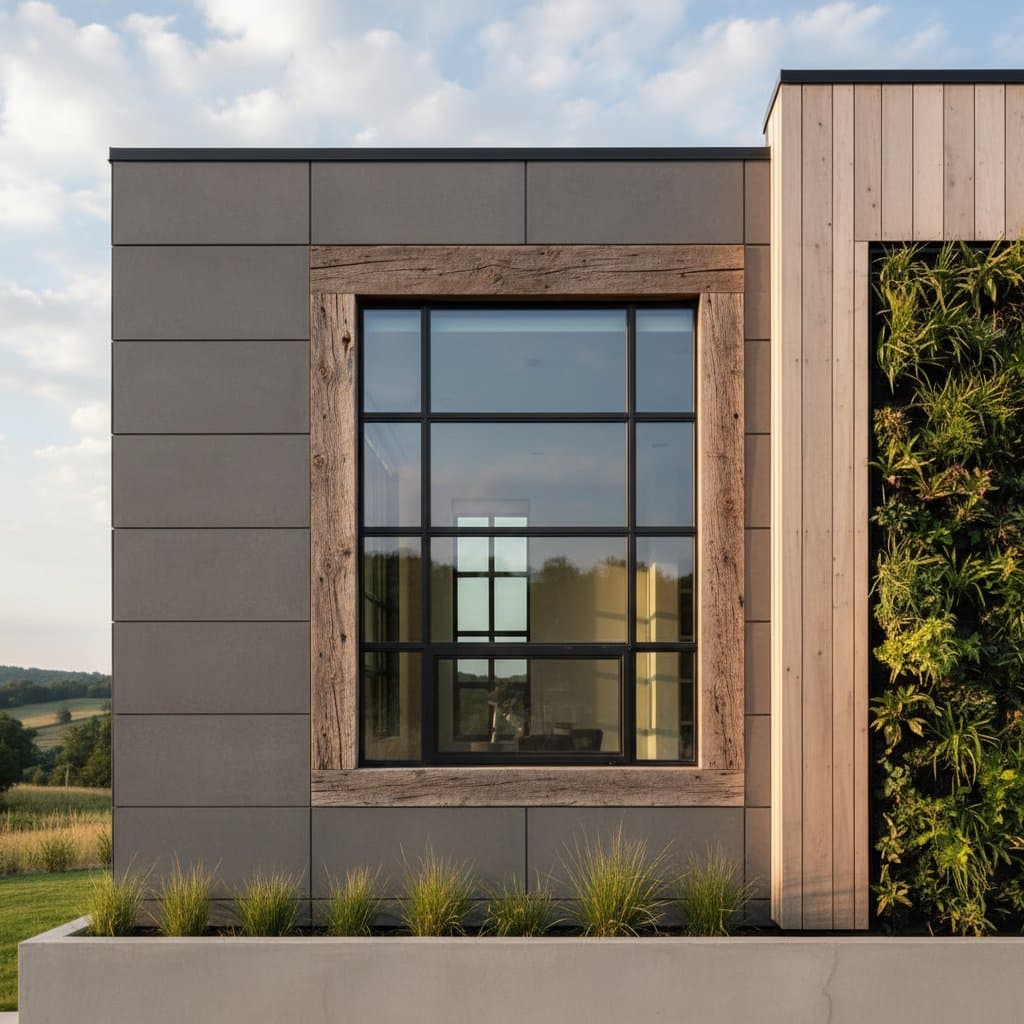
Weathered textures, warm tones, and pronounced grain patterns characterize the reclaimed barn wood window trend, which commands fresh interest in exterior design. This revival honors genuine craftsmanship by integrating aged wood with contemporary glass and metal accents. The result conveys a sense of grounding and natural depth that synthetic materials rarely achieve. It aligns seamlessly with modern farmhouse, mountain lodge, and cottage-style residences, while its eco-friendly nature appeals to those prioritizing sustainable living.
Reclaimed barn wood windows introduce the tactile essence of rural landscapes into sophisticated architectural settings. Their inherent imperfections narrate histories of endurance and adaptation, yielding exteriors that balance familiarity with refinement. Integrated thoughtfully with complementary doors, siding, and trim, this approach elevates ordinary façades into textured tributes to heritage.
Three Approaches to Achieve the Look
Budget Approach ($8,000 - $12,000)
- Select faux reclaimed finishes or engineered composites that mimic wood grain for window frames.
- Opt for vinyl or aluminum frames clad in reclaimed-style veneer to minimize maintenance and expenses.
- Apply genuine barn wood sparingly, such as on accent trim or one focal window, to amplify visual impact without extensive material demands.
Mid-Range Approach ($13,000 - $20,000)
- Incorporate authentic reclaimed barn wood for prominent frame elements alongside aluminum-clad interiors for resilience.
- Install double-pane glass with energy-efficient seals to uphold performance standards while retaining the rustic aesthetic.
- Complement with coordinated reclaimed wood shutters or a barn-inspired entry door to unify the overall theme.
Premium Approach ($21,000 - $35,000)
- Engage artisans for custom windows crafted from stable reclaimed beams harvested from historic barns.
- Feature hand-forged joinery, iron hardware, and built-in storm safeguards for superior functionality.
- Harmonize with barn wood doors and soffit accents to forge a cohesive design that boosts property value over time.
Material and Finish Selection Guide
- Windows: Prioritize reclaimed oak, pine, or chestnut featuring knots and natural patina for true authenticity. Pair with matte black or antique bronze hardware to echo the wood's aged quality. Casement and double-hung configurations adapt well to both traditional and modern rustic architectures.
- Doors: Enhance presence with a reclaimed barn wood entry door accented by iron strap hinges or clavos. Integrate insulated cores for thermal efficiency and apply a clear, low-gloss sealant to showcase the grain.
- Siding: Employ board-and-batten or shiplap profiles from reclaimed planks for visual continuity. Blend with stone or fiber cement sections to enhance longevity in demanding weather conditions.
- Trim and Accents: Utilize reclaimed barn wood for sills, lintels, and fascia. Incorporate galvanized or patinated steel for lighting and gutters to sustain the weathered motif.
Maintenance Considerations
Reclaimed barn wood offers inherent durability yet requires proactive care to sustain its allure. Apply sealants to guard against moisture and pests, particularly in humid or coastal areas. Penetrating oil finishes preserve the wood's inherent hues without creating shine. Conduct yearly checks to identify potential cracks or distortions, focusing on junctions between wood and metal.
Engineered faux options and composites simplify upkeep with built-in UV protection and fade resistance. While they forgo the profound tactility of authentic lumber, they suit those seeking low-effort solutions. In arid climates, routine conditioning suffices for reclaimed wood; in moist regions, install overhangs and ensure drainage to avert decay.
Common Pitfalls to Avoid
- Excessive Texture Overload: An abundance of reclaimed elements risks visual clutter. Counterbalance with sleek plaster, brick, or metal surfaces to preserve compositional clarity.
- Overlooking Wood Integrity: Reclaimed pieces vary; verify kiln-drying and pest treatments before use in structural frames.
- Neglecting Finishes: Exposed raw wood invites rapid deterioration despite its appeal. Employ breathable sealers to safeguard aesthetics and strength.
- Underestimating Installation: Irregular dimensions in reclaimed wood demand skilled labor to seal gaps and secure weather resistance.
Coordinating Colors and Styles
Reclaimed barn wood exteriors thrive in palettes that emphasize texture through earthy contrasts. The following pairings provide starting points:
- Warm Rustic: Honey-toned oak windows, terracotta accents, and cream trim evoke sun-drenched farmhouses.
- Modern Rustic Contrast: Charcoal siding offsets gray barn wood frames with matte black metal details.
- Natural Neutral: Driftwood gray siding harmonizes with tan frames and aged bronze hardware.
- Heritage Mix: Barn red doors pair with weathered cedar windows against off-white clapboard.
- Cool Industrial Rustic: Slate blue siding complements reclaimed pine frames and brushed nickel elements.
Align these schemes with roofing, stone features, and landscaping for cohesion. Embrace tonal variations to add dimension, ensuring underlying hues unify the ensemble.
Pre-Project Photography Checklist
Homeowners benefit from thorough documentation to inform decisions and align with professionals. Reference images streamline material and color choices while respecting existing structures.
Checklist:
- Capture exterior photos from multiple angles, including detailed shots of current windows and trim.
- Assess the home's architectural style and catalog present materials to guide proportional integrations.
- Evaluate local aesthetics and HOA guidelines influencing selections.
- Note environmental factors like sunlight, humidity, and wind patterns to select resilient materials.
- Establish budget limits and prioritize zones, such as entryway enhancements or complete replacements.
Integrating Elements for Lasting Impact
Beyond mere reminiscence, the reclaimed barn wood movement advances authenticity, environmental stewardship, and sensory-rich design. Authentic wood infuses modern builds with vitality, while material reuse promotes green construction.
Uniting reclaimed windows with matching doors and siding crafts a deliberate, enduring story. The interplay of rough wood against sleek glass or metal generates compelling visual dynamics that heighten street presence. Thoughtful investments yield rewards in aesthetics and utility, blending allure with robustness.
Budget-conscious options like engineered substitutes or targeted accents deliver comparable rustic essence. Success hinges on measured application and precise execution. Subtle enhancements, from wood lintels over panes to shutters flanking sleek glass, can redefine an entire exterior's character.
With meticulous planning and ongoing care, reclaimed barn wood windows craft inviting, narrative-driven façades. Whether against pristine white siding for farmhouse vibes or dark panels for contemporary edge, they instill profound authenticity that resonates long-term.