Acoustic Glass: The Quiet Revolution in Modern Home Design
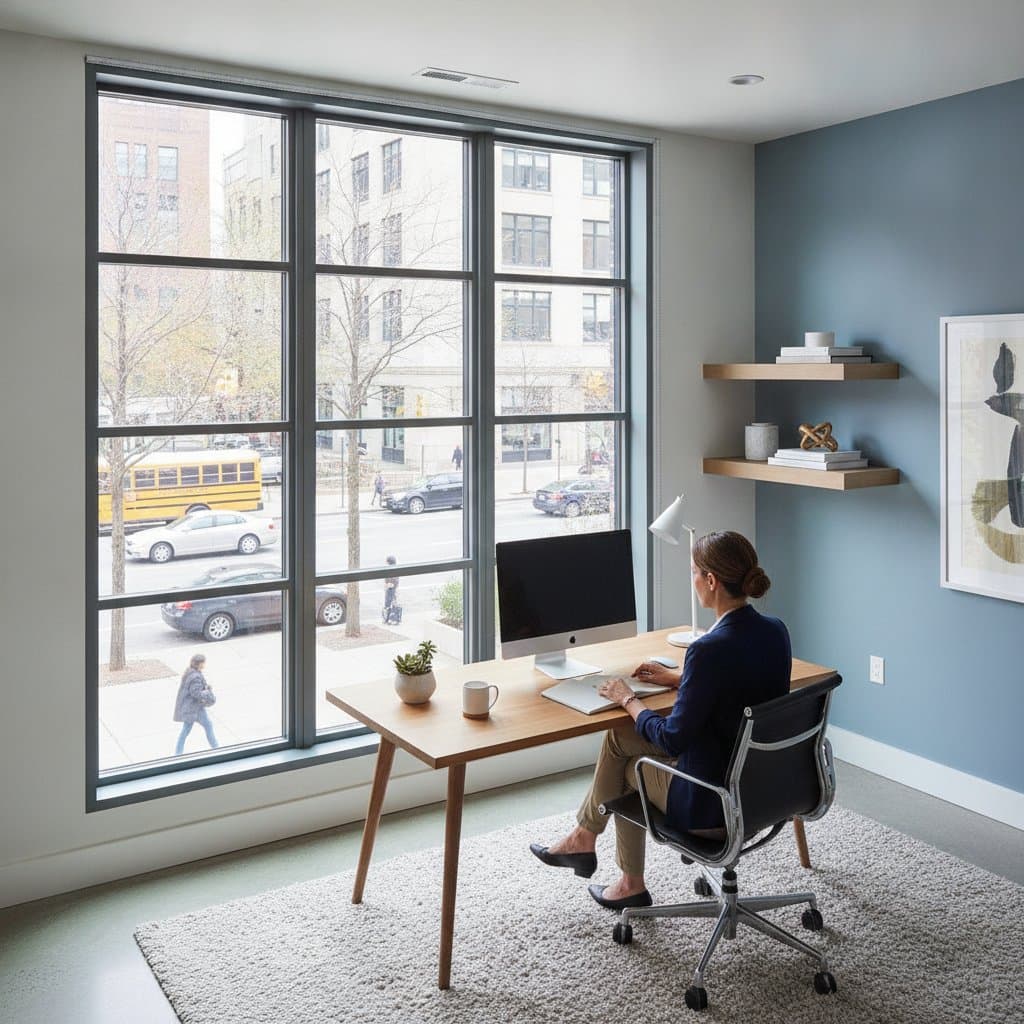
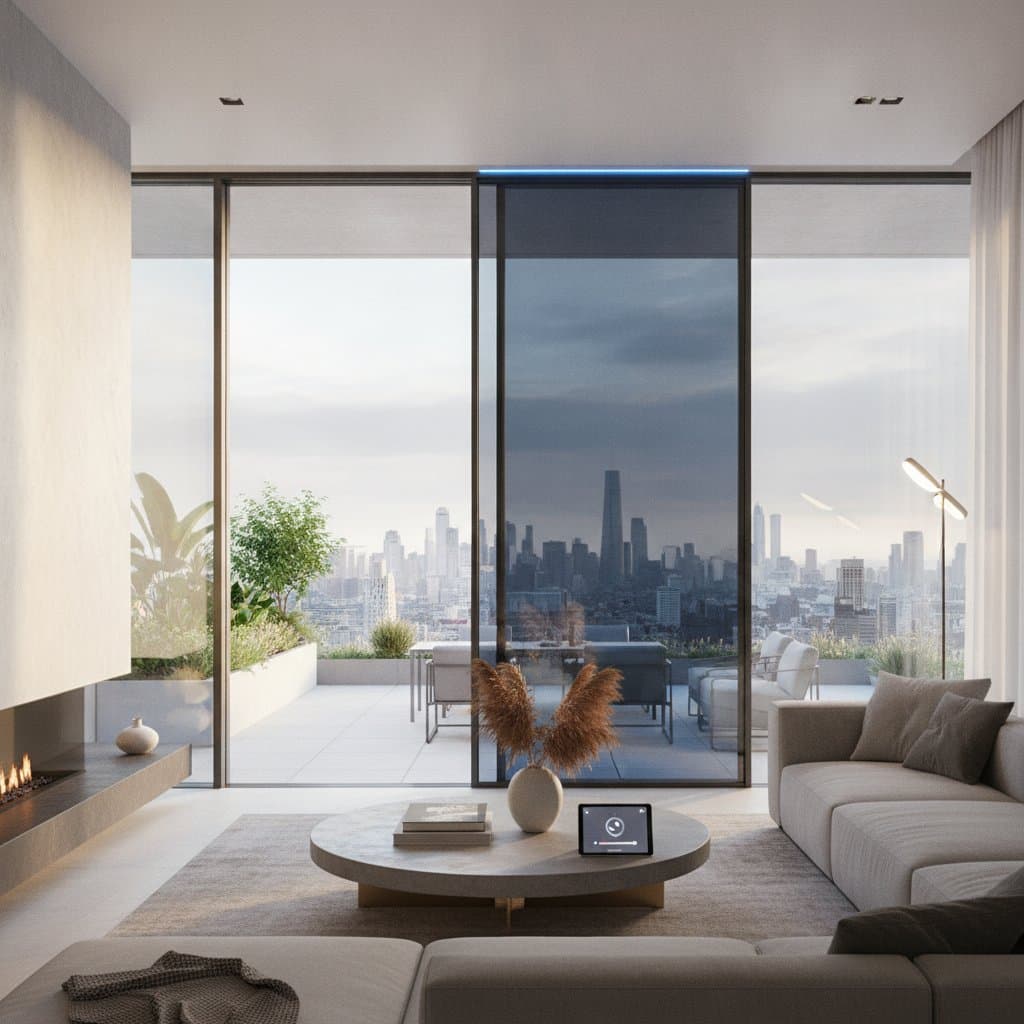
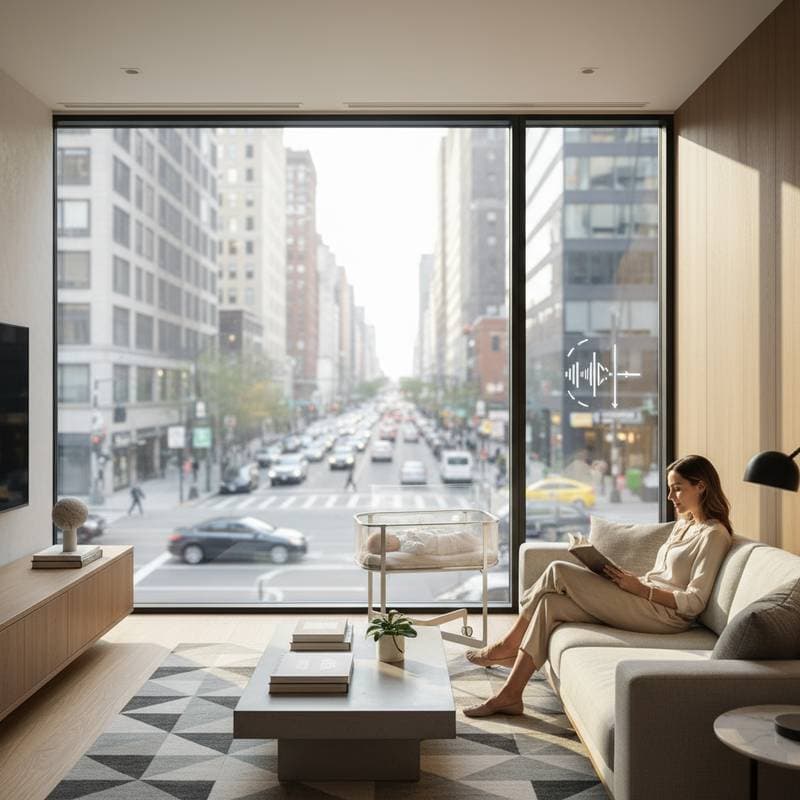
The demand for peaceful living spaces has never been higher. Homeowners now seek materials that block external noise without sacrificing style or efficiency. Acoustic glass delivers up to 85 percent noise reduction while preserving clarity and energy performance. This technology reshapes windows and doors to create calm interiors even in dense urban settings.
Acoustic glass combines strong sound control with refined appearance. It softens traffic, aircraft, and neighborhood sounds into a quiet backdrop. The material suits modern and traditional homes alike.
Budget Tiers for Installation
Save Approach ($2,000 - $5,000)
- Select laminated acoustic glass panels for bedrooms and offices. Pair them with vinyl frames that limit vibration.
- Target only high noise walls rather than full replacement. Add quality weatherstripping and double seals to improve results.
Mid Range Approach ($6,000 - $12,000)
- Fit double glazed acoustic units with laminated panes and air gaps. These options improve both noise control and insulation.
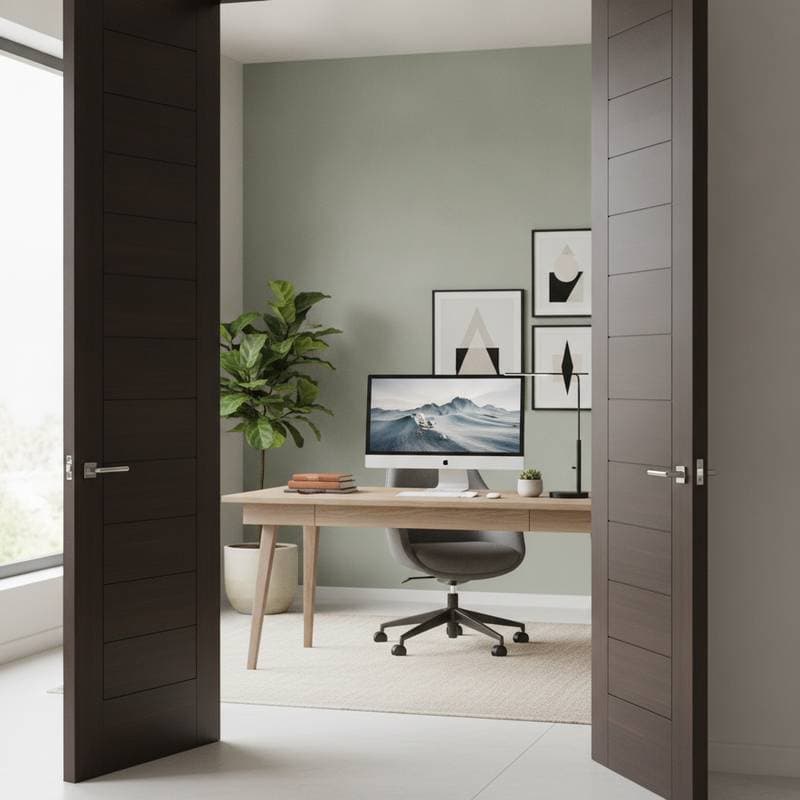
- Use composite frames to cut resonance. Add matching acoustic doors for consistent performance.
Invest Approach ($13,000 - $25,000)
- Install triple glazed systems with specialized interlayers. These units block up to 85 percent of external noise.
- Choose architectural aluminum clad or solid wood frames. Include custom entry doors with acoustic cores.
Material and Finish Selections
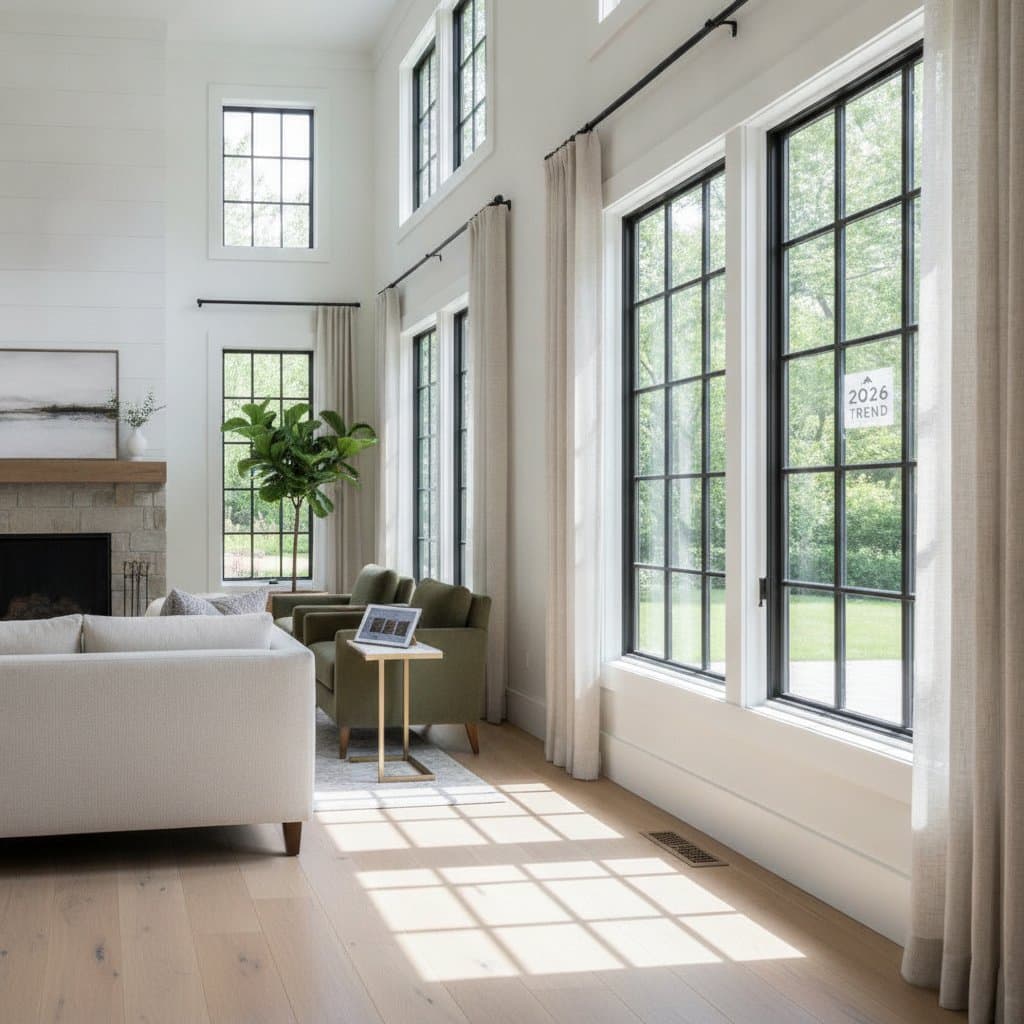
Choose laminated or multi layer glass with varied air gap thicknesses. Black or bronze frames suit modern homes while off white or wood tones fit traditional styles. Matte nickel hardware provides a clean finish.
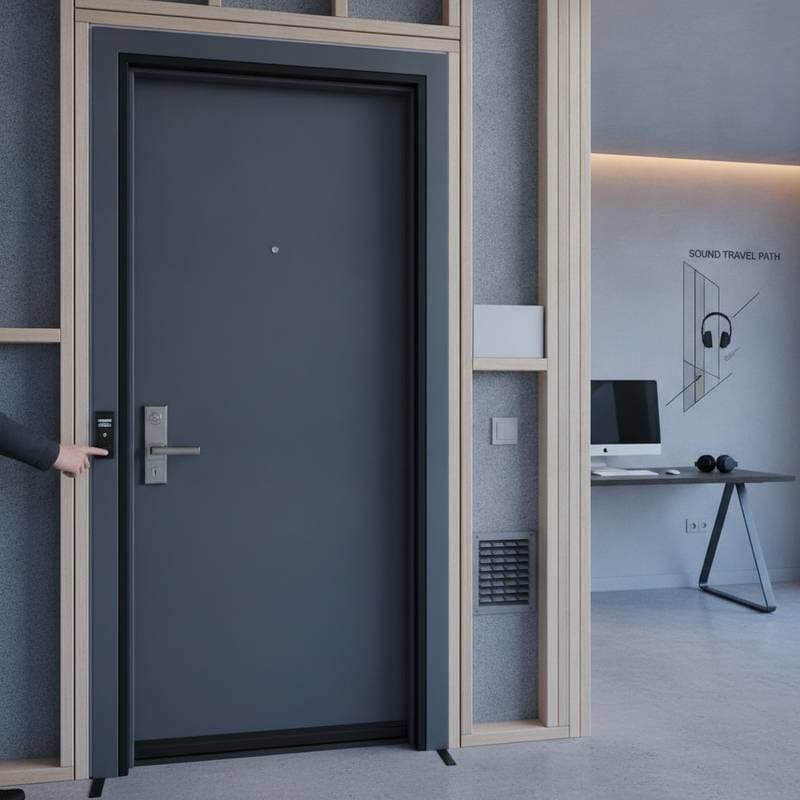
Select solid core acoustic doors with double seals. Frosted panels maintain privacy and light. Pair the windows with fiber cement or insulated vinyl siding to absorb sound. Coordinate trim colors with frames for visual balance.
Maintenance Practices
Clean laminated glass with a soft cloth and pH neutral solution. Inspect frames yearly for seal integrity. Vinyl needs little care while wood requires periodic sealing. Professional installation prevents gaps that reduce performance.
Common Installation Errors
- Assess all walls, not only street facing ones, before placement.
- Verify frames and seals meet acoustic standards.
- Match window proportions and finishes to existing architecture.
- Plan ventilation with acoustic vents to avoid trapped air.
Color and Style Options
- Charcoal frames with warm white siding suit modern farmhouse designs.
- Soft gray frames with natural wood accents work for contemporary homes.
- Deep navy frames with cream siding evoke coastal style.
- Earthy taupe frames pair well with stone or brick.
Use frames as the design anchor. They define rhythm and tie siding, trim, and glass together.
Site Documentation Steps
- Photograph front, back, and side elevations.
- Capture close views of current windows and trim.
- Record neighborhood context for curb appeal.
- Note roofline and landscaping light patterns.
- Document interior views from noisy rooms.
Climate Specific Performance
Hot regions benefit from solar control coatings. Cold areas gain from triple glazing that limits condensation. Coastal homes require corrosion resistant frames. Wet climates need moisture resistant materials while arid zones call for UV protection.
Value and Phased Planning
Prioritize rooms with greatest noise exposure. Mix composite frames on secondary sides with premium materials at focal points. Begin with primary windows and expand later. Check energy rebate programs for insulation credits.
Supporting Elements
Insulated siding reduces vibration. Downward exterior lighting limits glare on glass. Acoustic upgrades on garage doors or porch panels further contain sound. The result is a complete envelope that manages noise and presents a polished look.
Acoustic glass turns ordinary openings into effective sound barriers. Thoughtful material choices and installation deliver lasting comfort and visual appeal.