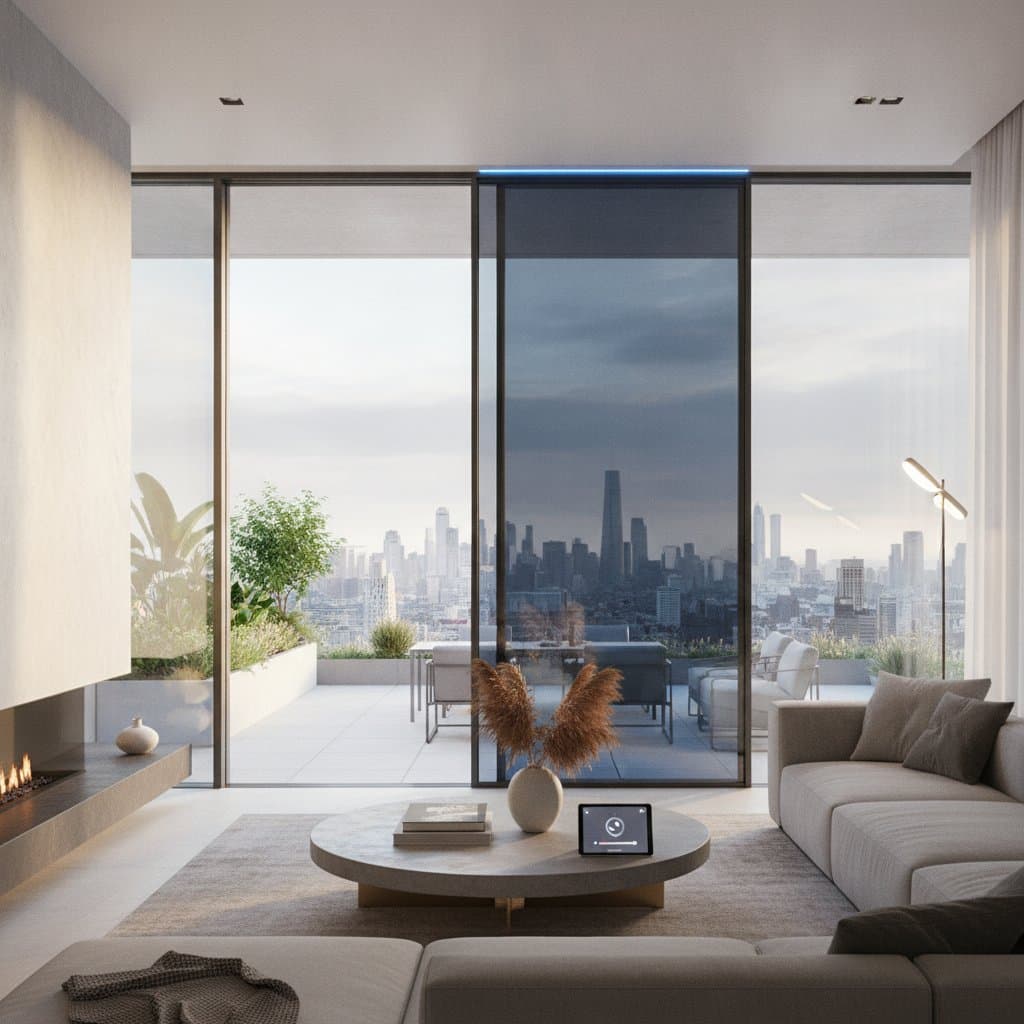

How Acoustic Windows Achieve Superior Noise Reduction
Noise control plays a vital role in contemporary homes. Unwanted sound from streets or neighborhoods interferes with rest and focus. Acoustic windows provide an effective solution by blocking up to 80 percent more noise than standard windows through advanced construction techniques.
Key Design Features That Minimize Sound Transmission
Sound moves via air and materials. Standard windows permit easy passage due to thin glass and poor seals. Acoustic models incorporate targeted elements to counter this.
- Laminated glass layers bond multiple panes with an interlayer that dampens vibrations.
- Panes of varying thicknesses break up sound waves and limit resonance.
- Wider insulated gaps between panes weaken sound energy.
- Precision frame seals block air leaks that transmit noise.
These elements combine to lower sound entry and foster calmer indoor spaces.
Performance Comparison of Acoustic Window Options
Various configurations deliver different noise reduction levels. Selection depends on noise type, structure, and expectations.
| Option | Initial Cost | Lifespan | Maintenance | Best For |
|---|---|---|---|---|
| Double glazed acoustic glass | Moderate | Long | Occasional cleaning | Homes near moderate traffic |
| Triple glazed acoustic glass | High | Long | Minimal | Urban or high-noise zones |
| Secondary glazing systems | Moderate | Medium | Some upkeep | Historic homes or rentals |
Homeowners should evaluate soundproofing performance along with energy efficiency and weight. Heavier glass requires stronger frames and professional installation.
Installation Process and Quality Checkpoints
Acoustic window installation follows a careful procedure to ensure proper sealing and performance.
- Planning and evaluation identify main noise sources and assess window placement.
- Preparation steps measure openings precisely and inspect existing frames.
- Main implementation installs frames with acoustic-grade sealants and fits glass units securely.
- Quality assurance checks for air gaps, verifies seal integrity, and confirms smooth operation.
- Completion and follow-up clean surfaces, test for noise leaks, and register manufacturer warranties.
Professional installation is strongly recommended. Even small gaps or misalignments can compromise noise reduction, making precision essential.
Long-term Considerations for Homeowners
Acoustic windows cost more initially, yet their benefits extend beyond noise control. They improve insulation, reduce energy consumption, and enhance property value. Maintenance remains simple and focuses on keeping seals clean and intact. Over time the combination of durability and performance offsets the higher upfront expense.
Acoustic windows also influence lifestyle comfort. Quieter interiors promote better sleep, more productive work environments, and peaceful family spaces. For homes with children or elderly residents a calm interior can improve well-being and reduce stress.
Making the Right Selection for Your Home
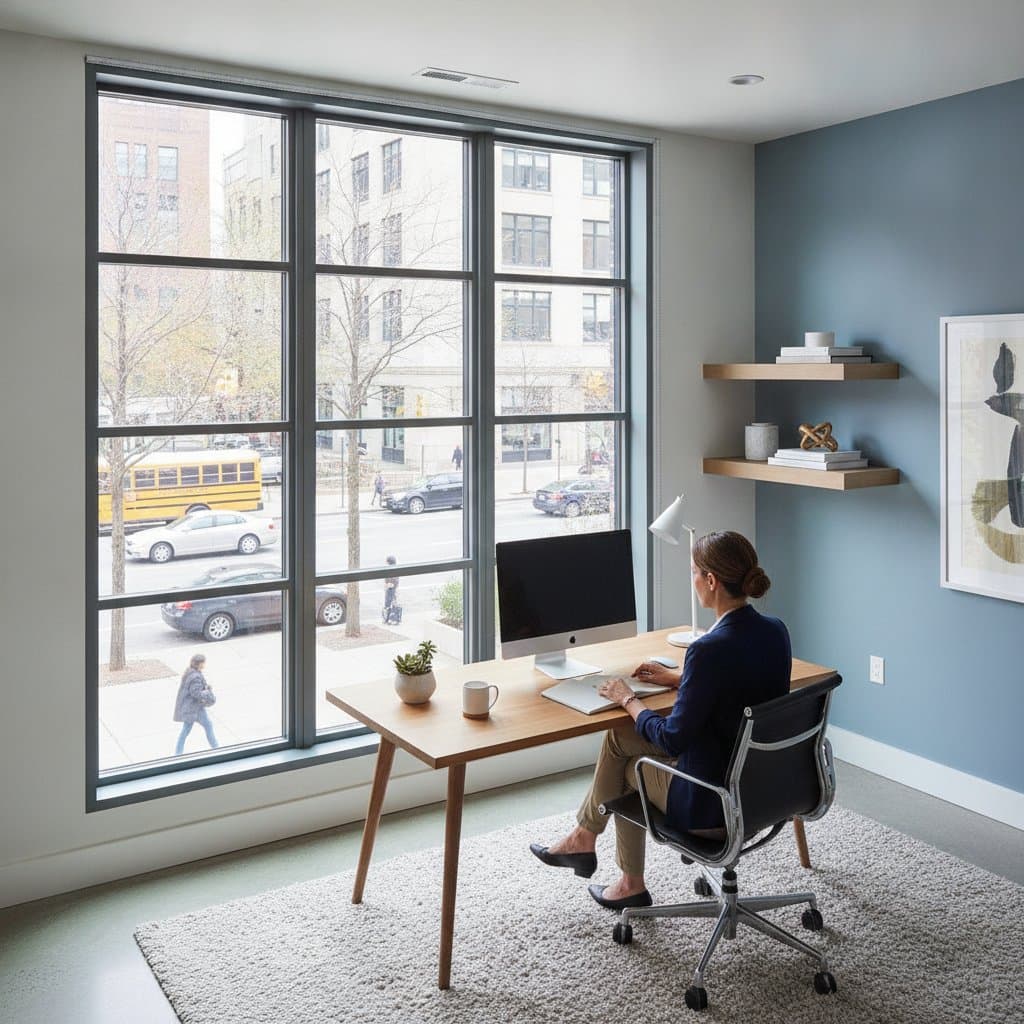
Selecting the right acoustic window involves balancing budget, noise level, and design preference. Homeowners should consider noise intensity, window orientation, architectural style, and future needs. Heavier traffic areas require higher-grade systems. Units facing noise sources deserve the strongest insulation. Matching frame finishes and glass tints with the home design maintains visual harmony. A clear understanding of these factors helps homeowners choose confidently. Acoustic windows serve as lifestyle improvements that redefine comfort and tranquility indoors.