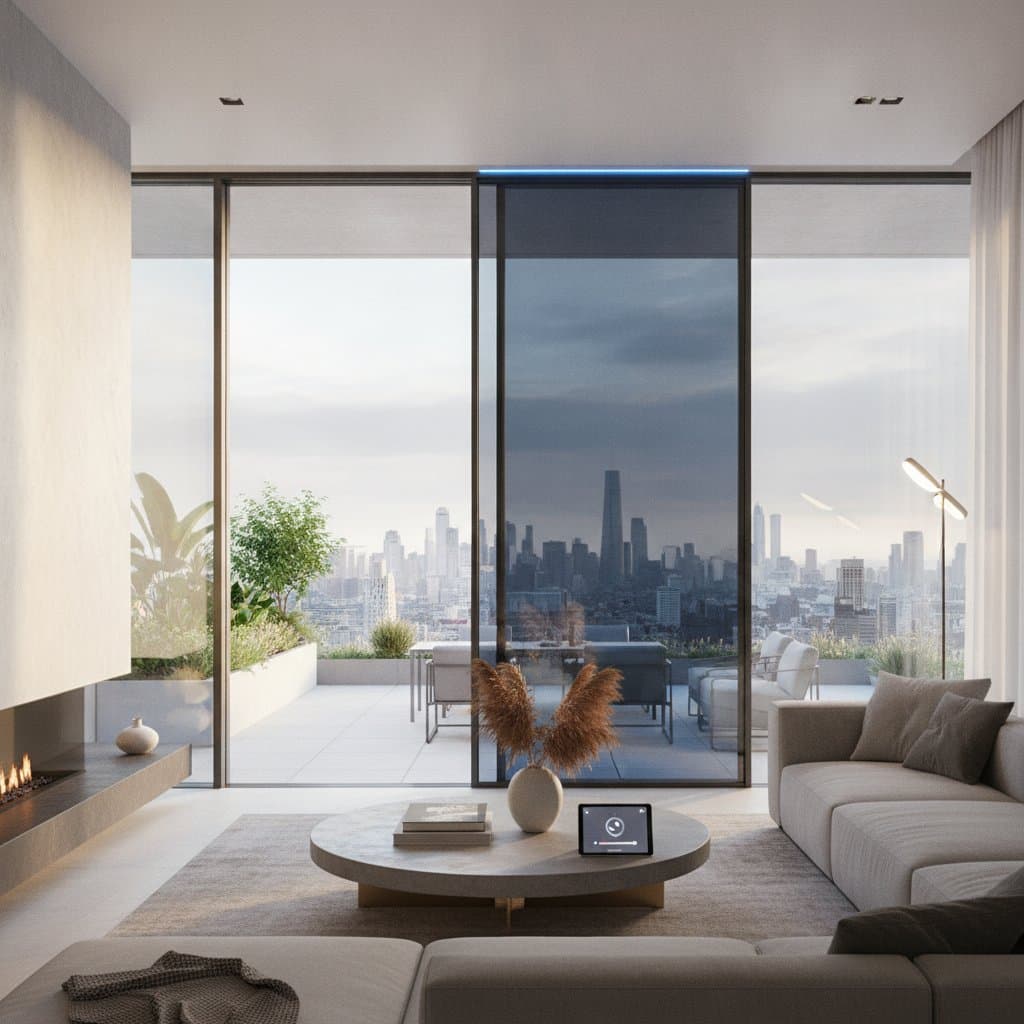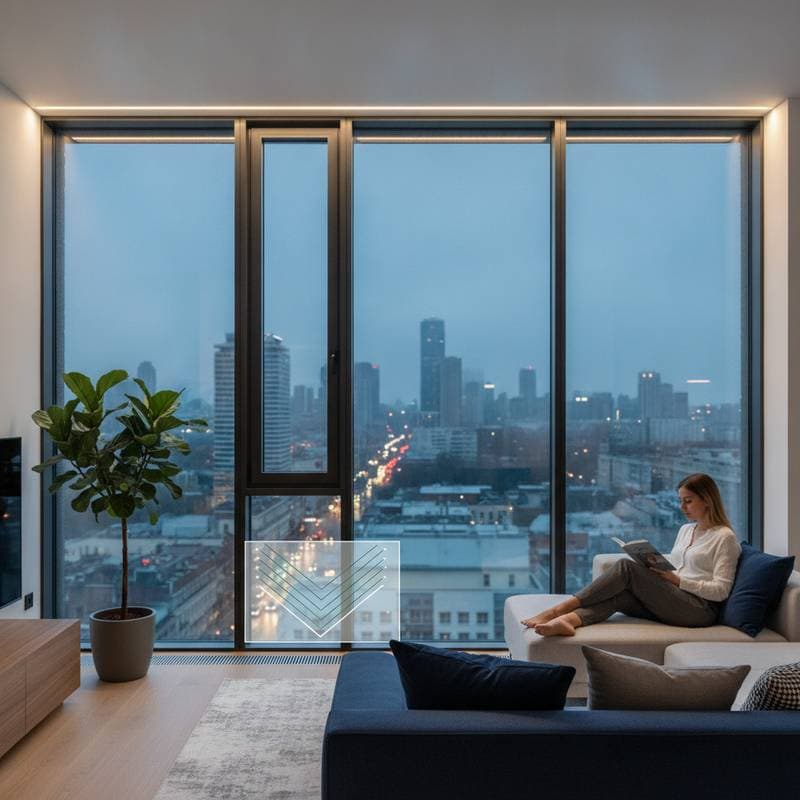
2026 Windows That Reduce Noise by 95% with Acoustic Glass
The quiet home ranks among the top priorities in residential design today. Denser neighborhoods and rising traffic make noise control essential in exterior planning. The newest acoustic windows deliver up to 95 percent noise reduction. They turn homes into calm retreats while preserving design style, natural light, and energy efficiency. These windows rely on layered acoustic glass and specialized frames that block sound vibrations.
Acoustic glass technology has moved quickly from commercial projects into homes. What once served recording studios now fits private residences. The windows suit both minimalist and traditional styles.
Why Acoustic Glass Matters for Home Exteriors
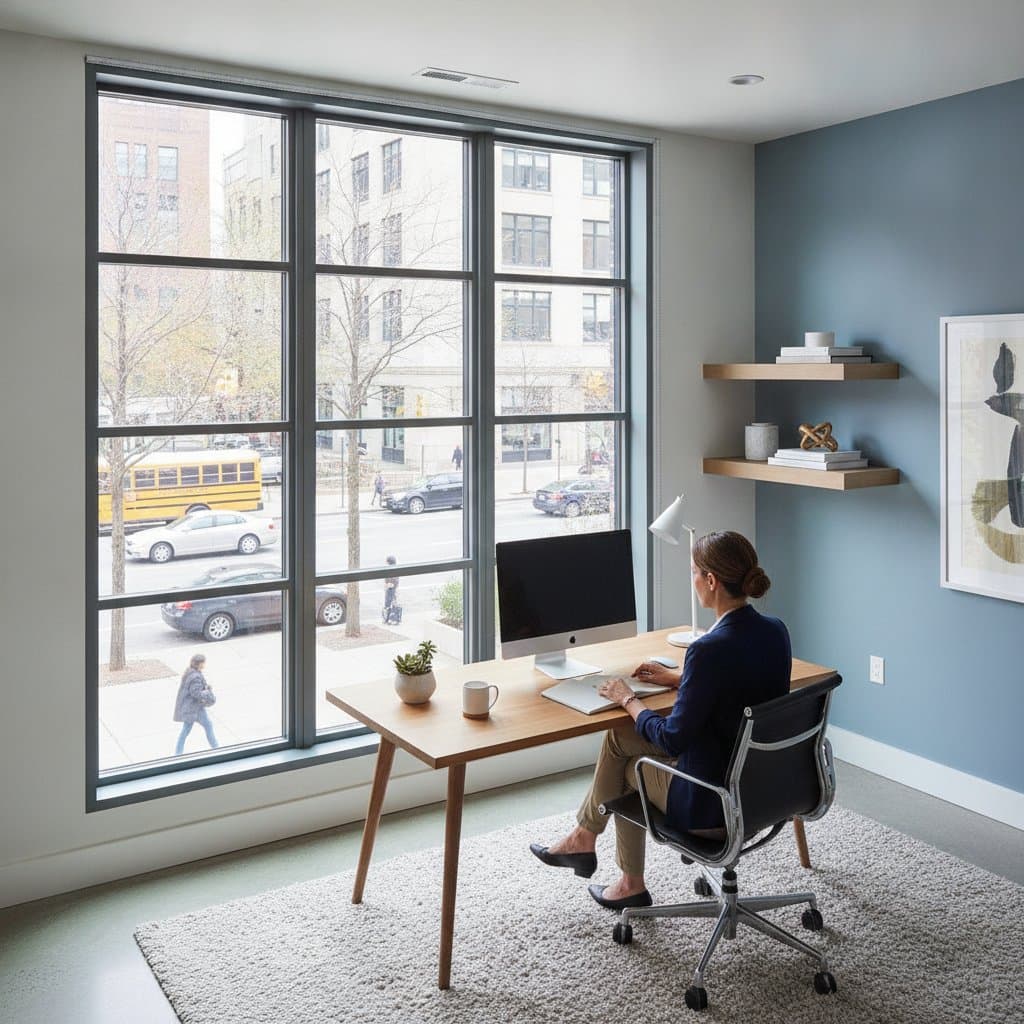
Sound travels through vibration, and ordinary windows form weak points. Acoustic glass uses laminated layers and interlayers that absorb sound waves. This cuts exterior noise sharply even across large openings.
Lower noise improves sleep, focus, and daily comfort. When planned with the full exterior, these windows also raise curb appeal and resale value.
Three Budget Approaches
Save Approach ($8,000 - $12,000)
- Choose double-glazed acoustic glass in standard vinyl or aluminum frames.
- Target windows rated 35 to 40 on the Sound Transmission Class scale.
- Start with the loudest sides of the house, such as street-facing walls.
- Pick stock frame colors to avoid extra paint charges.
- Spend on upgraded seals and professional installation to protect performance.
Mid-Range Approach ($15,000 - $25,000)
- Select triple glazing with laminated acoustic glass and thermally broken frames.
- Add low-E coatings and argon gas fill for better insulation.
- Use casement or tilt-turn styles that seal tighter than sliders.
- Choose black or graphite finishes and narrow sightlines for a clean look.
Invest Approach ($30,000 - $60,000)
- Specify multi-layer acoustic glass with asymmetric lamination and reinforced fiberglass frames.
- Include custom colors, concealed hinges, and optional smart tinting.
- Combine large fixed panels with operable sections to keep exterior rhythm.
- Expect decades of service and stronger resale appeal from combined quiet and efficiency.
Material and Finish Guide
Windows
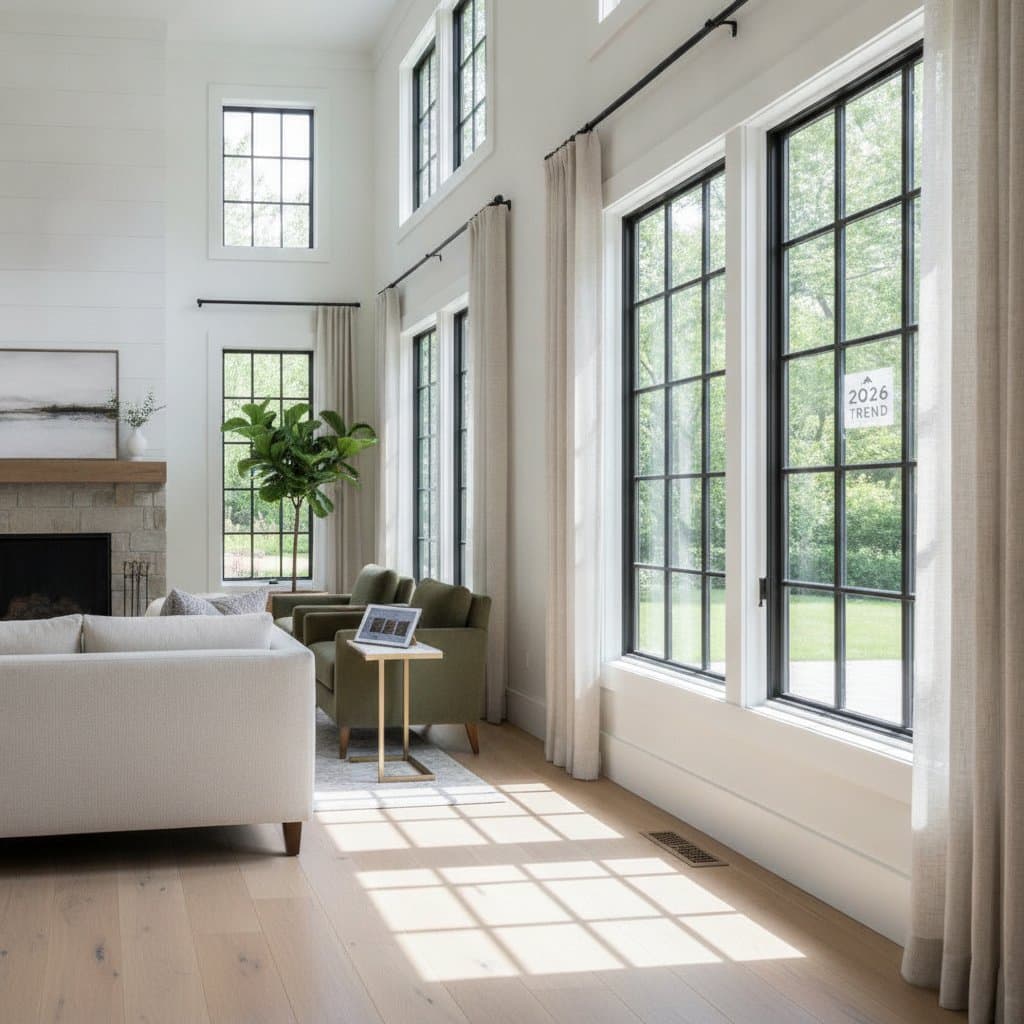
Fixed panels give the strongest sound control. Casement and awning styles allow ventilation. Black and charcoal frames suit modern homes. Soft gray or taupe works with transitional designs. Brushed nickel or matte black hardware matches most door and lighting finishes.
Doors
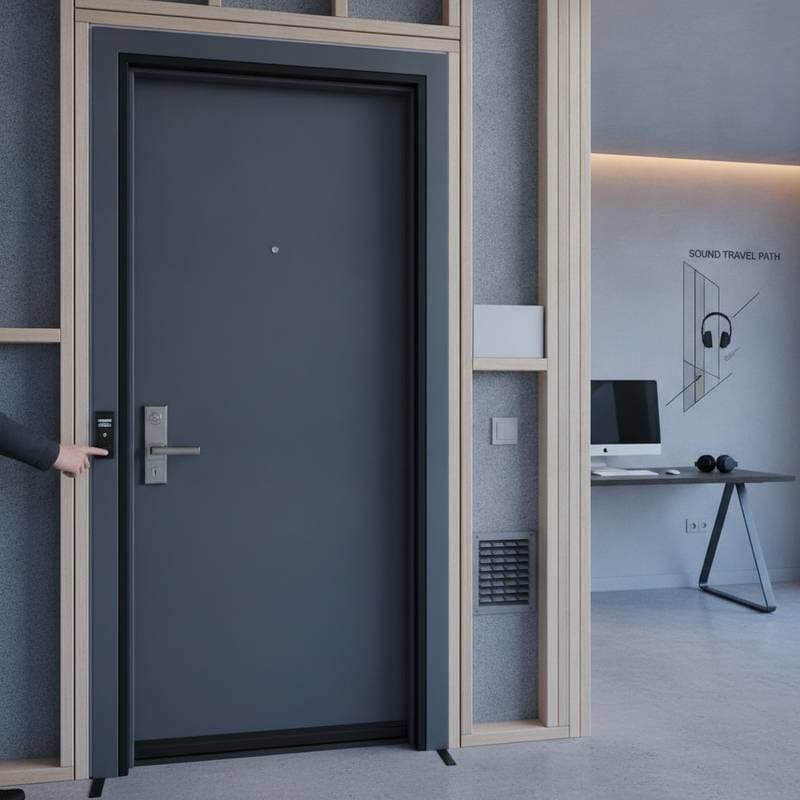
Pair windows with solid-core fiberglass or engineered wood doors that include acoustic seals. Glass inserts can use the same laminated acoustic glass. Lever handles in satin stainless or bronze coordinate with window hardware.
Siding
Fiber cement and engineered wood create dense sound barriers. Horizontal lap siding in iron gray, slate blue, or warm beige adds calm rhythm. Board-and-batten profiles fit farmhouse styles when used with dark frames.
Trim and Accents
Smooth PVC or composite trim resists weather and needs little upkeep. Use tones slightly lighter than siding to frame openings. Stone veneer or metal panels add depth without harming acoustic performance.
Maintenance Reality Check
Clean glass with non-abrasive cleaner and soft cloths. Inspect seals once a year, especially after temperature swings. Vinyl frames need almost no care but can expand in heat. Aluminum and fiberglass stay more stable. Rinse coastal windows regularly to remove salt. Clear drainage tracks and lubricate hardware each season. Condensation between panes signals a failed seal that requires repair.
Common Mistakes to Avoid
- Using acoustic glass without matching frames that stop vibration.
- Replacing every window at once instead of phasing work by noise level.
- Skipping seasonal seal and weep-hole checks that prevent moisture damage.
Color and Style Coordination
A calm palette works across styles. Use deep charcoal or matte black frames, soft gray or pale stone siding, rich walnut or deep navy doors, off-white trim, and brushed nickel hardware. The scheme keeps focus on architectural lines.
Planning Photography Checklist
Photograph all exterior sides in daylight. Capture trim details and neighborhood context. Note wind and noise exposure on each elevation. Mark priority rooms for acoustic upgrades. These images guide material choices and contractor work.
Regional and Climate Considerations
Urban sites near traffic need thicker glass and stronger frames. Coastal homes require corrosion-resistant hardware and marine sealants. Hot climates pair acoustic glass with solar-control coatings. Cold regions benefit from triple glazing and warm-edge spacers. Humid areas need frames with integrated weep systems.
Energy and Comfort Benefits Beyond Noise
Laminated layers add insulation that reduces heat transfer and drafts. Low-E coatings further cut energy use year-round. The result is steadier indoor temperatures and lower utility costs.
Working with Professionals
Select contractors experienced with acoustic systems. Ask for full assembly STC ratings, not just glass ratings. Architects can align frames with siding and trim while preserving drainage and sightlines.
Making It Personal
Noise reduction shapes daily comfort and rest. The right acoustic windows deliver both visual sophistication and interior calm when frames, finishes, and colors are chosen together.