Electrochromic Windows Transform Exteriors by 2026
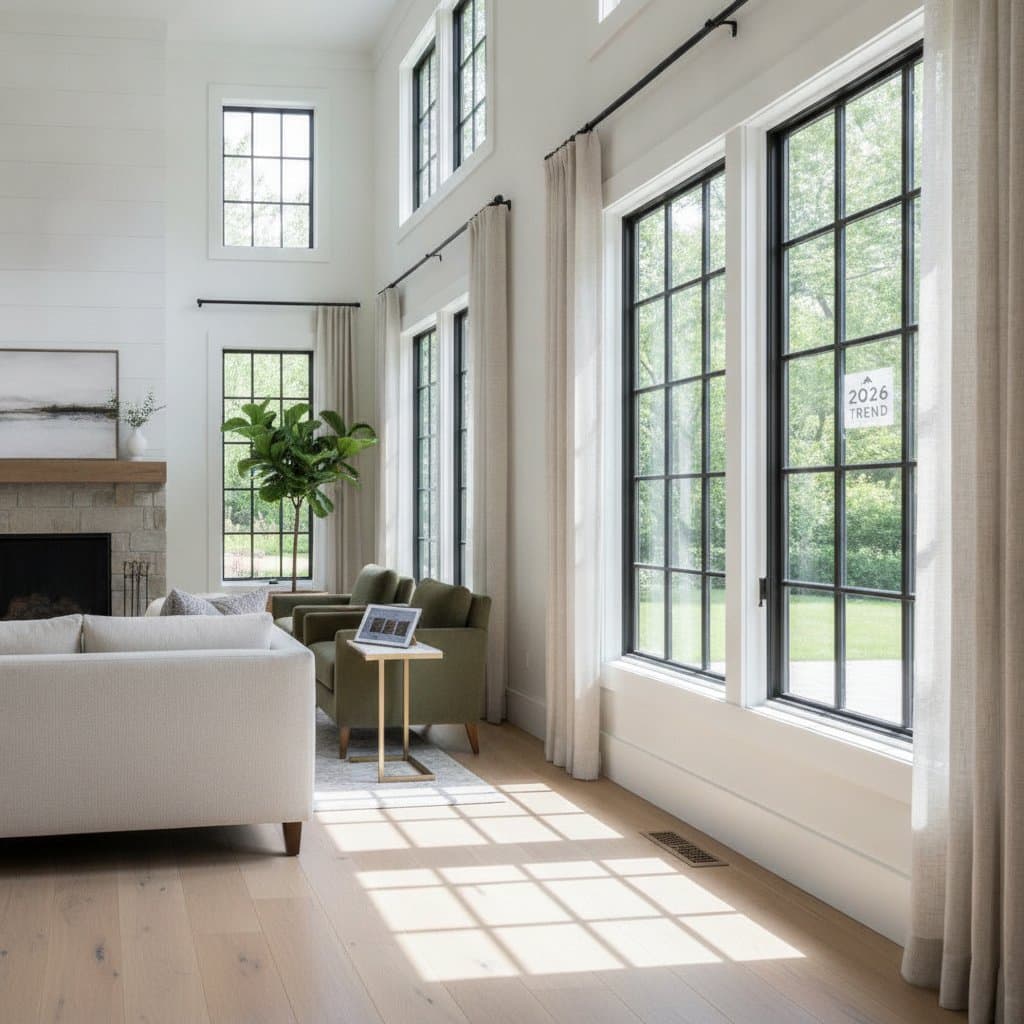
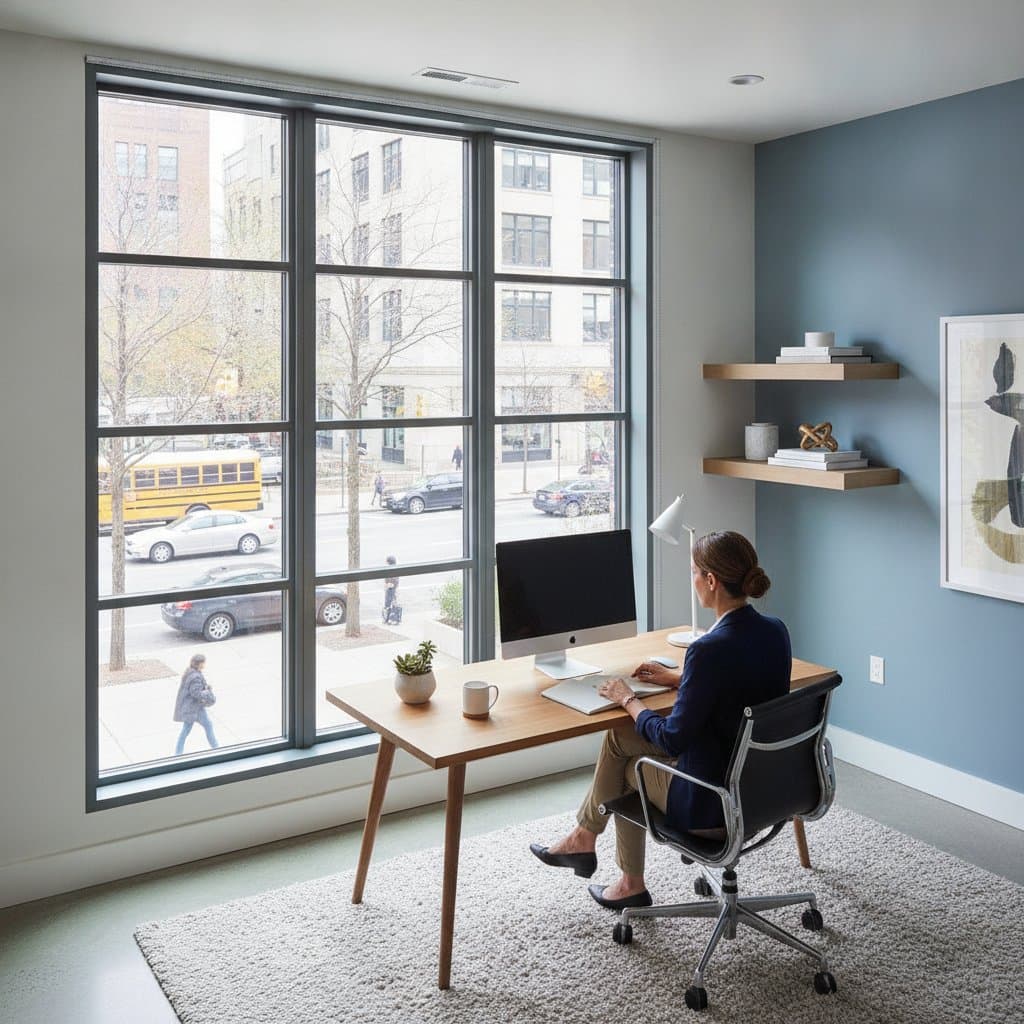
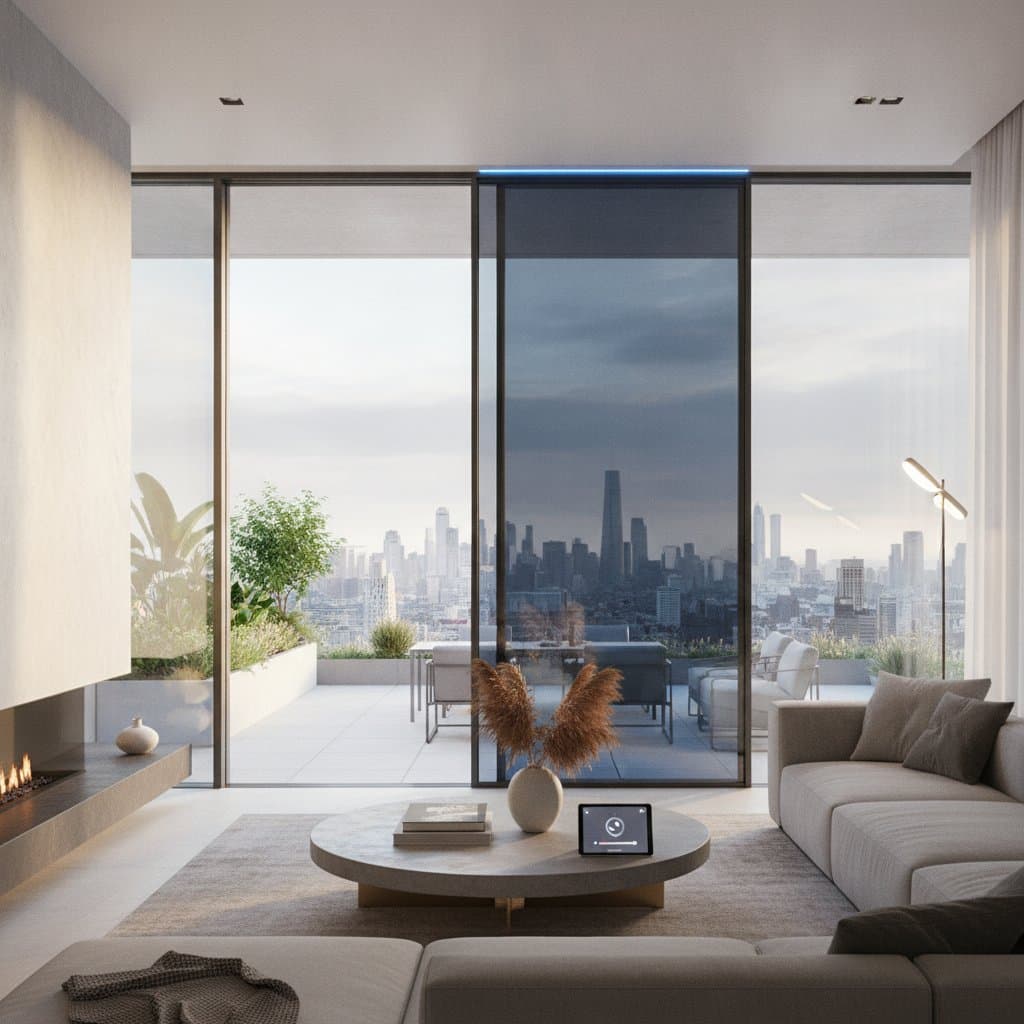
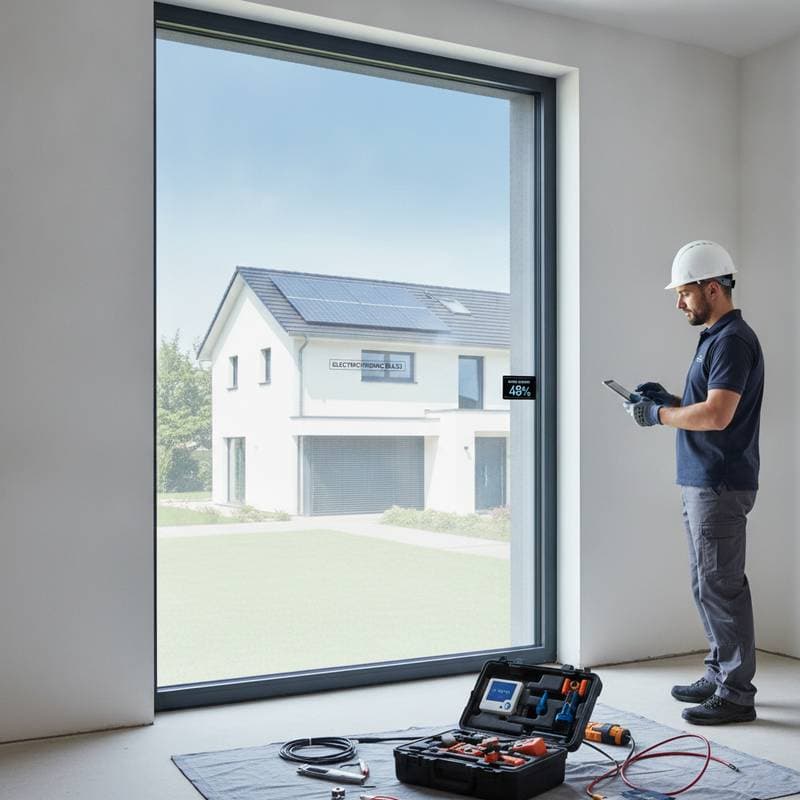
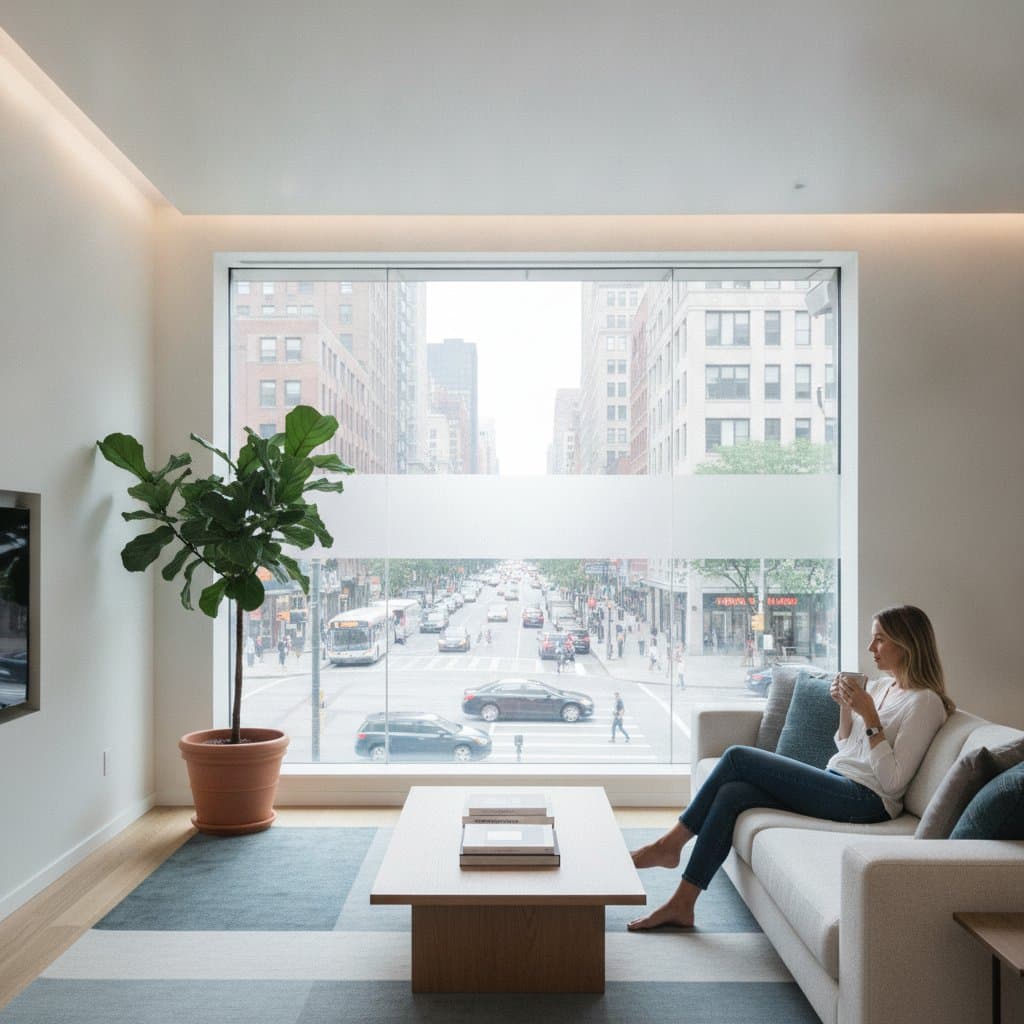
Electrochromic windows adjust their tint automatically in response to sunlight, temperature, or user settings. This technology removes the need for blinds while delivering a uniform facade and better energy performance. Homeowners gain design flexibility along with reduced glare and heat gain.
The shift replaces traditional window treatments with integrated glass systems. These panels maintain clear views when desired and shift to a controlled tint for privacy or comfort. The result supports minimalist architecture without visual interruptions from shades or shutters.
Design Benefits for Contemporary Homes
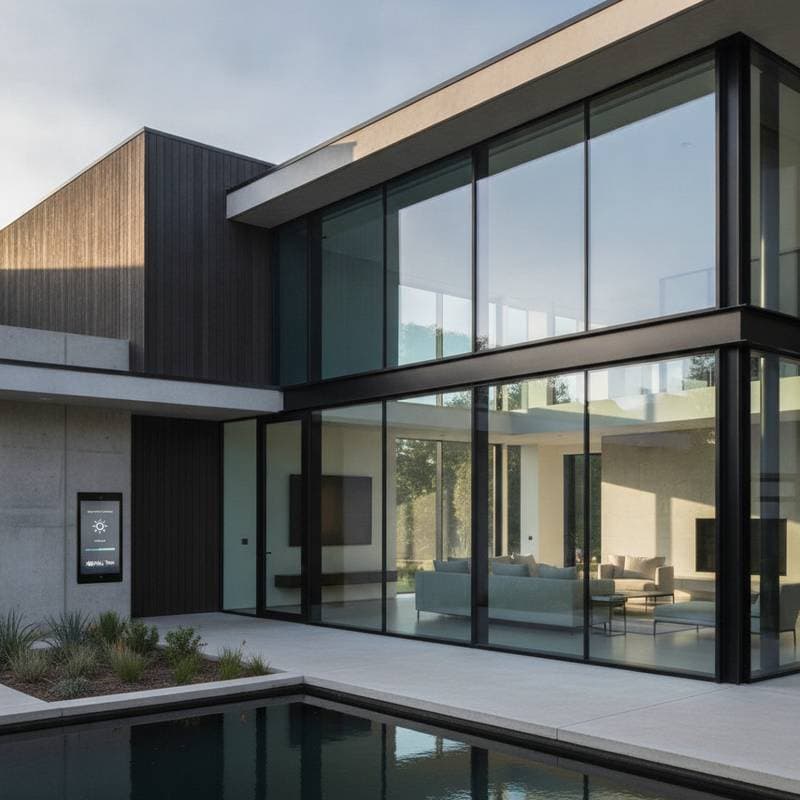
Clean architectural lines benefit from uninterrupted glass surfaces. Electrochromic units preserve exterior symmetry across different light conditions. They suit modern farmhouses, coastal homes, and contemporary builds that emphasize natural light.
Homeowners achieve balance between transparency and solar control. The glass moves through graduated tints without altering frame appearance. This consistency improves curb appeal at every hour of the day.
Budgeted Installation Strategies
Save Approach ($8,000 to $12,000)
- Combine fixed low-emissivity glass with electrochromic panels in high-sun areas.
- Select vinyl or aluminum-clad wood frames for lower upkeep.
- Target one prominent elevation to control costs while improving visual flow.
Mid-Range Approach ($15,000 to $25,000)
- Install electrochromic units in primary living spaces with standard double-pane construction.
- Upgrade to fiberglass frames for better weather resistance.
- Add matching smart sidelights at entries to strengthen overall cohesion.
Invest Approach ($30,000 to $50,000)
- Specify full-home electrochromic systems with insulated glass and custom finishes.
- Connect tint controls to whole-house automation based on temperature and light sensors.
- Include large sliding doors that use identical technology for indoor-outdoor continuity.
Material and Finish Selections
Windows perform best in slim frames that highlight the glass. Matte black aluminum suits industrial styles, while bronze or charcoal tones complement warm siding. Off-white composites soften the look for farmhouse or coastal settings.
Doors with electrochromic inserts update entries and patios. Brushed nickel or matte black hardware maintains clean lines. Gradient tints on lower sections add privacy without blocking light.
Siding in smooth fiber cement or engineered wood reduces joint lines and supports the modern glass aesthetic. Vertical layouts add height, and tones such as driftwood gray or coastal white pair naturally with variable tint states.
Trim should remain narrow and simple. Dark bronze or graphite metal creates sharp definition, while color-matched trim produces a monolithic appearance.
Practical Maintenance Requirements
Protective coatings on many units reduce dust and water spots. Routine cleaning with a soft cloth and mild detergent maintains clarity. Electronic layers stay sealed, eliminating mechanical service after installation.
Frame care varies by material. Vinyl and fiberglass need little attention. Wood or composite frames require periodic sealing. Wiring access should remain available for future updates.
Installation Pitfalls to Prevent
- Place units on sun-exposed elevations to capture energy savings and comfort gains.
- Match frame proportions to the slim profile of smart glass.
- Plan wiring routes during design to avoid later modifications.
- Retain manual overrides for use during outages or updates.
Compatible Color Directions
Restrained palettes emphasize texture and allow tint shifts to integrate smoothly. Suggested tones include soft graphite for frames, driftwood beige for large surfaces, pearl white for coastal settings, charcoal slate for contemporary roofs, and desert sand for organic balance.
Accent lighting placed in soffits reflects gently from tinted surfaces. This creates subtle nighttime movement without harsh contrast.
Preparation Steps Before Selection
Document existing conditions with photographs from multiple angles. Note preserved details such as trim profiles and record sun exposure patterns. Confirm local requirements and set clear budget priorities for high-impact zones.
These records guide placement and ensure new windows appear intentional rather than appended.
Achieving Long-Term Performance
Electrochromic windows combine energy efficiency with refined appearance. Thoughtful coordination with siding, doors, and trim produces exteriors that remain comfortable and visually consistent. Proper orientation, frame choices, and control planning deliver reliable daily function.