Electrochromic Windows Transform Home Exteriors
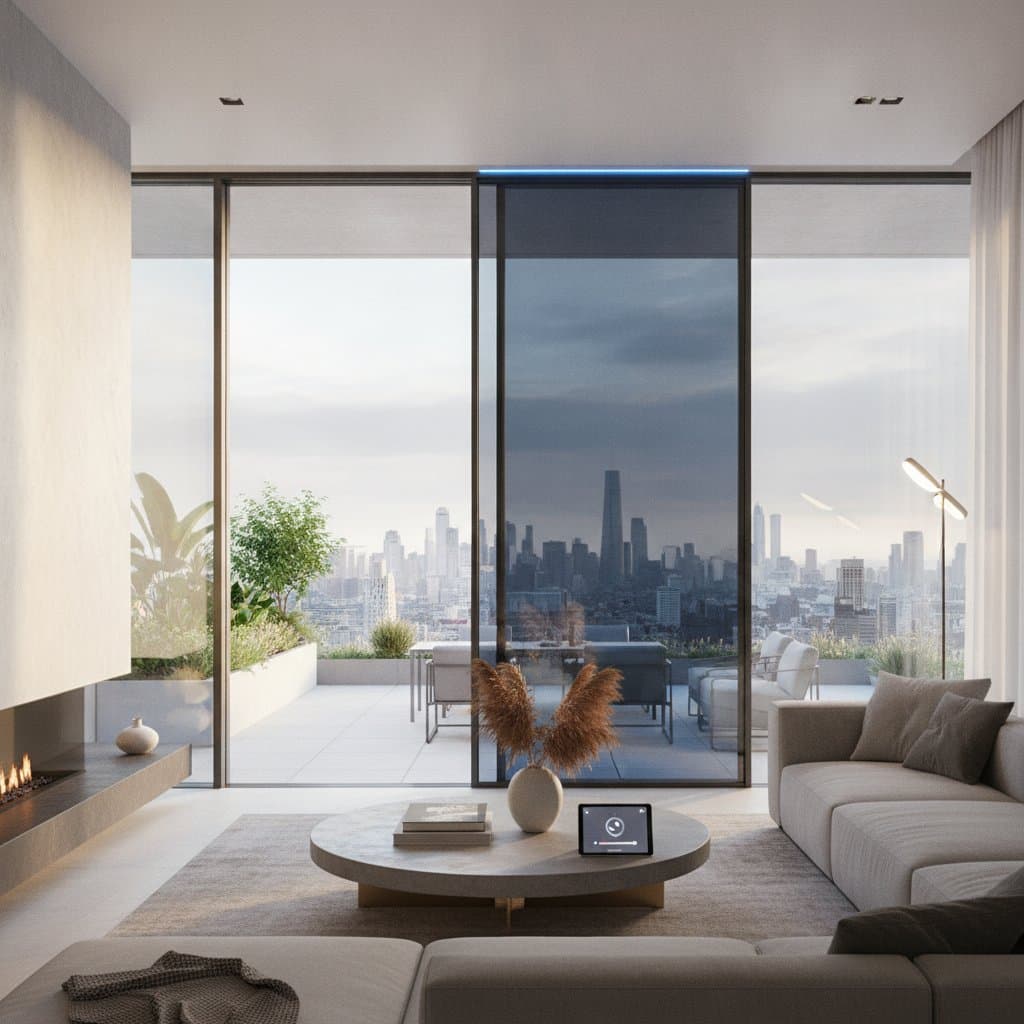
Home exteriors now incorporate intelligent materials that respond to environmental conditions. Electrochromic windows adjust their tint based on light levels or user commands. This capability allows precise management of glare, privacy, and energy consumption. The technology integrates with various architectural styles while supporting sustainability objectives.
Successful application requires coordination with frames, doors, and siding. Proper selection ensures durability and visual consistency across the facade.
Budget-Conscious Installation Options
Homeowners can start with targeted upgrades. Apply electrochromic film to smaller accent panels on existing glass in sun-exposed areas. Install a smart controller to enable automatic adjustments without full replacement.
Mid-range projects combine smart glazing sections with vinyl or fiberglass frames. Match entry door inserts to window performance. Add complementary insulated siding to enhance overall efficiency.
Full investments cover complete systems with climate sensors and automation. Use aluminum-clad wood frames for longevity. Incorporate large smart glass doors to maintain consistent light control during indoor-outdoor transitions.
Selecting Compatible Materials and Finishes
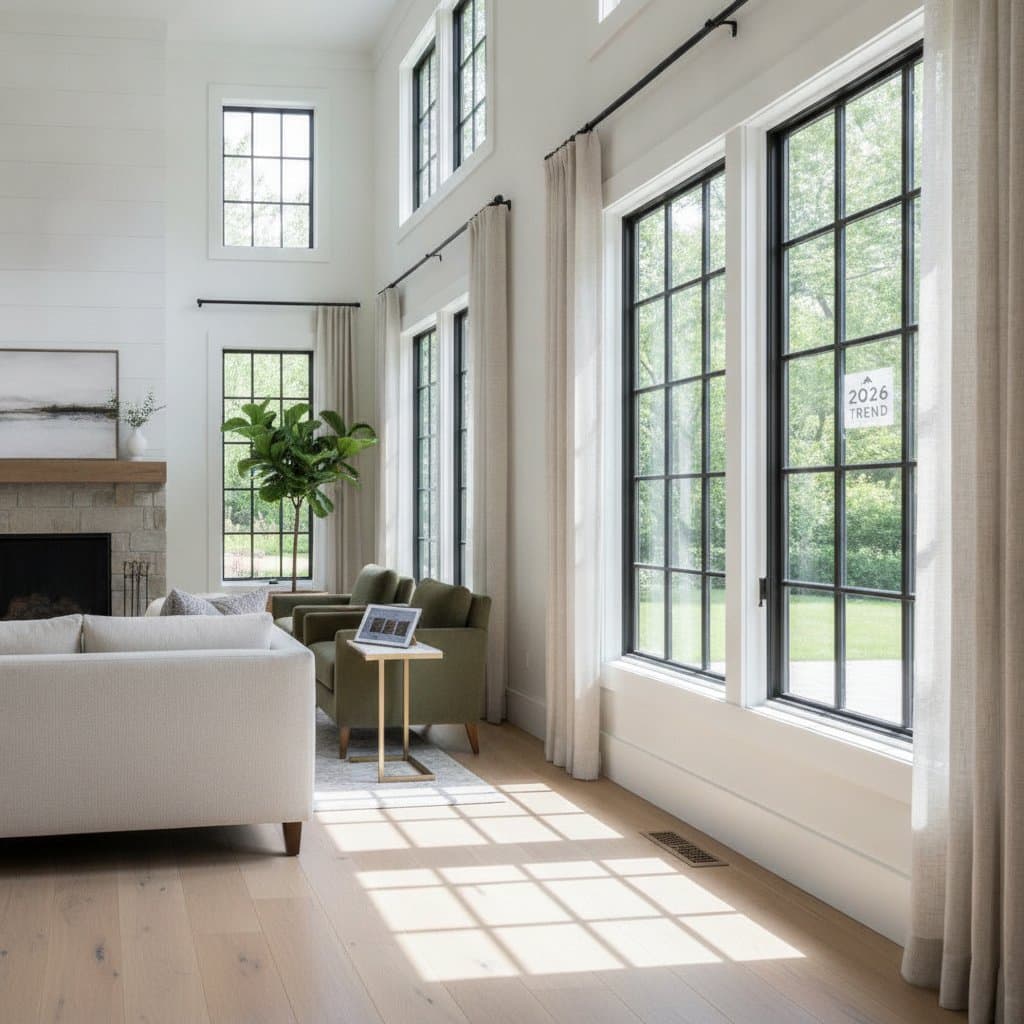
Matte black or bronze frames provide contrast that emphasizes the glass surface. Wood-clad options in walnut tones suit traditional settings. Steel doors in iron gray or coastal sand finishes align with shifting glass tones.
Fiber cement or metal siding in graphite or warm taupe maintains balance. Minimal trim profiles in matching colors keep attention on the adaptive glass. Natural stone accents introduce warmth without visual conflict.
Routine Maintenance Practices
Clean surfaces with non-abrasive solutions to preserve conductive layers. Inspect aluminum and fiberglass frames periodically for seal condition. Refinish wood elements on a regular schedule to prevent moisture issues.
The absence of moving parts reduces dust accumulation compared with traditional blinds. Sealed electrical components support extended reliable operation.
Common Installation Errors to Avoid
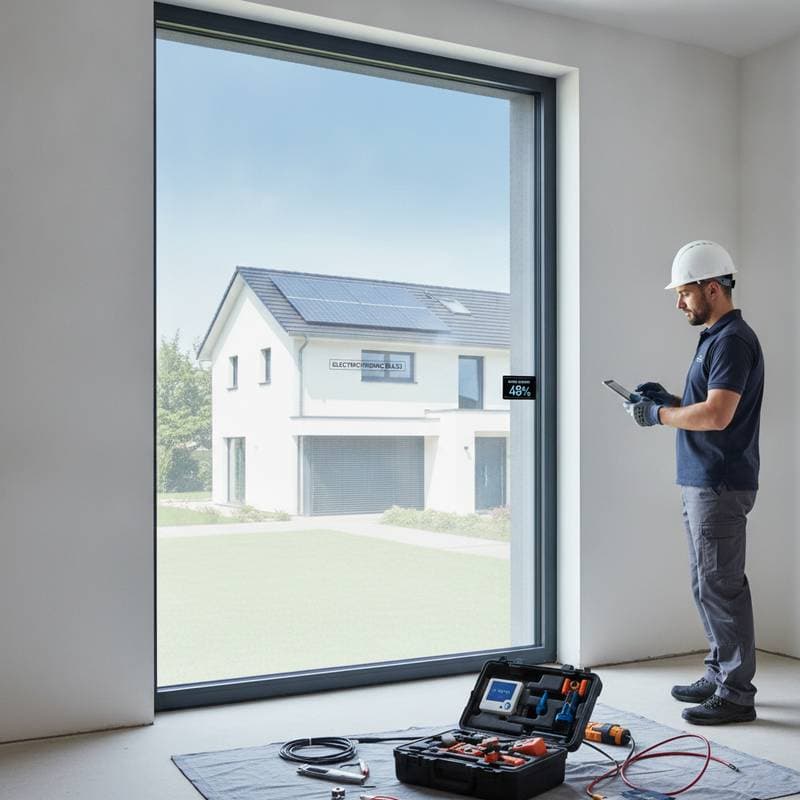
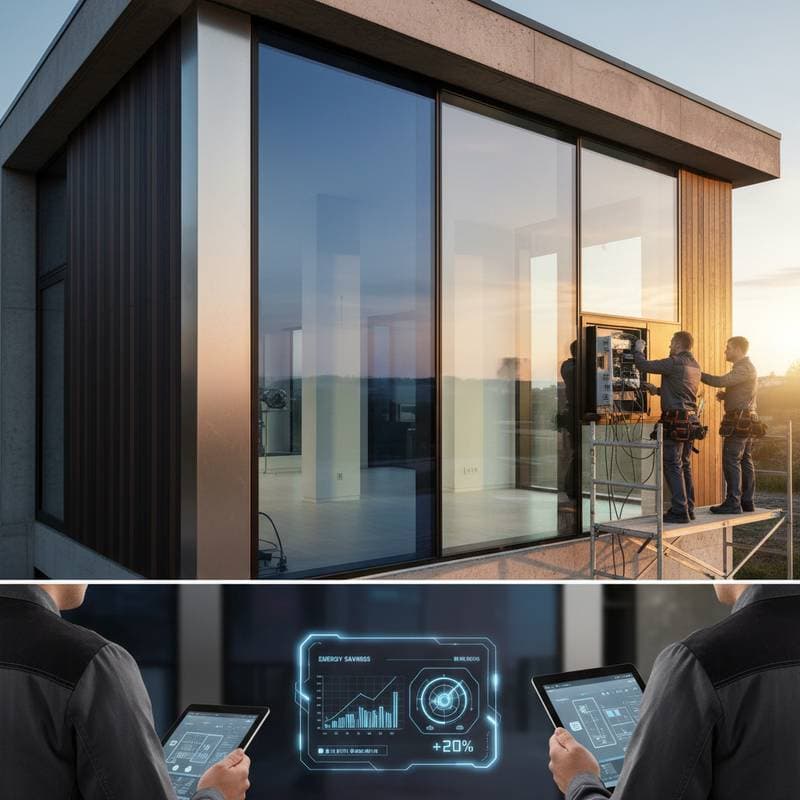
Verify frame compatibility with wiring requirements before purchase. Older materials may need upgrades to support controls. Engage certified professionals for electrical connections and calibration to prevent uneven performance.
Adjust tint settings to preserve interior brightness. Excessive constant shading can reduce natural light and affect comfort.
Coordinating Colors and Styles
Electrochromic glass transitions through blue-gray shades. Select frame colors such as charcoal or warm gray. Pair with siding in light stone or sand beige. Add cedar trim or brushed metal fixtures for cohesion in both clear and tinted states.
Preparing Site Documentation
Photograph full elevations and side views to assess proportions. Capture close-ups of existing frames for color and size reference. Document rooflines, trim, and neighborhood context. Record lighting variations throughout the day to predict interior effects.
Climate-Specific Recommendations
Hot climates benefit from reflective siding and light roof colors alongside the windows. Cold regions require insulated glazing and darker frames to retain heat. Coastal installations favor corrosion-resistant aluminum or vinyl frames.
Seasonal automation allows clear glass in winter for solar gain and automatic tinting in summer to limit heat. This approach decreases dependence on interior shades.
Evaluating Costs and Returns
Targeted installations in south-facing rooms deliver immediate comfort and energy benefits. Full systems increase curb appeal and attract buyers focused on efficiency. Savings on cooling and heating often offset higher initial expenses over time.
Achieving a Unified Exterior Design
Electrochromic windows deliver responsive performance and refined appearance. Pair them with compatible materials that respect the home architecture. Account for maintenance needs and climate factors during planning. This integration produces exteriors that remain functional and cohesive across conditions.