2026's Disappearing Glass Trend: Pocket Window Walls
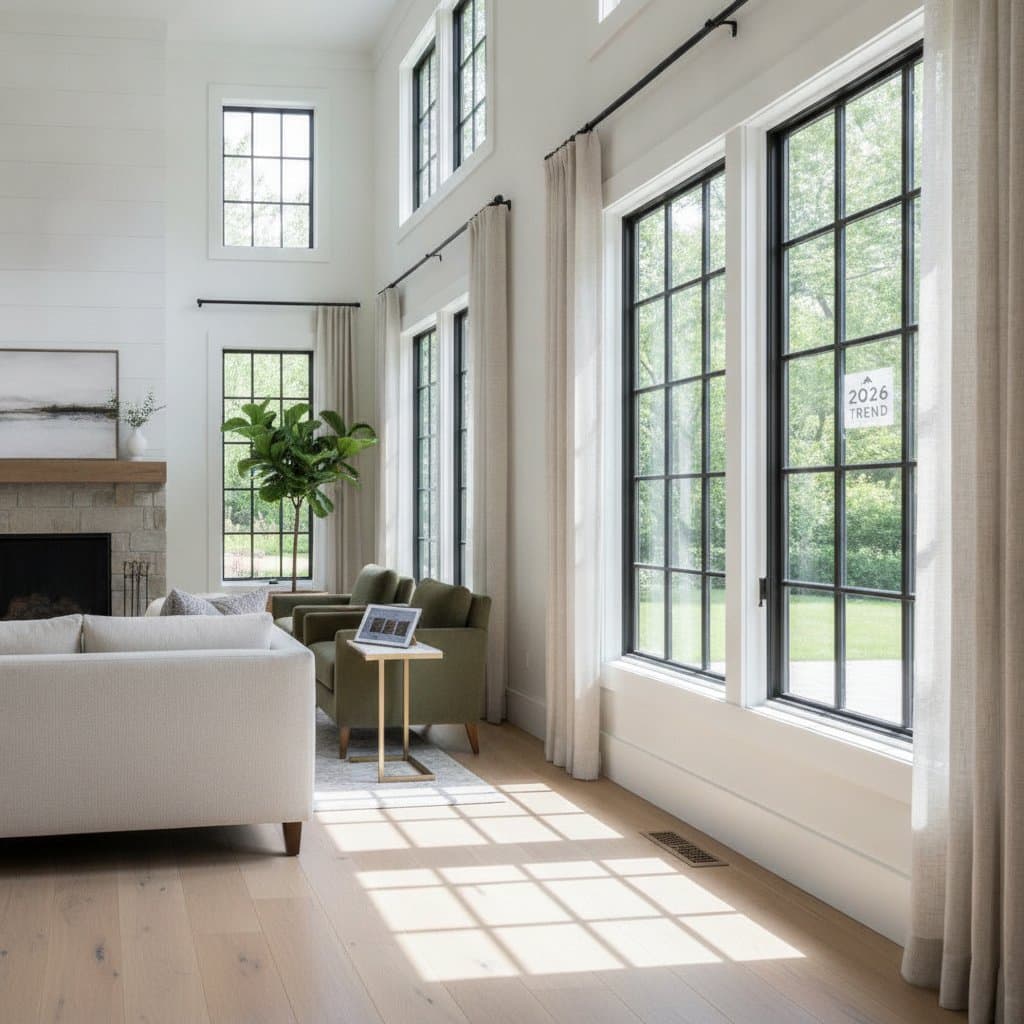
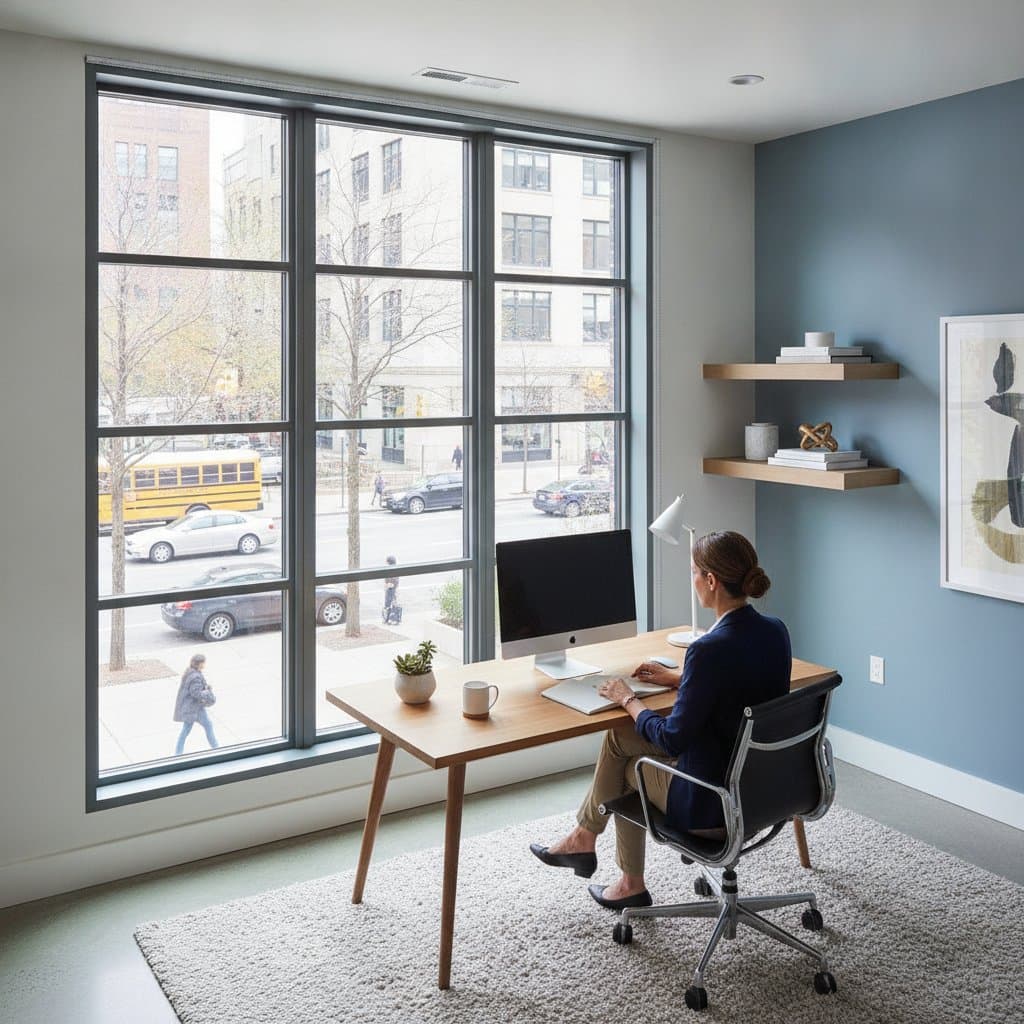
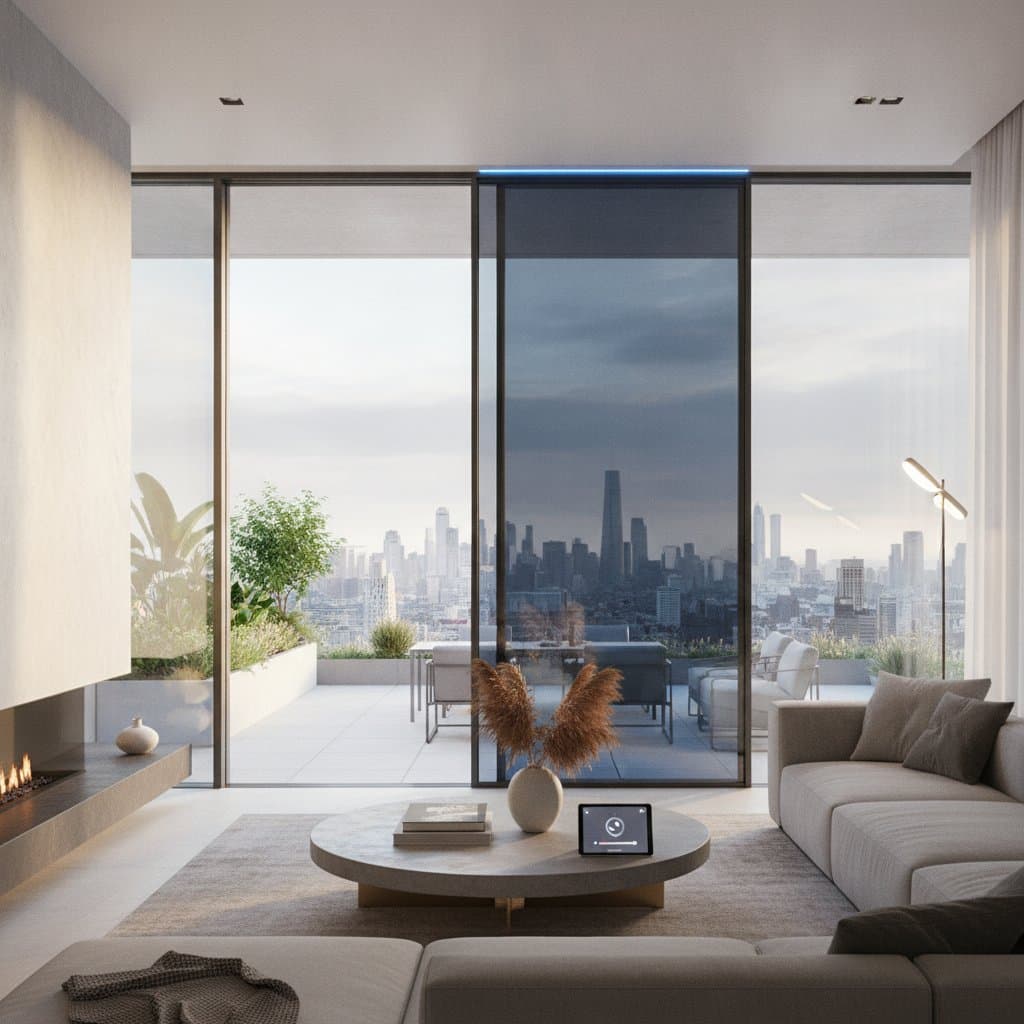
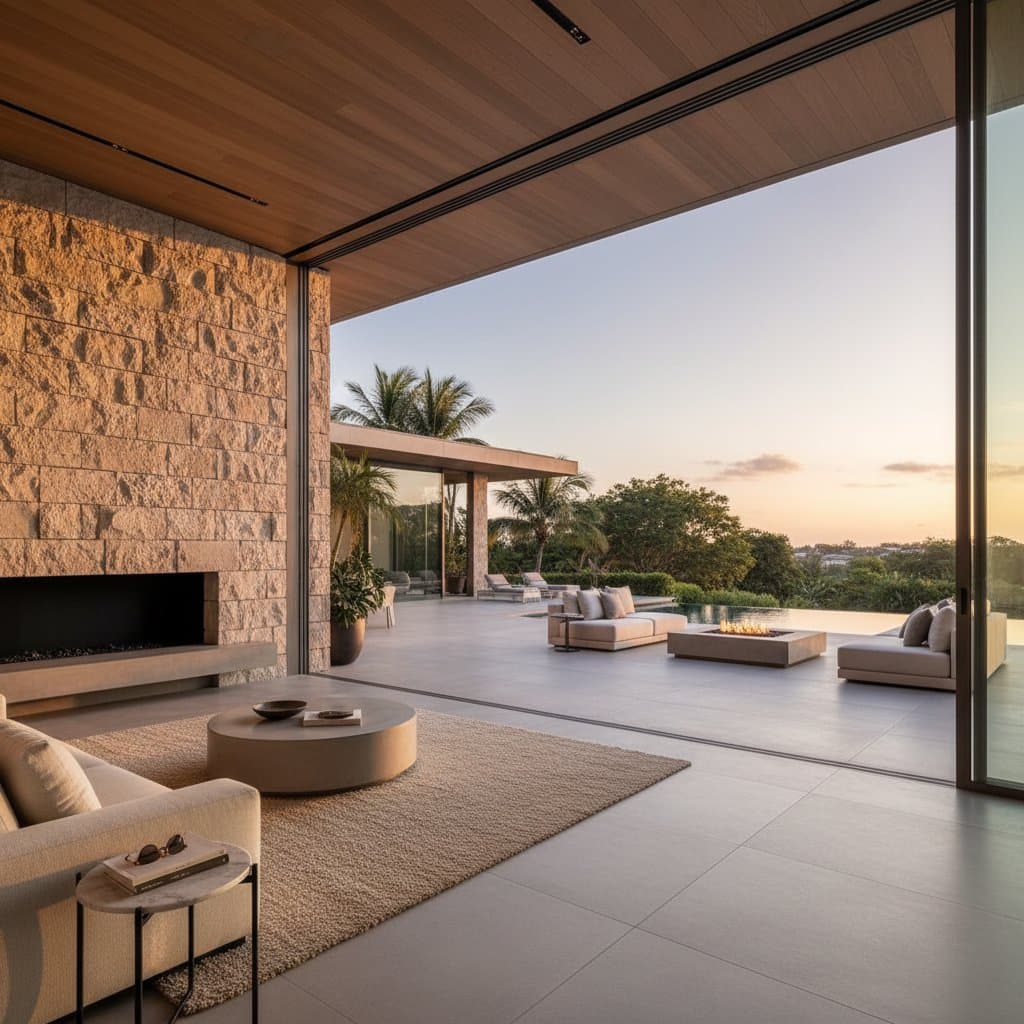
Homeowners continue to seek ways to connect indoor rooms with outdoor areas. Pocket window walls deliver this connection by allowing glass panels to slide completely into hidden wall cavities. The result is an open expanse that expands living space and maximizes natural light.
How Pocket Window Walls Function
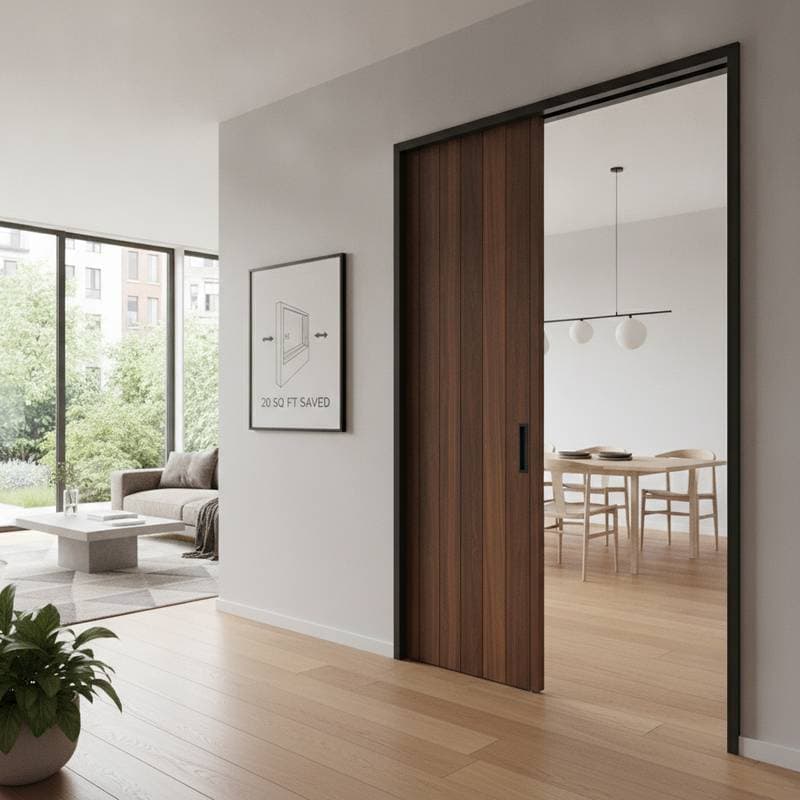
A pocket window wall consists of multiple glass panels mounted on a track system. When opened, the panels retract into a concealed cavity built into the adjacent wall. This design eliminates visible stacks of glass that appear with standard sliding doors.
Homeowners install these systems along patios, decks, and courtyards. Single-direction or center-opening bi-parting configurations adapt to different room layouts. The absence of exposed hardware maintains clean sightlines in both modern and traditional homes.
Daily Living Benefits
Open panels merge living areas with gardens or pools for immediate access to fresh air. Closed panels rely on sealed frames and high-performance glass to retain indoor comfort. This flexibility supports varied routines, from morning ventilation to evening climate control.
The systems suit minimalist interiors through slim profiles and also complement warmer styles with wood or composite finishes. Property appeal rises because the feature creates a sense of spaciousness without permanent structural changes.
Frame Material Choices
| Frame Material | Initial Cost | Lifespan | Maintenance | Best For |
|---|---|---|---|---|
| Aluminum | Medium to high | Long | Low | Contemporary and coastal homes |
| Wood | Medium | Moderate | High | Natural interior aesthetics |
| Vinyl | Low | Moderate | Low | Budget projects |
| Composite | Medium | Long | Low | Balanced durability |
Aluminum frames resist warping in humid climates and require only occasional cleaning. Wood needs annual sealing to avoid moisture damage. Vinyl offers lower upfront costs yet may expand in extreme heat. Composite options combine strength with thermal stability for long-term performance.
Glass Performance Options
| Glass Type | Energy Efficiency | UV Protection | Sound Reduction | Best For |
|---|---|---|---|---|
| Double-pane | High | Moderate | Moderate | Standard climates |
| Triple-pane | Very high | High | High | Cold regions |
| Low-E coated | High | Very high | Moderate | Sun-exposed walls |
| Laminated | Moderate | Very high | High | Urban or noisy sites |
Double-pane units with Low-E coatings reduce heating and cooling loads in most areas. Triple-pane glass prevents condensation in freezing temperatures. Laminated layers block outside noise while maintaining safety.
Installation Requirements
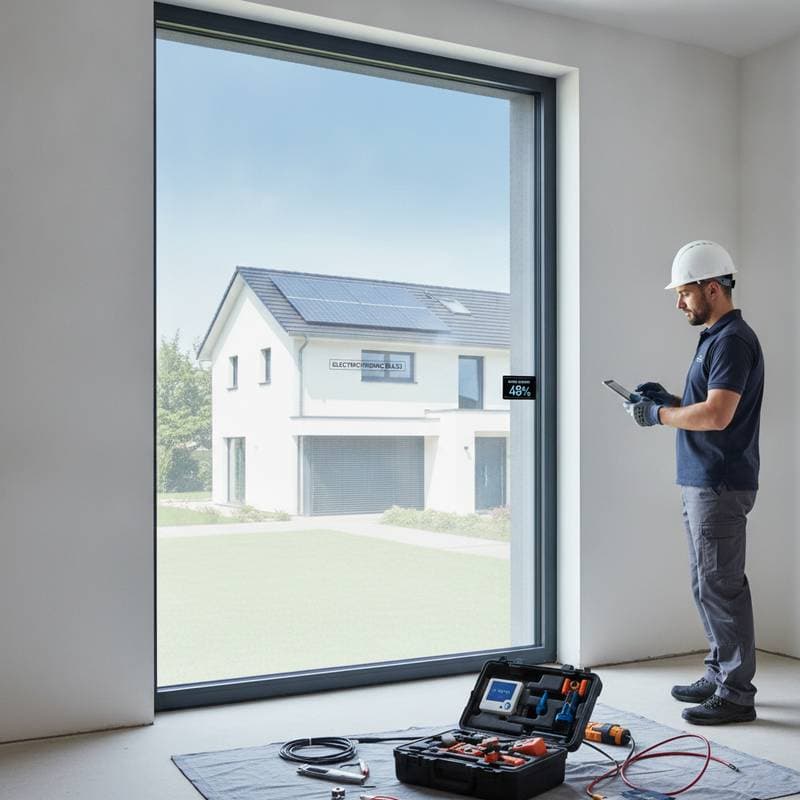
Structural evaluation confirms the wall can support the pocket cavity and track load. Preparation includes leveling the floor track, adding drainage channels, and maintaining continuous weather barriers. Professional crews position panels, adjust rollers, and test seals over several days.
Homeowners must verify local building codes for safety glazing and load requirements before work begins. Precise measurements prevent future misalignment or water intrusion.
Cost and Ongoing Value
Initial investment depends on size, frame type, and glass specifications. Energy savings accumulate through reduced heating and cooling demands. The visual expansion of living space often increases resale interest for owners planning extended occupancy.
Maintenance Practices
Clear debris from tracks monthly to ensure smooth movement. Inspect weather seals each year and replace worn sections promptly. Wood frames receive fresh protective coatings on a scheduled basis. Weep holes remain open to direct water away from the cavity.
Climate Considerations
Warm regions benefit from reflective coatings and integrated shading. Cold climates require triple-pane units to limit heat loss. Coastal installations use corrosion-resistant hardware and reinforced gaskets. Proper selection supports natural ventilation and lowers reliance on mechanical systems.
System Comparisons
| Option | Initial Cost | Lifespan | Maintenance | Best For |
|---|---|---|---|---|
| Pocket window wall | High | Long | Moderate | Fully seamless transitions |
| Multi-slide glass doors | Medium | Long | Moderate | Large openings with visible stacking |
| Folding glass wall | Medium | Moderate | Moderate | Wide framed openings |
Pocket systems provide the cleanest open view because panels disappear entirely. Multi-slide units cost less to install but leave stacked panels visible. Folding walls create broad access yet retain frames that interrupt sightlines.
Security and Safety Features
Multi-point locks and laminated glass strengthen protection. Soft-close mechanisms and recessed tracks reduce pinch hazards for children and pets. Integrated screens or motorized shades add insect control and privacy options.
Final Selection Steps
Match frame material to maintenance tolerance and local weather. Choose glass performance ratings that align with energy goals. Confirm contractor experience with structural modifications and request project references. These decisions produce a reliable system that enhances daily comfort and long-term property value.