Recycled Windows Reduce Carbon Footprint by 70 Percent
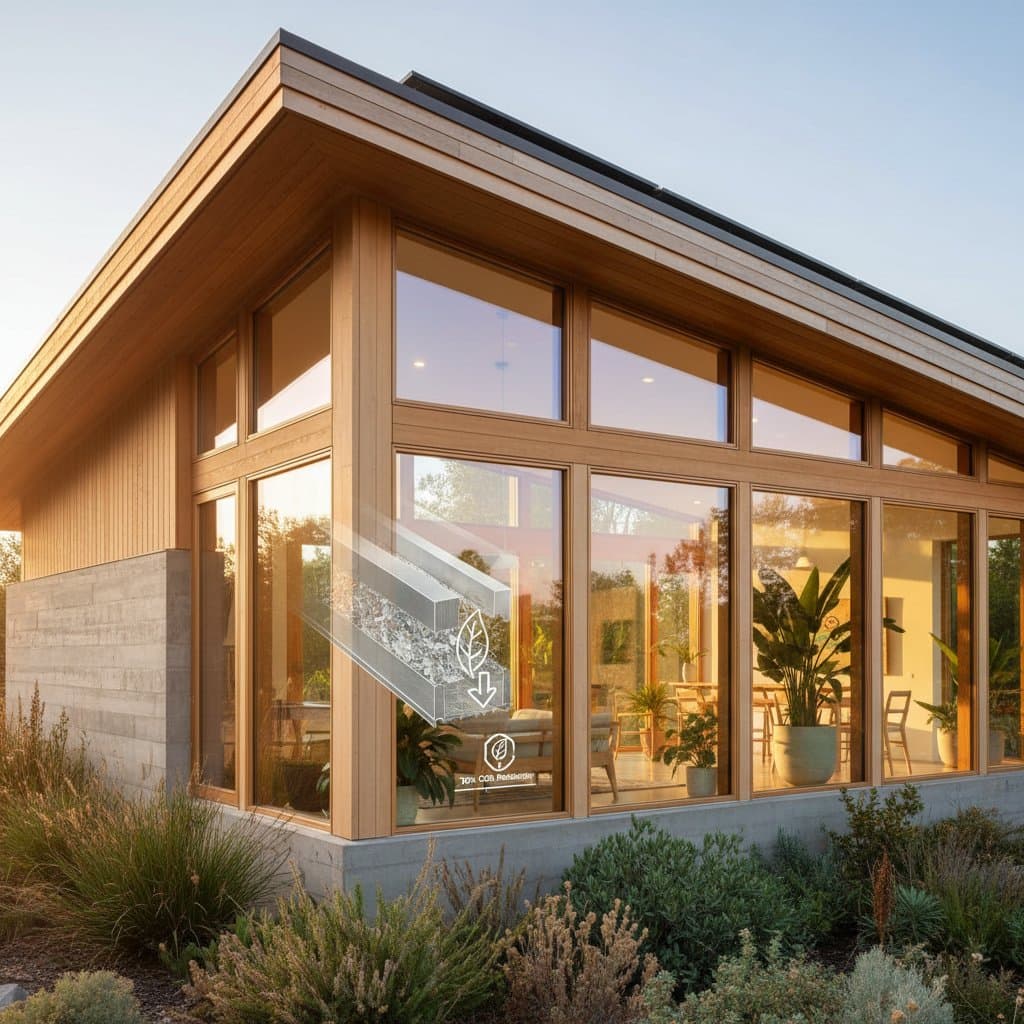
Homeowners increasingly select materials that promote sustainable practices while enhancing living spaces. Recycled windows stand out as a powerful option, reducing the carbon footprint of renovation projects by up to 70 percent. This achievement stems from decreased energy demands in manufacturing and the reuse of durable resources such as aluminum and glass. For those undertaking remodels or replacements, grasping the functionality, installation, and enduring advantages of recycled windows enables the creation of efficient, comfortable, and environmentally sound homes.
How Recycled Windows Are Produced
Manufacturers create recycled windows from materials salvaged during prior construction or production activities. These typically involve recycled aluminum for frames and reclaimed glass for panes, both of which undergo melting and reshaping without compromising quality. Such methods diminish the demand for fresh raw materials, thereby slashing energy consumption and waste generation.
Sourcing and Processing Materials
- Collection and Sorting: Gather used window frames and glass from demolition sites or renovations. Separate items based on material type, quality, and state.
- Cleaning and Preparation: Eliminate paints, adhesives, and impurities to achieve uniform recycled stock.
- Melting and Reformation: Heat aluminum to form new frame shapes. Purify and remold glass into panes designed for superior insulation.
- Assembly and Finishing: Combine components using streamlined, low-energy techniques to complete the windows.
This approach avoids the intensive processes of extracting and refining virgin materials. Consequently, the overall environmental impact shrinks considerably.
Recycled Windows Versus Traditional Options
Recycled windows deliver performance on par with or superior to standard counterparts in terms of longevity and energy savings. They resemble conventional aluminum or vinyl models but excel in production sustainability and full lifecycle assessment.
| Option | Initial Cost | Lifespan | Maintenance | Best For |
|---|---|---|---|---|
| Recycled Aluminum Windows | Moderate | 30–50 years | Occasional cleaning, resealing | Eco-focused owners prioritizing enduring value |
| Conventional Aluminum Windows | Slightly lower | 30–50 years | Similar maintenance | Projects where recycled availability is limited |
| Recycled Vinyl Windows | Moderate | 25–40 years | Low maintenance | Humid-area homes emphasizing affordability |
Recycled options might carry a modest premium upfront, depending on location. However, they yield substantial returns via reduced utility bills and enhanced eco-credentials over time.
Assessing Environmental Advantages
The primary carbon reductions from recycled windows arise from minimized manufacturing energy. Fabricating new aluminum demands vast electricity, often sourced from fossil fuels. Recycling aluminum requires 95 percent less energy. Glass recycling follows suit, using far less power than creating it from raw silica.
Principal benefits encompass:
- Decreased emissions of greenhouse gases in production
- Less waste directed to landfills from construction debris
- Preservation of resources like bauxite and sand
- Streamlined supply chains that lower transport emissions
Selecting recycled windows advances a circular economy, keeping materials in use rather than disposal.
Everyday Performance and Efficiency
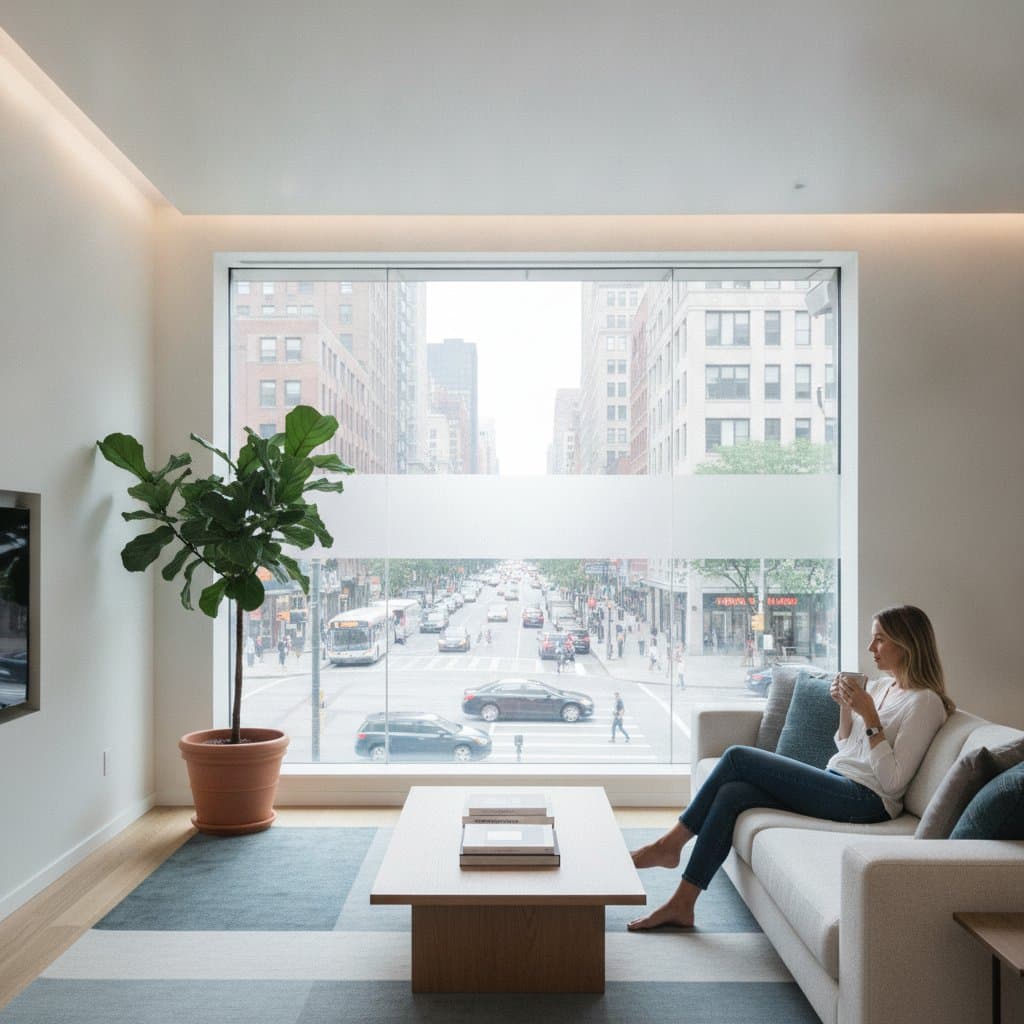
Beyond their green profile, recycled windows excel in practical applications. Contemporary versions feature multi-pane glazing, thermal barriers, and protective coatings. These elements curb heat loss and gain, fostering year-round indoor stability.
Key Performance Aspects
- Thermal Insulation: Double- or triple-pane configurations with recycled glass block excessive heat flow, easing reliance on HVAC systems.
- Frame Durability: Aluminum from recycled sources withstands weathering and retains rigidity over long periods.
- Seal Integrity: Advanced weatherstripping and finishes block drafts, boosting efficiency in aging structures.
- Noise Control: Installation techniques dampen external sounds, improving livability.
Recycled windows achieve energy ratings equivalent to new builds when adhering to current standards.
Design Options and Visual Appeal
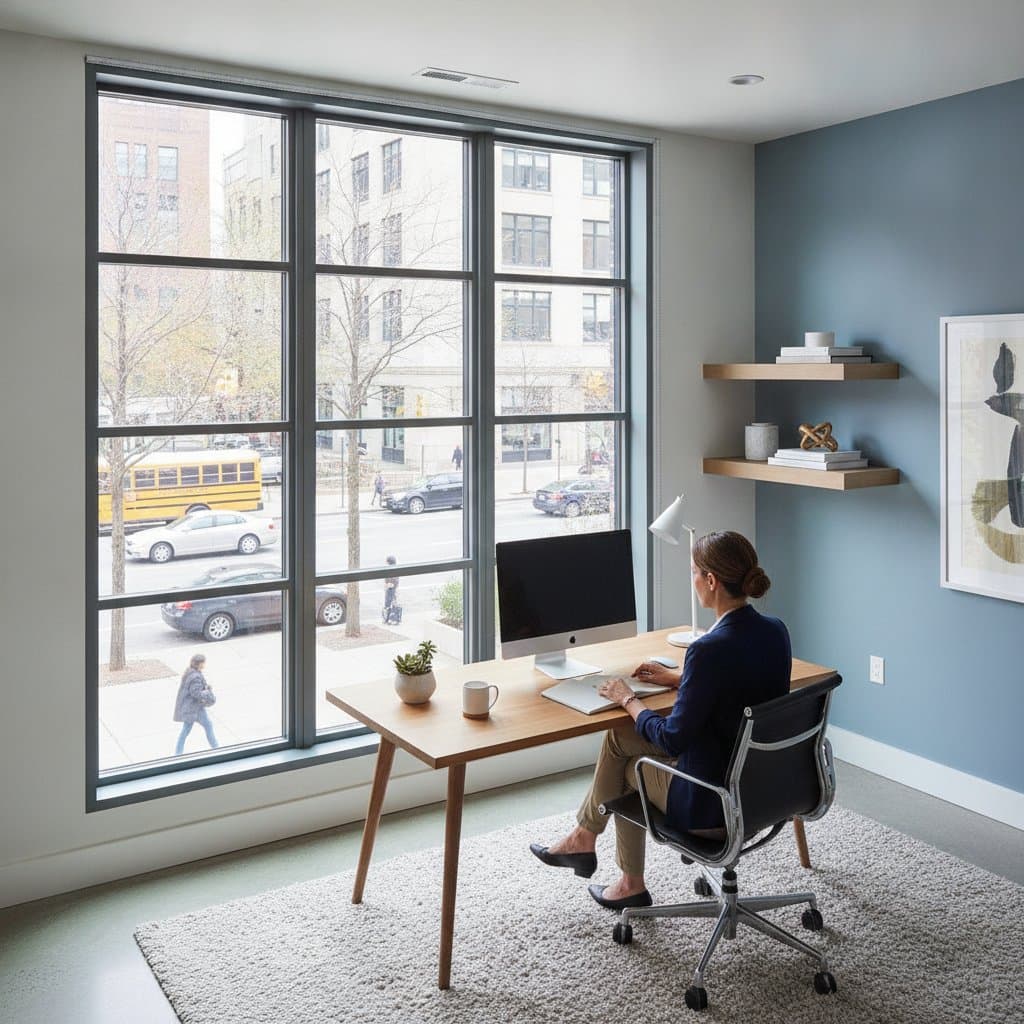
Recycled windows offer diverse finishes, hues, and configurations to complement any architecture. Options range from classic to sleek modern profiles. Aluminum frames accept anodizing or powder coating in multiple tones, while glass panes support tints or low-E layers that enhance function without altering looks.
Customization includes unique sizes and shapes, fitting needs from compact bungalows to expansive estates. This versatility assures that eco-choices align seamlessly with individual tastes.
Maintenance and Longevity
Recycled windows sustain high performance well past installation with basic upkeep. Their design promotes decades of service.
Essential Maintenance Practices
- Cleaning: Wipe frames and glass with gentle soap and lint-free cloths. Steer clear of abrasives that harm surfaces.
- Inspection: Review seals and caulk yearly to preserve tightness.
- Lubrication: Apply light oil to moving parts periodically to avoid friction.
- Refinishing: Refresh powder coats on aluminum after extended exposure, if needed.
Aluminum's corrosion resistance means less frequent interventions compared to wood or raw metals. This durability cuts down on future replacements and associated waste.
Financial Aspects and Lasting Value
Installation expenses fluctuate by area, yet recycled windows balance cost with savings. Factors like energy reductions, durability, and home appreciation drive their worth.
Influential cost elements include:
- Sourcing: Proximity to recycling centers affects material prices.
- Customization: Specialized designs or features raise expenses.
- Labor: Expert fitting secures optimal results.
- Savings: Better insulation trims ongoing energy outlays.
Over the full ownership period, these windows prove economical and planet-friendly.
Installation Process Overview
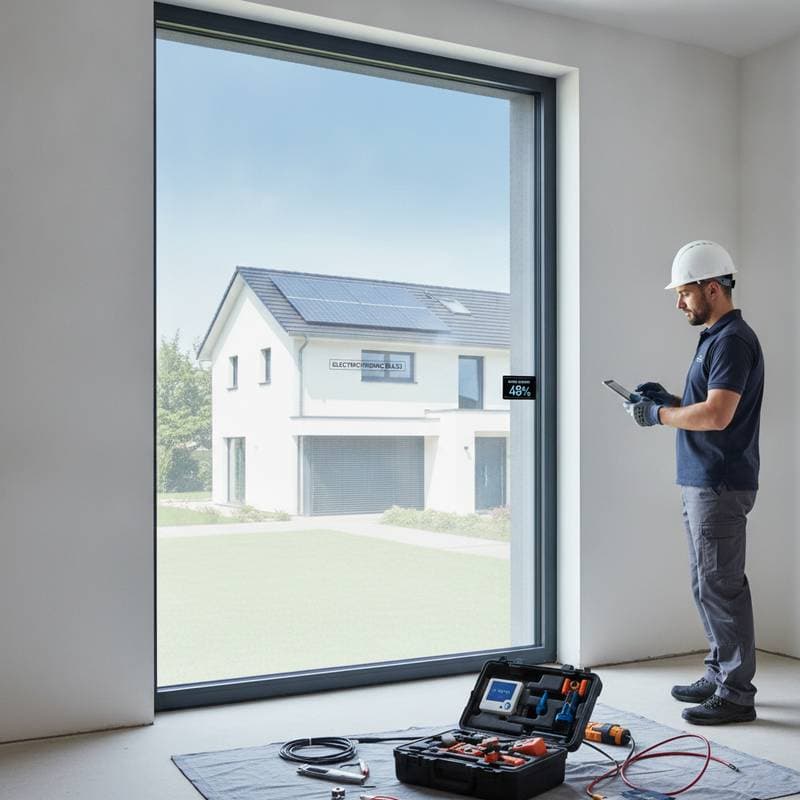
Window replacement with recycled materials mirrors standard procedures, with attention to material handling.
Initial Planning
- Site Evaluation: Examine openings and take accurate measurements.
- Product Choice: Select based on weather patterns and home aesthetics.
- Regulatory Check: Verify compliance with local energy and building rules.
Site Preparation
- Extract existing units intact where possible.
- Repair frames and clear debris.
- Install weatherproofing and insulation.
Core Installation
- Secure the new unit in place.
- Adjust for plumb and level.
- Seal with appropriate compounds and hardware.
Final Checks
- Verify operation of sashes and locks.
- Detect any gaps in air or moisture barriers.
- Ensure finishes remain intact.
Post-Installation
Warranties match those of virgin-material products, supporting ongoing assurance.
Selecting the Ideal Solution
Home needs vary by budget, style, and location. Weigh these to decide on recycled windows:
- Regional Weather: Opt for enhanced glazing in harsh conditions.
- Style Alignment: Coordinate colors with surrounding elements.
- Sustainability Aims: Prioritize if emissions cuts matter most.
- Upkeep Tolerance: Select low-effort finishes.
- Durability Needs: Favor robust options for lasting residences.
Advancing Sustainable Home Upgrades
Incorporating recycled windows marks a strategic step toward enduring eco-responsibility. Thoughtful selection and care yield prolonged efficiency and comfort. These choices integrate green principles into daily life, yielding style and savings with minimal ecological strain.