Cost to Install Reclaimed Wood Windows in 2026
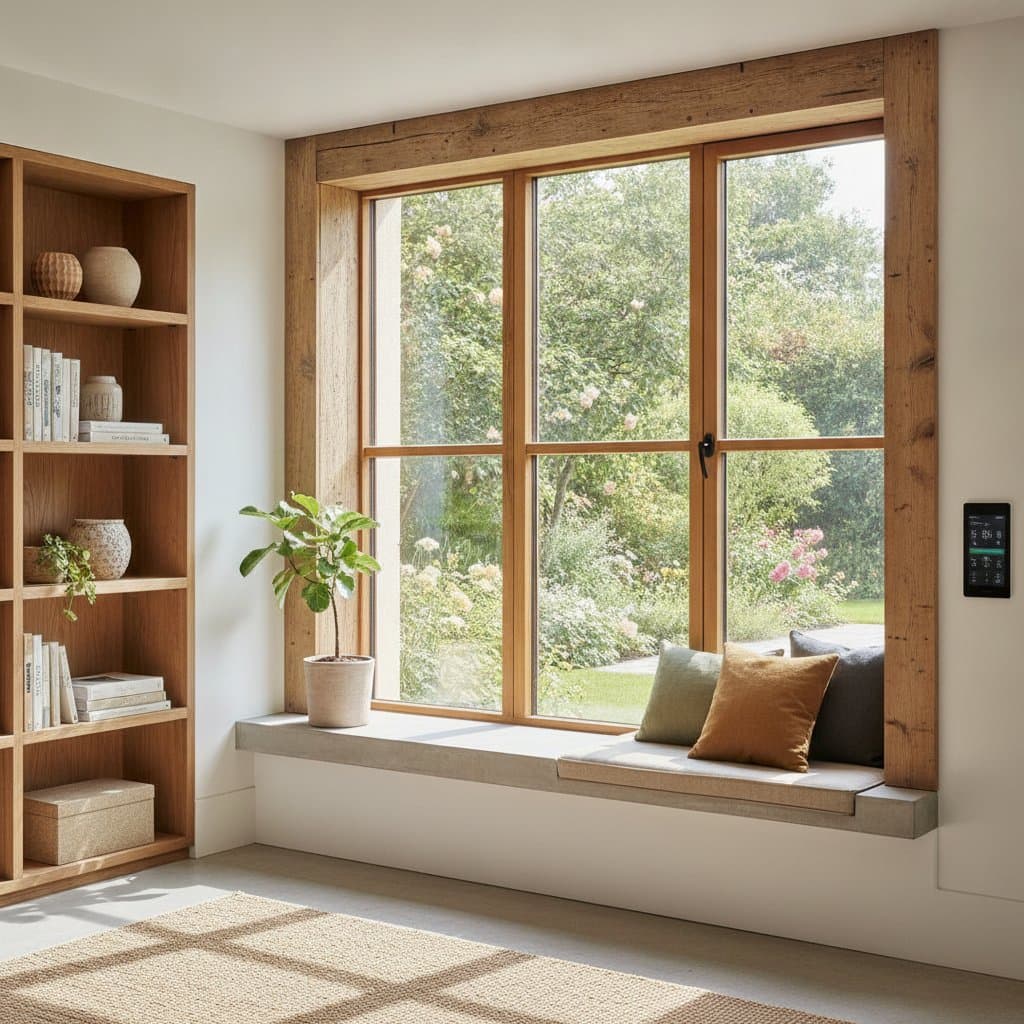
Reclaimed wood windows represent a growing choice among homeowners seeking sustainable upgrades. These windows deliver rustic appeal alongside strong environmental credentials. They introduce distinctive texture and warmth to interiors and exteriors alike.
Many property owners seek details on pricing, performance relative to new wood, and installation expectations. The sections below provide a clear breakdown of expenses, material characteristics, and practical guidance.
Reasons Homeowners Select Reclaimed Wood
Reclaimed wood originates from dismantled barns, factories, warehouses, and shipyards, frequently exceeding one hundred years in age. The material has already undergone extensive seasoning, which produces stability and character absent from fresh lumber.
Homeowners cite several consistent motivations:
- Sustainability through diversion of timber from landfills and reduced demand for new harvesting.
- Visible patina, grain patterns, and tool marks that convey genuine history.
- Resistance to warping once properly treated and sealed.
- Opportunity for custom dimensions that complement existing architecture.
Eric Dalton, a master carpenter with Green Timber Restoration in Oregon, noted that reclaimed wood has already demonstrated its resilience through decades of exposure. When refinished and sealed correctly, it often surpasses newer alternatives in service life.
Material Comparison
Reclaimed wood sits alongside other common window frame options. The table below summarizes installed costs and key performance traits.
| Material | Cost Range (Installed) | Energy Efficiency | Maintenance Level | Aesthetic Appeal |
|---|---|---|---|---|
| Reclaimed Wood | $650 to $1,500 per window | Very High (with insulated glazing) | Moderate | Unique, rustic, natural |
| New Solid Wood | $550 to $1,200 | High | Moderate | Classic, warm |
| Vinyl | $350 to $850 | High | Low | Clean, modern |
| Fiberglass | $500 to $1,000 | Very High | Low | Sleek, contemporary |
| Composite | $450 to $950 | High | Low | Versatile look |
Reclaimed wood demands more routine attention than synthetic choices, yet many owners value its texture and reduced environmental footprint.
Care Requirements and Service Life
With attentive upkeep, reclaimed wood windows commonly remain functional for 30 to 50 years. Performance hinges on finish quality, regional climate, and consistent maintenance.
Follow this schedule for best results:
- Examine seals and caulk joints once per year.
- Reapply exterior finish every three to five years.
- Clean glass and frames quarterly.
Because the timber has already stabilized through prior exposure, it expands and contracts less than new stock. This trait suits climates with pronounced seasonal humidity shifts.
Sarah Knoll, a restoration contractor in Vermont, observed that reclaimed wood has already endured repeated temperature and moisture cycles. Proper sealing renders it highly dependable for extended window applications.
Design Possibilities
Reclaimed wood adapts to numerous architectural contexts. Owners frequently pair it with complementary natural elements.
Common approaches include:
- Rustic farmhouse compositions that feature weathered pine, matte black hardware, and divided lights.
- Modern industrial schemes that combine reclaimed oak with steel accents.
- Coastal cottage treatments that employ whitewashed fir in awning configurations.
- Historic restorations that replicate period muntin profiles in species such as chestnut.
Finishes range from clear oils to low-impact stains. Some projects retain original saw marks or fastener holes to emphasize provenance.
Supplier Selection
A reliable source ensures material quality and traceability. Request documentation of origin, contaminant removal, and moisture content.
Apply this checklist during procurement:
- Obtain certification of ethical sourcing.
- Verify removal of nails, paint, and residues.
- Confirm moisture readings fall between 8 and 12 percent.
- Review finish samples prior to full order placement.
- Confirm availability of matching trim and replacement components.
Local suppliers frequently collaborate with salvage operations and deconstruction programs, which also lowers transport emissions.
Next Steps for Installation
Begin by measuring openings and noting existing trim details. Engage a contractor experienced with reclaimed material to review structural conditions and glazing options. Obtain multiple supplier quotes that itemize wood source, finish, and hardware. Schedule work during mild weather to protect fresh finishes. This sequence supports a durable, visually distinctive result that aligns with long-term sustainability goals.