Acoustic Windows Deliver Quiet Urban Living
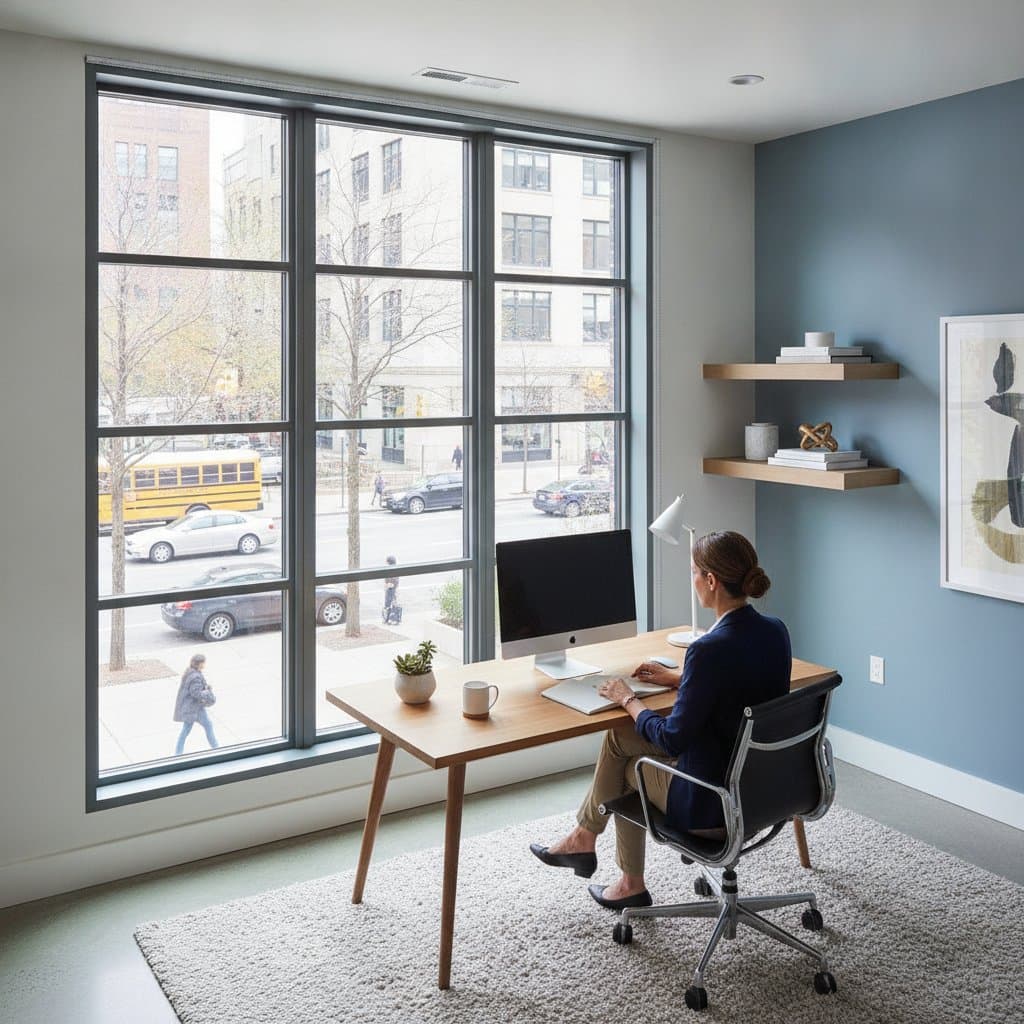
City living offers convenience and vibrancy, yet traffic, construction, and nightlife often disrupt rest. Acoustic windows address this challenge by reducing sound transmission while preserving views and architectural appeal. These systems integrate advanced glazing with durable frames to create interiors that remain calm amid external activity.
Cost Based Selection Strategies
Budget Option ($4,000 to $7,000)
- Select double pane insulated glass set in vinyl or aluminum frames to manage expenses while creating an air gap that limits sound entry.
- Prioritize installation in bedrooms and offices where reduced noise supports focus and sleep.
- Add acoustic sealant and upgraded weatherstripping around frames to strengthen performance without major added cost.
Mid Level Option ($8,000 to $13,000)
- Specify laminated acoustic glass that incorporates a sound damping interlayer and pair it with thermally broken aluminum frames.
- Choose offset pane thicknesses to address both high and low frequency sounds effectively.
- Match frame colors such as matte black or bronze to existing trim for a unified exterior appearance.
Premium Option ($14,000 to $25,000)
- Install triple pane systems filled with argon gas inside structural composite frames for maximum sound reduction and thermal performance.
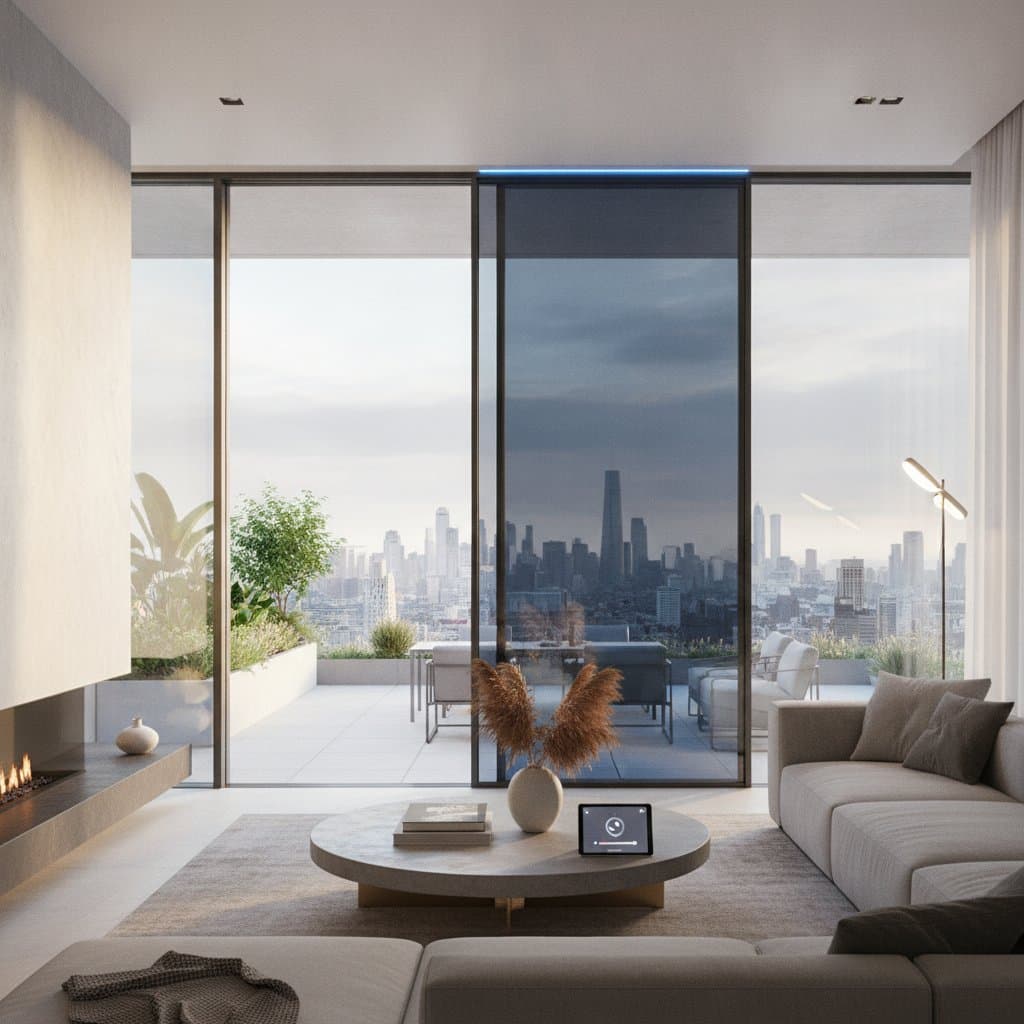
- Incorporate integrated blinds or smart glass to control light and privacy without compromising acoustics.
- Expect improved energy efficiency alongside noise reduction that reaches 85 percent and supports higher resale value.
Recommended Materials and Finishes
- Choose laminated acoustic glass with panes of differing thicknesses for broad frequency control.
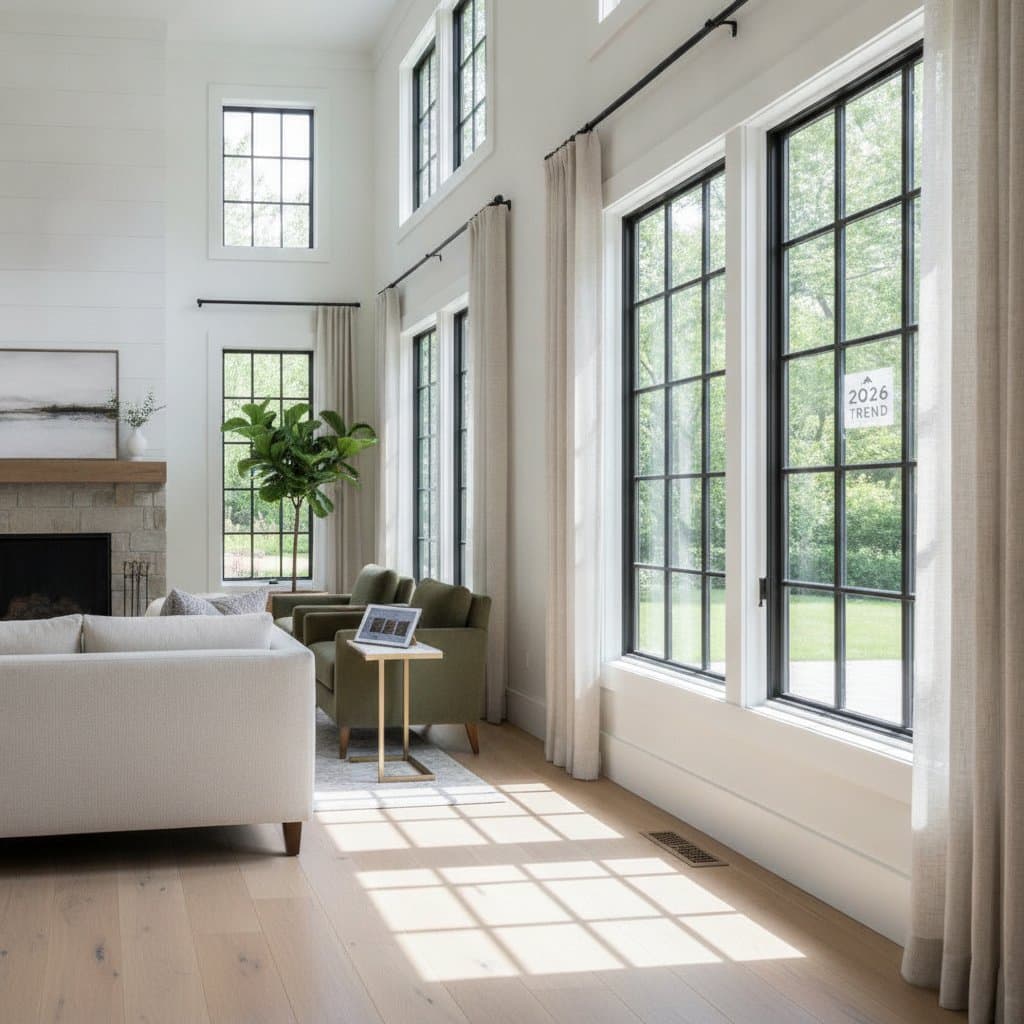
- Finish frames in matte black for modern buildings, warm white for traditional styles, or brushed aluminum for minimalist designs.
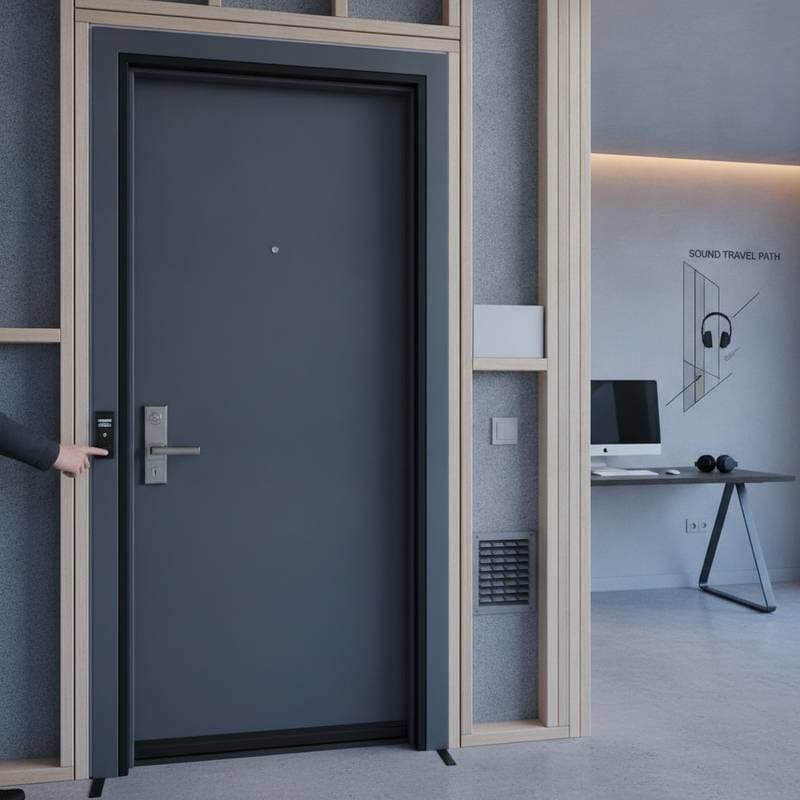
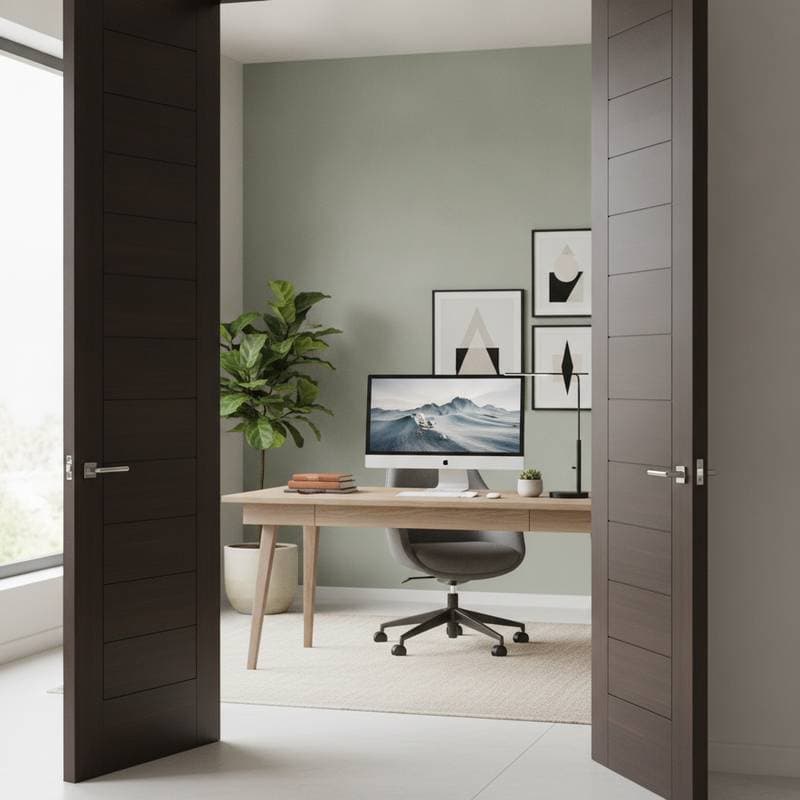
- Pair selections with solid core acoustic doors that feature matching laminated glass inserts and hardware in brushed nickel or dark bronze.
- Complete the envelope with fiber cement or engineered wood siding in horizontal or board and batten patterns to add mass and absorption.
- Use composite trim boards in colors coordinated with frames to maintain clean lines and reduce maintenance.
Routine Care Requirements
Laminated glass resists cracking yet benefits from gentle cleaning that avoids edge abrasion. Vinyl and composite frames resist corrosion, while aluminum requires occasional mild detergent washing. Inspect weatherstripping yearly to maintain seals, particularly after temperature changes. Triple pane units warrant professional checks every few years to verify gas retention. Fiber cement siding needs repainting infrequently, and engineered wood benefits from spot touch ups in exposed areas.
Installation and Design Errors to Prevent
- Avoid frames chosen solely for appearance or price, because non rated aluminum can transmit vibration.
- Confirm that installers apply continuous acoustic sealing to eliminate gaps around every frame.
- Balance fixed and operable units so large panes do not create future cleaning difficulties.
- Upgrade both glass and framing together rather than applying premium glazing to existing poor seals.
- Schedule annual seal inspections to prevent moisture damage that degrades acoustic layers.
Exterior Color Coordination
A consistent palette enhances visual calm and property appeal. Apply soft charcoal frames against warm white siding, introduce natural cedar accents at doors and soffits, and finish hardware in matte black. Cool gray trim provides subtle definition. This scheme suits contemporary condos and craftsman homes alike.
Site Documentation Steps
Photograph each elevation in wide views to assess proportions. Record close details of trim, siding texture, and door finishes. Note architectural style, neighborhood guidelines, climate factors, and primary noise sources. Define budget limits and target zones requiring the greatest sound control.
Realizing Daily Comfort Gains
Acoustic windows allow residents to enjoy city access without constant sound intrusion. Careful material choices, coordinated finishes, and proper installation produce interiors that support rest and concentration. Targeted upgrades or full system replacements both deliver measurable reductions in noise along with lasting energy savings and elevated home value.