$5K Reclaimed Barn Doors: Hype or Smart Rustic Buy?
Reclaimed barn doors have emerged as a key element in rustic interior design. Homeowners appreciate their genuine weathered appearance, sustainable sourcing, and commanding visual impact. Prices often climb to $5,000 or higher per door, prompting a valid question: do these doors justify the expense, or do they represent an overpriced trend?
This article explores the factors behind the cost, benefits, and scenarios where such an investment pays off. Readers gain insights to evaluate if reclaimed barn doors align with their design goals and budget.
Understanding the High Cost of Reclaimed Barn Doors
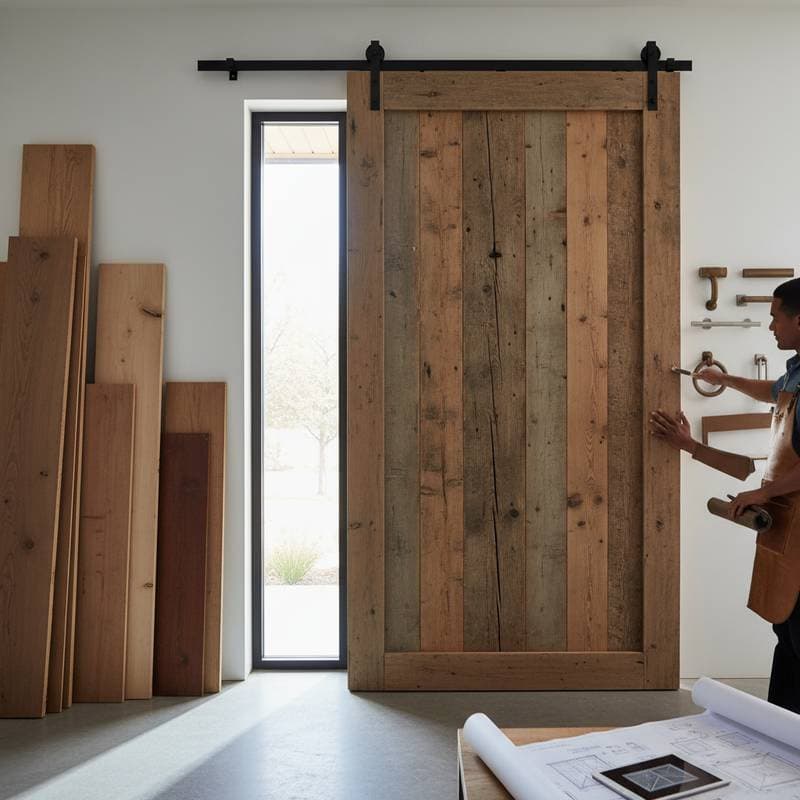
The premium price of a reclaimed barn door stems from its unique materials and meticulous craftsmanship. These doors use lumber salvaged from historic structures such as old barns, factories, or railway depots. The reclamation process involves precise deconstruction to preserve the wood's integrity, followed by thorough cleaning, de-nailing, and milling to ensure safety and usability. Workers inspect each piece for hidden defects like pests or weaknesses, which demands time-intensive labor far exceeding that of manufacturing new wood products.
Customization further elevates the expense. Most reclaimed doors receive bespoke construction to guarantee seamless fit and smooth operation, preventing issues like warping over time. High-quality components, including robust steel sliding tracks and artisanal metal handles, contribute to the overall value. These elements ensure durability and functionality beyond basic aesthetics.
Professional installer Mark Jensen of Timberline Interiors notes, “The higher-end reclaimed doors often come from limited wood stocks that can’t be replicated. You’re paying for history and craftsmanship that will last decades.”
Key Factors Driving the Total Investment
Several variables determine the final price of a reclaimed barn door installation. These extend past the door itself to encompass materials, finishes, and professional services.
- Wood Species Selection: Dense hardwoods such as oak, hickory, or walnut command higher prices than softer options like pine or cedar due to their longevity and visual richness.
- Surface Finishes and Treatments: Application of natural oils, custom stains, or eco-friendly low-VOC sealants adds between $100 and $300, protecting the wood while enhancing its patina.
- Size and Configuration: Larger panels, such as those exceeding standard dimensions, or multi-door sliding setups require additional material and engineering, increasing costs by 20 to 50 percent.
- Hardware Specifications: Durable track systems, rollers, and accents from premium brands typically range from $250 to $600, ensuring quiet, reliable movement even with heavy doors.
- Installation Demands: Complex setups involving wall modifications, electrical adjustments for lighting, or structural supports can double labor fees, often totaling $500 to $1,500.
By evaluating these elements early, homeowners can budget accurately and avoid surprises. For instance, opting for a standard size in pine with basic hardware might keep costs under $3,000, while a custom oak double-door system approaches $7,000.
The Environmental and Aesthetic Advantages
Reclaimed barn doors stand out for their eco-conscious profile. Salvaging existing lumber minimizes the need for fresh harvesting, conserving forests and reducing carbon emissions from logging and milling. This practice also diverts materials from landfills, promoting a circular economy in home design.
Each door bears unique markings—nail holes, grain variations, and natural distressing—that tell a story of its past life. These imperfections create an authentic texture impossible to forge with new materials, fostering a sense of timelessness in any space.
Aesthetically, these doors excel in diverse styles. In farmhouse kitchens, they partition pantries with rustic warmth. Industrial lofts benefit from their raw edge against concrete and metal. Even contemporary settings gain depth as they introduce organic contrast to minimalist palettes. Interior designer Carla Morton of Prairie House Studio explains, “A reclaimed barn door brings character that instantly grounds a space. It’s not just decor, it’s a conversation piece that adds authenticity.”
Comparing Reclaimed Doors to Alternatives
To assess value, consider how reclaimed options stack up against newer counterparts. Solid wood barn doors, crafted from fresh timber, cost 30 to 50 percent less—around $2,000 to $3,500—but lack the historical depth and sustainability credentials.
Engineered or MDF barn doors offer affordability at $800 to $1,500, with finishes mimicking reclaimed looks. However, they compromise on durability and environmental impact, often containing synthetic adhesives that off-gas over time.
Fiberglass or composite alternatives provide low maintenance at under $1,000 but fail to deliver the tactile warmth and heirloom quality of true reclaimed wood. For those prioritizing longevity and uniqueness, the $5,000 investment in reclaimed doors often outweighs these substitutes, especially in resale value—homes with authentic features can appreciate by 5 to 10 percent.
Scenarios Where $5K Pays Off
Investing $5,000 in a reclaimed barn door suits specific situations. It proves ideal for upscale rustic renovations where the door serves as a focal point, such as dividing a great room from a dining area. Properties with historic charm, like restored farmhouses, benefit from materials that harmonize with existing architecture.
Homeowners passionate about sustainability find added justification, as these doors align with green building certifications like LEED. In high-traffic zones, the superior strength reduces replacement needs, offering long-term savings. If budget constraints apply, start with a single door in a visible spot to test the impact before expanding.
Practical Steps for Selection and Care
Choosing the right reclaimed barn door involves assessing your space's needs. Measure openings precisely, considering track placement and clearance. Consult suppliers for wood provenance to verify authenticity—reputable sources provide documentation on the lumber's origin.
For maintenance, dust regularly with a soft cloth and apply wood conditioner annually to prevent drying. Avoid harsh chemicals; instead, use mild soap for spot cleaning. In humid climates, ensure proper ventilation to minimize expansion risks. With these habits, your door retains its allure for generations, affirming the investment's wisdom.
Ultimately, reclaimed barn doors deliver enduring value through their blend of history, eco-benefits, and design prowess. They transform ordinary spaces into distinctive havens, rewarding those who prioritize quality over fleeting trends.