Establishing Silence: The Rise of 50dB Acoustic Doors in 2026
Modern home design increasingly values peace and quiet. Families and professionals juggle work, leisure, and daily routines within shared spaces, making effective sound management essential. The surge in demand for 50dB acoustic doors underscores this evolution toward serene, functional interiors. These specialized doors minimize sound transmission across rooms, fostering dedicated areas for concentration and rest.
Decoding Acoustic Door Ratings
Acoustic doors receive evaluation through the Sound Transmission Class (STC) rating, a standard metric for sound-blocking capability. A 50dB-rated door substantially diminishes noises like voices, music, or appliance hums passing between rooms. In contrast, typical interior doors achieve only 25 to 30dB, providing minimal barrier against disturbances. This gap proves critical in environments demanding seclusion, such as home offices, children's bedrooms, or dedicated entertainment areas.
To illustrate, everyday sounds register at specific decibel levels: normal conversation reaches about 60dB, while a television at moderate volume hits 70dB. A 50dB door reduces these by half or more on the receiving side, creating a perceptibly quieter atmosphere. Homeowners report improved productivity and better sleep quality after installation, as subtle noise reductions accumulate into profound calm.
Key Materials and Build Techniques
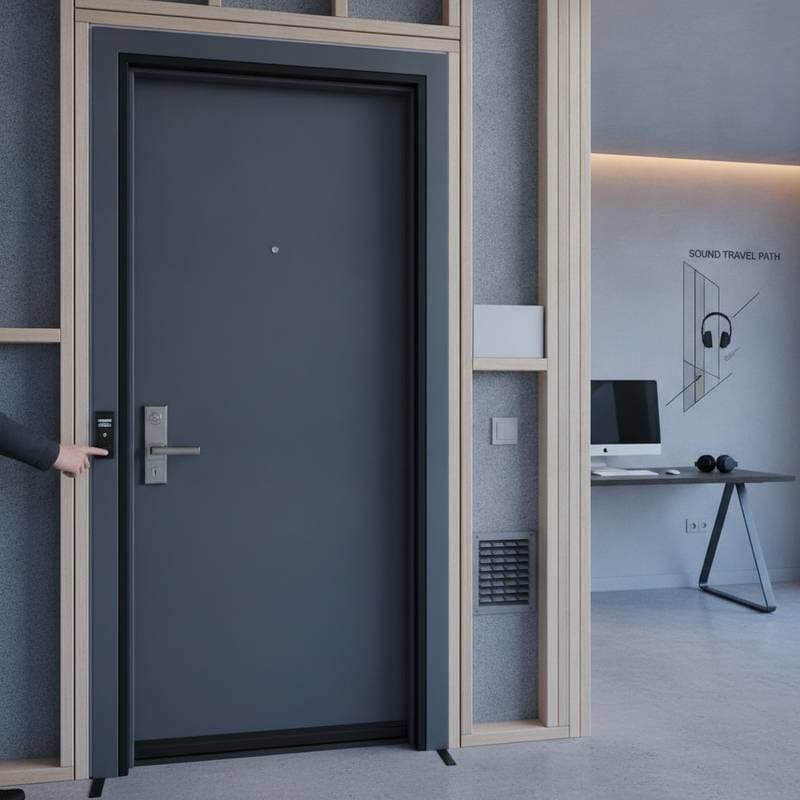
Superior acoustic performance stems from thoughtful material selection and construction methods. Cores made from dense solid wood, particleboard composites, or steel inserts form the foundation, absorbing sound waves effectively. Acoustic seals along the edges and automatic drop seals at the threshold prevent air and noise leakage through tiny fissures.
Frames require robust construction, often with reinforced jambs to handle the door's increased weight, which can exceed 100 pounds for larger sizes. Advanced models incorporate multiple layers: an inner damping layer of viscoelastic material converts vibrational energy into heat, while outer veneers of hardwood or laminate ensure aesthetic appeal. This layered approach not only enhances sound control but also maintains structural integrity over years of use.
Installation precision further amplifies these features. Professionals recommend aligning the door within 1/8 inch of plumb to avoid compromises in performance. Homeowners can select finishes like oak, walnut, or matte white paint to integrate seamlessly with existing decor, blending functionality with style.
Evaluating Door Options and Ratings
Acoustic doors vary to match diverse household requirements. The following table compares popular choices based on cost, durability, upkeep, and ideal applications.
| Option | Initial Cost | Lifespan | Maintenance | Best For |
|---|---|---|---|---|
| Standard Solid Core | Moderate | Long | Occasional refinishing | Bedrooms, basic offices |
| 40dB Acoustic Door | Higher | Long | Minimal | Shared family areas |
| 50dB Acoustic Door | Premium | Long | Minimal | Recording studios, home theaters, high-focus offices |
Among these, the 50dB variant offers the strongest noise reduction, often blocking up to 50% more sound than mid-range options. Although the upfront expense ranges from $800 to $2,000 per door, the enduring benefits in privacy and well-being offset the investment. For multi-generational homes or urban settings with external noise, this level provides the most comprehensive solution.
Step-by-Step Installation Process
Proper installation ensures optimal performance from a 50dB acoustic door. Begin with thorough planning: assess the rough opening dimensions, verify wall studs can bear the load, and select hardware rated for heavy doors, such as ball-bearing hinges.
Next, prepare the site by removing the existing door and hardware. Clean the frame, check for level surfaces, and shim as needed to correct any irregularities. During fitting, position the new frame squarely, secure it with screws into studs, and attach the door with seals fully engaged.
- Conduct a closure test: Ensure the door swings smoothly and latches without binding.
- Inspect for gaps: Use a light source inside the room to detect any perimeter leaks.
- Verify acoustics: Play sounds on one side and measure reduction with a decibel meter app or by ear.
- Finish installation: Add trim, paint if required, and perform a final noise simulation with household activities.
Professional installers complete this in 2 to 4 hours, but DIY enthusiasts should allocate a full day for accuracy. Post-installation, monitor for settling and adjust seals annually.
Tailoring Choices to Your Lifestyle
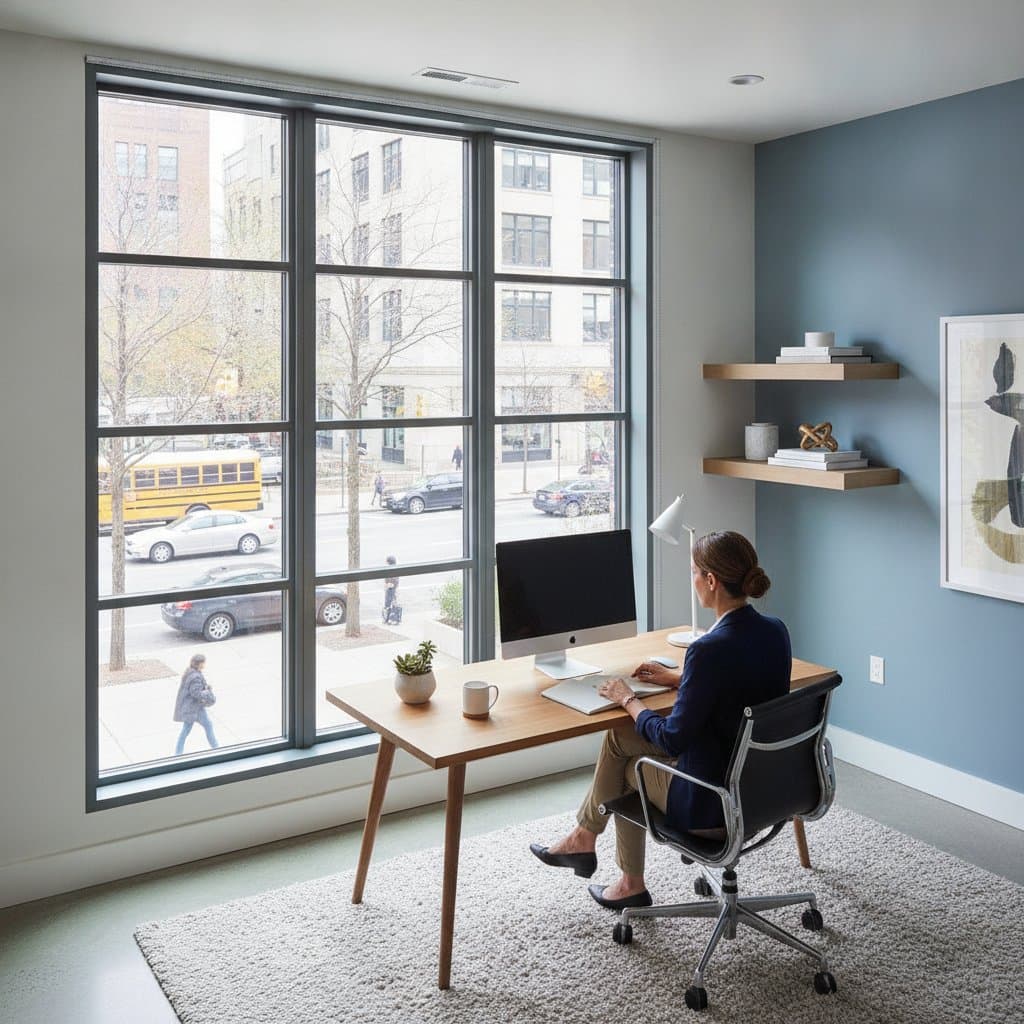
The ideal acoustic door aligns with specific home dynamics. Remote workers benefit from 50dB isolation to separate professional calls from family noise, while parents of infants prioritize nurseries shielded from household bustle. Aesthetic preferences play a role too: customizable stains or modern minimalist designs allow integration without sacrificing performance.
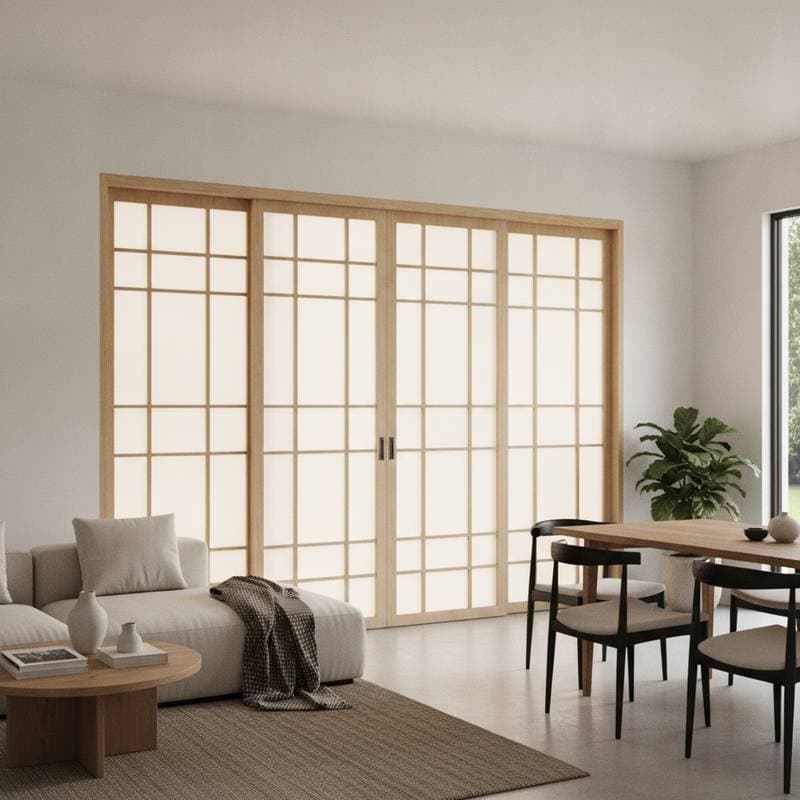
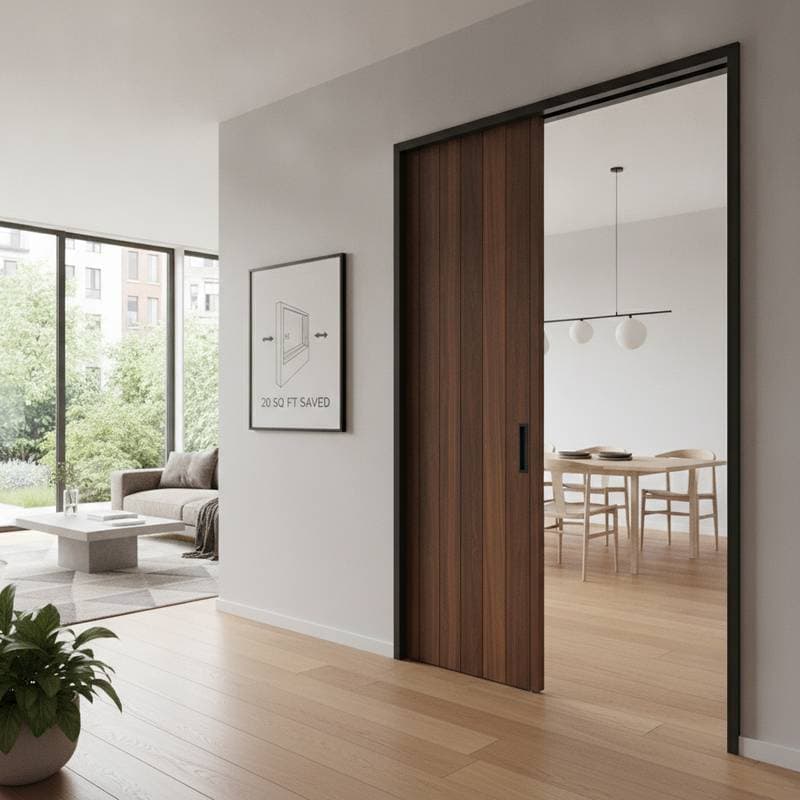
Consider room size and usage frequency. Larger doors for open-plan areas demand higher ratings, whereas smaller ones suffice for closets or bathrooms. Consult with suppliers to match STC levels to measured ambient noise, ensuring targeted effectiveness.
Sustaining Performance Over Time
A well-maintained 50dB acoustic door retains its efficacy for 20 years or longer. Inspect seals quarterly for wear, replacing them if compression diminishes. Lubricate hinges biannually to prevent squeaks that could introduce new sounds.
Avoid modifications like drilling new holes, which might create pathways for noise. In humid climates, ensure the frame remains dry to prevent warping. These steps preserve the door's role as a steadfast guardian of quiet, enabling homeowners to enjoy sustained tranquility amid life's demands.