Soundproof Doors Reduce Noise by Up to 85 Percent in Contemporary Residences
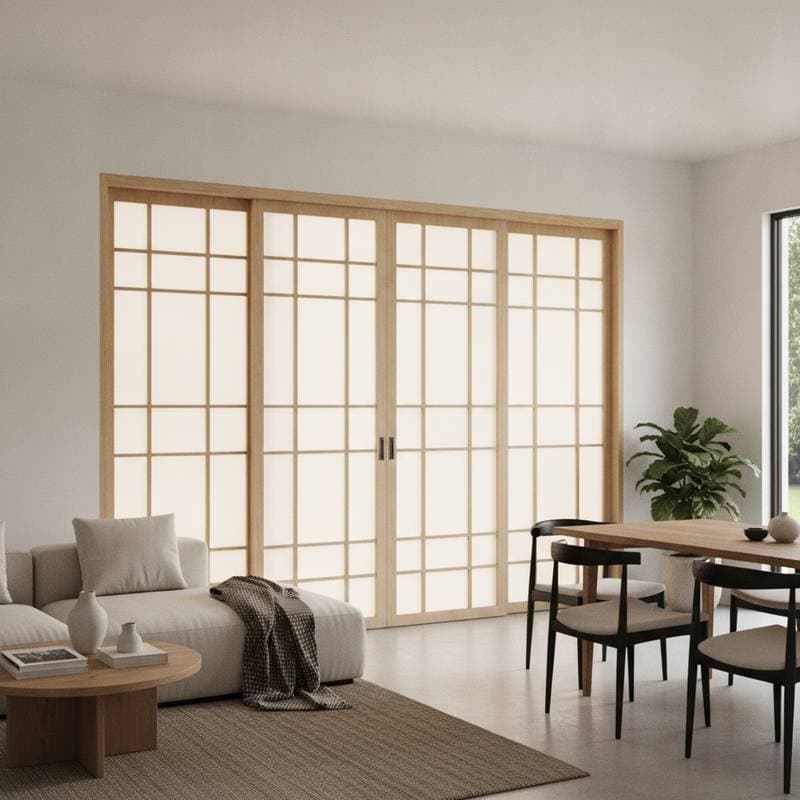
A serene living environment ranks alongside open layouts and natural wood elements in modern preferences. Increasing urban density, remote work setups, and multi-generational households elevate noise management as a key aspect of home design. Soundproof doors provide a reliable solution to minimize internal sound transmission while preserving visual appeal and usability. These specialized doors achieve reductions in noise transfer of up to 85 percent, converting active areas into tranquil zones. Current offerings from producers integrate seamlessly with both contemporary and classic building styles, incorporating sound isolation into the broader design narrative.
Strategies for Implementation
Budget Option (800 to 1,500 Dollars)
- Select solid-core composite doors over hollow variants. The increased density of the core absorbs sounds such as voices and media audio effectively.
- Apply weatherstripping and acoustic seals to the frame perimeter to eliminate sound pathways.
- Opt for basic wood stains or paint that align with current trim, avoiding full frame replacements.
This method controls expenses while enhancing daily livability. Primary benefits arise from addressing gaps and transitioning to solid builds.
Intermediate Option (1,600 to 3,000 Dollars)
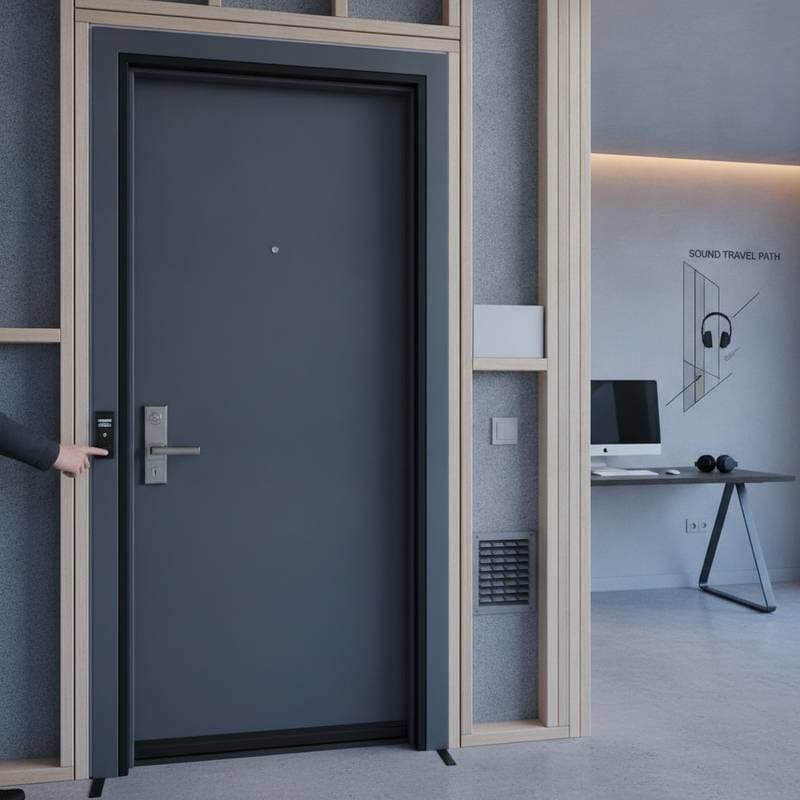
- Choose engineered wood or medium-density fiberboard doors featuring built-in sound-absorbing cores. Layered constructions enhance isolation without excessive mass.
- Incorporate automatic door bottoms that form a secure seal upon closure.
- Upgrade to soft-closing hinges and robust frames, which support both operation and aesthetics.
This level combines performance and affordability, delivering evident sound dampening through quality components and versatile finishes. It suits modern or blended interior schemes.
Premium Option (3,100 to 7,000 Dollars)
- Select high-rated acoustic doors with elevated Sound Transmission Class values, offered in genuine wood veneers, bespoke stains, or upscale laminates.
- Explore paired door setups or panels with sound-dampening glass layers to retain illumination.
- Engage experts for installation, including complete frame overhauls, to ensure optimal sealing.
Such investments yield enduring benefits, exceptional silence, and refined styling. They suit dedicated spaces like media rooms, studios, or master bedrooms requiring seclusion and elegance.
Selection Guide for Materials and Finishes
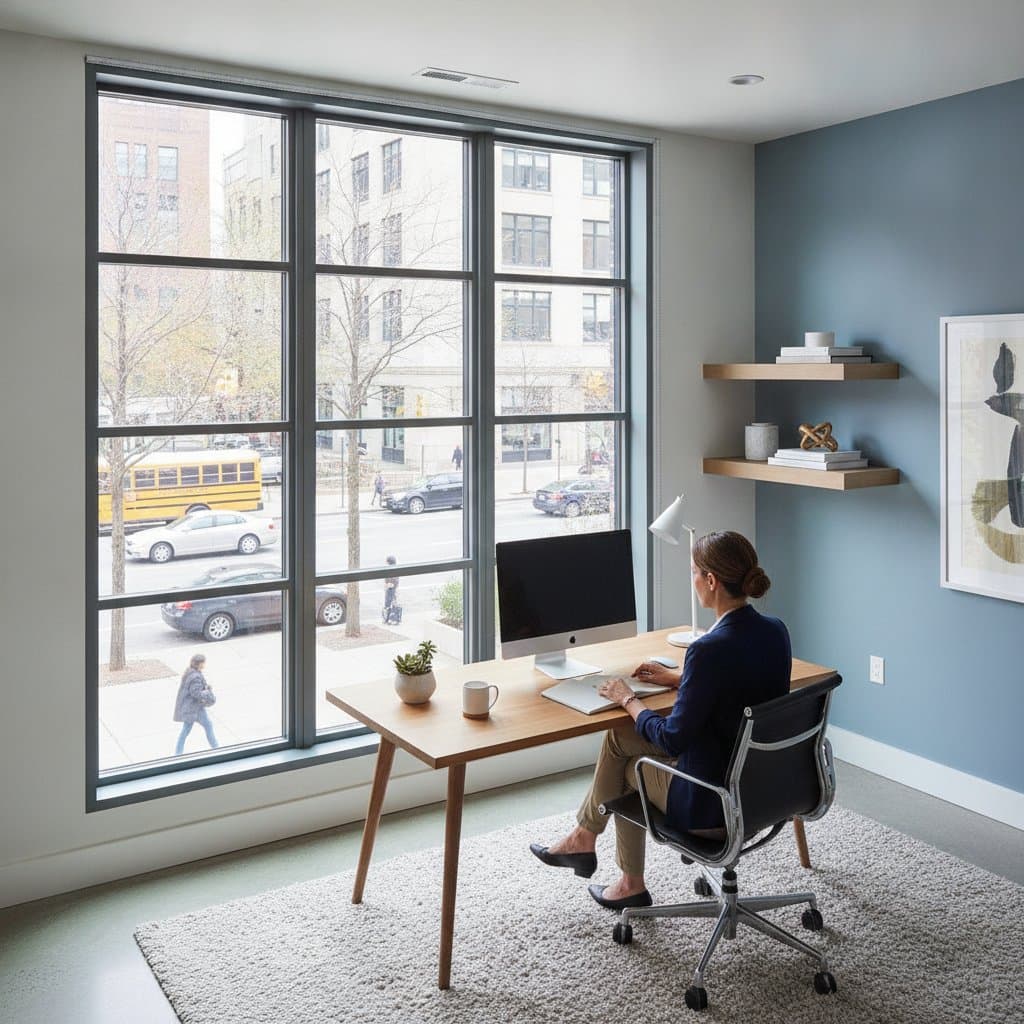
- Windows: Combine soundproof doors with dual- or triple-pane windows featuring acoustic glazing. Aluminum frames in black or bronze suit modern facades, while painted wood frames fit traditional ones. Frosted options boost privacy alongside light passage.
- Doors: Solid wood cores, engineered composites, or layered acoustic panels deliver superior control. Finishes include oak, walnut, or matte paints. Deep stains foster a rich, opulent vibe, whereas whites and grays promote freshness and modernity.
- Siding: External barriers influence indoor acoustics. Fiber cement or insulated vinyl outperforms slim metal or wood siding in sound resistance.
- Trim and Hardware: Employ broad casings around openings to stabilize heavier doors visually. Coordinate handle finishes throughout entrances for unified design.
Essential Maintenance Practices
Soundproof doors demand marginally greater care than conventional interior types. Seals and gaskets, crucial for efficacy, degrade in busy zones over periods. Schedule inspections every few months to verify tight closure and pliable seals. Clean surfaces using a gentle cloth and neutral solution to protect coatings. Condition real wood veneers periodically, and refresh paint near active areas like hinges. Lubricate pivots regularly and test automatic seals for fluid action. Routine attention sustains both sound blocking and visual integrity over extended durations.
Common Pitfalls to Sidestep
- Neglecting the Frame: Swapping a door alone while ignoring frame sealing permits sound leakage. Integrate acoustic sealants or undertake full frame renewal during upgrades.
- Disregarding Weight: These doors exceed standard mass. Inadequate hinges or jambs lead to drooping or misalignment. Specify fittings rated for the load.
- Clashing Aesthetics: A contemporary door in a traditional setting disrupts harmony. Align paneling, hues, and fixtures with the residence's style.
- Equating All Solid Cores: Certain solid designs prioritize strength over sound. Seek documented STC ratings for acoustic priorities.
Integrating Quiet Luxury Through Acoustic Design
The emerging quiet luxury trend merges subdued visuals with practical utility. It emphasizes minimal disturbance, tactile softness, and inviting substances. Soundproof doors align ideally, elevating noise mitigation to an artistic element. Available in earthy tones, lean forms, and subtle fixtures, they promote balance over prominence.
Strategies for Achieving Quiet Luxury
Budget Option (900 to 1,800 Dollars)
- Apply muted neutrals like warm beige or soft gray to existing solid doors for a unified, soothing scheme.
- Install edge seals and bottom sweeps for tangible sound diminishment.
- Swap handles for brushed nickel or satin brass, offering elegance without ostentation.
Intermediate Option (2,000 to 3,500 Dollars)
- Install preassembled acoustic doors with embedded seals and gentle-closing mechanisms.
- Select natural oak veneers or matte white paints for enduring appeal.
- Incorporate molding or paneling around openings to amplify the tranquil aesthetic.
Premium Option (3,600 to 7,200 Dollars)
- Fit bespoke soundproof doors with hidden hinges and seamless frames for streamlined integration.
- Choose hand-applied walnut or ash veneers sealed in clear matte for grain emphasis.
- Pair with sound-absorbing wall treatments or substantial curtains for comprehensive isolation in leisure or reflective areas.
Selection Guide for Quiet Luxury Materials and Finishes
- Windows: Use laminated acoustic panes in wood or clad aluminum frames with matching tones. Minimize dividers to uphold serenity.
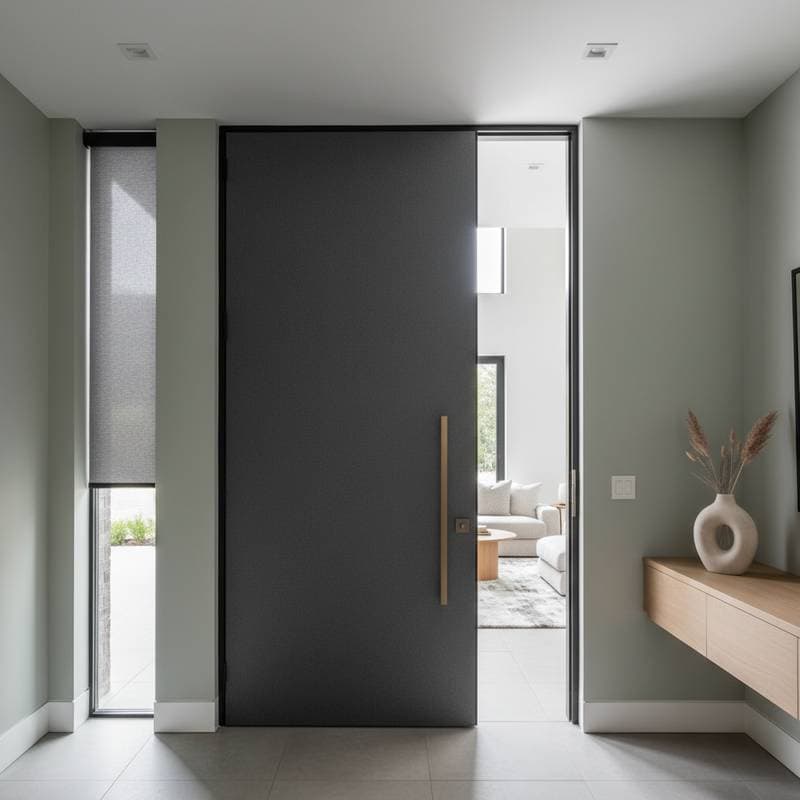
- Doors: Flat slab designs with unbroken faces excel here. Options span light oak to deep brown or muted charcoal.
- Siding: Opt for sleek fiber cement or vertical wood in neutral paints to extend calm outdoors.
- Trim and Hardware: Employ slim, tone-matched profiles for cohesion. Select brushed metals or matte black for discreet highlights.
Essential Maintenance Practices for Quiet Luxury
Maintenance mirrors general soundproof doors, with added focus on preserving subtle finishes. Inspect seals quarterly to maintain acoustic integrity without visible wear. Use microfiber cloths for dusting to avoid scratches on matte surfaces. For veneers, apply conditioning oils sparingly to retain natural luster. Ensure hardware remains free of tarnish through gentle polishing. These steps preserve the understated elegance and performance long-term.
Common Pitfalls in Quiet Luxury Applications
- Contrasting Tones Harshly: Vivid trim disrupts the tranquil continuity. Select shades from the same palette for seamless flow.
- Bypassing Expert Fitting: Gaps undermine even elite doors. Accurate placement maximizes sound benefits.
- Prioritizing Looks Over Function: Style alone falls short; verify acoustic credentials in material choices.
Coordinating Colors and Styles
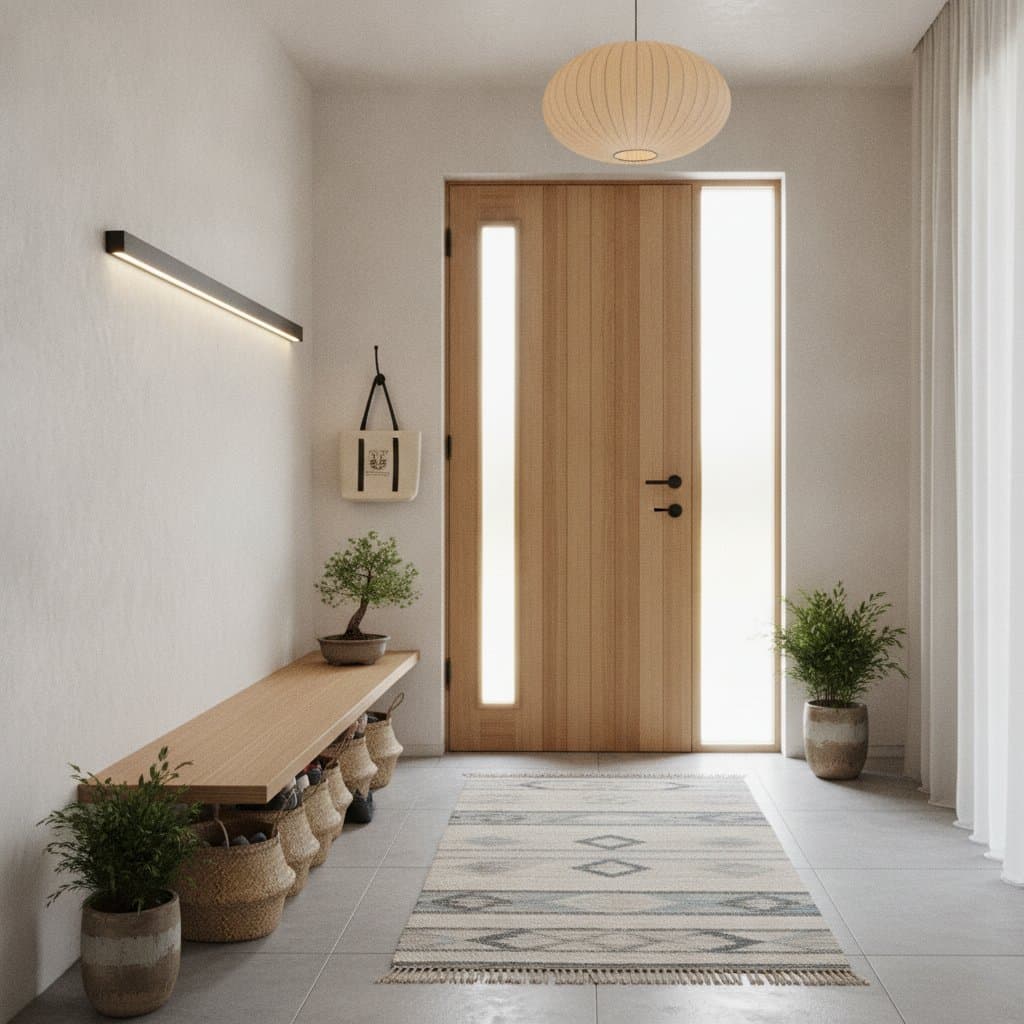
- Warm Minimalist: Pair soft white siding with light oak doors, brushed brass fixtures, and transparent glass.
- Modern Contrast: Combine charcoal doors, white moldings, black frames, and neutral exteriors.
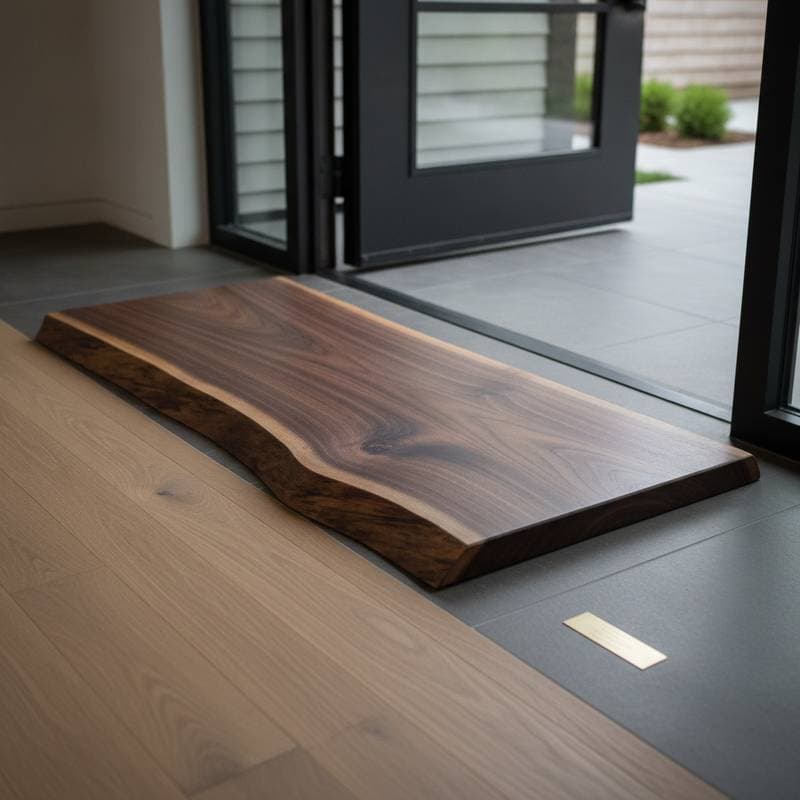
- Natural Balance: Use taupe siding, walnut doors, bronze accents, and warm stone details.
- Coastal Calm: Feature pale gray doors, off-white siding, and stainless elements for breezy lightness.
- Urban Classic: Integrate matte black doors, medium gray siding, and silver touches for metropolitan poise.
Preparation Checklist for Installation
- Capture exterior images from varied perspectives, highlighting doors and windows closely.
- Assess building style to match new components in scale and motif.
- Consult community rules or association limits on hues and substances.
- Evaluate regional weather impacts on durability, including moisture or temperature extremes.
- Establish spending limits and target key zones for noise control, such as sleeping or work areas.
Realizing a Harmonious, Silent Sanctuary
Implementing soundproof doors elevates home life through targeted noise reduction and stylistic integration. From economical tweaks to lavish customizations, options cater to diverse needs and visions. By selecting appropriate materials, adhering to maintenance routines, and avoiding installation errors, residents secure lasting tranquility. This approach not only quiets spaces but also refines their overall character, fostering environments where comfort and design converge seamlessly.