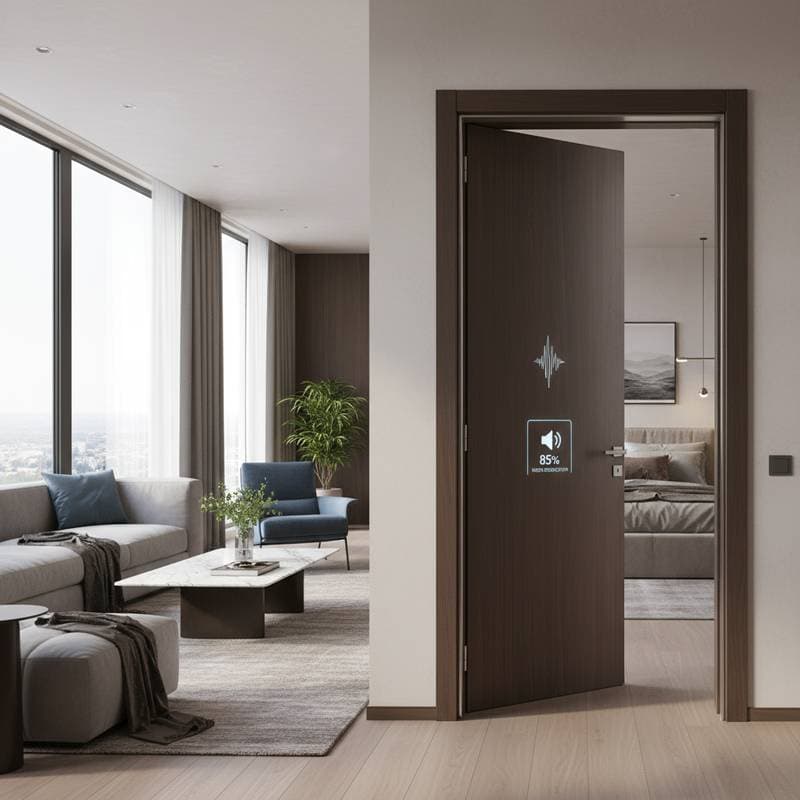
Achieving 85 Percent Noise Reduction: Acoustic Doors for Homes in 2026
Noise pollution ranks among the top complaints for homeowners. Sources range from urban traffic and construction sites to internal family activities. Standard doors permit sound to penetrate easily, disturbing tranquility. Acoustic doors address this issue through innovative core materials and sealing mechanisms, achieving up to 85 percent reduction in sound transmission. These upgrades deliver quieter, more serene living spaces for those seeking enhanced comfort.
Primary Advantage: Substantial Sound Attenuation
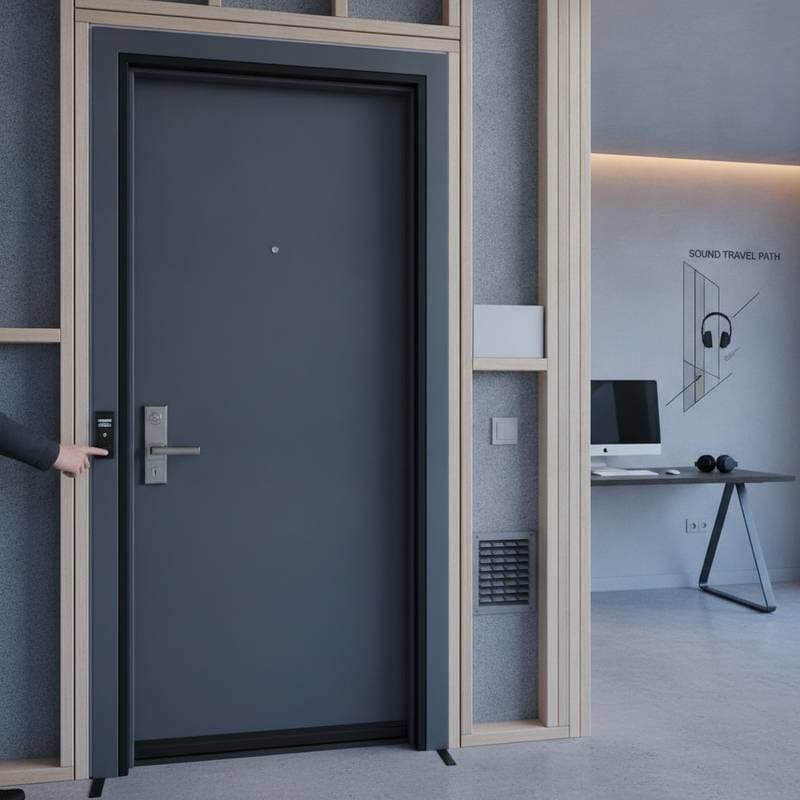
Acoustic doors incorporate multiple layers designed to absorb and block sound waves. Dense cores, constructed from composites, engineered wood, or metal reinforcements, prevent vibrations from traversing the door. This construction yields a significant decrease in decibel levels across adjacent areas.
In everyday scenarios, a properly fitted acoustic door diminishes noise by 30 to 45 decibels. External traffic, household conversations, or media playback fades to near imperceptibility upon closing the door. Such performance proves essential in home offices, bedrooms, creative studios, and entertainment areas.
Installation Costs for Acoustic Doors
Many homeowners anticipate prohibitive expenses for soundproofing solutions. In reality, costs vary based on material selection, acoustic performance level, and installation demands.
| Door Type | Average Cost (Including Installation) | Sound Transmission Class (STC) Rating | Best Use |
|---|---|---|---|
| Hollow Core (Standard Interior) | $150 to $300 | 20 to 25 | General interior use, minimal sound blocking |
| Solid Core Wood | $400 to $900 | 30 to 35 | Bedrooms, offices, basic sound control |
| Engineered Acoustic Door | $800 to $1,800 | 38 to 45 | Home theaters, shared walls, multi-level homes |
| Premium Acoustic Composite | $2,000 to $4,500 | 45 to 55 | Recording spaces, high-end residences, luxury offices |
These figures account for residential setups, encompassing hardware, seals, and surface treatments. Meaningful enhancements begin at 35 STC, with ratings exceeding 45 STC qualifying as advanced barriers.
Understanding STC Ratings
The Sound Transmission Class (STC) rating quantifies a door's capacity to mitigate airborne sound. An increment of approximately 10 points halves the perceived volume. A typical hollow-core door registers around 20 STC, allowing clear passage of speech. An acoustic door at 45 STC, however, suppresses most dialogue and broadcast audio.
| STC Range | Perceived Noise Reduction | Common Application |
|---|---|---|
| 20 to 25 | Minimal, voices easily heard | Standard interior doors |
| 30 to 35 | Noticeable, muffles normal speech | Bedrooms, offices |
| 38 to 45 | Strong, blocks conversation clearly | Studios, home theaters |
| 46 to 55 | Exceptional, near total isolation | Recording rooms, high-end builds |
Homeowners benefit from prioritizing verified STC values over vague promotional claims.
Elements Affecting Cost and Effectiveness
Multiple components shape the expense and efficacy of an acoustic door installation.
Core Material
The core serves as the primary sound barrier. Solid wood or engineered composites outperform hollow or lightly filled alternatives. Greater density correlates with superior STC ratings, though it increases the door's mass.
Perimeter Seals
Specialized gaskets ensure a tight closure, blocking sound paths around edges and floors. These elements contribute up to 30 percent of the total soundproofing capacity.
Frame and Installation Precision
Superior doors underperform if gaps exist during fitting. Expert alignment and sealing preserve intended acoustic properties.
Adjacent Structure
Door performance aligns with wall and ceiling integrity. Thin partitions may necessitate complementary treatments for optimal results.
Aesthetic and Finish Choices
Options include wood veneers, painted surfaces, laminates, or custom designs. These selections impact pricing without altering acoustic function, while integrating seamlessly with decor.
Professional Perspective: Installation's Critical Role
Jeff Morales, a certified residential contractor in Portland, states, "I have replaced numerous doors where homeowners selected high-rated acoustic models yet experienced suboptimal results due to inadequate installation. A minor air gap can halve the noise reduction."
This observation highlights the value of professional services. Qualified installers achieve even seal compression, precise hinge alignment, and threshold adjustments for maximum contact.
Comparing DIY and Professional Approaches
Certain homeowners opt for self-installation, particularly for straightforward interior replacements. Prehung units require basic tools, but advanced models demand exact measurements and potential frame modifications.
| Installation Type | Typical Cost | Recommended Skill Level | Pros | Cons |
|---|---|---|---|---|
| DIY (Prehung Standard) | $0 to $200 (tools and supplies) | Intermediate | Saves labor cost, flexible schedule | Risk of gaps or misalignment |
| Professional Installation | $200 to $600 | N/A | Perfect fit, sealed performance, warranty coverage | Higher upfront cost |
For acoustically demanding areas, professional expertise ensures reliability.
Optimal Locations for Acoustic Doors
Acoustic doors enhance various home zones, with pronounced benefits in specific settings.
Home Offices
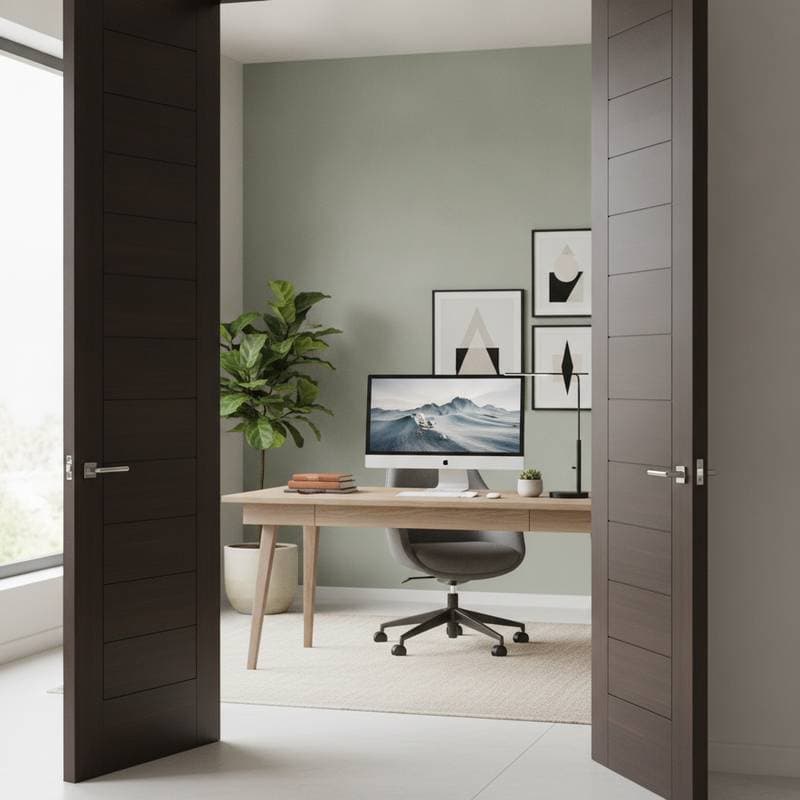
Remote work demands concentration amid potential interruptions. These doors isolate professional spaces from domestic or external sounds.
Bedrooms
Varied sleep schedules in households benefit from reduced intrusions, promoting better rest.
Media Rooms and Studios
High-isolation doors, rated 45 STC or above, contain audio and minimize external interference.
Multi-Unit Residences
In apartments or townhomes, they limit noise exchange between units or corridors.
Core Material Evaluations
| Material Type | Typical STC Range | Durability | Maintenance Needs | Best Use |
|---|---|---|---|---|
| Solid Wood | 30 to 40 | High | Periodic refinishing | Traditional interiors |
| Composite Core | 38 to 50 | Very high | Low | Modern homes, studios |
| Metal Composite | 45 to 55 | Exceptional | Minimal | High-end or commercial spaces |
| Acoustic Glass (Laminated) | 35 to 45 | Moderate | Regular cleaning | Offices and design-forward homes |
Composite cores, combining MDF, gypsum, and polymers, offer an ideal equilibrium of performance and practicality for residences.
Durability and Upkeep
Quality acoustic doors endure 20 to 30 years with routine care, comparable to solid-core counterparts. Focus on seals and hardware to sustain performance.
- Examine seals biannually for wear or deformation.
- Secure hinge screws to avoid settling.
- Refrain from applying paint to gaskets or thresholds.
- Clean seals using mild soap and water to preserve pliability.
Prompt gasket replacement prevents performance decline from minor damage.
Pitfalls to Sidestep
-
Neglecting Frame Insulation
Sound evades doors via unsealed frames. Select matching jambs and seals for comprehensive protection. -
Mismatched Performance Levels
A 55 STC door paired with 30 STC walls yields inefficiency. Aim for system-wide balance. -
Door Undercut Oversights
Floor gaps permit leakage. Employ drop seals or full thresholds to eliminate this vulnerability. -
Bypassing Expert Consultation
Pre-purchase advice from specialists or contractors averts errors and tailors solutions to specific needs.
Supplementary Advantages
Beyond acoustics, these doors provide multifaceted improvements.
Dense construction and seals enhance thermal retention, reducing energy loss. Privacy increases as conversations remain contained. In competitive markets, such features elevate property appeal, particularly in dense urban environments. Many models also satisfy fire codes and offer insulation benefits.
Indicators for Upgrading
Consider acoustic doors if closed doors transmit clear speech or music, doors vibrate from passing vehicles, remote work faces distractions, shared walls amplify neighbor noise, or dedicated spaces require isolation. Targeting high-impact doors yields swift comfort gains.
Steps to Implement Acoustic Upgrades
Begin by pinpointing noise-prone rooms and determining suitable STC levels. Engage a qualified installer to assess compatibility and execute the project. This methodical approach transforms disruptive sounds into a backdrop of calm, elevating everyday home life.