Soundproof Doors: Achieving 85 Percent Noise Reduction for Home Offices in 2026
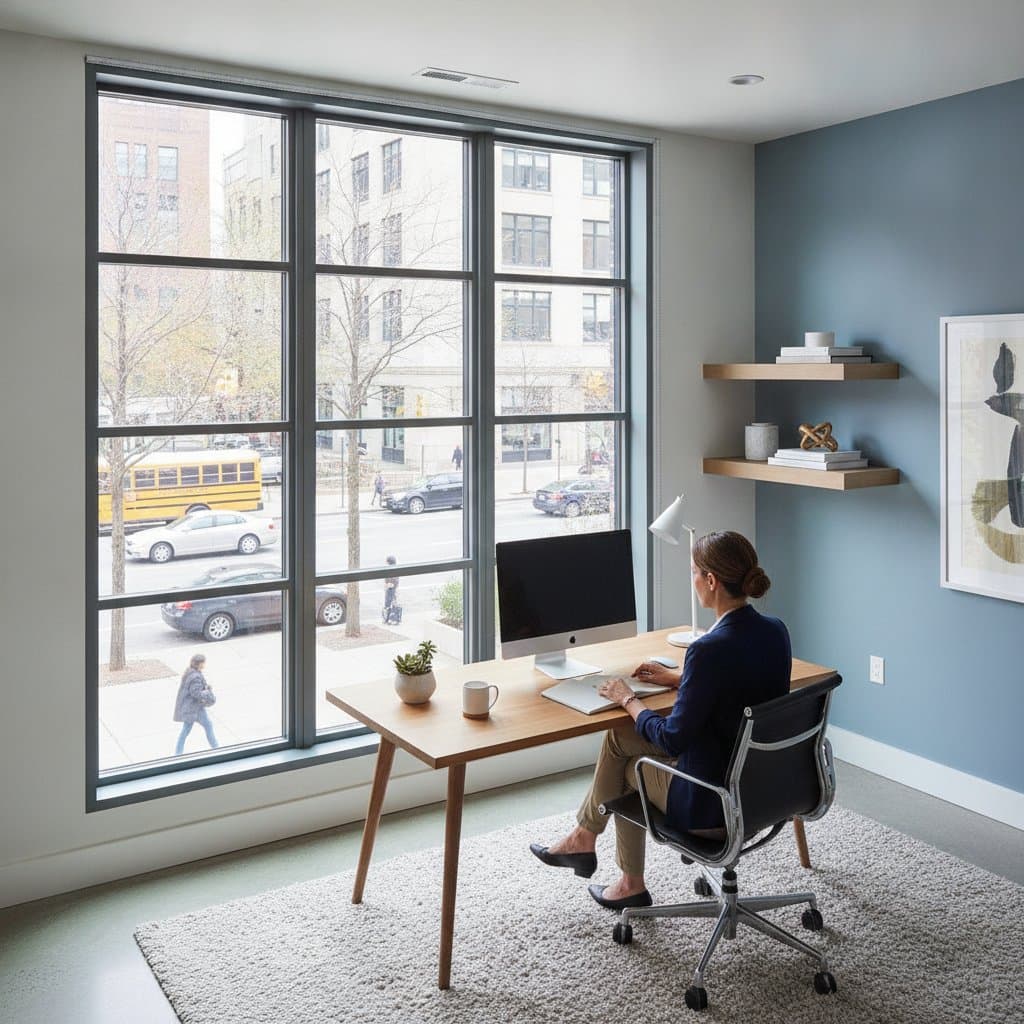
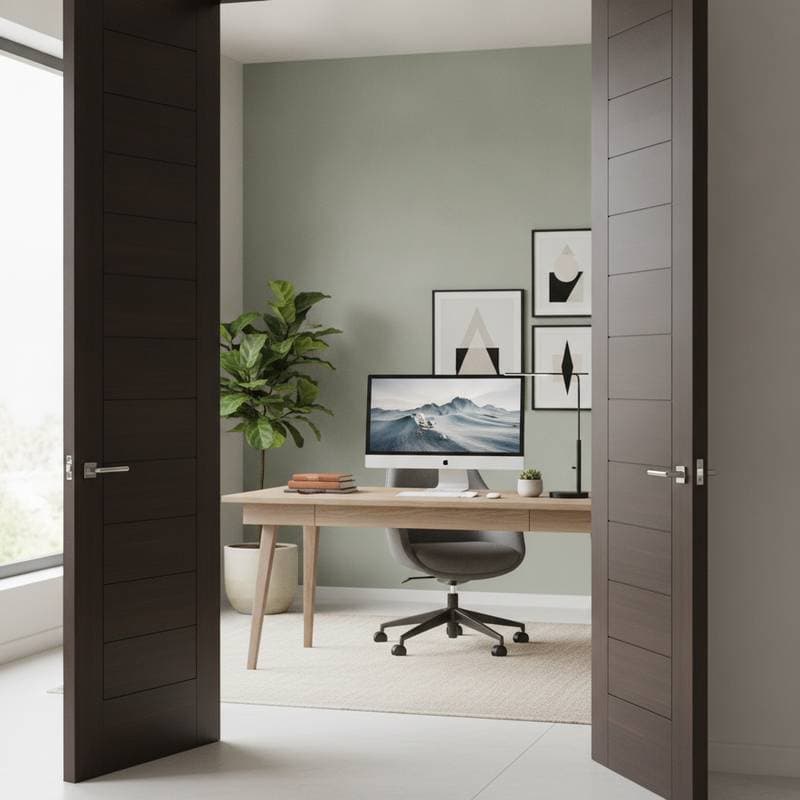
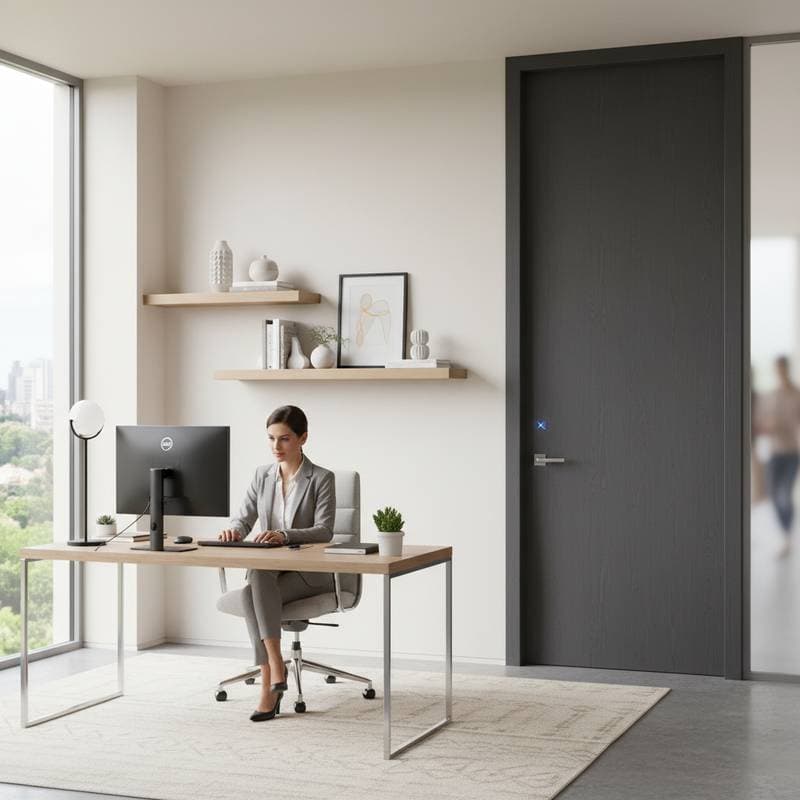
Modern home offices serve as multifunctional spaces that require both comfort and concentration. With remote work on the rise, acoustic control emerges as a key design element. Soundproof doors provide an effective solution for creating quiet, private, and professional environments. These doors integrate advanced performance with aesthetic appeal, enabling homeowners to preserve their interior style while securing the tranquility essential for productivity.
Budget Levels for Soundproof Door Upgrades
Homeowners can select soundproof doors based on budget and desired performance. Each level offers specific features that balance cost, noise reduction, and visual integration. The following options guide selections from basic improvements to premium installations.
Basic Upgrade (350 to 700 Dollars)
- Select a solid-core wood composite or medium-density fiberboard door enhanced with dense fillers to minimize noise transmission.
- Replace existing hollow-core doors, which allow sound to pass freely, with heavier alternatives that fit standard frames.
- Apply weatherstripping along the frame edges and add a bottom door sweep to achieve significant sound reduction without a full replacement.
- Invest in durable hinges and a secure latch to ensure tight closure, as minor gaps can undermine acoustic effectiveness.
Mid-Level Upgrade (750 to 1,500 Dollars)
- Choose engineered wood doors equipped with acoustic seals or laminated cores designed for sound dampening.
- Look for doors with sound transmission class ratings of 30 to 35, which deliver quantifiable noise improvement in residential settings.
- Pair the door with soft-close hardware and enhanced thresholds that create a reliable seal upon closing.
- Align finishes with surrounding interior features, such as baseboards or door casings, to promote room harmony.
Premium Upgrade (1,600 to 3,000 Dollars)
- Select high-performance acoustic wood or composite doors achieving sound transmission class ratings of 40 or above.
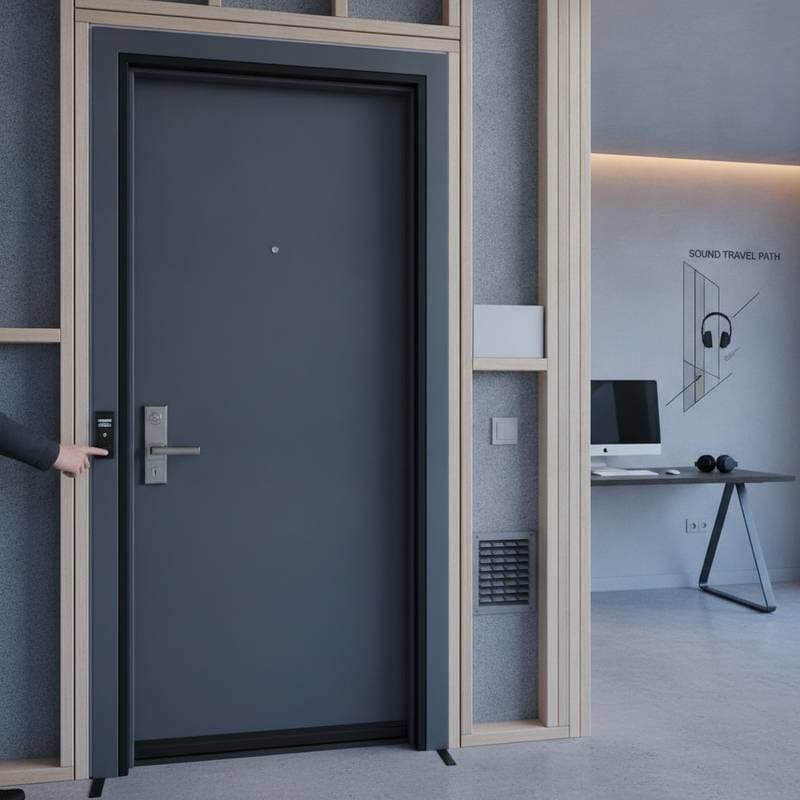
- Incorporate multi-layer designs featuring metal or polymer cores, integrated acoustic seals, and automatic drop seals at the base.
- Customize with veneer or stain options that match existing millwork, ensuring both superior sound isolation and professional aesthetics.
- For designs with glass elements, integrate laminated acoustic glass panels and hidden seals to block up to 85 percent of noise while maintaining a modern appearance.
Guide to Materials and Finishes
Selecting appropriate materials and finishes ensures that soundproof doors enhance both function and style. Focus on components that prioritize acoustic properties alongside durability and visual compatibility.
-
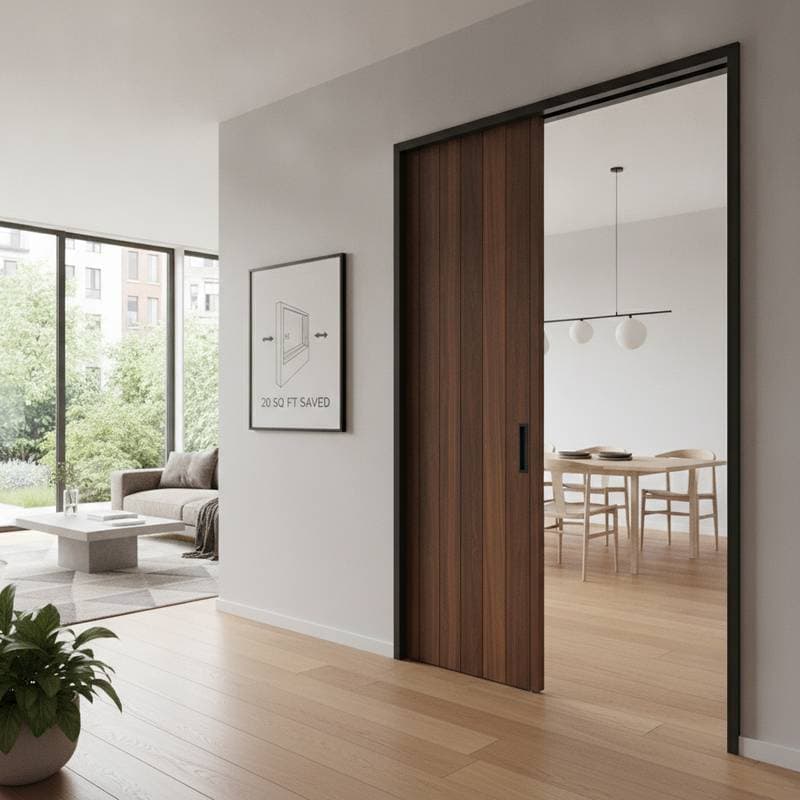
Door Cores: Solid wood, medium-density fiberboard, or composite constructions with integrated acoustic layers provide robust sound control and a warm visual presence. Finishes such as walnut, white oak, or charcoal gray offer versatility for various interiors. Opt for concealed hinges and minimalist handles in brushed nickel or matte black to achieve a streamlined look.
-
Seals and Hardware: Acoustic rubber gaskets fitted around the jambs prevent sound leakage; these can match surrounding colors or remain concealed for a polished finish. High-quality metal hardware maintains compression over time, supporting long-term performance.
-
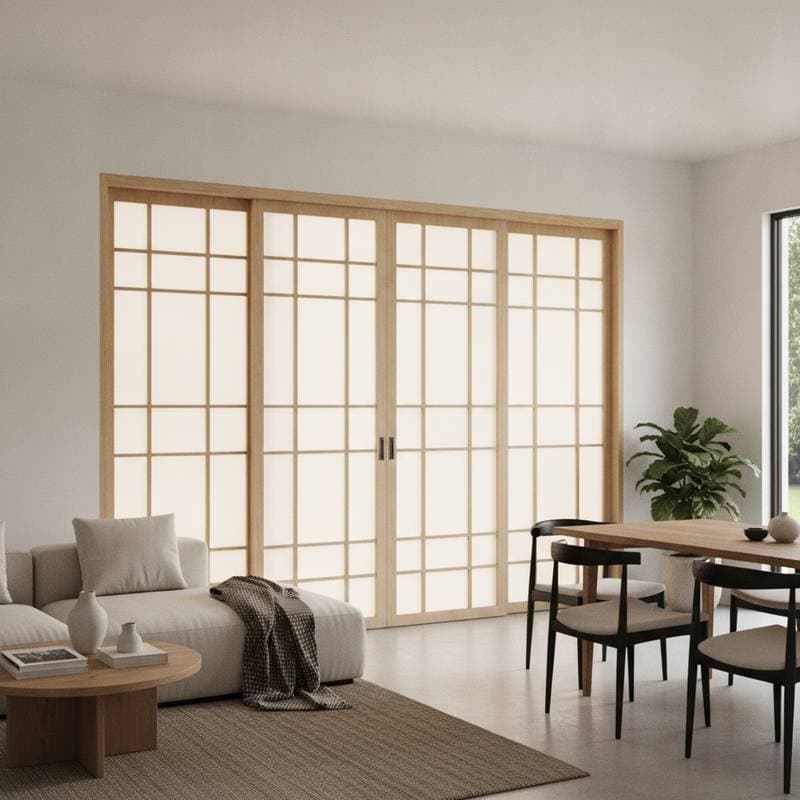
Glass Options: If incorporating windows or glass panels, choose double- or triple-pane units with low-transmission glass to preserve quiet while admitting natural light. Frames in matte black or warm bronze complement modern and transitional designs.
For detached office structures, consider fiber cement or engineered wood siding to bolster exterior acoustic insulation. Lighter exterior shades, such as coastal white or stone gray, reflect heat and maintain brightness.
Essential Maintenance Practices
Soundproof doors demand little maintenance beyond routine care. Dust wood surfaces regularly and apply oil to hinges periodically to preserve smooth operation. Inspect acoustic seals each year for signs of wear or separation to sustain effectiveness.
Glass panels require cleaning with non-abrasive solutions to avoid damaging laminated coatings. Composite doors withstand humidity well and resist warping, making them suitable for variable climates. Natural wood varieties benefit from stable humidity levels to prevent expansion or contraction. Overall, these doors deliver enduring benefits, including fewer distractions and improved energy efficiency through superior seals.
Common Pitfalls to Avoid
Proper installation and selection prevent common issues that compromise soundproofing. Address these areas to maximize door performance.
-
Neglecting Frame Alignment: A superior door loses efficacy if the frame fits poorly. Verify precise measurements and apply acoustic caulk to seal perimeter gaps.
-
Overlooking the Bottom Gap: Sound often escapes under the door. Equip installations with adjustable bottom seals for consistent coverage.
-
Selecting Hollow-Core Options: Inexpensive hollow doors offer minimal noise reduction despite attractive appearances. Confirm solid or laminated cores prior to purchase.
-
Using Inferior Hardware: Low-quality hinges and latches loosen with use, creating sound pathways. Prioritize solid metal components for reliable compression.
-
Disregarding Finish Harmony: A functional door diminishes in appeal if its finish clashes with adjacent elements. Test samples under natural lighting for accurate matches.
Coordinating Colors and Styles
Finishes should harmonize with the home office's overall aesthetic while supporting acoustic goals. Thoughtful palettes enhance the workspace's functionality and personal touch.
Suggested Palettes:
- Warm Modern: Pair a walnut door with bronze hardware against ivory walls for inviting depth.
- Crisp Minimalist: Use a matte white door, stainless steel hardware, and cool gray trim for clean simplicity.
- Urban Industrial: Combine a charcoal door, black hardware, and natural wood trim for robust character.
- Soft Transitional: Feature a light oak door, brushed nickel hardware, and taupe walls for gentle flow.
- Creative Contrast: Select a deep navy door, gold hardware, and white trim to add striking visual interest.
Darker doors ground brighter rooms, while lighter tones foster an open, serene vibe. This balance elevates the environment for sustained focus.
Pre-Installation Documentation Checklist
Capture detailed records of the current setup to inform recommendations from professionals. This preparation streamlines the upgrade process.
- Photograph the existing office door and frame from various angles to assess fit and condition.
- Document adjacent wall finishes, baseboards, and flooring for seamless color integration.
- Record lighting sources and reflections, especially for planning glass elements.
- Include exterior views if the office adjoins outdoor areas, noting potential sound sources.
- Note positions of windows, vents, or heating systems that could influence acoustics.
Additionally, review any homeowners association guidelines on styles or colors to ensure compliance.
Integrating Soundproof Doors for Optimal Home Office Performance
Soundproof doors transform home offices into dedicated havens for work and reflection. They merge acoustic excellence with design versatility, delivering up to 85 percent noise reduction alongside enhanced interior appeal. From straightforward core replacements to advanced systems, these doors foster privacy and efficiency. Through deliberate choices in materials, finishes, and setup, homeowners secure a productive space that endures.