Electrochromic Door Glass Dims on Voice Command
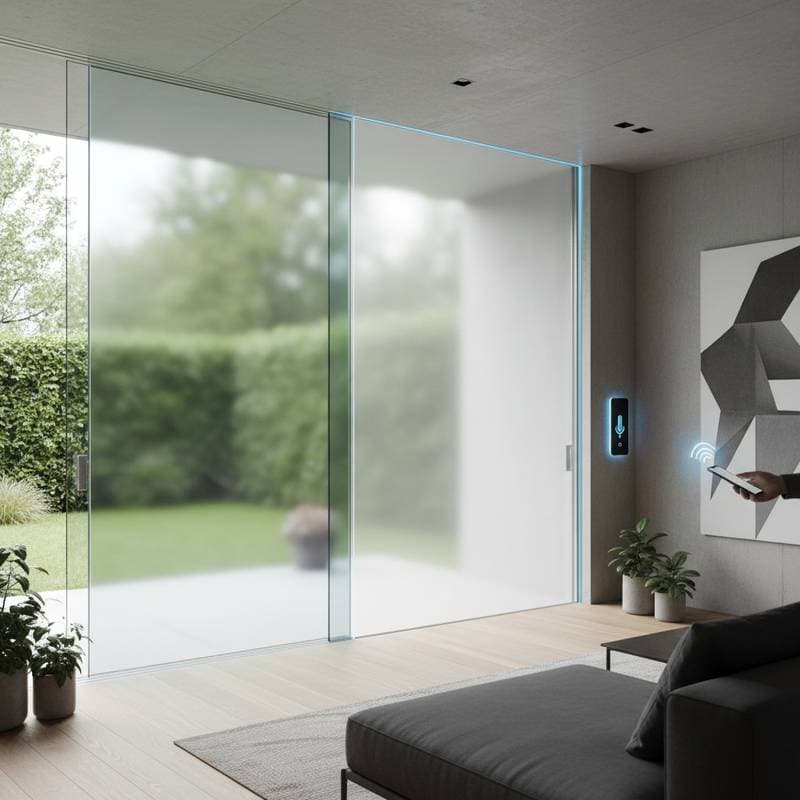
Smart technology has evolved from novelty to essential element in home design. This shift reshapes how homeowners manage comfort, privacy, and efficiency. Among the standout innovations stands electrochromic glass that adjusts opacity through voice commands. This material combines sophisticated aesthetics with functional control, enabling seamless privacy and light regulation via simple spoken instructions. For both exterior and interior doors, the technology redefines glass as an integral component of architectural expression.
The core strength of electrochromic door glass resides in its versatility. It delivers the openness of clear transparency when light floods the space, then transitions to a frosted or tinted mode for seclusion, reduced glare, or optimized energy use. This dual functionality aligns with contemporary design principles that emphasize adaptability, streamlined profiles, and reduced visible hardware. Consequently, the door achieves an elegant appearance while operating with intelligence.
Three Ways to Achieve This Design
Budget-Friendly Option ($1,000 - $2,500)
- Install partial electrochromic inserts into existing door frames instead of replacing entire panels. These inserts permit targeted dimming in specific areas for customized control.
- Integrate voice functionality via an existing smart home hub to avoid purchasing additional hardware.
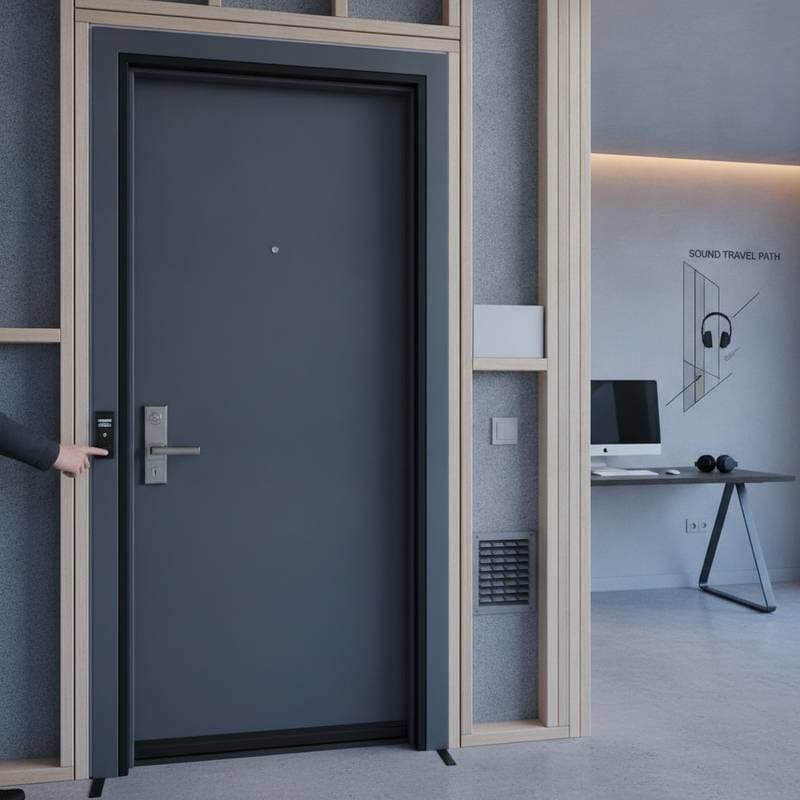
- Prioritize durable seals and robust door construction to enhance soundproofing and weatherproofing, as the glass update refreshes the overall look.
Mid-Range Option ($2,500 - $5,000)
- Opt for pre-manufactured doors featuring complete electrochromic glass panels set in composite or fiberglass frames.
- Incorporate tinted variants that provide privacy alongside solar heat rejection for improved energy savings.
- Equip with a specialized voice interface that links directly to the glass controls, ensuring faster responses and expanded personalization options.
Premium Option ($5,000 - $10,000)
- Order bespoke doors equipped with multi-zone dimming and embedded sensors that modulate opacity based on ambient light or room occupancy.
- Specify double- or triple-pane electrochromic glass to maximize thermal insulation and noise reduction.
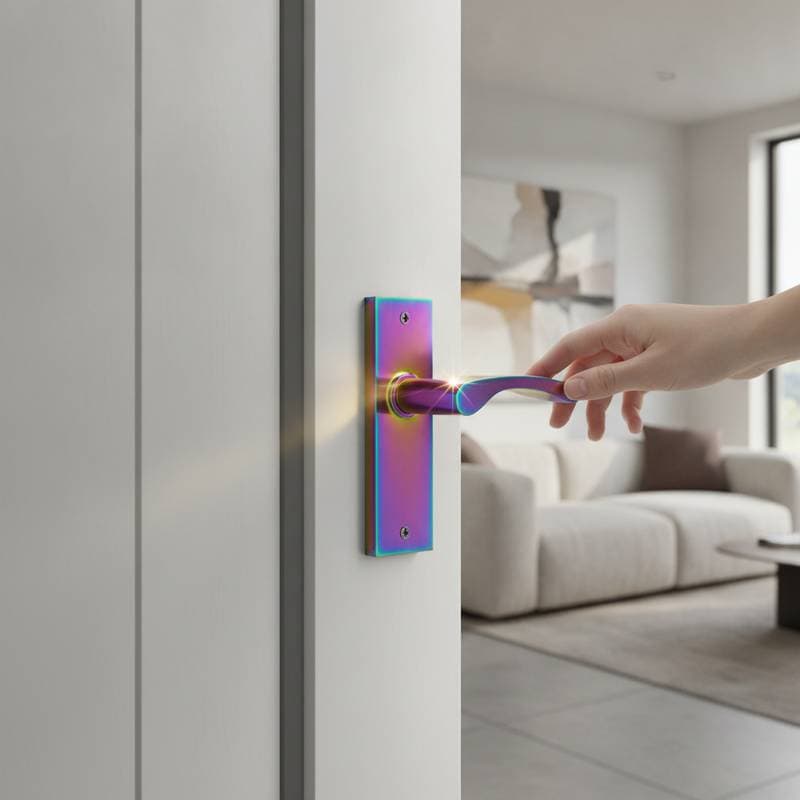
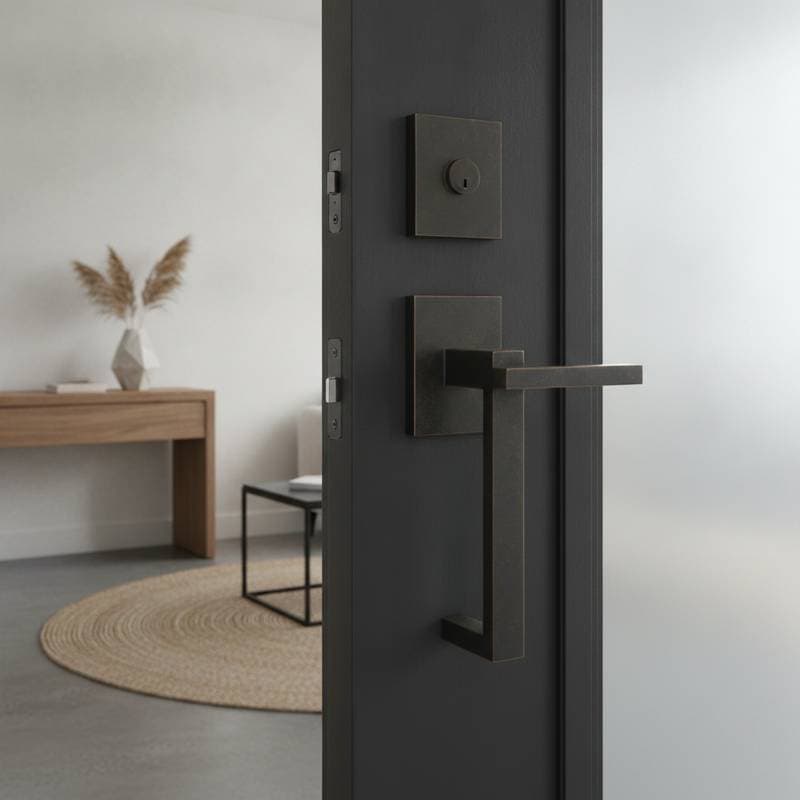
- Integrate matching smart locks, handles, and lighting that synchronize with voice directives for a fluid entry sequence.
Material and Finish Selection Guide
- Windows: Align the transparency and tint levels with the door glass. Select slim frames in finishes such as black, bronze, or subtle metallics. Aluminum-clad wood or composite options deliver durability with low upkeep demands.
- Doors: Fiberglass and composite bases withstand thermal fluctuations and accommodate embedded wiring for smart features. Wood veneers or stainable surfaces preserve classic appeal while hiding technological elements.
- Siding: Complement the smooth electrochromic surface with horizontal lap siding in subdued shades like graphite, driftwood, or bone white. In modern settings, opt for sleek fiber cement or engineered wood panels to underscore the glass's geometric precision.
- Trim and Accents: Employ slender trim profiles around the door to spotlight the glass. Satin nickel or matte black hardware fosters visual unity. Linear or cylindrical exterior lighting reinforces the modern vibe.
Maintenance Essentials
Electrochromic glass demands less routine care than drapes or shades, yet slightly more than ordinary glass. Use microfiber cloths with gentle soap for cleaning to safeguard the conductive layers. Steer clear of ammonia products, as they erode the electrochromic coating gradually. Properly installed systems resist moisture and temperature variations effectively.
For wired door setups, examine gaskets and seals yearly to verify secure, waterproof connections. Voice systems require infrequent software refreshes post-setup. Replace batteries in wireless components every few years as needed. Overall, maintenance proves straightforward, and the glass's durability justifies the initial expense compared to mechanical alternatives.
Common Pitfalls to Avoid
- Neglecting Electrical Planning: The glass operates on low-voltage power. Overlook wiring during setup, and retrofits become expensive. Consult an electrician from the outset.
- Clashing Aesthetics: Pairing advanced glass with dated trim or siding disrupts harmony. Maintain surrounding elements in sleek, current styles.
- Disregarding Thermal Dynamics: Tinted modes block glare yet retain heat. Choose climate-appropriate glazing to preserve energy equilibrium.
- Forgoing Warranties: Select offerings with extended coverage for glass and electronics alike.
Harmonizing Colors and Styles
Electrochromic glass integrates seamlessly across architectural motifs when matched with deliberate color schemes. It tempers the starkness of industrial metals or injects contemporary flair into rustic facades. Success hinges on equilibrating tech with tactile qualities.
Recommended Color Palette
- Charcoal Black: Suited for frames, trim, and fixtures; it sharpens the glass's edges.
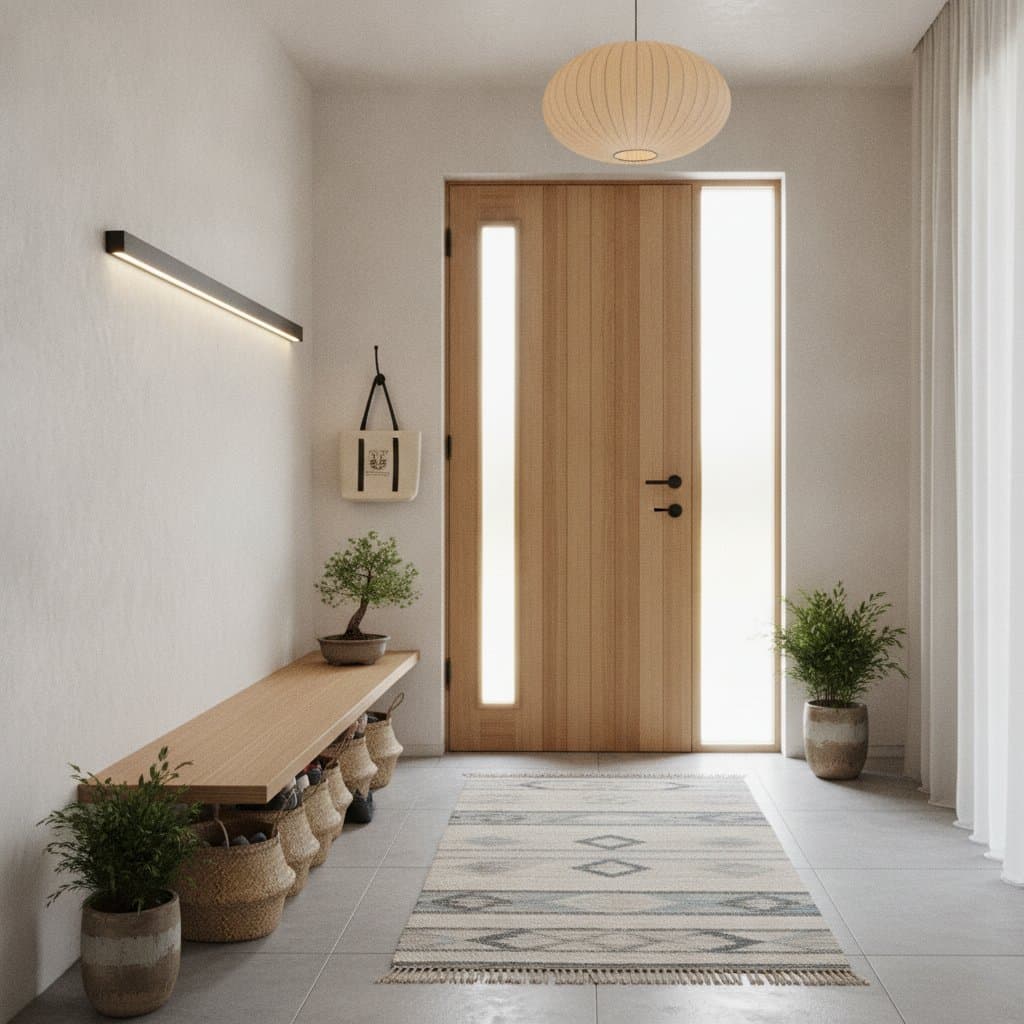
- Weathered Oak: Introduces natural texture to panels or adjacent siding.
- Soft Gray Mist: Serves as a versatile base for walls, amplifying the glass's tonal shifts.
- Arctic White: Illuminates entry areas and extends perceived space.
- Matte Graphite: Enhances lighting and metallic details for a unified modern tone.
Monochromatic neutrals with subtle variations direct attention to the glass's transformative nature. Traditional homes benefit from wood stains paired with muted metals to fuse progress with legacy.
Optimizing Privacy and Illumination
Electrochromic door glass excels in its instant adaptability. It modulates from fully transparent for daylight immersion to opaque for secluded evenings. In open-plan residences or expansive entries, this feature curbs excessive light while preserving illumination. The state change occurs in mere seconds, providing a dynamic control absent in static materials.
Voice activation delivers hands-free ease. A brief utterance can obscure the glass for private gatherings or restore clarity for dawn views. Linked to automation, it reacts to timers or sensors monitoring heat and brightness.
Visually, the design shines unencumbered by shades or films, upholding sharp lines and panoramic sightlines. This supports minimalist ethos and facilitates fluid indoor-outdoor connections.
Energy Efficiency and Operational Benefits
Electrochromic glass extends value through superior energy management. It regulates solar intake and heat, diminishing needs for air conditioning and electric lights. In warm locales, midday dimming cools interiors and shields interiors from UV damage. Colder areas gain from clear modes that harness passive solar heating.
Manufacturer specifications typically surpass residential energy standards. Paired with insulated frames and tight seals, the door assembly achieves robust thermal performance. This synergy of automation and efficiency positions electrochromic doors as wise, dual-purpose investments.
For eco-conscious renovations or certification pursuits, the technology yields quantifiable gains. It illustrates sustainable design that elevates form alongside function.
Budgeting and Implementation Strategies
Prospective buyers should define objectives upfront, whether prioritizing seclusion, efficiency, or aesthetics. These priorities guide product selection and fiscal allocation.
- Electrical Infrastructure: Route low-voltage lines discreetly through frames or walls.
- Automation Compatibility: Verify alignment with current voice systems or platforms.
- Expert Fitting: Engage specialists skilled in wiring and glass alignment.
- Timeline Coordination: Align installation with exterior refreshes for uniform results.
Test the concept on a single entry door before broader application to patios or dividers.
Pre-Planning Photography Guide
Document existing conditions thoroughly to inform choices. Detailed images and observations aid in scaling and stylistic cohesion.
- Photograph full exterior views under natural light.
- Detail trim, siding textures, and hardware close-ups.
- Highlight fixed elements like columns or window patterns.
- Consider local aesthetics or regulatory limits on glass reflectivity.
- Outline key goals, from efficiency to stylistic enhancement.
Such records streamline supplier and contractor dialogues, averting installation issues.
Tailoring for Everyday Enhancement
Electrochromic door glass transcends mere upgrades; it fosters responsive living spaces attuned to individual needs.
This flexibility elevates routine experiences, rendering light, seclusion, and aesthetics adjustable on demand.
Integrated with siding, trim, and fixtures, the ensemble projects coherence and purpose. The door emerges as a focal point that actively supports well-being.