Why Acoustic Doors Lead the 2026 Home Office Essentials
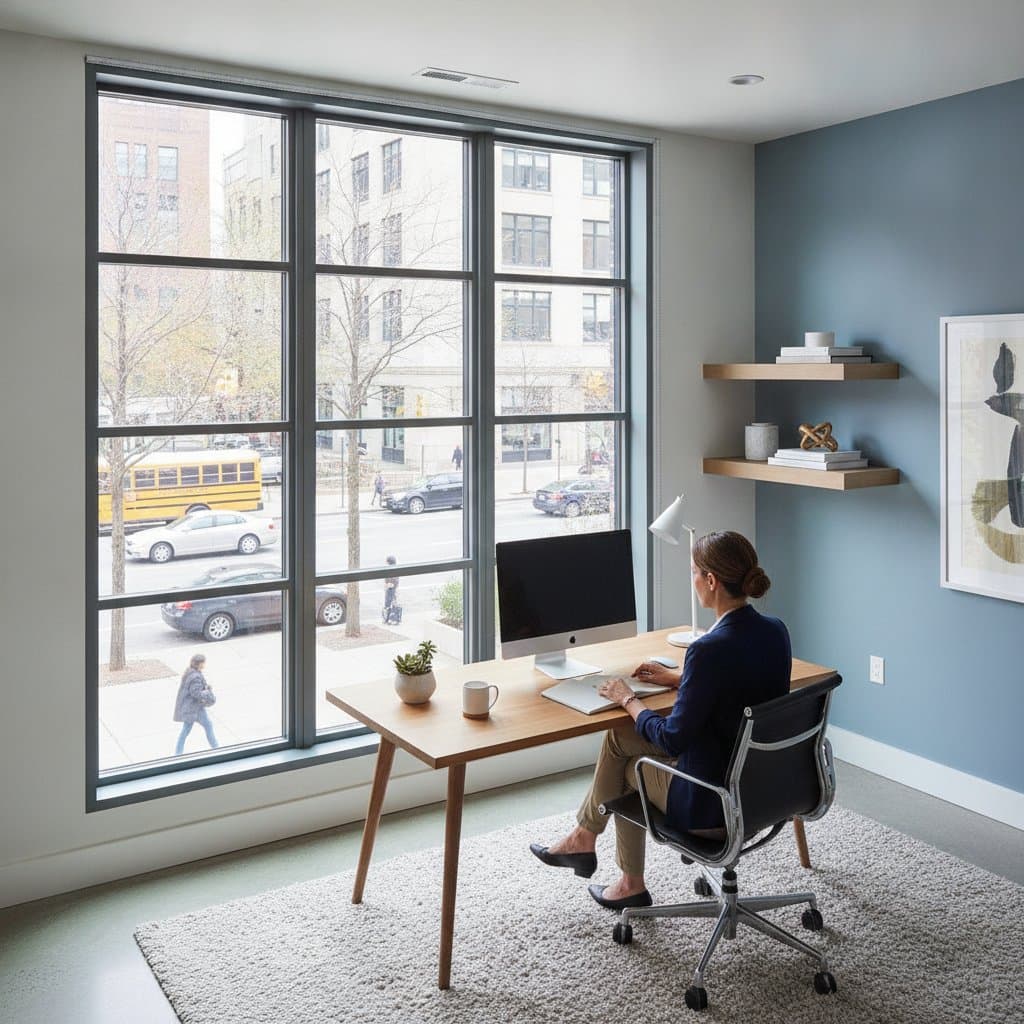
Remote work arrangements persist for millions, prompting homeowners to optimize their living spaces for enhanced productivity and tranquility. Among the most effective upgrades, acoustic doors stand out by minimizing external noise and safeguarding privacy. For those preparing a 2026 home office transformation, these doors represent a strategic choice that delivers lasting benefits.
The initial investment for an acoustic door ranges from $700 to $2,500, influenced by factors such as material selection, dimensions, and acoustic performance level. Although this exceeds the price of conventional interior doors, the improvements in daily focus, overall comfort, and property enhancement justify the expense.
Understanding Costs for Acoustic Doors
The primary determinants of expense involve material composition and build quality. Below is a breakdown of typical pricing for common acoustic door varieties, incorporating installation estimates.
| Material/Service | Cost Range | Key Features |
|---|---|---|
| Solid Wood | $900 to $2,000 | Natural aesthetic appeal, high density for sound absorption, options for custom finishes |
| Solid Core Composite | $700 to $1,500 | Budget-friendly option, consistent sound dampening, easy-to-maintain surface |
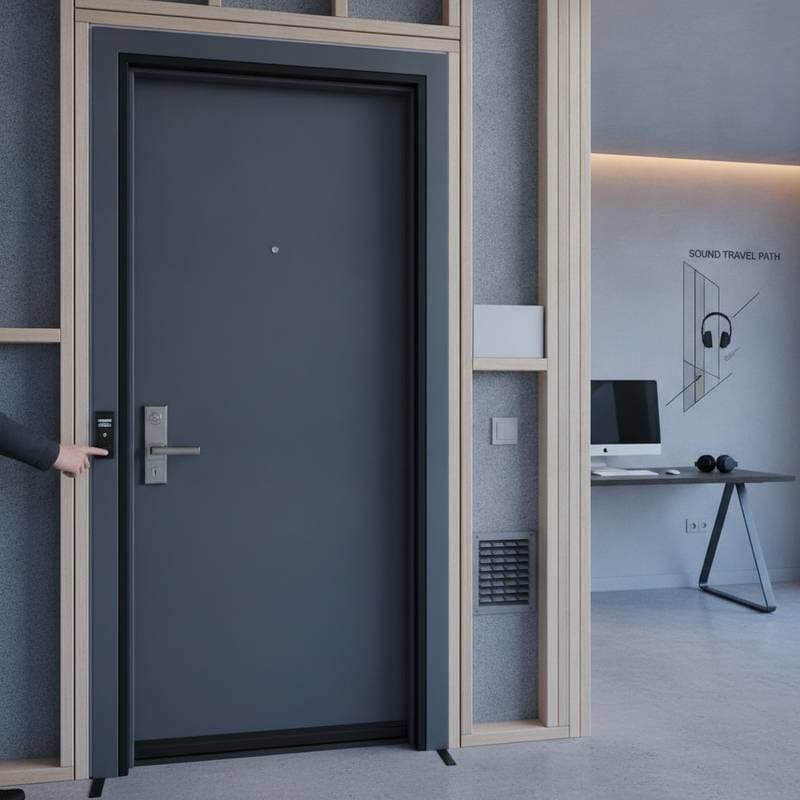
| Acoustic Steel | $1,200 to $2,500 | Exceptional strength, elevated Sound Transmission Class (STC) ratings, suitable for robust applications |
| Acoustic Glass | $1,000 to $2,200 | Elegant design that permits natural light, features specialized laminated glass for noise reduction |
Installation labor generally contributes $200 to $500, varying with the door's weight and any required adjustments to the frame. In cases where the current frame shows irregularities or misalignment, supplementary carpentry work may increase the total.
Key Elements Affecting Acoustic Door Expenses
Home configurations vary widely, which means individual project costs fluctuate based on specific circumstances. Consider how these aspects shape the overall budget:
- Door Dimensions: Larger or bespoke sizes demand more materials and extended labor time.
- Frame and Perimeter Sealing: Effective acoustic performance hinges on airtight seals; substandard framing compromises efficacy and may necessitate repairs.
- Hardware Specifications: Acoustic-rated components, including hinges, thresholds, and seals, command premium prices yet ensure optimal functionality.
- Surface Treatments and Aesthetics: Applications like wood veneers, custom paints, or ornamental panels elevate the final cost.
- Site-Specific Challenges: Swapping an existing door proves more economical than creating a new opening in a wall.
Experienced installers perform detailed on-site assessments to guarantee a precise fit, essential for upholding the door's sound-blocking capabilities.
Evaluating STC Ratings and Performance
Sound Transmission Class (STC) ratings measure a door's noise reduction effectiveness, with higher numbers indicating better isolation. Standard interior doors typically achieve STC 20 to 25, while acoustic models range from STC 35 to 50 or more. Select a rating aligned with your needs; for instance, STC 40 suffices for blocking household chatter, but STC 50 proves ideal near high-traffic areas.
Weighing DIY Installation Against Professional Services
Certain homeowners explore self-installation for acoustic doors to cut costs, yet exactitude remains paramount to realize the specified soundproofing. A minor misalignment or unsealed edge can diminish results significantly. Professionals bring expertise in achieving flawless alignment, comprehensive sealing, and correct hardware integration.
Moreover, certified installers confirm adherence to regional building regulations, particularly in apartments or condos where fire safety or accessibility requirements apply. For the majority of projects, engaging a specialist minimizes risks and maximizes door performance.
Steps for Successful Professional Installation
- Schedule a consultation for precise measurements and material recommendations.
- Review STC needs based on your home's noise sources.
- Coordinate with the installer on frame preparation and seal integration.
- Test the door post-installation to verify sound isolation.
Integrating Acoustic Doors for a Functional and Appealing Home Office
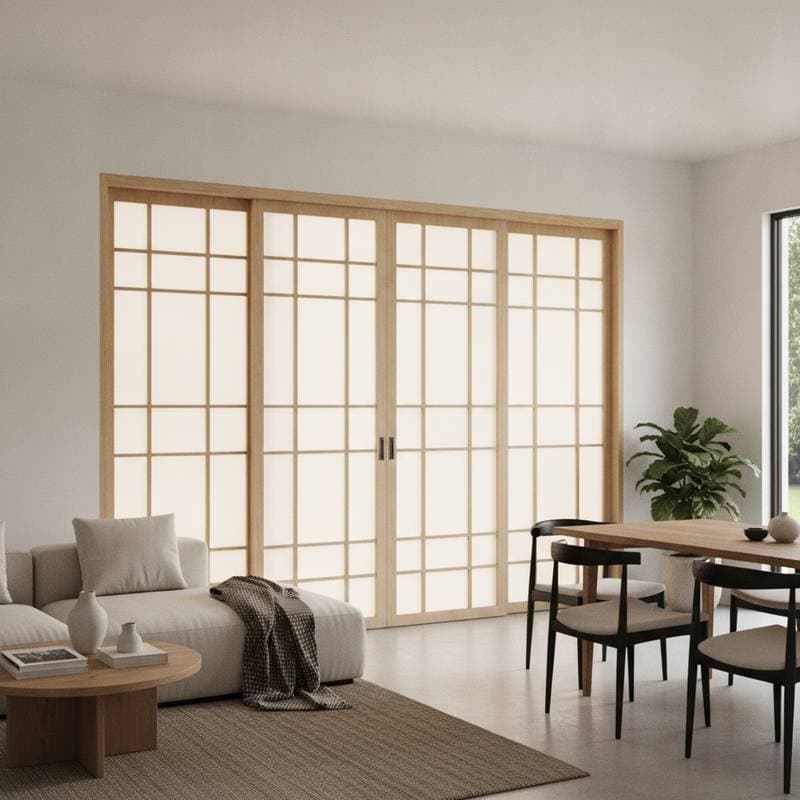
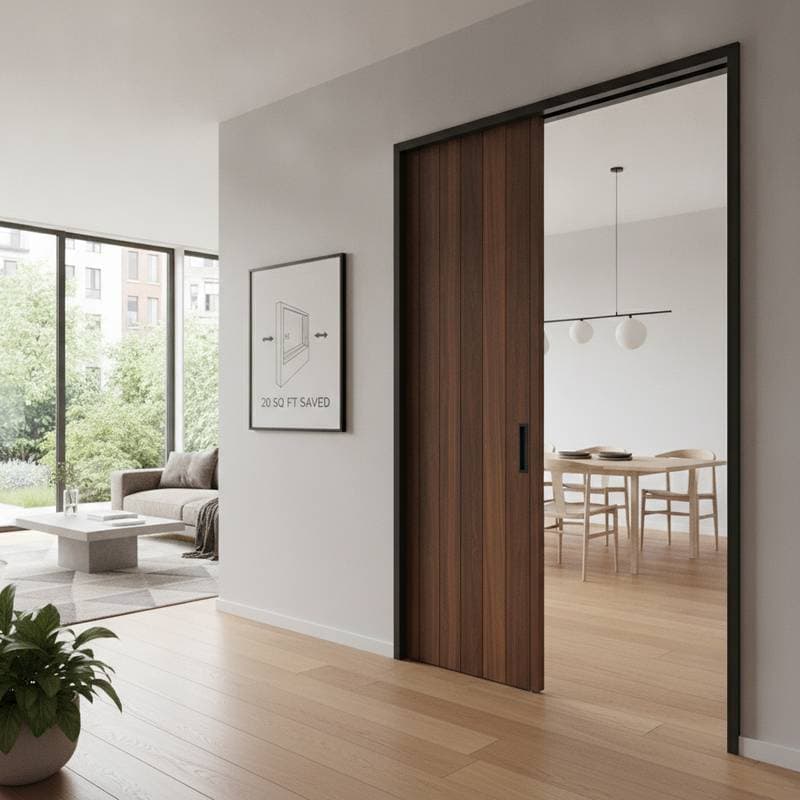
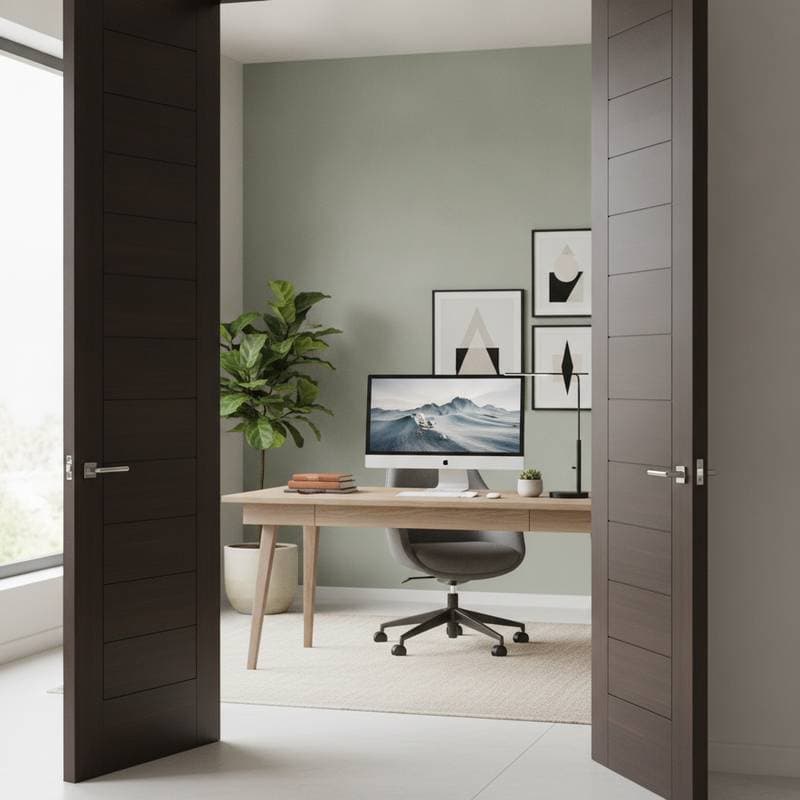
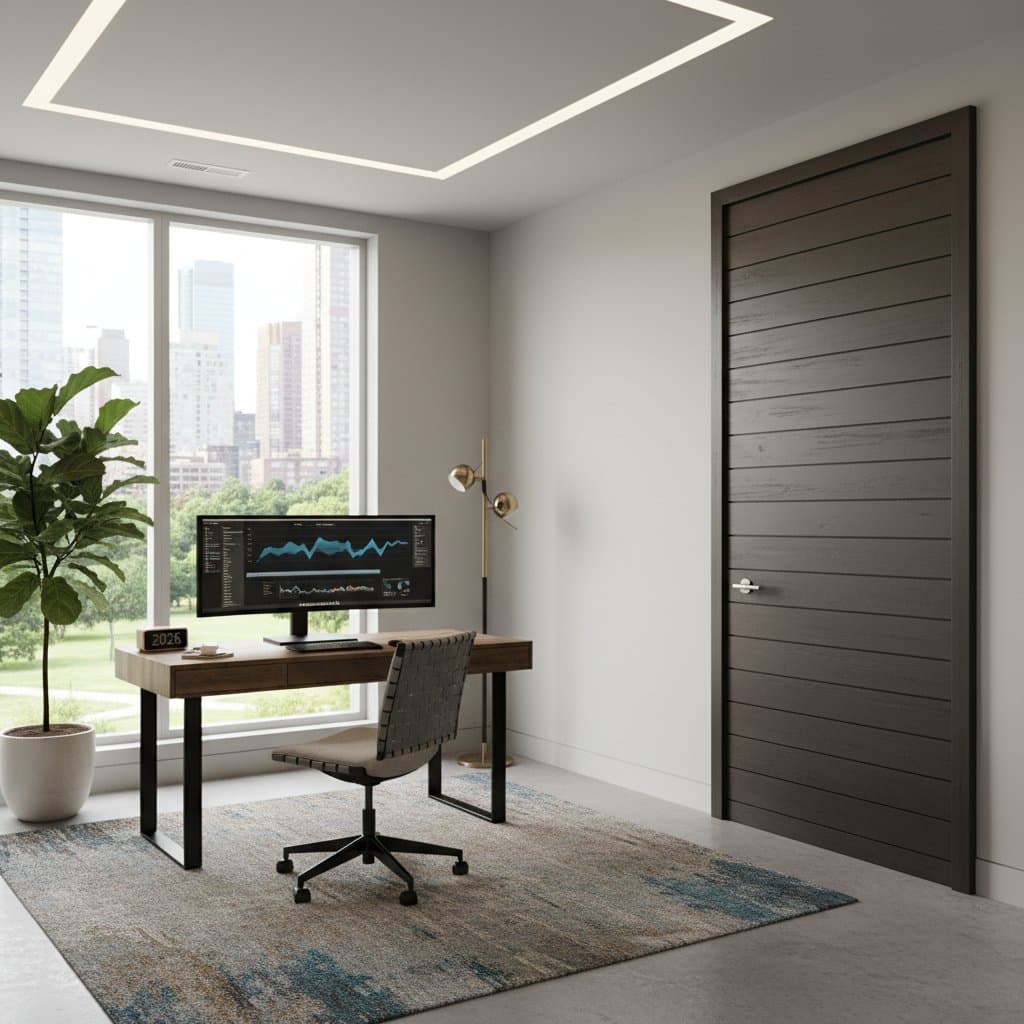
These doors merge practical noise control with versatile styling options, available in diverse veneers, hues, and configurations to harmonize with any decor scheme.
By incorporating an acoustic door, individuals elevate their home office to a serene, efficient haven that supports sustained productivity and well-being. This upgrade suits transformations of unused rooms or refinements to current setups, providing a reliable method to foster calm amid domestic activity.
Realizing Long-Term Value from Your Investment
Beyond immediate noise reduction, acoustic doors contribute to property appreciation by signaling thoughtful design choices. They facilitate better work-life boundaries, reducing stress from interruptions and enhancing overall home usability. Homeowners report noticeable gains in concentration and satisfaction, making this addition a forward-thinking decision for 2026 and beyond.