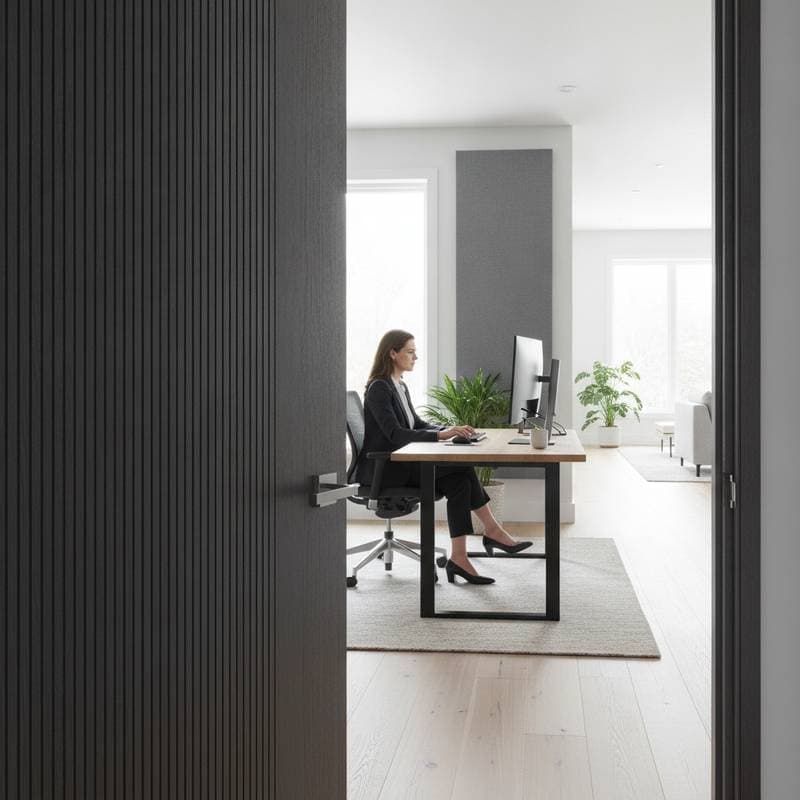
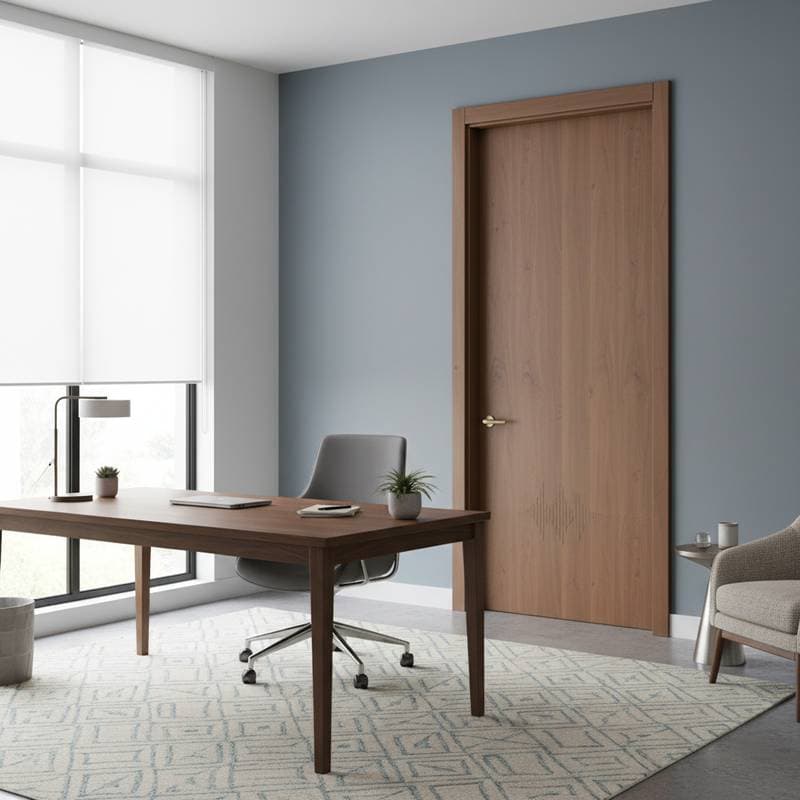
Slash Home Office Noise by 80% with Acoustic Doors
Creating a peaceful and productive home office often starts with one overlooked feature: the door. While décor, lighting, and ergonomic furniture get plenty of attention, noise control can make or break a workspace. Acoustic doors have become one of the smartest upgrades for homeowners seeking quiet and focus. They are designed to reduce sound transfer between rooms, which can make a dramatic difference in daily comfort and concentration.
A well-chosen acoustic door can cut unwanted noise by up to eighty percent. That means fewer interruptions from household activities and a calmer environment for calls, meetings, and creative work. This trend connects both design and function, blending performance with style so the door contributes to the overall aesthetic rather than looking technical or industrial.
Three Ways to Get This Look
Save Approach ($600 - $1,200)
- Choose a solid-core wood composite door with dense fiber layers.
- Apply perimeter weatherstripping to seal gaps and install a door sweep at the bottom.
- Use a simple matte paint finish in a neutral tone to complement existing trim.
This option works well for small offices or guest rooms converted into workspaces. Most homeowners can manage installation with basic tools, and the improvement in sound control is immediate.
Mid-Range Approach ($1,200 - $2,500)
- Select a factory-rated acoustic door with a sound transmission class (STC) of 35 to 40.
- Combine a solid wood veneer with an acoustic core for better density and style.
- Invest in upgraded hinges and compression seals for tighter closure.
This approach offers a balance between design and performance, perfect for homeowners who want a refined appearance while keeping noise to a minimum. It also fits well with modern or transitional interiors.
Invest Approach ($2,500 - $5,000)
- Opt for custom-engineered acoustic doors with STC ratings above 45.
- Use premium finishes like rift-cut oak, walnut veneer, or painted MDF with a satin finish.
- Add concealed drop seals, magnetic closures, and double gasket systems.
This tier provides the highest level of sound isolation, making it ideal for shared homes, studios, or offices near living areas. The investment pays off in long-term comfort and property value, especially when paired with acoustic glazing or insulated walls.
Material and Finish Guide
- Windows: If your office includes windows, choose double or triple-pane glass with laminated layers. Black or bronze aluminum frames add a modern touch and reduce vibration.
- Doors: Solid-core or engineered acoustic doors are best. Look for mass-loaded vinyl layers or mineral cores hidden inside the slab. Finishes like white oak, ash, or painted charcoal create a clean, stylish appearance.
- Siding and Walls: For offices located in detached structures or garages, fiber cement siding provides durability and quietness. Its density helps keep sound from escaping.
- Trim and Accents: Use wide casing and foam-backed baseboards to absorb minor sound leaks. Finishing details such as brushed nickel or matte black hardware pair well with modern acoustic doors.
Maintenance Reality Check
Acoustic doors are built for durability, but they still require care to maintain peak performance. Clean seals regularly to prevent dust buildup that can weaken the sound barrier. Reapply weatherstripping every few years, especially in humid climates where materials can expand or contract. Painted finishes should be wiped with a damp cloth rather than harsh cleaners to preserve texture. If your door includes glass inserts, use non-ammonia cleaner to prevent streaks without damaging the acoustic laminate.
Wood veneer finishes may need occasional oiling or wax, depending on humidity and exposure to sunlight. Composite doors usually need less maintenance, making them a practical choice for busy households.
Avoid These Mistakes
- Ignoring gaps: Even the best acoustic door performs poorly if installed with open seams. Always check that the frame is square and the perimeter seals are tight.
- Overlooking hardware: Cheap hinges or lightweight handles can compromise the seal. Choose solid metal hardware that provides firm closure pressure.
- Mixing design styles: A heavy contemporary door can clash with a cottage-style home. Select designs that match your architecture to keep the upgrade looking intentional.
- Skimping on the frame: Reusing an old hollow-core frame reduces performance. A new solid jamb with acoustic caulking ensures proper sound isolation.
Coordinating Colors and Styles
For cohesive design, think of your office door as part of the overall palette. A few popular color combinations include:
- Charcoal and white: A soft gray or black door frame paired with crisp white trim.
- Walnut and cream: Natural wood grain against light neutral walls for a warm, balanced appearance.
- Slate blue and oak: Muted blue tones enhance modern farmhouse or coastal-inspired spaces.
- Matte black and beige: High contrast for contemporary interiors.
- Soft taupe and bronze hardware: Understated elegance that suits transitional homes.
The goal is to create a visual flow between rooms while defining the office as a distinct, peaceful zone.
Planning Photography Checklist
Before selecting or ordering your new door, gather documentation to help you or your designer make informed choices:
- Current room photos from multiple angles, including the door area.
- Architectural style reference, such as trim width and ceiling height details.
- Neighborhood and HOA restrictions, which may affect color or material choices.
- Climate considerations, since humidity or temperature swings can influence material performance.
- Budget parameters, listing where you can stretch for better sound control versus where to save.
Bringing It All Together
Acoustic doors bring both serenity and sophistication to a home office. They solve one of the most common frustrations of remote work while adding a design feature that feels intentional and tailored. Whether you choose a budget-friendly upgrade or a custom-engineered model, the right door transforms how you experience your workspace.