Acoustic Doors Block 80% of Noise for Remote Work
In the era of widespread remote work, maintaining focus amid household distractions proves challenging. Acoustic doors offer a practical solution by reducing noise transmission by up to 80 percent, creating a serene environment for professional tasks. These specialized doors integrate advanced engineering with aesthetic appeal, ensuring they enhance both productivity and home comfort.
Understanding Acoustic Doors
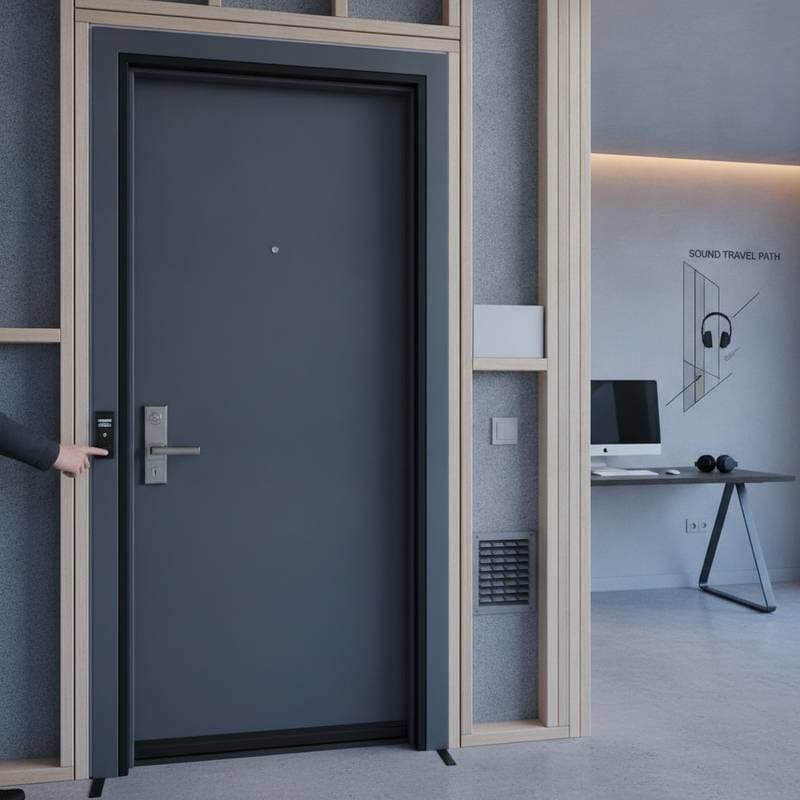
Acoustic doors differ from standard interior doors through their construction, which prioritizes sound insulation. Manufacturers employ dense core materials, such as solid wood composites or mineral-filled panels, to absorb and block sound waves effectively. This design achieves a sound transmission class rating of 30 to 40, meaning external noises like conversations or appliances diminish significantly within the enclosed space.
The effectiveness stems from multiple layers: an inner core that dampens vibrations, perimeter seals that prevent air leaks, and finishes that maintain visual harmony. For remote workers, this translates to fewer interruptions during video calls or deep concentration periods. Studies indicate that reduced ambient noise can boost cognitive performance by 20 percent, underscoring the value of such installations.
Benefits for Remote Workspaces
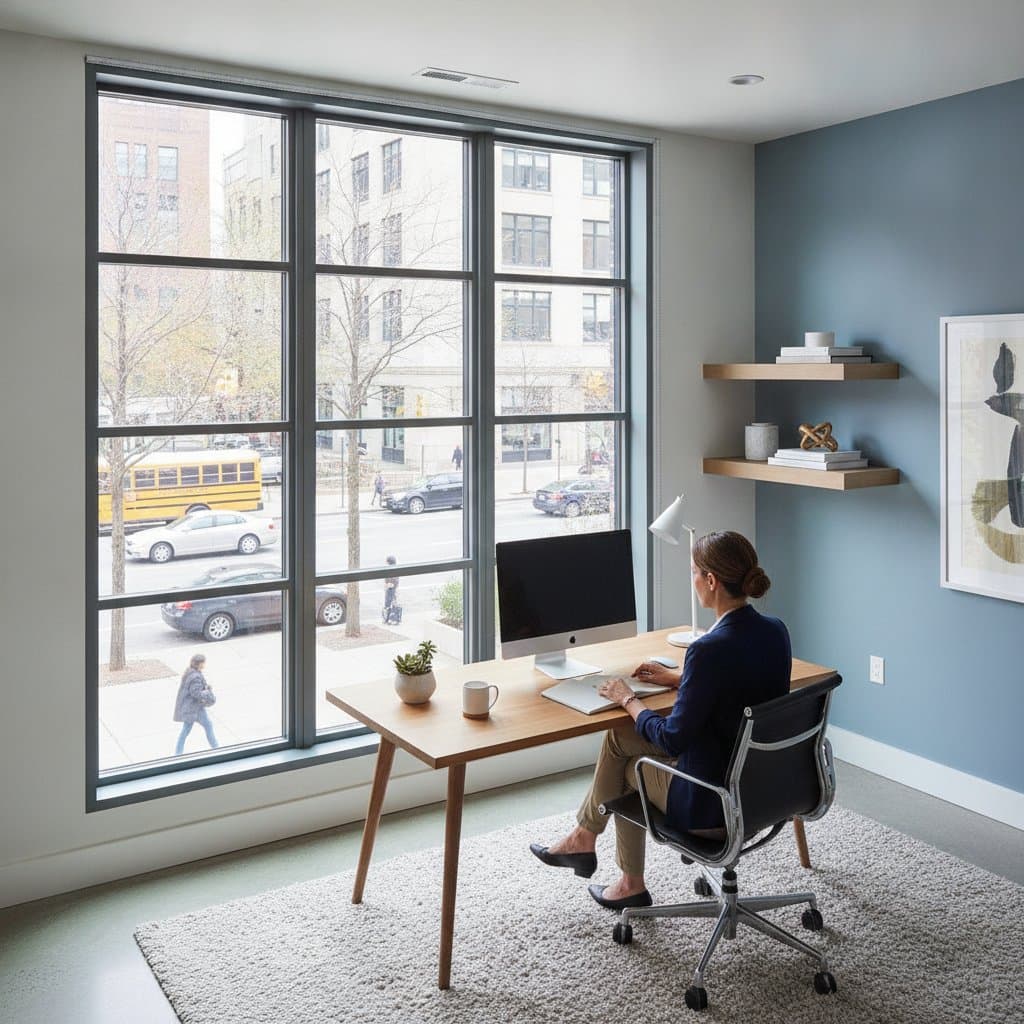
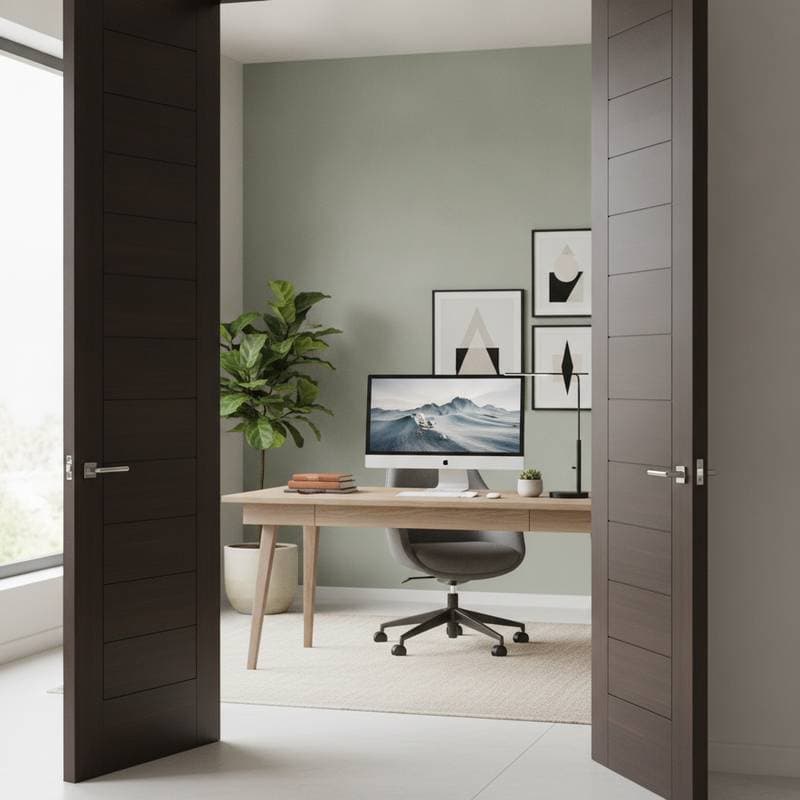
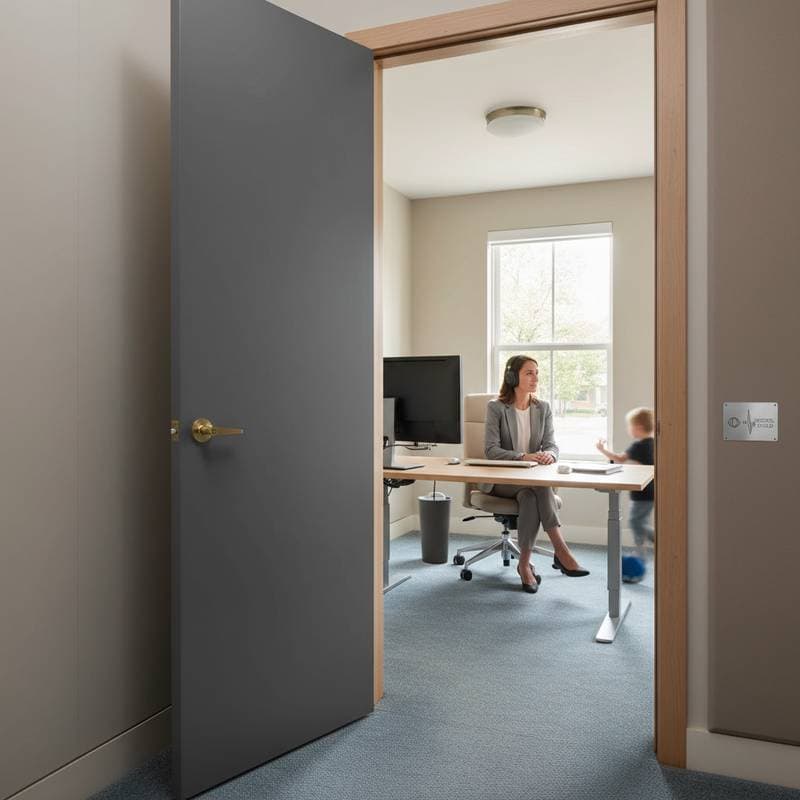
Remote work demands a dedicated office space free from distractions. Acoustic doors create this sanctuary by isolating the home office from family activities, pets, or street sounds. With up to 80 percent noise reduction, users report improved concentration and lower stress levels, fostering a more sustainable work routine.
Beyond noise control, these doors contribute to energy efficiency. Their sealed construction minimizes drafts, helping maintain consistent indoor temperatures and potentially lowering heating costs by 10 to 15 percent. This dual functionality supports long-term home improvements aligned with modern living standards.
Privacy emerges as another key advantage. In shared living situations, acoustic doors prevent sensitive discussions from carrying, enhancing professional boundaries. For parents balancing work and childcare, this feature allows seamless transitions between roles without compromising output.
Advanced Materials in Acoustic Door Design
Contemporary acoustic doors utilize innovative materials to balance performance and style. High-density particleboard cores provide robust soundproofing without excessive weight, making installation straightforward. Some models incorporate mass-loaded vinyl layers, which add mass to further attenuate low-frequency sounds like bass from home entertainment systems.
Sustainable options include doors made from recycled wood fibers treated with acoustic enhancers. These materials not only reduce environmental impact but also offer natural textures that complement various interior decors. Finishes range from matte laminates to painted surfaces, ensuring versatility for modern homes.
Gaskets and thresholds play a crucial role in sealing gaps. Automatic drop seals, for instance, deploy upon door closure to block sound at the floor level, achieving near-total isolation. Selecting doors with these features ensures optimal performance tailored to specific noise challenges.
Precise Installation for Maximum Effectiveness
Proper installation determines the success of acoustic doors. Begin by assessing the door frame for levelness and squareness, as even minor misalignments can compromise seals. Professionals recommend using shims to secure the frame, followed by applying acoustical caulk around edges to eliminate potential leak points.
Hinges warrant attention; heavy-duty models prevent sagging over time, preserving the door's alignment. For best results, integrate weatherstripping along the jambs and header. Homeowners can undertake basic installations with standard tools, but consulting experts guarantees compliance with building codes and peak efficiency.
Post-installation, test the setup by measuring decibel levels inside and outside the room. Adjustments, such as tightening seals or adding secondary layers, fine-tune performance. This methodical approach ensures the door delivers the promised 80 percent noise reduction from day one.
Integrating Smart Design Elements
Acoustic doors extend beyond functionality into smart home integration. Some models feature embedded sensors that adjust seals based on room occupancy, optimizing both soundproofing and ventilation. Compatibility with home automation systems allows voice-activated operation, adding convenience for busy professionals.
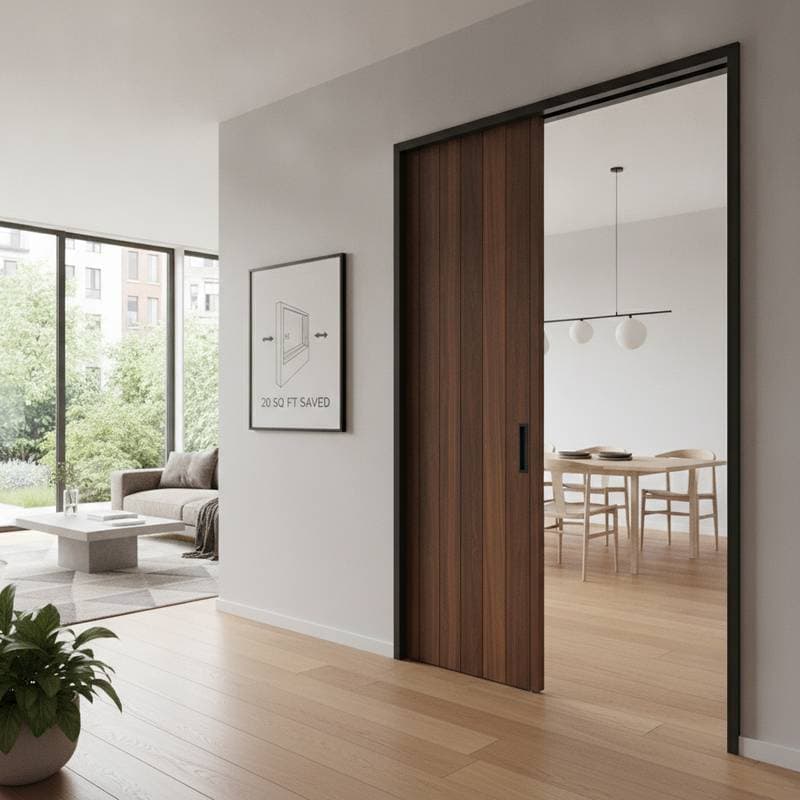
Design choices influence overall workspace appeal. Opt for doors with glass panels treated with laminated acoustic film to allow light while blocking sound. Custom sizes accommodate unique layouts, ensuring a seamless fit in compact urban apartments or spacious suburban homes.
Aesthetic considerations include hardware selections like soft-close mechanisms that operate quietly, avoiding additional noise. By blending these elements, acoustic doors elevate the home office into a professional-grade environment that supports creativity and efficiency.
Preparing for 2026 and Future Work Trends
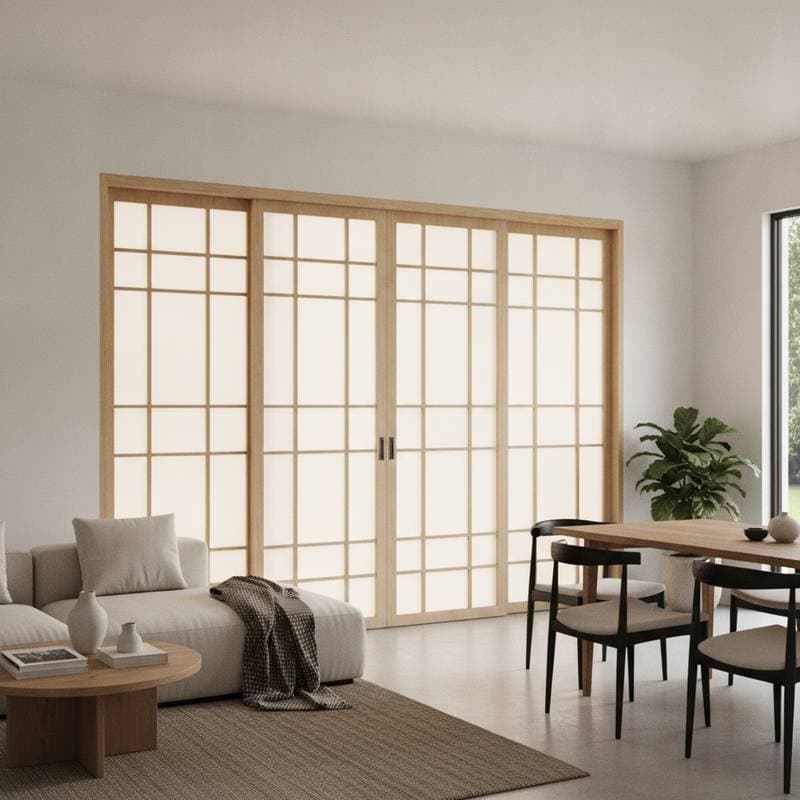
As remote work evolves, acoustic solutions gain prominence in home design forecasts for 2026. Experts predict increased demand for multifunctional spaces, where doors serve as dividers in open-plan layouts. Advancements in nanotechnology may enhance insulation properties, pushing noise reduction beyond current limits.
Investing in acoustic doors now positions homeowners ahead of these trends. They not only address immediate needs but also increase property value through upgraded insulation standards. Forward-thinking choices like these prepare living spaces for hybrid work models that blend office and home life.
Achieving Lasting Productivity Gains
Implementing acoustic doors transforms daily remote work experiences. Users gain uninterrupted focus, reduced fatigue, and enhanced privacy, leading to higher output and job satisfaction. These doors represent a strategic upgrade that combines practical benefits with enduring style, supporting professional success in any home setting.