Reduce Home Office Noise by 85% with Acoustic Doors
A quiet workspace supports productivity and mental well-being. Home offices have become essential for many, yet household sounds often disrupt concentration. Acoustic doors offer a reliable solution by minimizing noise transmission while integrating seamlessly into home designs.
These doors combine advanced soundproofing with elegant aesthetics. Modern versions feature slim profiles, wood finishes, and hardware that suit various interior styles. Proper installation achieves up to 85% noise reduction, fostering an environment conducive to deep work.
Budget-Friendly Options for Effective Sound Control
Entry-Level Strategy ($600 to $1,200)
- Select solid-core doors constructed from medium-density fiberboard or engineered wood for baseline sound dampening.
- Apply weatherstripping and acoustic seals to the door frame to seal common leakage points.
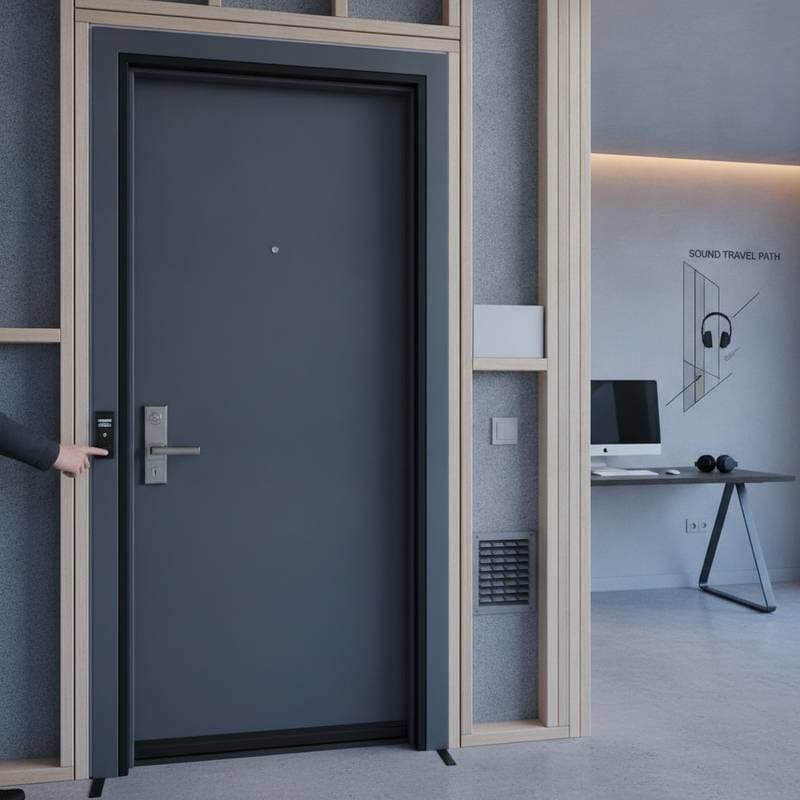
- Upgrade with an automatic door bottom seal that activates upon closing to eliminate under-door gaps.
This approach delivers substantial improvements without exceeding modest budgets. Homeowners report clearer calls and fewer distractions after these modifications.
Mid-Tier Strategy ($1,200 to $2,800)
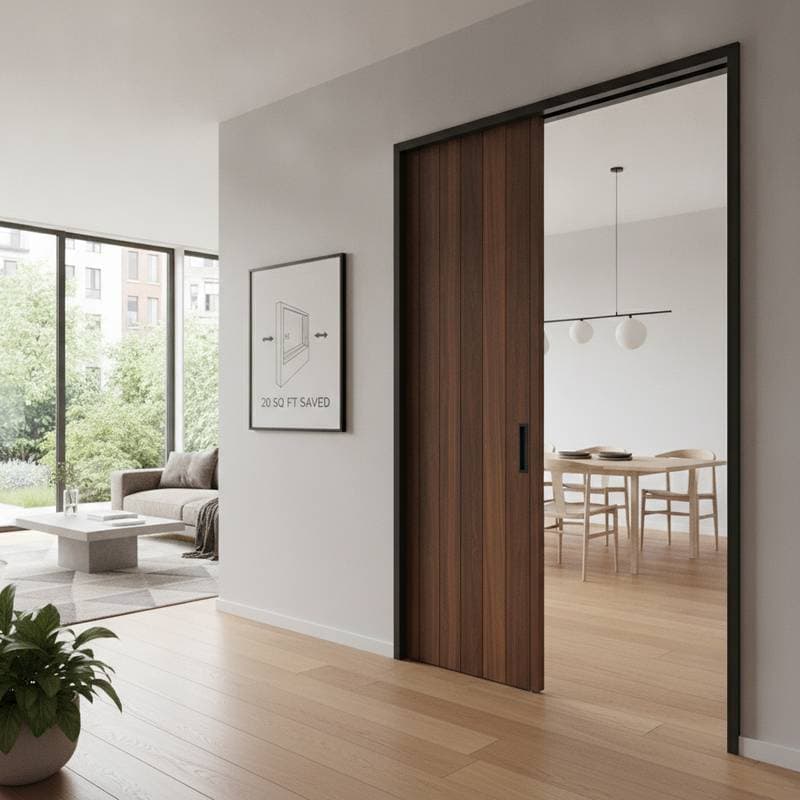
- Choose laminated solid wood or composite doors with integrated sound-absorbing cores, available in veneers such as oak or walnut.
- Install double seals around the perimeter and reinforced hinges to maintain a secure fit and reduce vibrations.
- Opt for thicker door casings to further isolate sound from adjacent rooms.
These selections balance performance and appearance. They suit offices in transitional or contemporary homes, providing a polished look that enhances the room's professionalism.
Premium Strategy ($2,800 to $5,000)
- Invest in custom doors with high Sound Transmission Class ratings, featuring layered hardwood and magnetic edge seals.
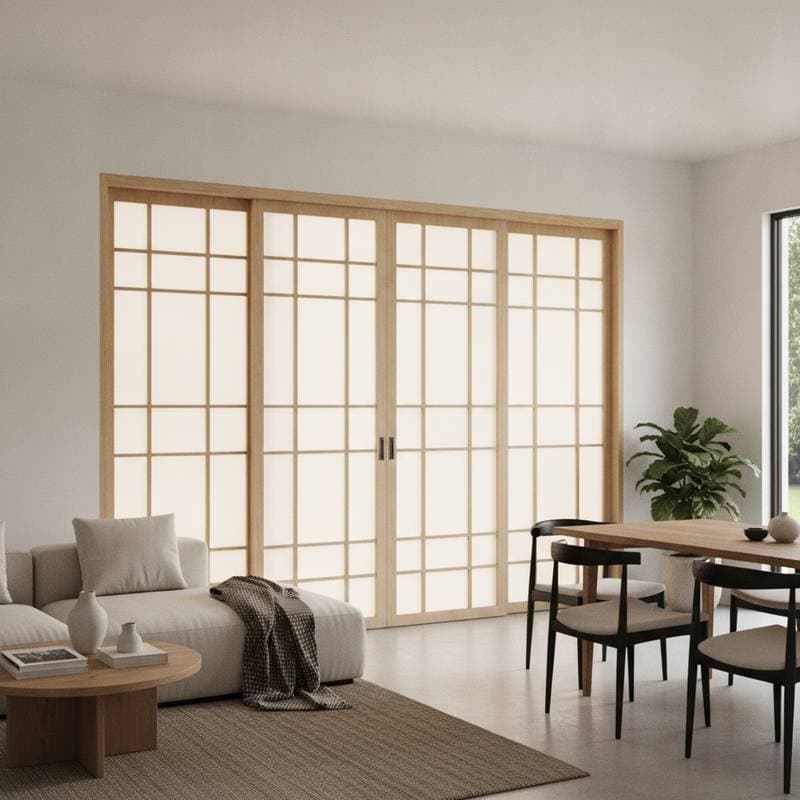
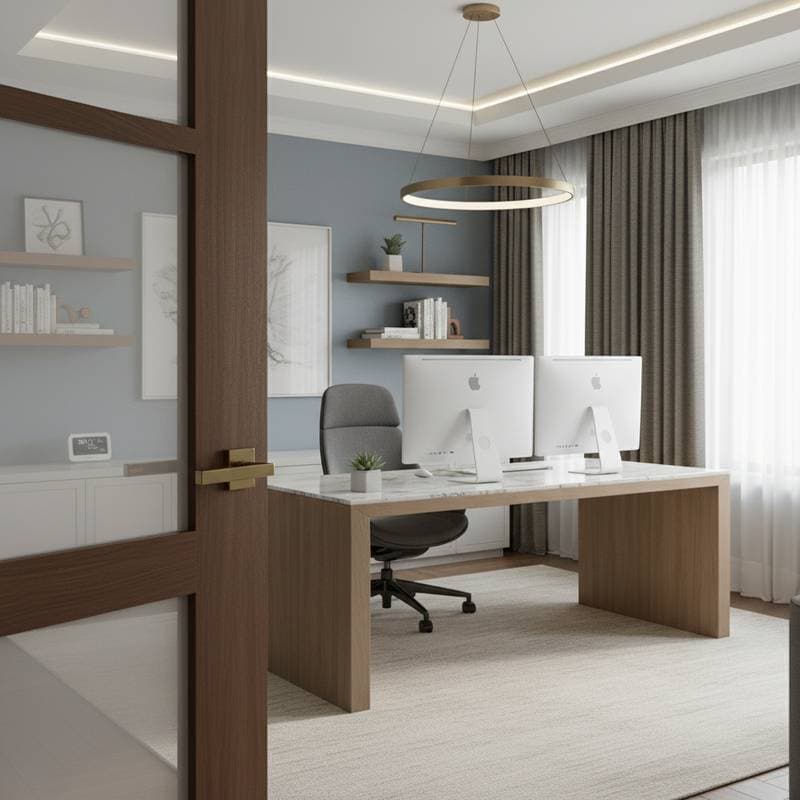
- Incorporate acoustically laminated glass panels or frosted inserts to allow natural light while preserving quiet.
- Pair with high-quality hardware in finishes like brushed brass or matte black for durability and style.
Such doors offer enduring value. They withstand daily use and may increase property appeal through improved functionality.
Selecting Materials and Finishes for Optimal Results
For doors, prioritize solid-core constructions at least 1.75 inches thick to maximize sound blocking. Wood veneers in white oak, maple, or ash provide warmth and versatility. Painted options in slate gray or soft cream align with modern palettes.
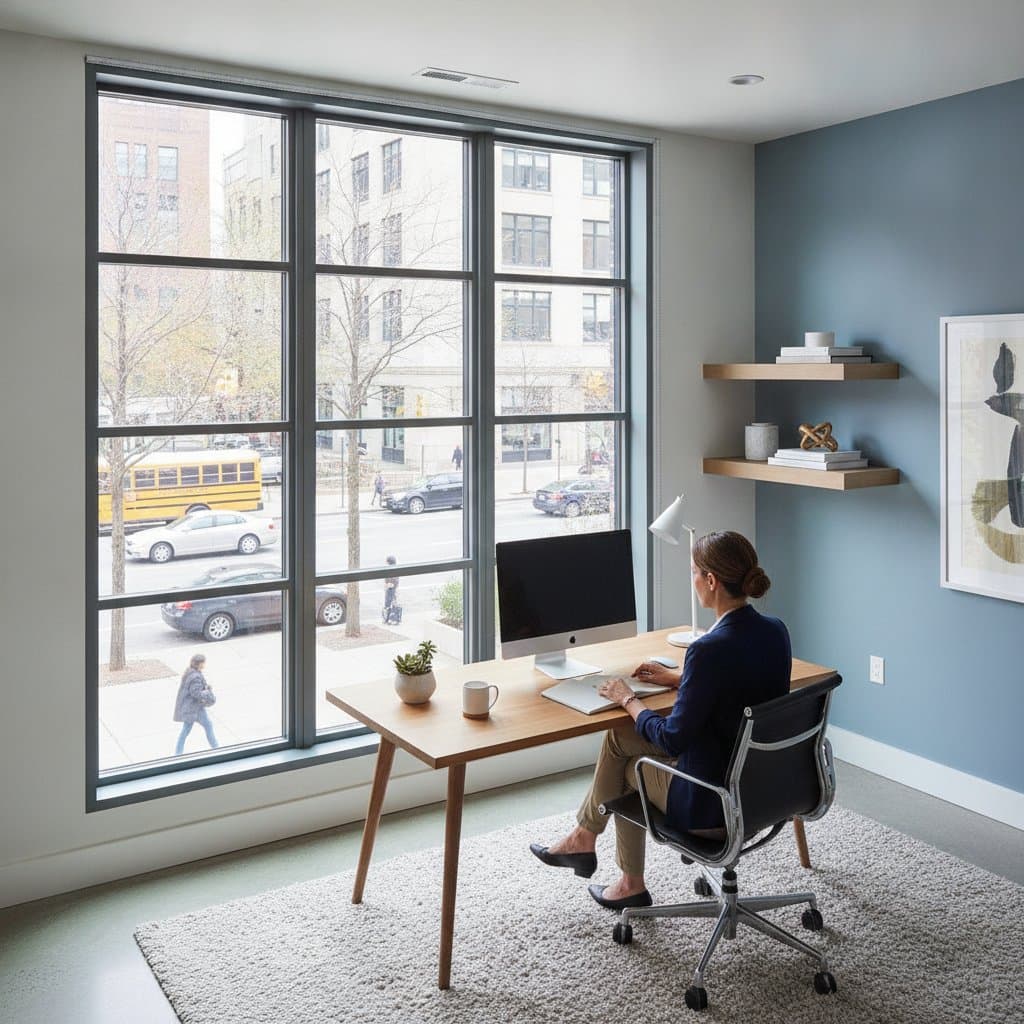
If windows are present, install double- or triple-glazed units with insulated frames. Dark bronze or black frames contrast effectively with neutral walls. Supplement with acoustic curtains or cellular shades to absorb additional echoes.
Exterior walls benefit from insulated siding like fiber cement or vinyl in subdued colors such as dove gray or sand beige. This setup minimizes outdoor intrusions like traffic or machinery sounds.
Trim elements, including acoustic-rated frames and wider casings, strengthen the overall barrier. Match finishes in natural wood or matte paint to unify the space and avoid visual distractions.
Essential Maintenance Practices
Acoustic doors demand little routine care to sustain effectiveness. Inspect seals and gaskets quarterly for signs of compression or damage; replace them promptly with compatible parts.
Lubricate hinges and latches annually to promote smooth operation and consistent sealing. Clean wood surfaces with mild, non-abrasive cleaners to preserve integrity.
In humid areas, choose doors with moisture-resistant cores to avoid deformation. Refresh painted surfaces with matching touch-up paint as needed to maintain a crisp appearance.
Common Pitfalls to Sidestep
Hollow-core doors appear economical but fail to dampen sound adequately. Commit to solid-core or acoustic-specific builds for meaningful results.
Unsealed frames undermine even premium doors. Implement comprehensive perimeter seals and verify threshold alignment during setup.
Inferior hardware introduces rattles and gaps. Specify heavy-duty, soft-close mechanisms engineered for quiet performance.
Amateur installation risks misalignment. Engage professionals to calibrate fits and achieve specified sound ratings.
Door upgrades alone fall short for comprehensive quiet. Integrate rugs, wall panels, and insulated drywall to address flanking noise paths.
Integrating Doors into Your Interior Palette
Acoustic doors enhance rather than overshadow the office design. Neutral tones promote tranquility and versatility.
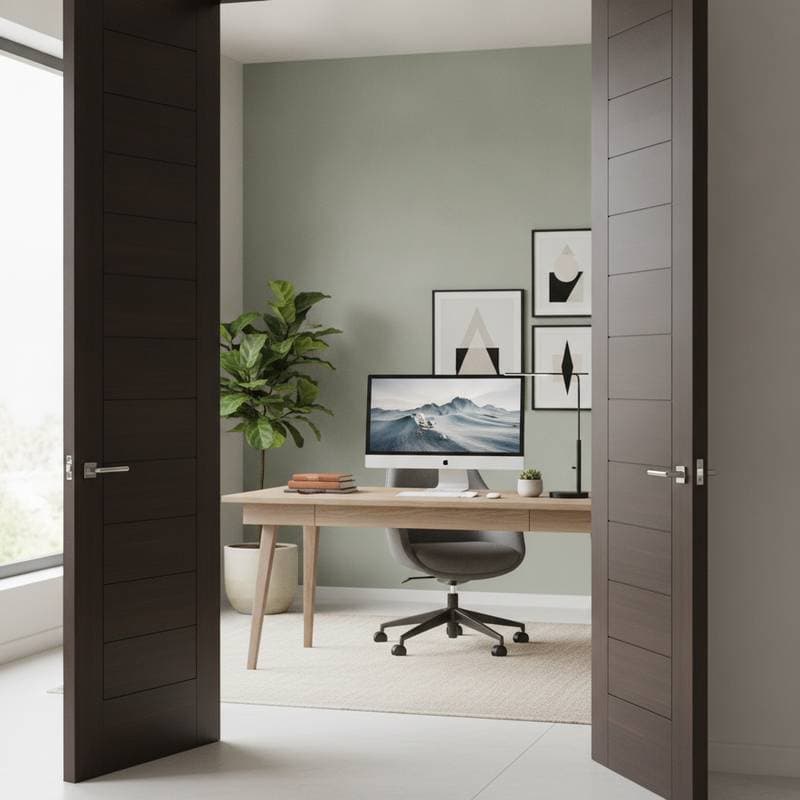
Soft gray establishes a sleek, professional vibe that pairs with metallic accents. Warm walnut introduces organic texture in classic settings.
Matte black delivers dramatic contrast in sparse layouts. Natural oak supports light, airy schemes inspired by Nordic influences.
Cream white maximizes brightness in compact areas. Align hardware with lighting and cabinetry tones for seamless cohesion.
Preparation Steps for Successful Implementation
Document your space to inform decisions. Take wide-angle photos from various perspectives to capture layout and proportions.
Photograph existing doors, frames, and trim in detail. Note structural features like moldings or flooring changes.
Measure ambient noise at peak disturbance times to pinpoint issues. Assess external factors, including street activity or neighbor routines.
Review any community restrictions on modifications. Define your budget and allocation priorities.
These records guide consultations and ensure selections align with your environment.
Achieving Lasting Workspace Harmony
Acoustic doors elevate home offices by curbing noise up to 85% through engineered precision and refined design. Complementary elements like seals and finishes amplify their impact.
Tailor choices to your style and needs for a space that sustains productivity. From basic enhancements to bespoke installations, these solutions clarify thoughts and streamline routines.