Acoustic Doors Reduce Home Noise by Up to 80 Percent by 2026
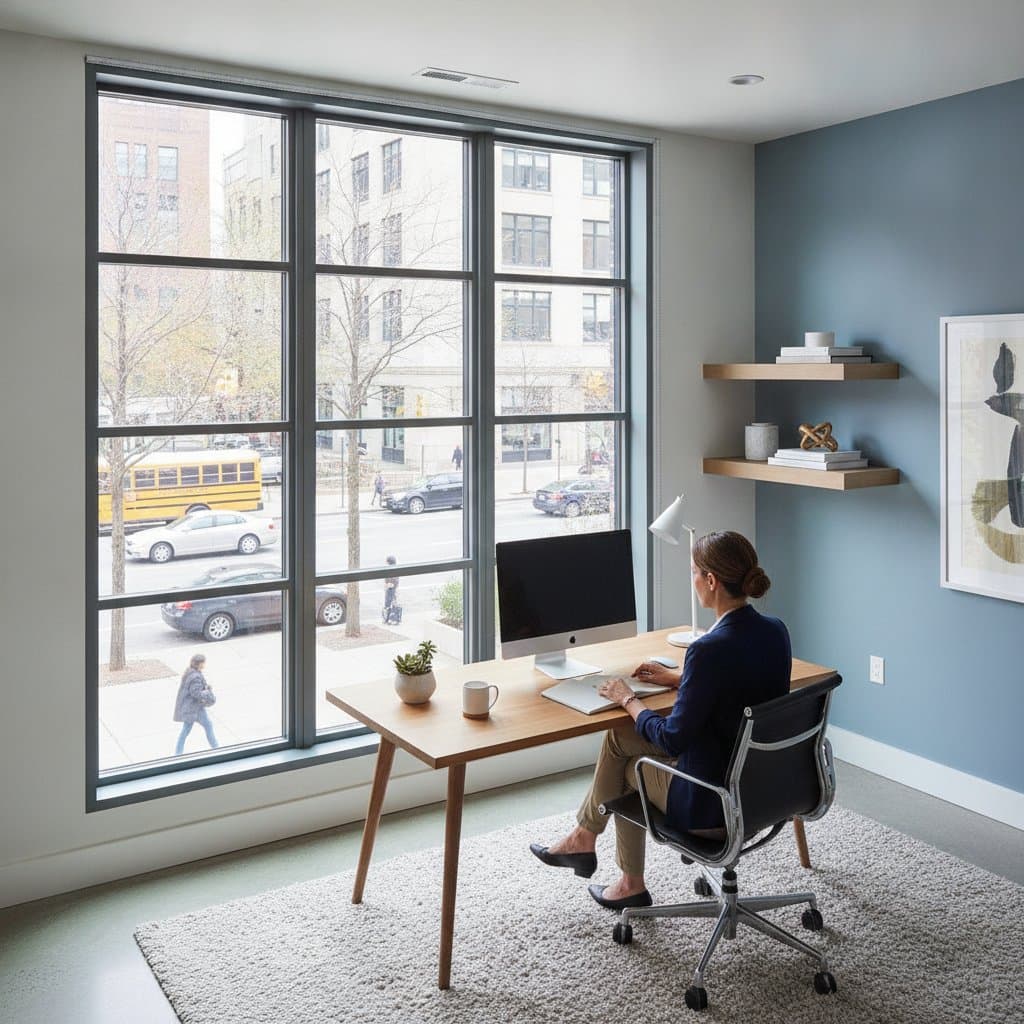
Unwanted noise disrupts daily life in many homes. Traffic sounds from the street, conversations from neighboring rooms, or disturbances from nearby apartments all contribute to reduced comfort and focus. Acoustic doors address these issues effectively. These specialized doors, designed for both interior and exterior use, block up to 80 percent of household noise by 2026 through advanced materials and precise engineering. Homeowners achieve quieter environments without extensive renovations.
This guide explains the mechanics of acoustic doors, their costs, and selection criteria. Readers gain practical insights to enhance home tranquility.
Understanding Acoustic Door Mechanics
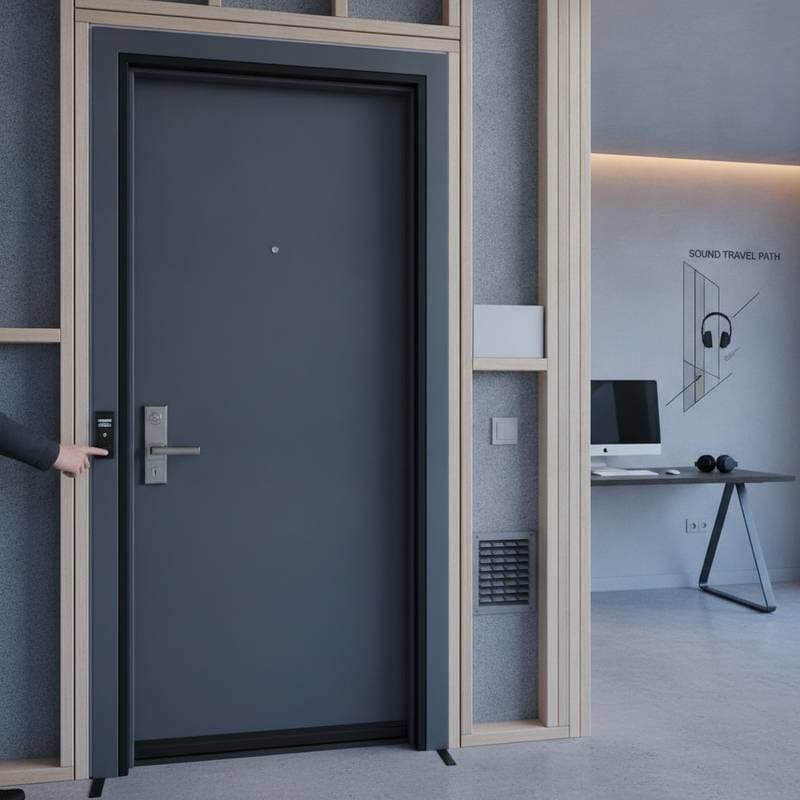
Acoustic doors function by minimizing sound transmission through multiple layers and seals. Dense cores absorb vibrations, while perimeter seals prevent air gaps that allow noise to escape. Sound Transmission Class (STC) ratings measure effectiveness, with higher numbers indicating better performance.
Installation plays a critical role. Proper alignment ensures seals compress fully upon closing, achieving rated reductions. By 2026, innovations in composite materials and automated seals will push average STC ratings higher, enabling 80 percent noise cuts in standard homes.
Homeowners benefit from these advancements in urban settings or multi-story dwellings. The result is a sanctuary of peace amid external chaos.
Costs Associated with Acoustic Door Installation
Pricing for acoustic doors varies based on design, materials, and labor requirements. Expect to invest between $800 and $2,500 per door for most installations, covering the unit, frame, and professional fitting. Premium options with enhanced ratings may reach $4,000.
Consider additional expenses for features like threshold seals or custom sizing, which add $150 to $400. These elements maximize noise isolation.
| Door Type | Typical Installed Cost | STC Rating | Primary Applications |
|---|---|---|---|
| Solid-Core Wood | $800–$1,200 | 30–35 | Bedrooms, home offices |
| Acoustic Composite | $1,200–$2,000 | 35–45 | Media rooms, adjacent walls |
| Studio-Grade Acoustic | $2,000–$4,000 | 45–55 | Recording studios, street noise |
| Acoustic Steel | $1,500–$3,000 | 40–50 | Front entries, durable settings |
Select based on noise intensity and location. Interior doors often require less robust options than exterior ones.
Evaluating Acoustic Door Materials
Materials influence noise blocking, longevity, and upkeep. Each type suits specific needs, from budget constraints to aesthetic demands.
Solid wood offers natural appeal and strong absorption but demands occasional refinishing. Composites provide affordability with solid performance, ideal for frequent use. Steel excels in high-impact areas, resisting wear while delivering superior isolation. Laminates combine style with function, fitting contemporary designs seamlessly.
| Material | Noise Reduction Level | Durability | Maintenance Level | Ideal Settings |
|---|---|---|---|---|
| Solid Wood | High | Excellent | Moderate | Warm interior environments |
| MDF Composite | Moderate to High | Good | Low | Cost-effective upgrades |
| Steel | Very High | Excellent | Low | Secure entries, robust spaces |
| Laminate Acoustic Core | High | Good | Low | Sleek offices, modern homes |
Pair materials with acoustic hardware for optimal results. Gaps undermine even premium cores, so precision matters.
Advantages of Installing Acoustic Doors
Acoustic doors extend beyond sound control to enhance overall living quality. They create boundaries for private activities and improve environmental efficiency.
Privacy increases in shared spaces, containing voices and media sounds effectively. Seals that block noise also curb drafts, aiding heating and cooling systems. Residents experience deeper rest and sharper focus in serene surroundings.
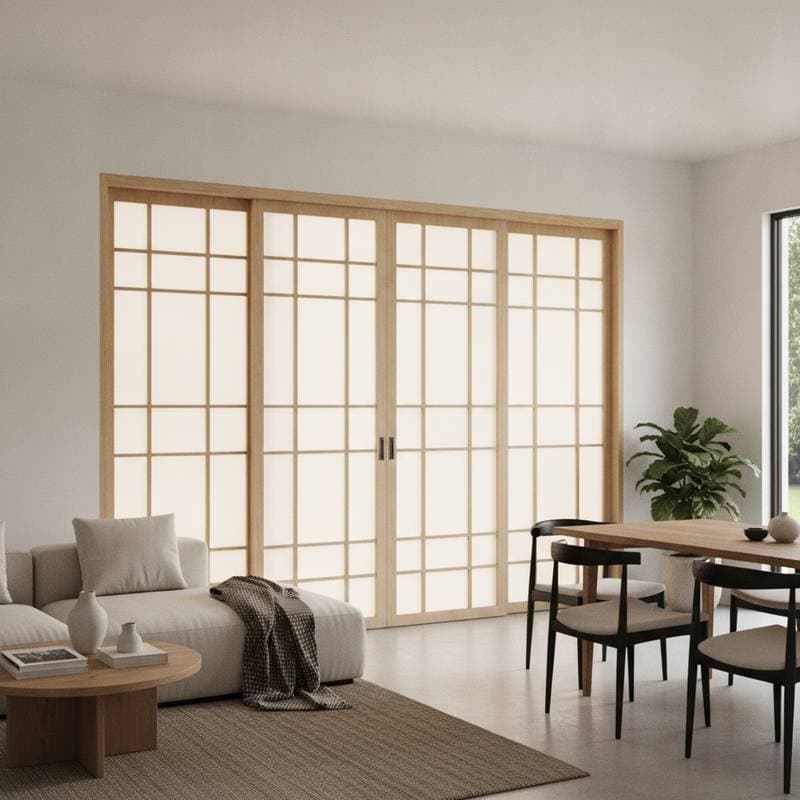
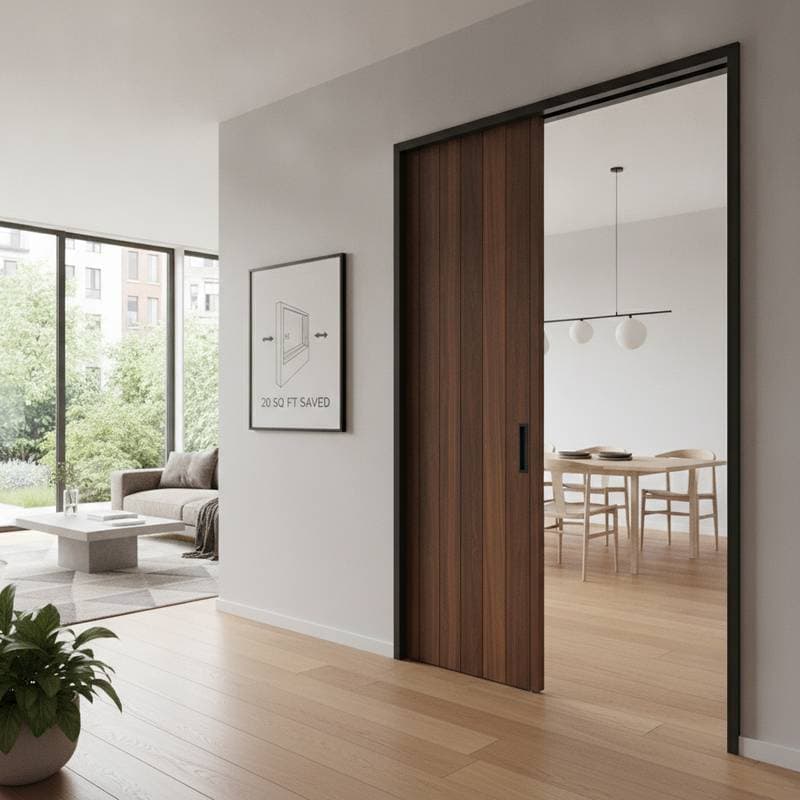
These upgrades appeal to future buyers, signaling thoughtful design in noisy locales. Options in finishes and styles ensure integration with existing decor, from classic wood grains to minimalist panels.
- Privacy enhancement for offices and bedrooms.
- Draft reduction for better energy use.
- Stress relief through reduced ambient noise.
- Increased home value in competitive markets.
- Customizable appearances for seamless aesthetics.
Installation Options: DIY or Professional
Basic door swaps tempt skilled individuals, yet acoustic models demand exacting standards. Misalignment reduces effectiveness by allowing sound leaks.
DIY efforts might cut costs by $200 to $400 but often lead to suboptimal seals. Tools like levels and shims prove essential, alongside experience in framing adjustments.
Professionals guarantee peak performance. As Mike Russell of QuietSpace Interiors notes, “Most sound loss happens at the edges. We see great doors underperform simply because they were installed like standard doors. It takes care and calibration to get it right.”
Hire certified installers for complex setups, especially exterior doors facing heavy noise.
Addressing Myths About Acoustic Doors
Misconceptions deter potential users from these practical solutions. Clarifying facts builds confidence in their value.
Contrary to assumptions, acoustic doors maintain slim profiles and diverse styles, blending with any interior. They dampen noise significantly—up to 80 percent—but eliminate it entirely only in specialized setups.
Versatility extends to everyday rooms like nurseries or living areas, not just professional studios. Compatibility with digital locks and hardware supports modern security needs.
- Sleek designs match standard doors.
- Substantial, not absolute, noise reduction.
- Suitable for homes beyond creative spaces.
- Works with smart home integrations.
Realistic views lead to informed choices and lasting satisfaction.
Steps to Choose and Install Your Acoustic Door
Tailor selections to your home's unique demands. Follow this process for successful outcomes.
-
Assess noise origins: Distinguish external sources like roads from internal ones like family rooms. Higher STC suits outdoor intrusions.
-
Set performance targets: Basic needs call for 30–35 STC; intense scenarios require 45 or more.
-
Align with home style: Select panels and finishes that complement architecture, ensuring visual harmony.
-
Consult experts: Obtain quotes from installers to refine budgets and timelines.
-
Plan for maintenance: Choose low-upkeep materials to sustain long-term efficacy.
Implementation transforms noisy spaces into havens. Start with a professional assessment to identify priority areas.