Recycled Aluminum Windows: Sustainable Style and Real Savings Ahead
Homeowners increasingly seek exterior materials that minimize environmental harm without sacrificing design versatility or long-term performance. Recycled aluminum windows emerge as a leading solution, offering potential savings of up to 30 percent over conventional aluminum frames by 2026. These windows combine ecological benefits with economic advantages and broad architectural compatibility.
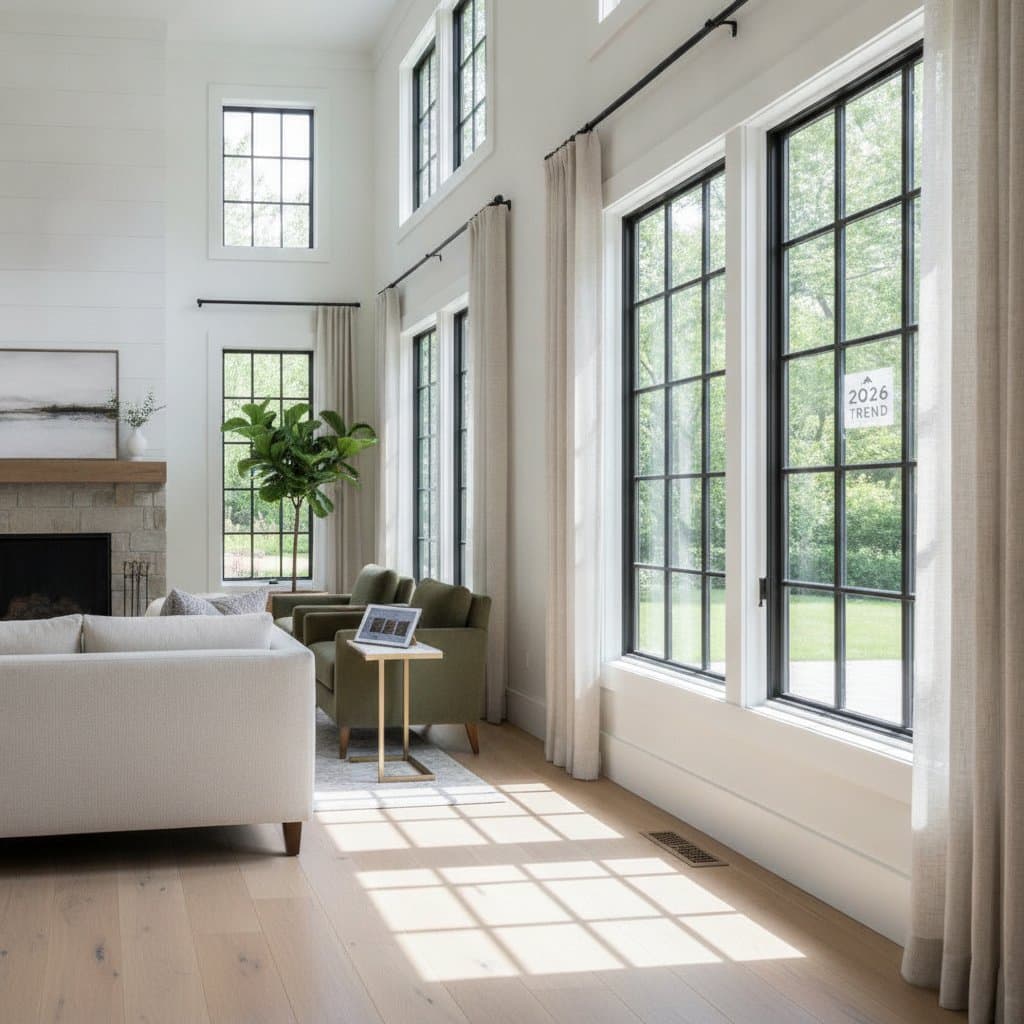
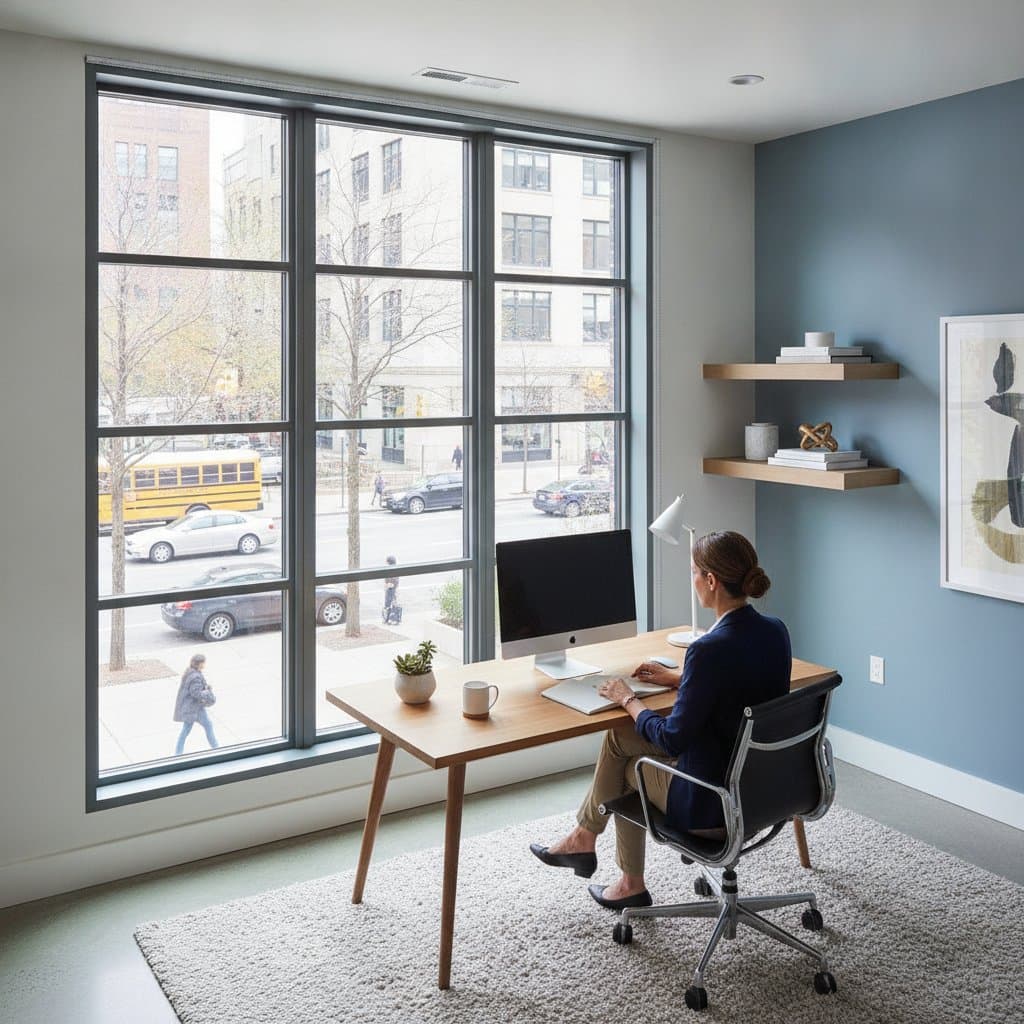
Crafted from post-consumer aluminum, these frames provide slim profiles, customizable finishes, and superior strength. They integrate seamlessly with diverse exteriors, such as wood siding for a natural touch, fiber cement for low-maintenance appeal, or stone veneers for a luxurious feel. The result is an exterior that enhances curb appeal while supporting sustainable practices.
This guide outlines practical strategies to incorporate recycled aluminum windows, including material selections, finish options, and budget-conscious approaches to create a cohesive, forward-thinking home design.
Three Budget Approaches for Implementation
Basic Approach ($8,000 - $12,000)
- Select standard recycled aluminum frames paired with dual-pane, low-emissivity glass to ensure basic thermal performance.
- Opt for grouped rectangular windows instead of custom curves or arches to minimize manufacturing expenses.
- Allocate premium finishes to street-facing installations, reserving simpler options for less visible areas to balance cost and visual impact.
Mid-Range Approach ($13,000 - $20,000)
- Pair recycled aluminum exteriors with interior wood cladding to add residential warmth alongside outdoor resilience.
- Incorporate low-E coatings and argon-filled glass for improved insulation, potentially lowering annual heating and cooling bills by 15 to 20 percent.
- Choose durable hardware in finishes like brushed nickel or matte black, which provide subtle elegance and resist fingerprints without extra upkeep.
Premium Approach ($21,000 - $35,000)
- Install thermally broken recycled aluminum frames to eliminate heat transfer, achieving energy ratings that exceed standard requirements.
- Customize window sizes and placements to match the home's structural lines, ensuring proportional harmony.
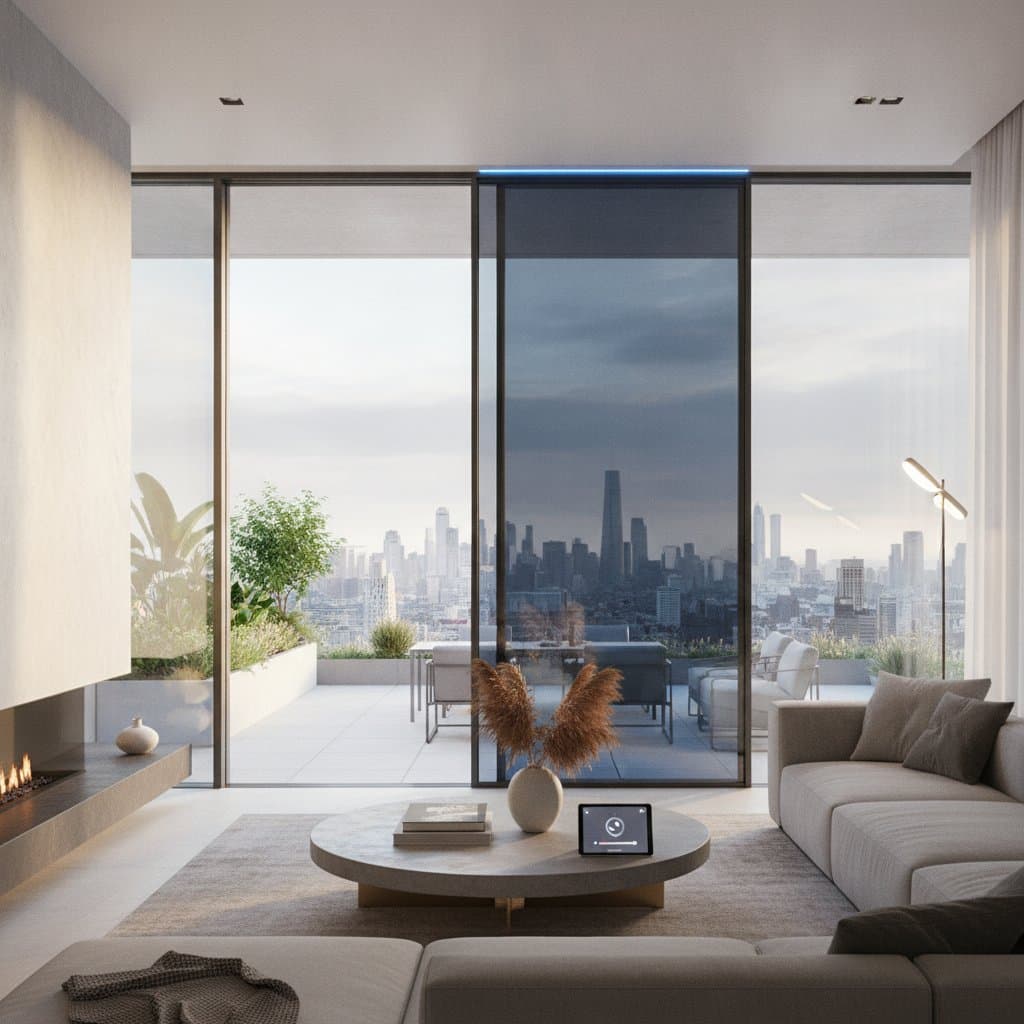
- Integrate features such as automated shades or flush-mounted trim for a streamlined, contemporary finish that enhances usability and aesthetics.
Essential Maintenance for Longevity
Recycled aluminum windows match the robustness of traditional aluminum but demand straightforward upkeep to preserve their appearance and function. Clean frames every three to six months using a soft cloth and mild soap solution to remove environmental grime that could affect finish clarity. Powder-coated options naturally repel rust, yet those in marine environments benefit from monthly freshwater rinses to clear salt deposits.
Factory-painted surfaces endure for a decade or more, with repair kits readily available for small imperfections. Inspect seals and gaskets annually on thermally broken units to sustain insulation levels. Unlike wooden alternatives, these frames eliminate the need for periodic treatments, reducing annual maintenance time to under two hours and cutting associated costs significantly.
Replacing outdated windows with recycled aluminum not only diverts materials from landfills but also boosts property value through eco-certifications and modern efficiency, appealing to environmentally aware buyers.
Blending Tradition with Contemporary Performance
Homes with classic architecture often require elements that honor historical details while delivering current efficiencies. Recycled aluminum windows adapt well to these settings through subtle framing and complementary finishes that evoke heritage without compromising modernity.
Narrow frames in hues like warm ivory or aged bronze harmonize with brickwork or masonry exteriors. Simulated divided lites recreate vintage window patterns, preserving light flow and thermal barriers. Pairing these with solid wood entry doors and subtle trim creates an enduring facade that withstands time and weather.
Coordinating Colors and Styles Effectively
Effective color schemes unify the exterior, bridging windows with surrounding features for a polished outcome. Select palettes that reflect the home's character and local climate to maximize visual and functional harmony.
Recommended Color Palettes
- Matte black frames against charcoal gray siding and natural cedar accents for sharp, urban contrast.
- Soft bronze windows with sandstone panels and cream trim for inviting, heritage-inspired warmth.
- Graphite silver paired with pale gray walls and driftwood beige details for versatile coastal or transitional vibes.
- Champagne metallic frames, slate blue accents, and off-white bases for elegant, light-reflecting modernity.
- Deep espresso windows, warm taupe siding, and weathered oak elements for grounded, rustic refinement.
Evaluate how sunlight interacts with choices: darker tones dramatize light exteriors but may require UV-protective coatings in high-sun areas, while paler shades reflect heat and integrate with subdued neighborhoods.
Key Pitfalls to Sidestep
- Pairing untreated wood directly with aluminum: This invites galvanic corrosion; use barriers like silicone sealants or metal flashing to isolate materials.
- Disregarding scale in traditional homes: Large, modern panes can disrupt symmetry; measure against existing openings to maintain architectural balance.
- Prioritizing fleeting trends: Bold, seasonal colors risk quick obsolescence; favor enduring neutrals that align with community standards and personal longevity.
Pre-Installation Planning Essentials
Thorough preparation ensures selections align with your home's unique context. Capture detailed visuals and notes to inform decisions and avoid costly revisions.
Homeowner Planning Checklist
- Photograph elevations from multiple angles under daylight to assess proportions and lighting effects.
- Catalog style markers, including rooflines, masonry types, and fixed architectural features.
- Review local guidelines, such as homeowners association rules on colors or materials.
- Assess environmental factors like coastal salinity, high winds, or temperature extremes that influence frame durability.
- Define financial limits and rank priorities, such as energy savings over aesthetic upgrades.
Realizing Sustainable Exterior Upgrades
Integrating recycled aluminum windows transforms exteriors into efficient, attractive assets. These installations deliver immediate cost reductions through material reuse and long-term gains via energy conservation. Homeowners gain not only a refreshed appearance but also a commitment to sustainability that enhances daily living and future resale potential.