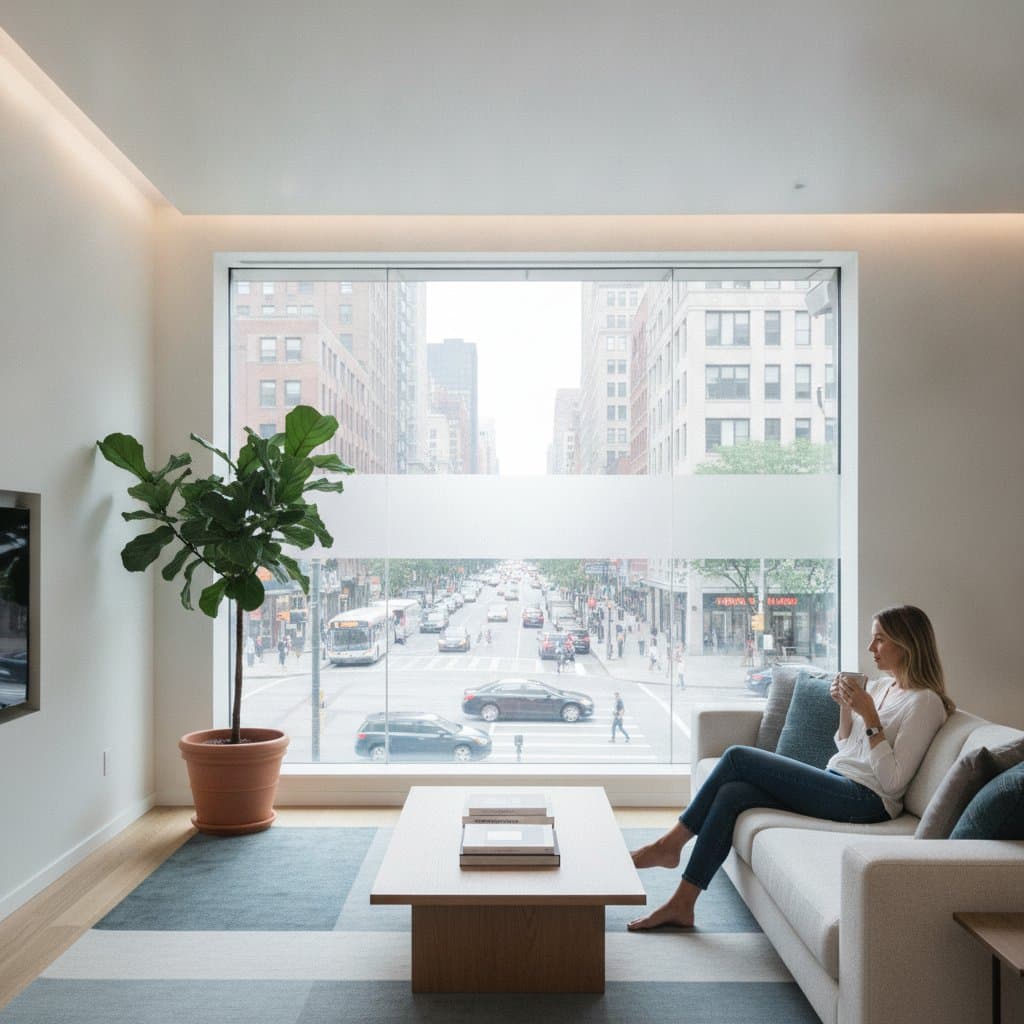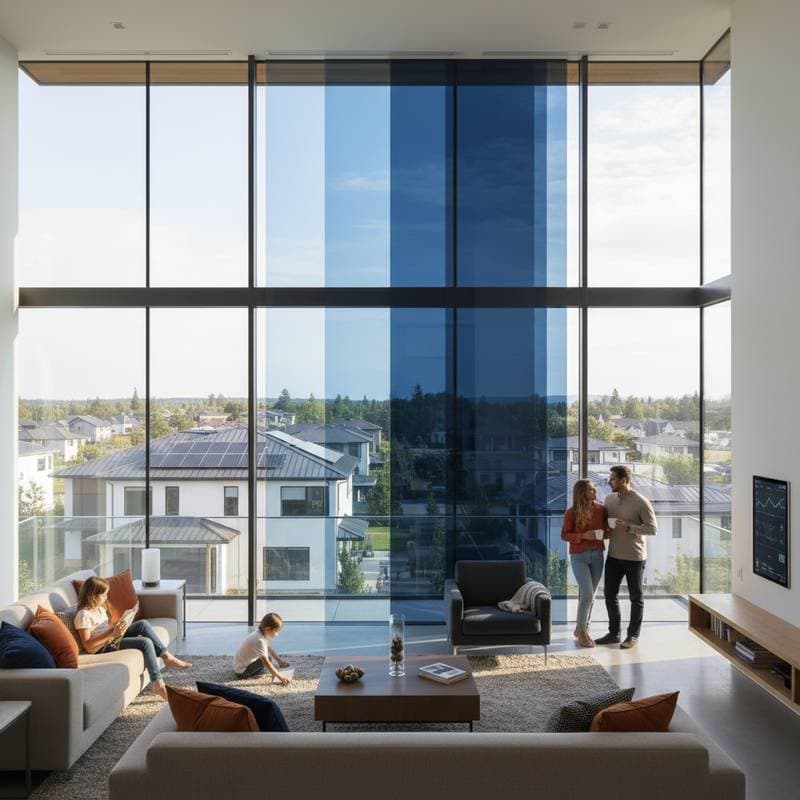
Electrochromic Windows: Adaptive Technology Enhances Everyday Design
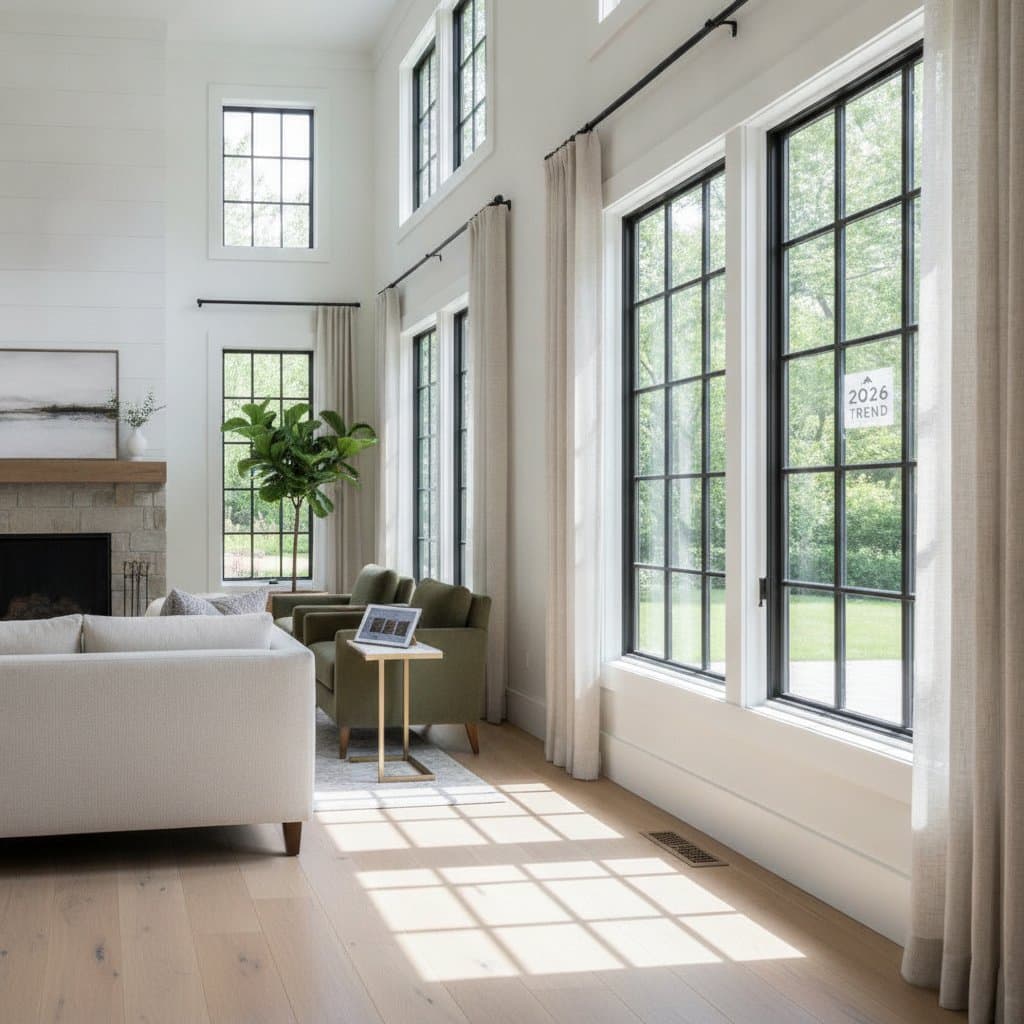
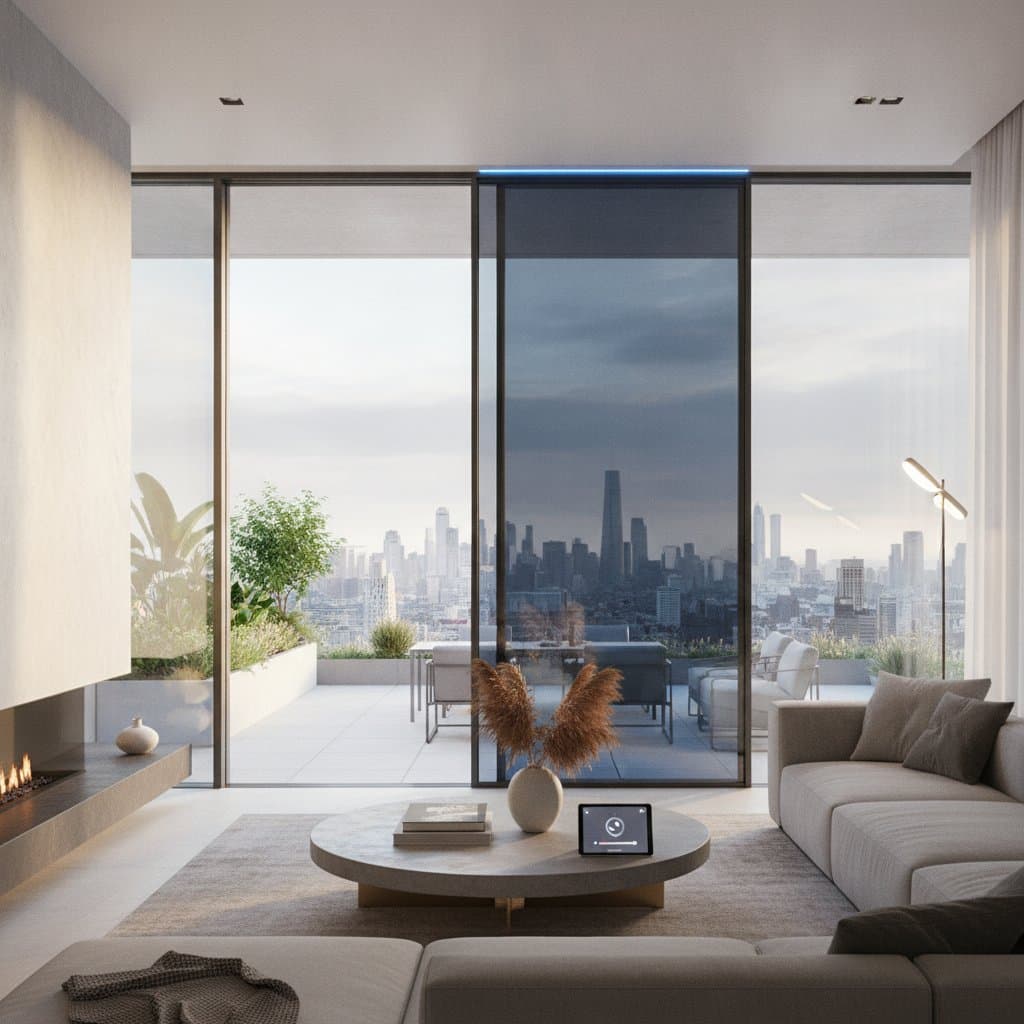
Advancements in intelligent residential architecture position electrochromic windows as a prominent innovation. These glass systems alter their tint level through applied electrical current, precisely modulating light and heat entry. Improvements in production processes lower expenses, rendering these sophisticated elements available to more property owners. Forecasts indicate significant price reductions, shifting electrochromic windows from premium specialties to standard selections.
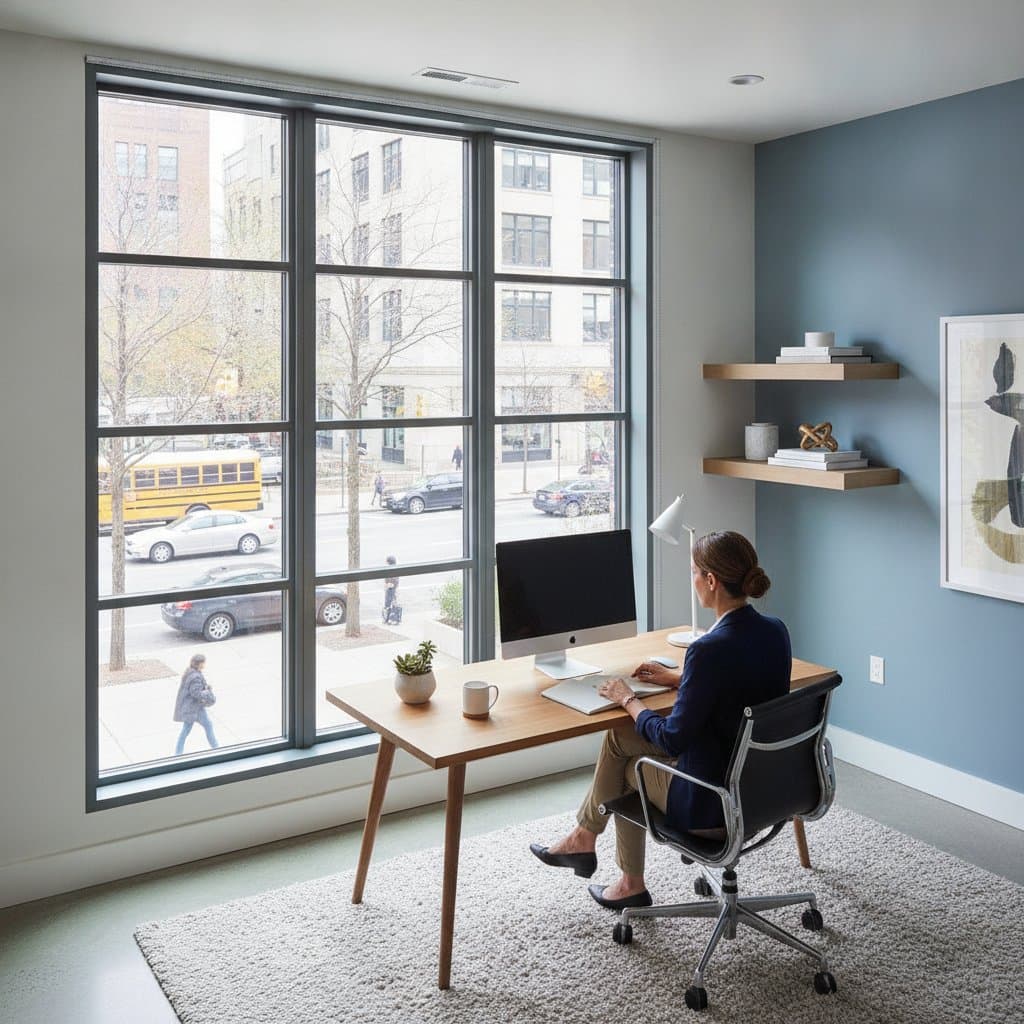
Their value stems from combining efficiency with contemporary aesthetics. Such windows remove reliance on traditional coverings like blinds, promote uninterrupted sightlines, and yield substantial energy conservation. Property owners undertaking facade renovations gain an opportunity to align visionary elements with sustained performance benefits.
Strategies for Implementation
Basic Implementation ($8,000 - $15,000)
Targeted placement delivers visual appeal without extensive overhauls.
- Selection of components: Integrate conventional double-glazed windows alongside electrochromic panels in strategic spots, such as sun-exposed living spaces or expansive view windows.
- Efficiency measures: Apply dynamic glazing solely in areas requiring solar management, while equipping remaining sections with energy-efficient low-emissivity glass to achieve a harmonious exterior at reduced expense.
- Key investments: Prioritize the integration of a central control mechanism compatible with home automation systems, facilitating scalability and reliable functionality.
Intermediate Implementation ($18,000 - $35,000)
This level merges substantial effects with feasible execution via hybrid glazing approaches.
- Strategic component choices: Install electrochromic glass across sun-facing elevations, complemented by coordinated static glass on less exposed sides to preserve uniformity.
- Essential enhancements: Select assemblies incorporating embedded sensors that automatically modulate tint according to ambient light conditions.
- Valuable aesthetic additions: Incorporate slender aluminum or composite framing in subdued matte tones to accentuate a sleek profile.
Comprehensive Implementation ($40,000 - $75,000)
Complete integration elevates the aesthetic and operational qualities of the entire residence.
- Superior component options: Choose advanced electrochromic glass offering high transparency and progressive tint gradients for fluid light adjustments, combined with thermally efficient metal or composite wood frames for optimal thermal barriers.
- Refined detailing: Embed concealed conduits for wiring, bespoke interface panels, and zoned programming to tailor operations per room.
- Sustained benefits: Decreased utility expenses and minimized ultraviolet degradation of furnishings yield enduring advantages surpassing mere appearance.
Guide to Materials and Finishes
- Window specifications: Electrochromic panels come in transparent, neutral gray, or faint bronze variants. Dark charcoal or black frames suit modern and industrial facades. Residences in coastal or heritage settings benefit from bronze or off-white options. Brushed nickel or matte black fixtures uphold a streamlined appearance.
- Door integrations: Coordinate with entry doors that include slim glass panels or sidelights in synchronized tints. Fiberglass units with wood-like textures or polished steel doors in rich matte shades harmonize with the innovative essence of the glass.
- Exterior cladding: Opt for sleek fiber cement boards, upright metal panels, or broad engineered wood laps to underscore geometric precision. Low-gloss surfaces minimize reflections and accentuate the evolving window hues.
- Accent and trim elements: Employ minimal, slim profiles for trim. A dual-color scheme with sharp neutrals for trim against deeper siding tones fosters equilibrium. Perimeter lighting for windows utilizes warm-toned bulbs to counterbalance the glass's neutral shades.
Practical Maintenance Considerations
Electrochromic windows demand far less hands-on care than conventional shading mechanisms. Clean the glass surfaces with gentle soap and water, similar to ordinary windows. Electrical elements remain enclosed within the assembly, shielded from environmental contaminants.
Durability characterizes the technology, yet practical aspects warrant attention. Professional intervention handles most repairs, and control unit replacements involve specialized expertise beyond routine window servicing. Regular checks on connections and system alignment maintain uniform tinting over extended periods. In humid or seaside locations, select hardware resistant to corrosion for reliable performance.
Standard upkeep includes sensor cleaning and confirmation of synchronized panel responses. Proper vigilance supports decades of effective operation with limited intervention.
Common Pitfalls to Sidestep
- Neglecting structural compatibility: Property owners sometimes choose dynamic glass without verifying frame dimensions or conduit provisions. Verify that current frames support both the panels and wiring infrastructure.
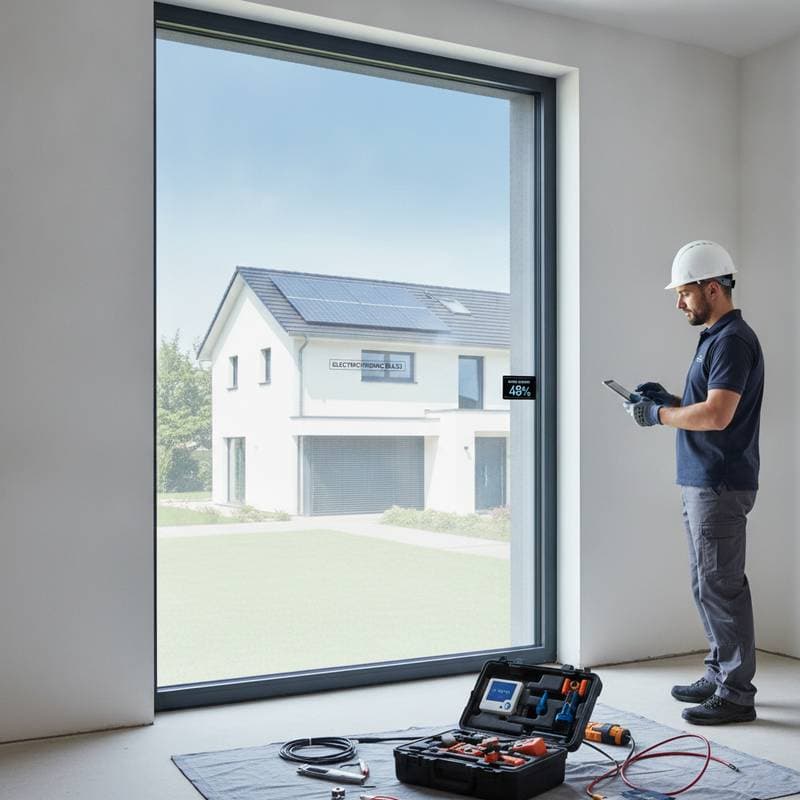
- Disregarding electrical infrastructure: Post-installation wiring proves expensive. Incorporate power outlets during initial planning.
- Inconsistent tint applications: Varied shades across the facade risk a disjointed visual effect. Standardize tint variations within a single range for the whole exterior.
- Omitting backup controls: Automated features prove useful, yet manual options prove essential for outages or recalibrations. Provide reachable switches for each sector.
- Underestimating upkeep needs: Low demands exist, but calibration and firmware refreshes remain necessary. Neglect leads to irregular tinting or delayed adjustments.
Harmonizing Colors and Architectural Styles
Electrochromic windows align seamlessly with modern, transitional, or industrial exteriors. Their fluid surfaces and adjustable opacity encourage inventive material and color pairings. A unified scheme tempers the glass's precision with organic or inviting textures.
Recommended color schemes:
- Subdued Gray Modern: Warm gray cladding, black frames, silver accents.
- Arid Neutral Tones: Beige stucco, bronze glass, chocolate trim.
- Seaside Serenity: Light blue siding, white borders, clear glass with gray frames.
- City Edge: Charcoal panels, wood highlights, intense gray tint.
- Timeless Blend: White cement boards, graphite frames, mild bronze shading.
Manage gloss and color balance carefully. Satin finishes on cladding and borders curb glare, spotlighting the glass dynamics. In designs with extensive glazing, simplify roof forms and features to sustain compositional unity.
Essential Preparation for Visual Documentation
Establish a thorough visual record prior to adopting electrochromic windows or broader facade changes. This baseline aids precise choices on tint intensities, frame hues, and cladding matches by professionals and owners alike.
Preparation steps:
- Record existing facade images from primary viewpoints, featuring detailed shots of frame edges and cladding seams.
- Catalog the building's stylistic traits, including unique aspects like eaves, terraces, or ornamental details.
- Assess surrounding community aesthetics and regulatory constraints to align with area norms.
- Identify environmental factors, including intense solar exposure, moisture levels, or wind forces, that shape material decisions.
- Establish financial limits and designate focus areas, such as primary elevations or elevated glazing sections.
These documents serve as benchmarks for assessing tonal variations, shadow effects, and integration post-installation.
Integrating Design and Performance for Lasting Impact
Electrochromic windows redefine approaches to facade architecture. They merge abundant daylight with precise technological oversight. Projected affordability accelerates their adoption as standard enhancements.
Strategic planning amplifies energy optimization, shields interiors from harmful rays, and yields streamlined exteriors. Coordinated framing, cladding, and entry elements secure visual cohesion, while grasp of servicing and setup avoids surprises. Property owners pursuing facade evolutions discover in dynamic glass a platform for innovation and tangible livability gains. Selective or wholesale applications alike advance exteriors that intelligently manage illumination, well-being, and enduring worth.