Why Entryways in 2026 Favor Terrazzo Over Marble
Entryways serve as the welcoming threshold to any home, and design preferences continue to evolve. The transition from marble to terrazzo stands out as a key development in contemporary interior trends. Property owners, previously drawn to marble for its opulent appeal, now select terrazzo for enhanced practicality, environmental responsibility, and economic value. For those considering an entryway update, terrazzo presents a strategic option that balances aesthetics with performance.
Cost Breakdown and Installation Insights
Terrazzo installation ranges from $6 to $25 per square foot, covering materials and labor. Marble setups typically span $10 to $40 per square foot, influenced by stone quality and surface treatment. Terrazzo application proceeds more swiftly and requires less intensive labor, often yielding savings of several hundred dollars in workforce expenses.
| Material | Cost Range (Installed) | Maintenance Level | Lifespan |
|---|---|---|---|
| Terrazzo | $6 to $25 per sq. ft. | Low | 75+ years |
| Marble | $10 to $40 per sq. ft. | High | 50+ years |
Flooring experts note that terrazzo integrates fine chips of marble, quartz, granite, or glass within a cement or epoxy matrix. This composition enables inventive color schemes and yields a uniform, refined finish resistant to everyday abrasion.
Reasons Property Owners Shift from Marble
Marble captivates with its intricate veining and organic patterns. However, vulnerability to humidity and surface marks renders it unsuitable for high-use areas such as entryways. Accumulated soil, abrasive particles, and dampness from footwear gradually erode or stain marble, necessitating consistent sealing and buffing to preserve appearance and escalating ongoing expenses.
Terrazzo withstands water effectively after sealing and resists scratches more effectively. Such toughness suits active families, particularly in regions with fluctuating weather. It mirrors marble's sophisticated vibe yet excels in routine demands.
Environmental Advantages and Sustainable Practices
Contemporary property owners prioritize ecological impact. Terrazzo scores highly in sustainability through the use of reclaimed glass, granite, or marble fragments. This approach curtails waste and fosters distinctive motifs.
Marble sourcing involves energy-intensive mining that harms ecosystems. Terrazzo manufacturing, by reusing scraps, lowers the need for fresh resources. Several terrazzo formulations earn credits in green construction standards, attracting those focused on responsible renovations.
"Terrazzo enables us to repurpose materials that might otherwise end up in landfills," said Mark Jensen, a flooring installer based in Portland. "Homeowners get the same premium look but with a smaller environmental footprint."
Customization Possibilities and Visual Appeal
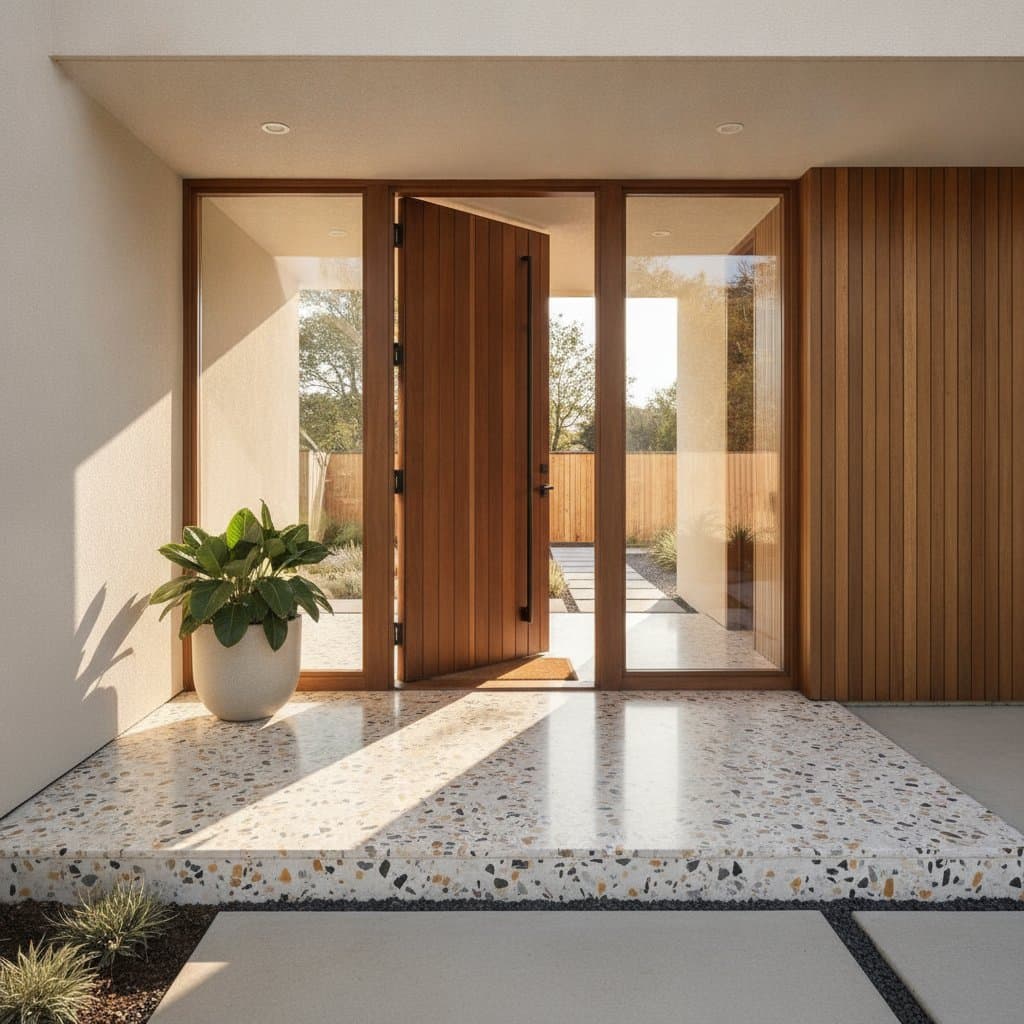
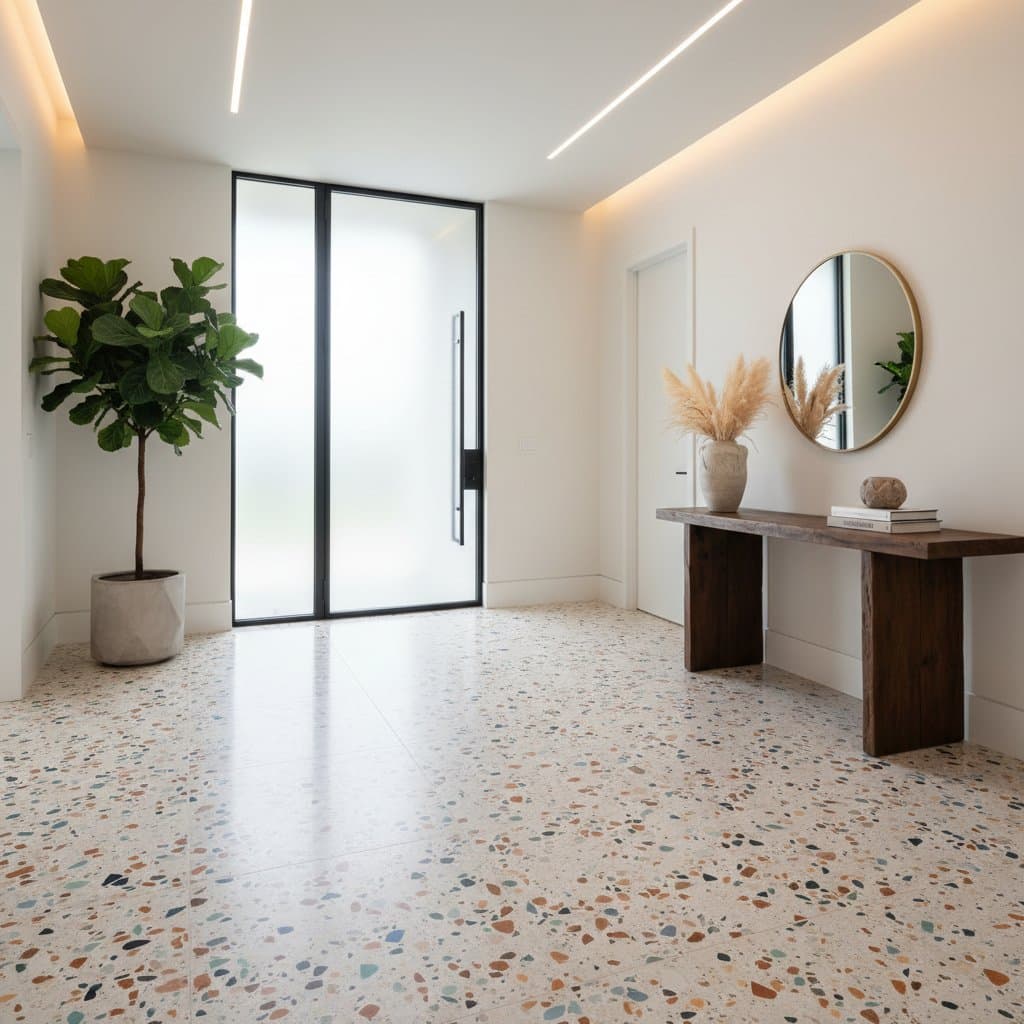
Terrazzo affords designers broader latitude than marble. Although marble offers inherent hues, terrazzo permits tailoring with diverse pigments and aggregates. Select muted shades for sleek environments or vibrant flecks for impactful entry floors. Finishes range from high-gloss polish to textured honing for added grip.
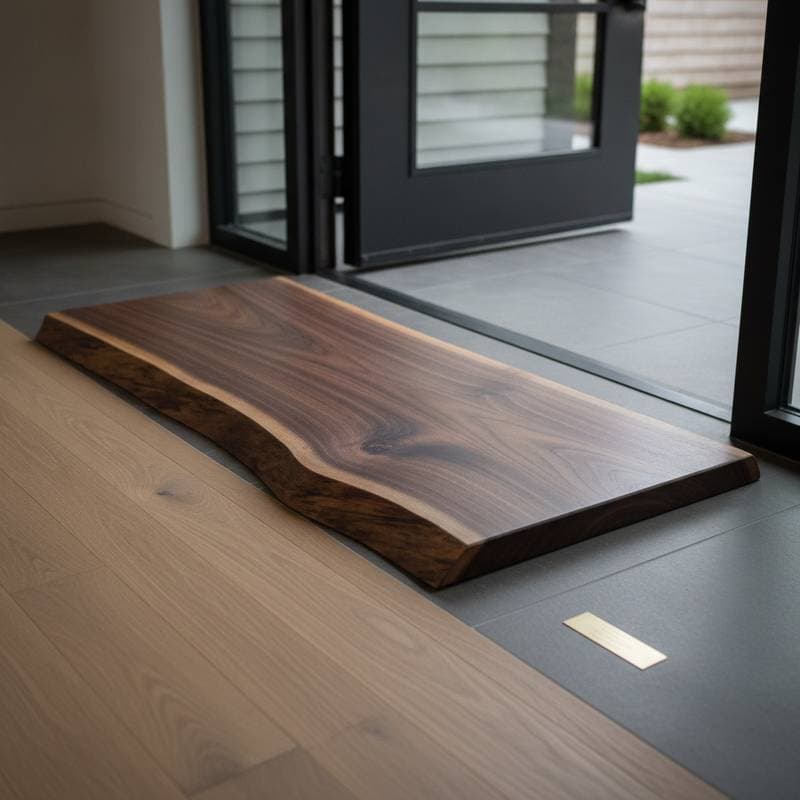
Many extend terrazzo across door sills, ensuring fluid indoor-outdoor connections. This design choice promotes cohesive sightlines and simplifies upkeep, as the even surface deters grime accumulation.
Longevity and Upkeep Strategies
Installed terrazzo demands scant attention. Clean regularly with neutral pH solutions to sustain its fresh look. Unlike marble, it avoids repeated sealing or wax applications. Infrequent damage, such as fissures, repairs seamlessly due to the material's inherent pattern matching.
Marble calls for periodic expert care. Buffing, resealing, and stain mitigation incur hundreds of dollars yearly. Across decades, these outlays may exceed terrazzo's upfront cost differential.
Selecting Terrazzo for Entryway Applications
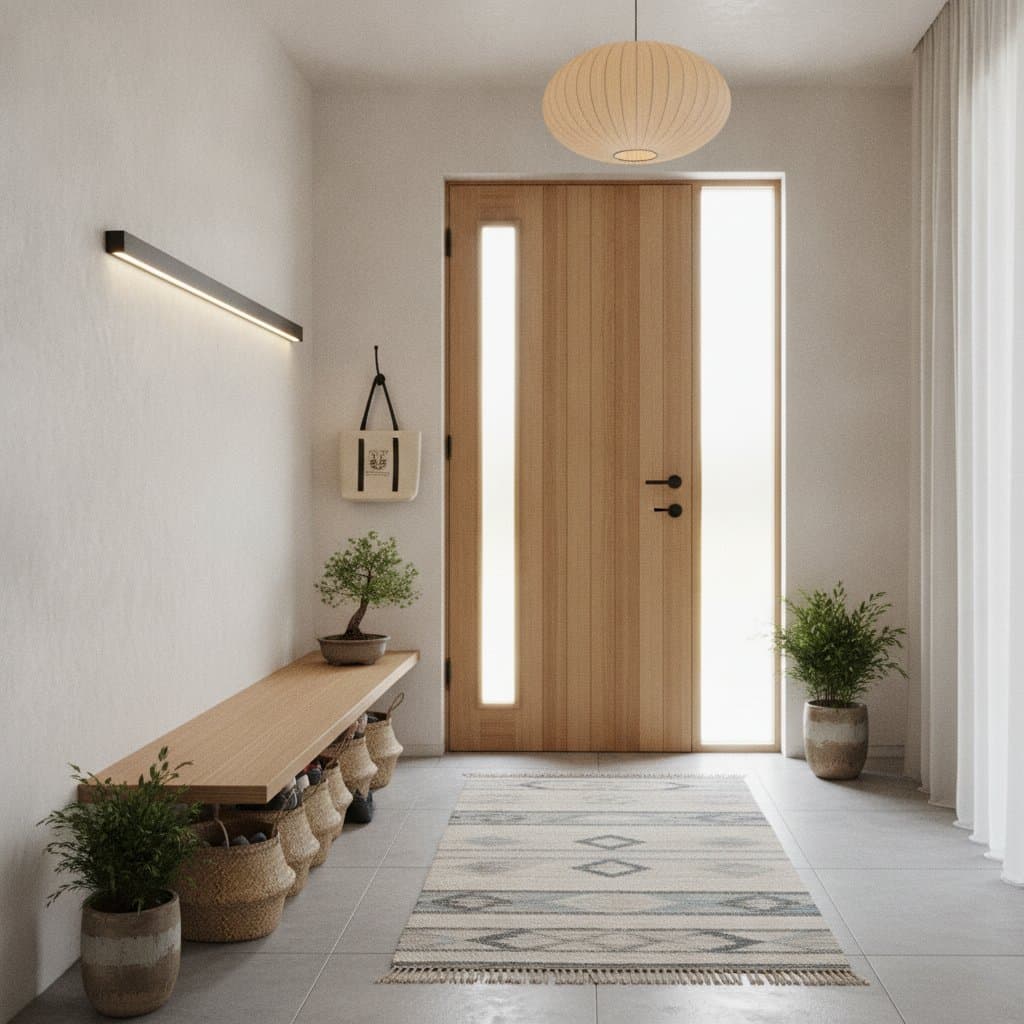
Opt for terrazzo when seeking a resilient, easy-care floor resilient to foot traffic. It integrates smoothly in modern or classic settings, complementing wooden doors, metallic accents, and varied wall treatments. Its heat retention properties aid in regulating interior climates, supporting energy savings.
Practical Care for Lasting Performance
Safeguard terrazzo by positioning rugs outside entrances to trap debris and wetness. Address spills immediately to avoid surface haze. Arrange expert resealing every few years to uphold shine.
For those pursuing stylish, responsible, and enduring solutions, terrazzo emerges as the leading entryway material in 2026. This choice not only refines the home's initial welcome but secures a foundation designed for enduring appeal.