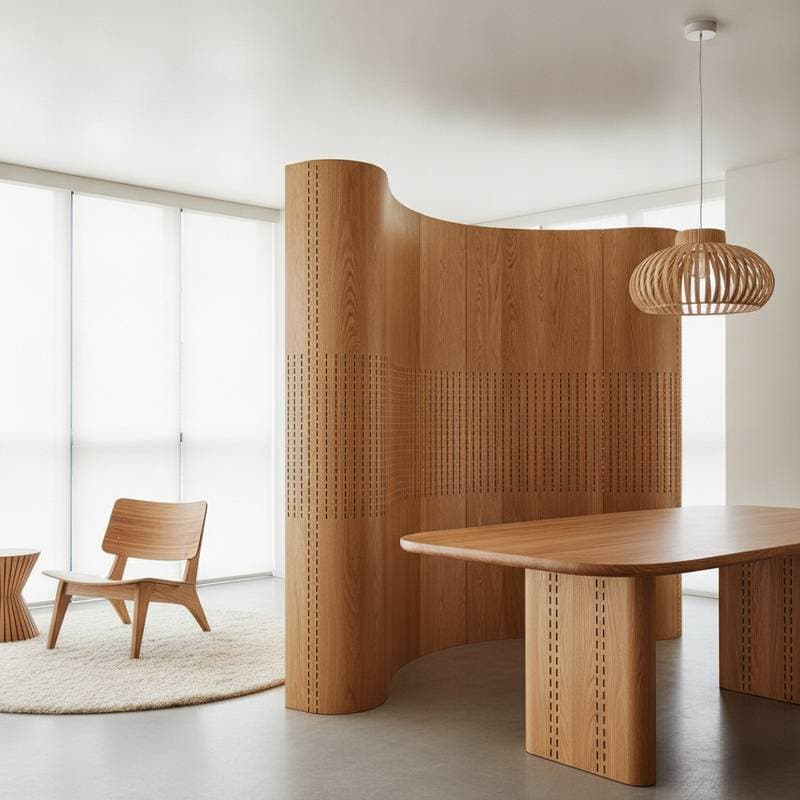

Japandi Entryways: The Warm Minimalist Trend for 2026
Japandi design extends beyond indoor spaces to influence exterior entryways, guiding homeowners toward thoughtful architectural choices. This style unites Japanese principles of restraint with Scandinavian elements of warmth, producing areas that appear grounded and connected to nature. Entryways serve as functional thresholds and symbolic welcomes, making them perfect for embodying Japandi values of serene simplicity and organic harmony.
A Japandi entryway greets visitors with subtlety, emphasizing equilibrium, natural light, and varied textures over decorative excess. Its strength resides in the sense of peace it conveys. Straightforward lines pair with inviting surfaces, while organic materials meet precise construction. The outcome is an exterior that projects purpose from the initial approach to the door.
Three Approaches to Achieve the Japandi Look
Budget-Friendly Approach ($4,000 - $7,000)
- Material selections: Select engineered wood doors featuring natural veneers, fiber cement siding in neutral shades, and energy-efficient vinyl windows framed in black or bronze.
- Cost-effective methods: Preserve the current door frame and replace solely the door slab. Opt for standard dimensions to bypass custom work. Employ paint-grade trim in gentle beige or taupe instead of solid wood pieces.
- Areas for targeted spending: Allocate funds to superior hardware. Lever handles in matte black or brushed nickel upgrade a plain door, aligning with minimalist principles at minimal additional expense.
Mid-Range Approach ($8,000 - $15,000)
- Balanced material options: Pair solid wood doors finished in clear satin with aluminum-clad wood windows and siding in smooth planks or vertical grooves.
- Key performance enhancements: Select frames with thermal breaks and insulated glass to support indoor comfort and reduce energy use.
- Design features that justify investment: Include a basic overhang or indented entry recess. Such additions shield from weather and add the depth characteristic of Japandi architecture.
Premium Approach ($16,000 - $30,000)
- High-quality material choices: Employ doors from sustainably sourced white oak or cedar with bespoke joinery, triple-pane windows boasting slim profiles, and wood siding protected by breathable oil.
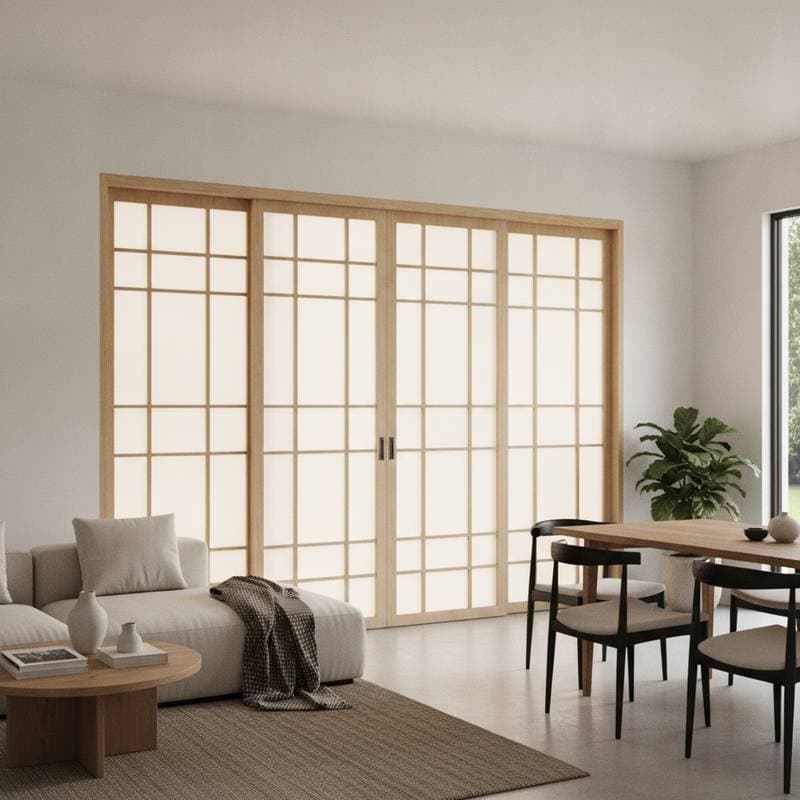
- Refined design touches: Integrate window grids inspired by shoji screens, hidden hinges, and level thresholds for uninterrupted sightlines.
- Factors for enduring value: These superior materials age gracefully and demand less frequent repairs, sustaining aesthetics and utility for years.
Guide to Materials and Finishes
- Windows: Favor slim-framed units with clear panes and subtle grilles. Frames in black or deep bronze provide contrast against pale siding, complemented by natural wood on interiors for consistent warmth. Hardware remains unobtrusive, in finishes such as matte black or brushed brass.
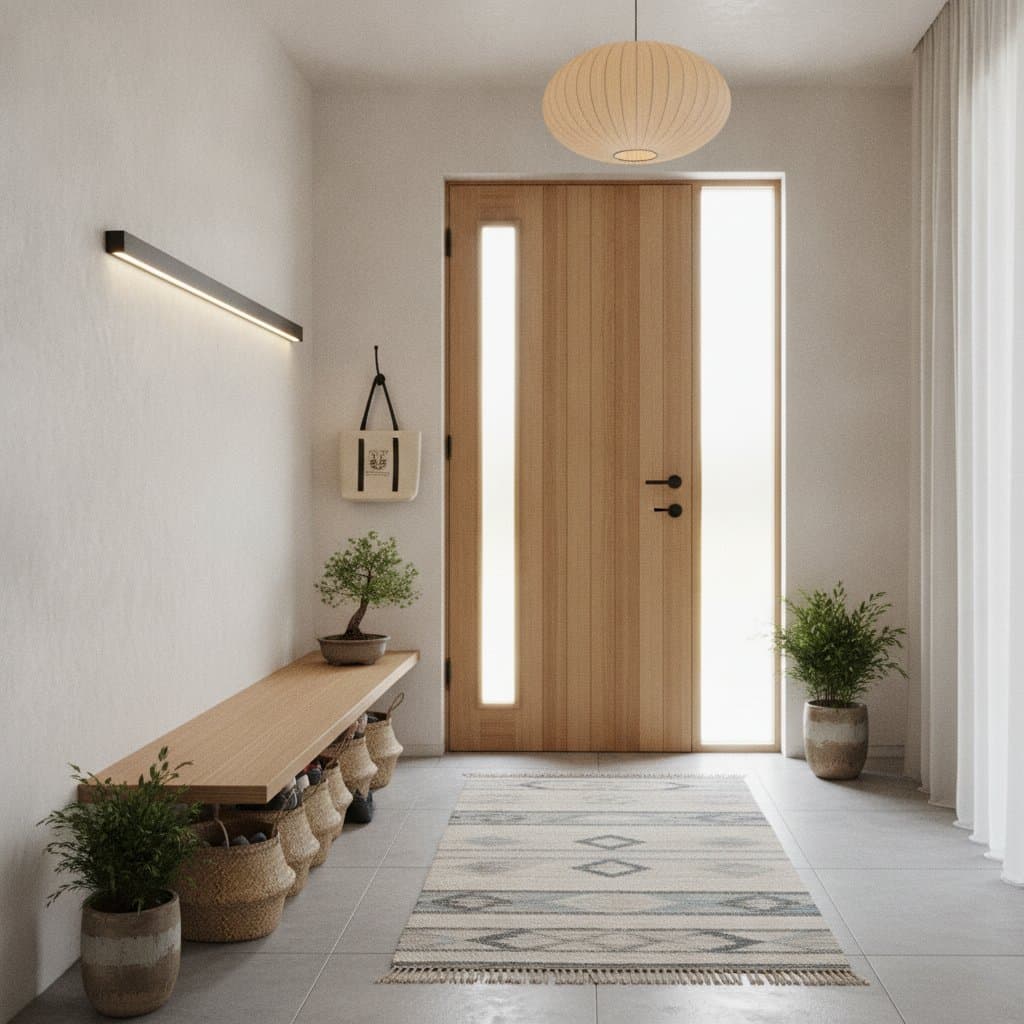
- Doors: A flat-panel door in vertical-grain oak or ash suits the style ideally. Incorporate a slim vertical glass panel to admit light while preserving seclusion. Hardware consists of sturdy, unadorned pieces like rectangular pulls or levers in subdued metals. Steer clear of elaborate patterns or vivid coatings.
- Siding: Choose vertical wood panels, smooth fiber cement, or engineered alternatives in soft gray, sand, or pale brown. A light texture, like brushed or sawn effects, adds interest without overwhelming the composition.
- Trim and accents: Maintain trim at a minimum, painted to blend with siding for cohesion. Accents may involve pale stone, concrete pavers, or bamboo barriers to echo the earthy scheme.
Practical Maintenance Considerations
Japandi favors natural elements, yet upkeep varies by material and owner preference. Wood surfaces need regular re-sealing to resist moisture. Engineered wood and fiber cement replicate timber appearance while fending off decay and insects, offering reduced effort.
Metal window frames require simple periodic wiping. Natural wood interiors respond well to occasional light oiling to avoid brittleness. Inspect exterior doors with natural finishes yearly for signs of wear. Gentle sanding followed by penetrating oil revives their color. For those short on time, pre-finished stains on fiberglass or composite doors deliver comparable visuals with negligible maintenance.
Common Pitfalls to Avoid
- Overloading with materials: Japandi succeeds through moderation. Layering stone, wood, metal, and bold paints disrupts tranquility. Limit to two or three harmonious options.
- Neglecting scale: Bulky trim or robust moldings dominate sparse designs. Ensure lines stay slim and uniform.
- Overlooking site conditions: Entries facing south endure strong sun that fades unprotected wood. Select UV-stable coatings or neutral hues to minimize discoloration.
- Complicating hardware: Elaborate grips, fancy hinges, or varied metal tones undermine clean lines. Commit to a single finish with basic forms.
Coordinating Colors and Styles
Japandi colors derive from the natural world, promoting equilibrium and gentle variation. Effective pairings evoke composure rather than chill.
Recommended Palette
- Soft Birch: Light beige with warm cream hints for siding.
- Charred Wood: Rich espresso or softened black for doors and frames.
- Warm Clay: Subdued brown for trim or steps.
- Stone Gray: Neutral cool gray for accents or paving.
- Natural Linen: Soft off-white for soffits or subtle trim.
Harmony takes precedence over sharp differences. Dark doors against light siding build dimension, with warm bases unifying the scheme. Eschew harsh black-white divides; pursue gradual earth tones reminiscent of sand, timber, and rock.
Checklist for Planning and Photography
Homeowners benefit from recording their existing exterior before finalizing selections. This practice aligns choices with the home's structure and local surroundings.
Essential Items:
- Photographs of the current facade from various perspectives, including detailed shots of materials and surfaces.
- Notes on architectural features, such as roof shape, window forms, and door dimensions.
- Images of neighboring properties and site landscaping.
- Details on HOA rules or municipal guidelines for colors and materials.
- Observations on environmental factors, including sunlight patterns, wind flow, and moisture levels.
- Budget breakdown, separating essentials from optional elements.
These records prove invaluable during discussions with professionals, guaranteeing alignment with the intended outcome.
Integrating Materials with Architectural Flow
Japandi entryways depend on measured proportions and symmetry. Structures gain unity as horizontal and vertical elements align in subtle patterns. In modern homes, expansive glass panels adjacent to the door offer a deliberate shift from opaque to see-through forms. Traditional buildings benefit from wood doors and subdued trim that link past styles with current restraint.
Textures hold equal importance to geometry. Smooth concrete stairs alongside vertical siding and understated lantern lights yield genuine sensory variety. Reject shiny surfaces that seem contrived. Matte or satin finishes diffuse light gently, enhancing authenticity.
Enhancing with Light and Landscaping
Appropriate lighting finalizes the Japandi exterior. Gentle, warm glows accentuate surfaces without dominance. Embedded step lights, ground-level path markers, or hidden LED under eaves foster a calming arrival. Shun intense spotlights or tinted lamps that jar the organic ambiance.
Landscaping bolsters the entry's framework. Gravel paths, low evergreen hedges, or a lone statement tree define the approach. Select flora with straightforward shapes and soft colors. Options like bamboo, ferns, or decorative grasses introduce motion sans disorder. The aim is understated refinement that supports rather than overshadows the built environment.
Aligning Budget with Aesthetic Goals
A Japandi entryway emerges without extravagant spending. Deliberate decisions maximize impact. Those with constrained funds concentrate on hues, illumination, and fixture harmony. Greater resources allow for genuine materials and precise details. Incremental changes, like swapping a ornate door for a plain wood version or recoloring trim in a cozy neutral, shift the entire mood.
In planning finances, emphasize prominent features. The door, its handle, and lighting establish the primary encounter. Upgrades here provide the greatest payoff. Window and siding renewals suit phased projects over time.
Personalizing the Design
Japandi entryways embody philosophy alongside individual character. They invite tranquility, showcase quality, and link dwellings to their settings. Attained via minor tweaks or full overhauls, the core persists: simplicity enriched by warmth.
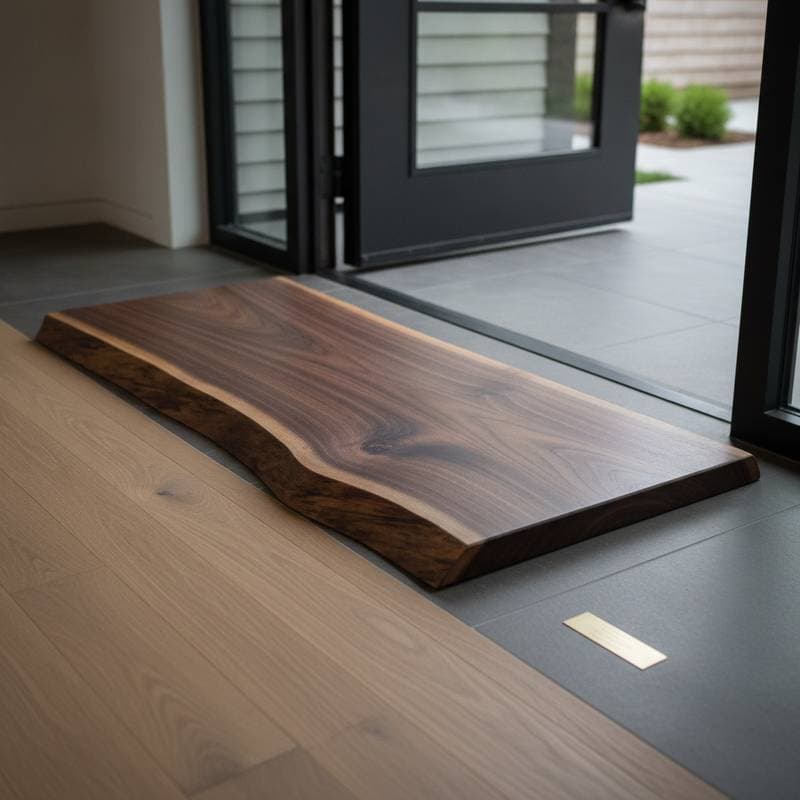
Owners infuse personality through discreet choices. A frosted glass insert ensures seclusion with style, a crafted pottery vessel brings creative flair, or a salvaged wood seat evokes narrative. Restraint balances authenticity. When components appear deliberate, the entryway ushers in serenity upon approach.