Reduce Home Noise by 80 Percent with Advanced Acoustic Sliding Doors
Unwanted noise disrupts daily life in contemporary residences. Traffic from nearby roads, conversations from adjacent units, or sounds from active family areas penetrate standard barriers with ease. The latest acoustic sliding doors address this challenge effectively, blocking up to 80 percent of external and internal noise while preserving the visual openness and modern elegance of living spaces. Homeowners achieve serene environments through innovative engineering that integrates superior sound absorption with refined aesthetics.
Key Advantages of Acoustic Sliding Doors
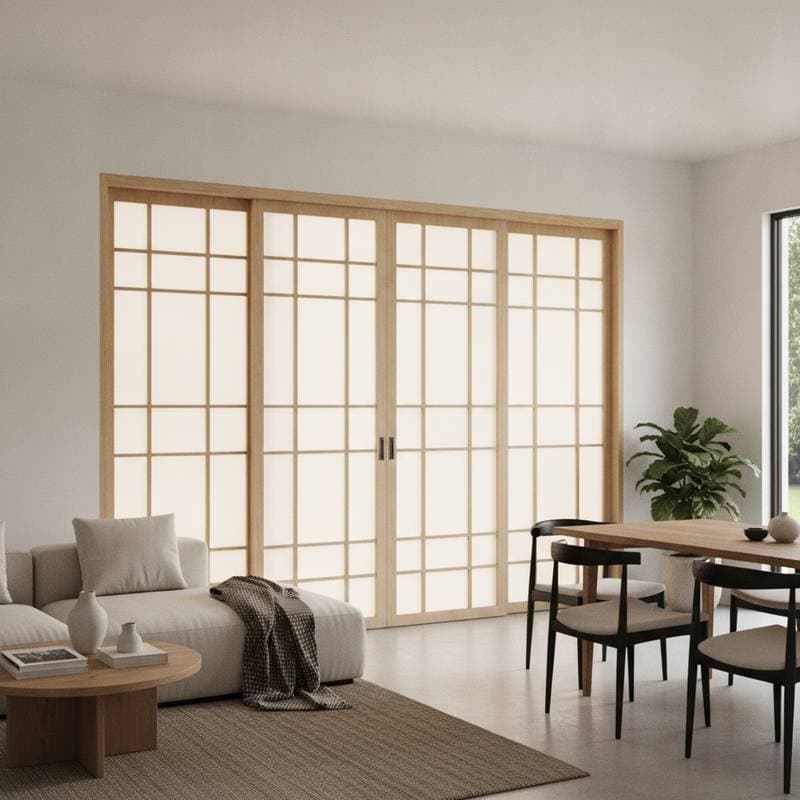
Contemporary acoustic sliding doors surpass basic functionality. Engineers design them with airtight seals, robust core constructions, and layered glass systems that minimize sound waves. These elements ensure effective noise isolation without compromising the flow of natural light or the seamless connection between rooms.
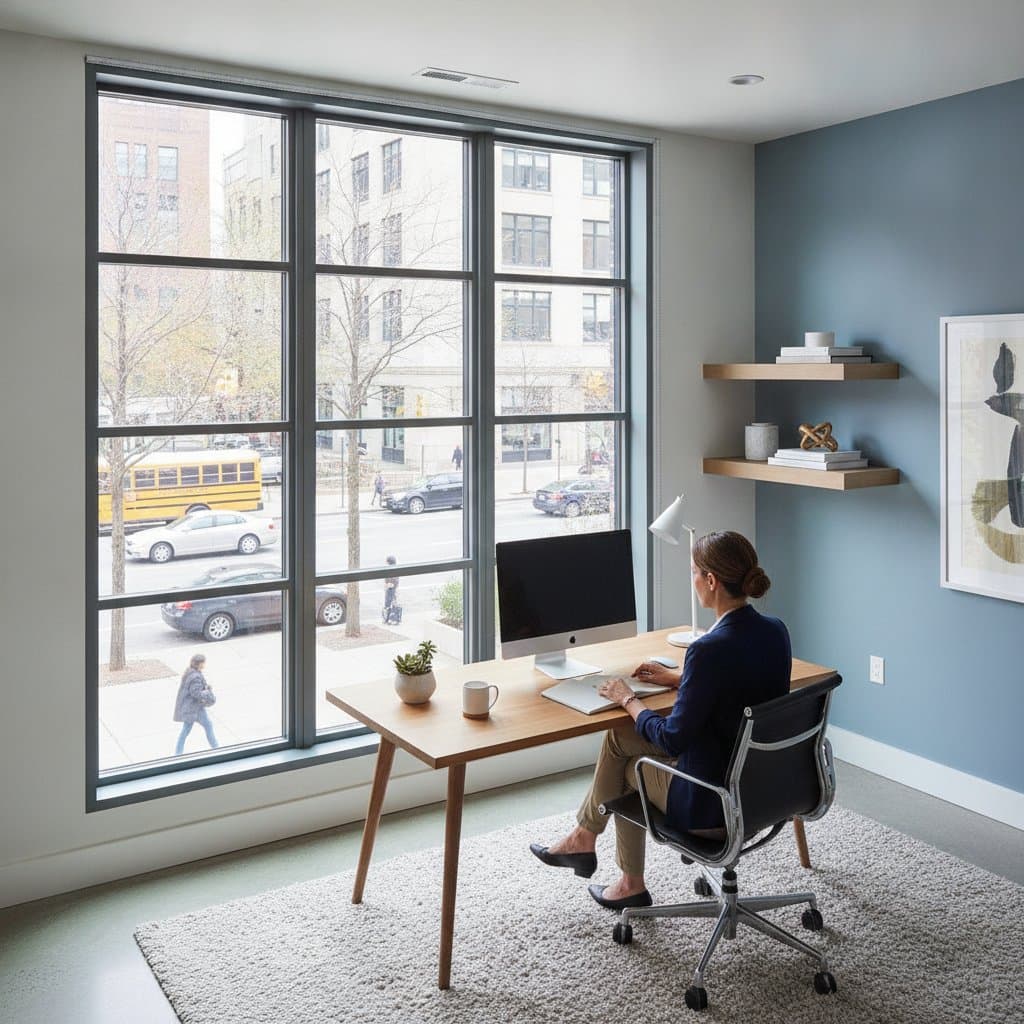
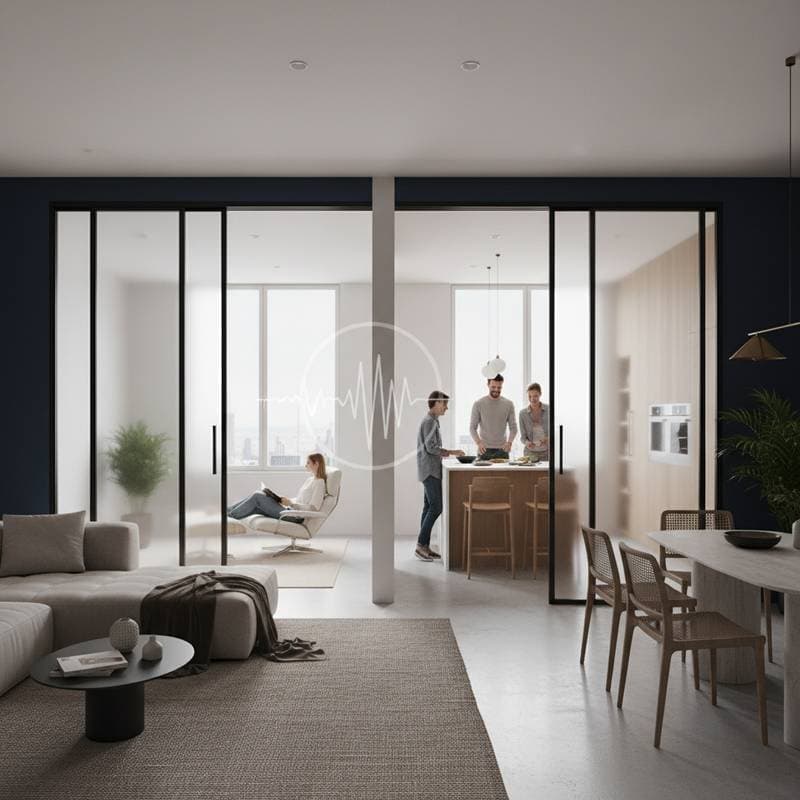
In open-plan layouts, such doors provide essential division. They allow families to maintain visual continuity while establishing acoustic boundaries for activities like remote work or relaxation. Professionals recommend these doors for urban dwellings where external disturbances prove persistent, as they enhance focus and well-being across diverse interior designs.
Homeowners appreciate the versatility of these installations. Options range from minimalist frames in high-traffic areas to ornate panels in private retreats. The result supports a balanced lifestyle, where productivity and leisure coexist without auditory interference.
Selecting Materials and Finishes for Optimal Performance
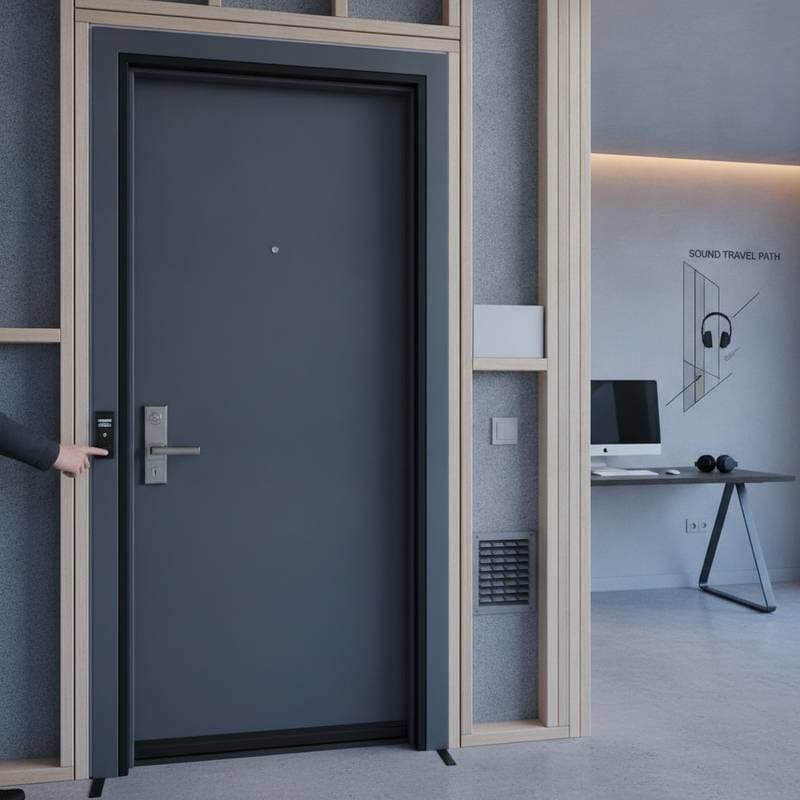
Material choices directly influence both soundproofing efficacy and visual harmony. Dense composites, such as laminated wood or insulated polymer cores, form the foundation of high-performing doors. Pair these with acoustic glazing rated for sound transmission class levels above 35 to maximize noise reduction.
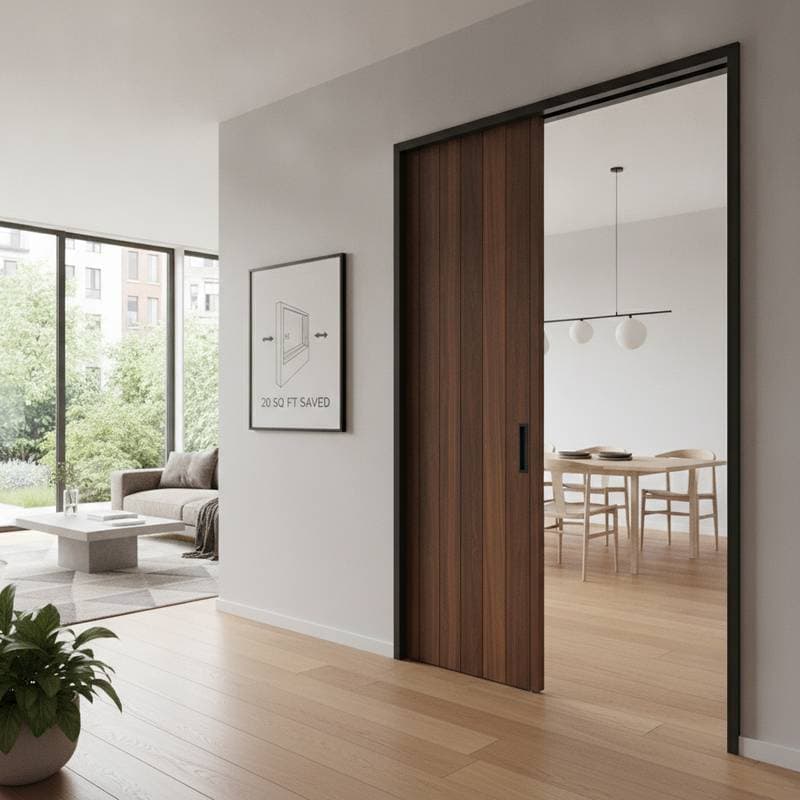
For interior applications, select finishes that align with existing decor. White oak offers a timeless warmth suitable for Scandinavian-inspired spaces, while walnut provides depth for mid-century modern themes. Metal alternatives, like powder-coated steel in matte finishes, deliver durability in high-use environments.
Exterior coordination extends the design benefits. Fiber cement siding in neutral palettes complements the doors' profiles, creating a cohesive facade. Engineered wood options withstand weather variations while maintaining acoustic integrity when sealed properly.
Hardware selection reinforces the overall system. Satin nickel components ensure smooth operation and subtle elegance, whereas matte black accents add contemporary contrast. Professionals advise measuring track lengths precisely to avoid operational gaps that could compromise sound isolation.
Recommended Palette for Cohesive Design
- Charcoal Gray: Ideal for urban exteriors, providing a sophisticated backdrop.
- Warm Taupe: Balances neutrality with subtle earth tones for transitional interiors.
- Soft Ivory: Enhances brightness in light-filled rooms without overwhelming other elements.
- Brushed Aluminum: Offers a sleek, low-maintenance finish for modern frames.
- Smoked Walnut: Delivers rich texture for premium, wood-focused applications.
This selection promotes uniformity, allowing acoustic doors to integrate seamlessly while highlighting their functional role.
Essential Installation and Maintenance Practices
Proper setup determines long-term performance. Certified technicians level frames meticulously and apply weatherproof seals around perimeters to prevent sound leakage. Homeowners should verify that tracks align perfectly, as even minor deviations reduce efficacy by up to 20 percent.
Maintenance routines preserve these benefits. Clean seals quarterly with mild solutions to avoid material degradation. Inspect glazing for cracks annually, as integrity affects both insulation and appearance.
Integrate complementary features for comprehensive noise control. Double-glazed windows with argon-filled panes match the doors' capabilities, while acoustic curtains in adjacent areas amplify results. Such holistic approaches transform noisy homes into tranquil sanctuaries.
Common Pitfalls to Sidestep
Overlooking alignment during installation leads to suboptimal results. Engage experts who use laser tools for precision, ensuring seals engage fully upon closure.
Prioritizing appearance over specifications invites disappointment. Avoid lightweight panels; opt for those certified with Rw values exceeding 40 decibels for verified reduction.
Sealed systems may restrict air circulation. Incorporate subtle vents or pair with operable sidelights to sustain indoor air quality without sacrificing quietude.
Isolated upgrades yield limited gains. Upgrade surrounding elements, such as wall insulation or threshold seals, to create a unified barrier against noise.
Integrating Acoustic Doors into Home Design
Acoustic sliding doors elevate residential functionality beyond mere division. They foster environments where concentration flourishes and rest rejuvenates, all while upholding aesthetic standards. Budget-conscious selections, like vinyl-wrapped models, deliver solid performance at accessible prices, whereas luxury variants with custom engravings cater to discerning tastes.
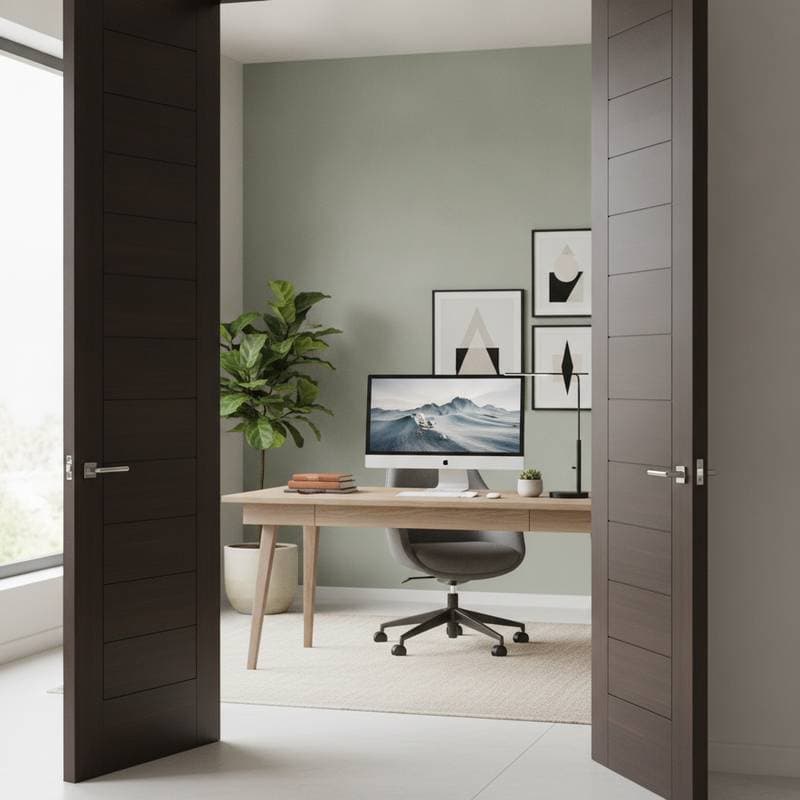
Strategic placement amplifies impact. Position doors between kitchens and living areas to contain cooking sounds, or use them in home offices for undisturbed calls. The concealed track systems maintain floor-level continuity, enhancing spatial fluidity.
Long-term value emerges from thoughtful integration. Coordinated elements not only boost comfort but also appeal to future buyers seeking modern efficiencies. Homeowners who invest in these solutions report heightened satisfaction and reduced stress from everyday acoustics.
Serenity becomes an intentional aspect of architecture with these innovations. By focusing on quality materials, expert installation, and complementary upgrades, individuals craft homes that prioritize peace alongside beauty.