2026 Japandi Entryways: Warm Wood Meets Sleek Minimalism
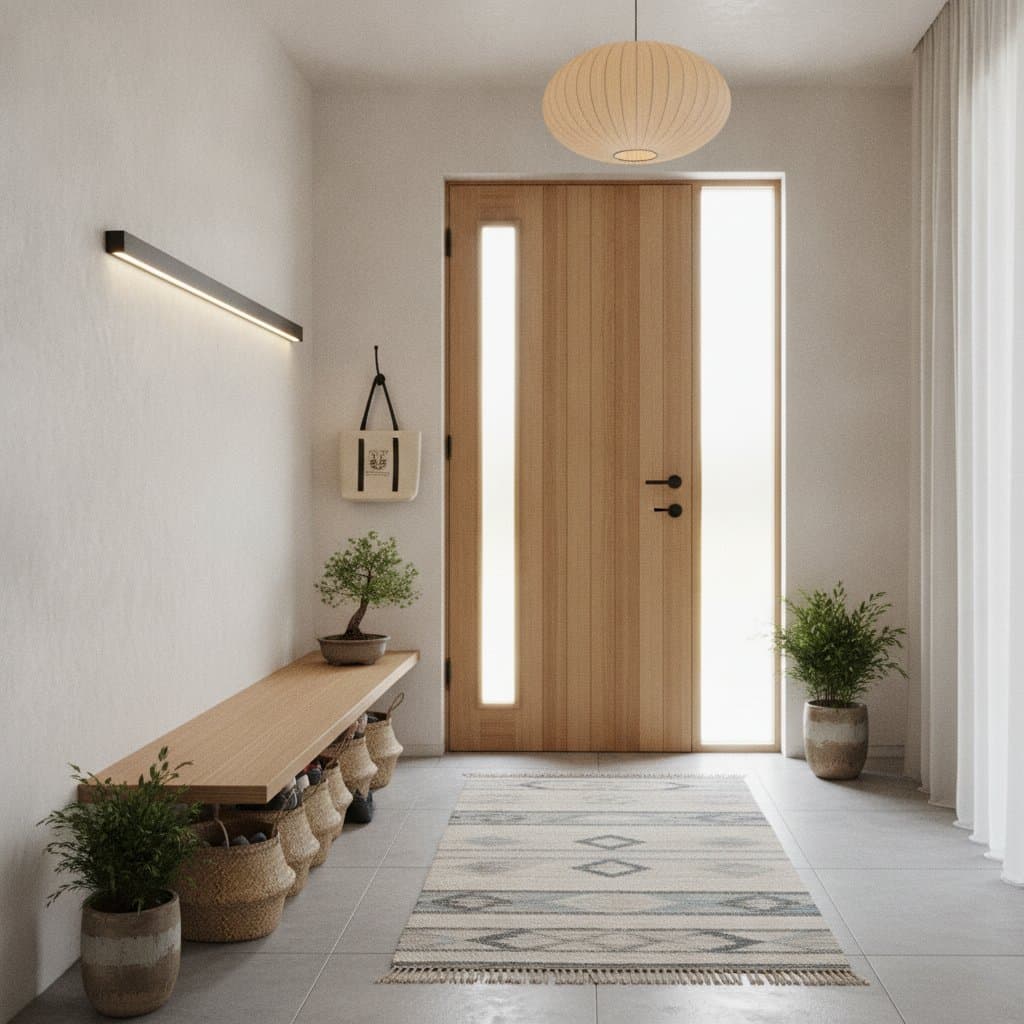
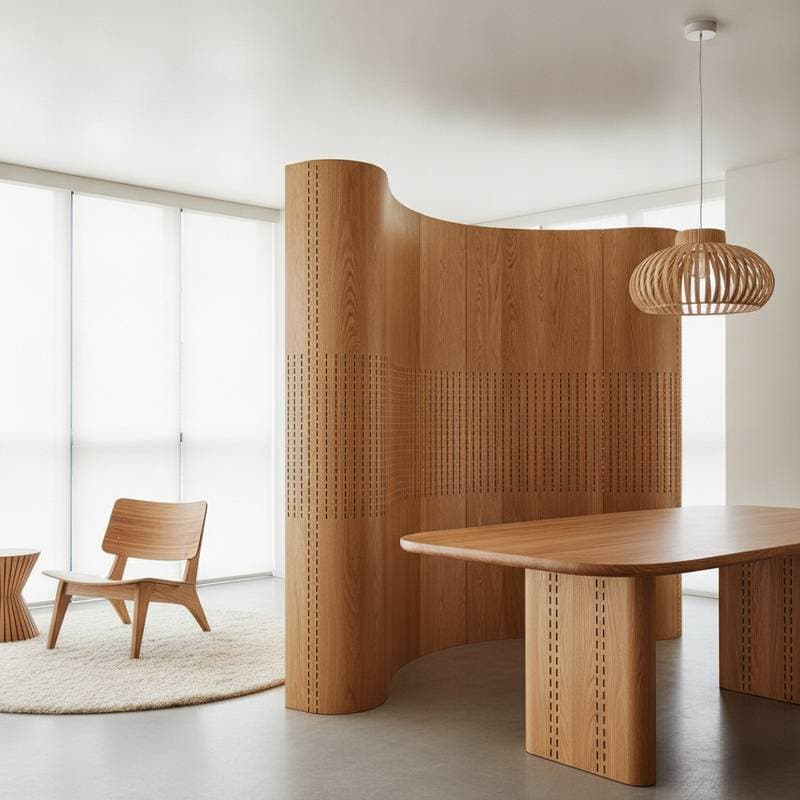
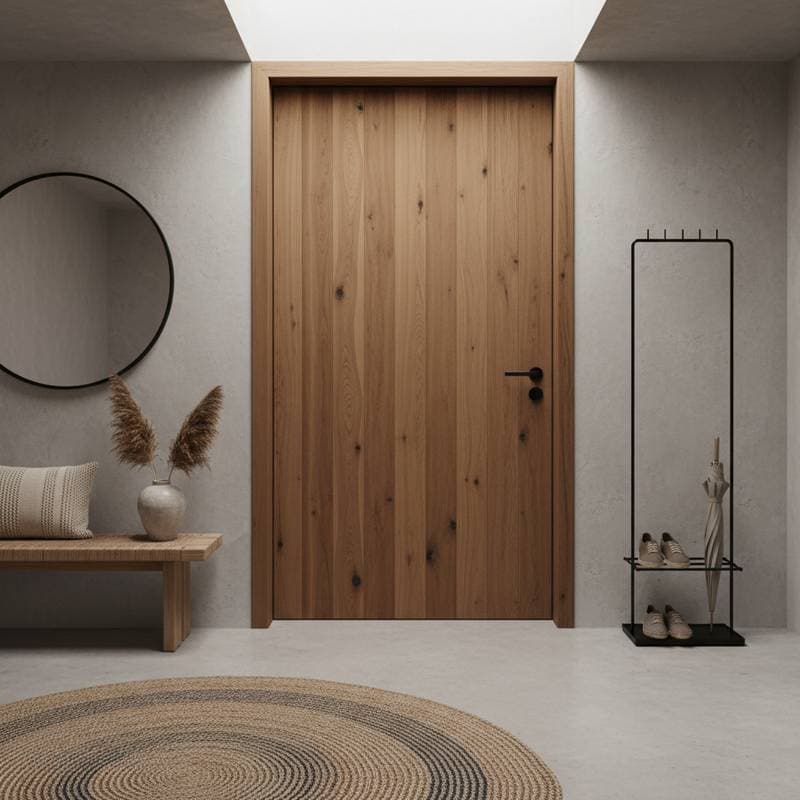
The Japandi style has evolved into a lasting design trend that fuses Japanese minimalism with Scandinavian coziness. This combination creates spaces that feel both peaceful and inviting. In entryways, Japandi design shines by using natural elements, simple shapes, and skilled detailing to welcome visitors with quiet elegance. Homeowners who want to refresh their home's front entrance while keeping a natural feel will find this approach brings warmth, structure, and enduring style.
Three Ways to Achieve the Japandi Look
Budget-Friendly Option ($2,000 to $4,000)
- Select engineered wood or veneered doors finished with a clear matte coat. Match them with vinyl or fiberglass windows in soft beige or charcoal frames to evoke natural harmony.
- Reuse sturdy existing door frames and hardware. Hire a professional to refinish the front door, replicating the even surface of solid oak at a lower cost.
- Focus spending on a durable stain or sealant that resists moisture and sunlight. Such a finish enhances basic materials significantly.
Mid-Range Option ($4,000 to $8,000)
- Pick solid wood doors from white oak or ash, featuring straight vertical grains. Pair with aluminum-clad wood windows in subdued gray or black for a modern touch.
- Upgrade to double-glazed glass panels next to or above the door. These allow daylight inside while providing good insulation.
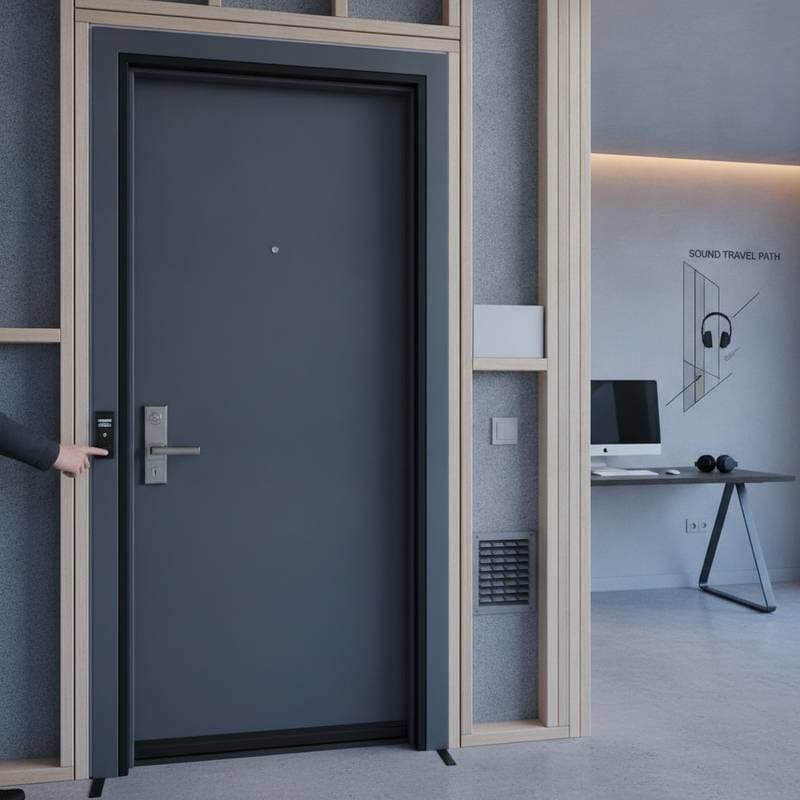
- Choose hardware in brushed nickel or antique bronze for a satisfying feel. A straightforward lever handle aligns with Japandi's precise lines.
Premium Option ($8,000 to $15,000)
- Select custom solid teak or rift-sawn white oak doors, combined with advanced wood-clad window systems. Include fixed and movable panels for even symmetry.
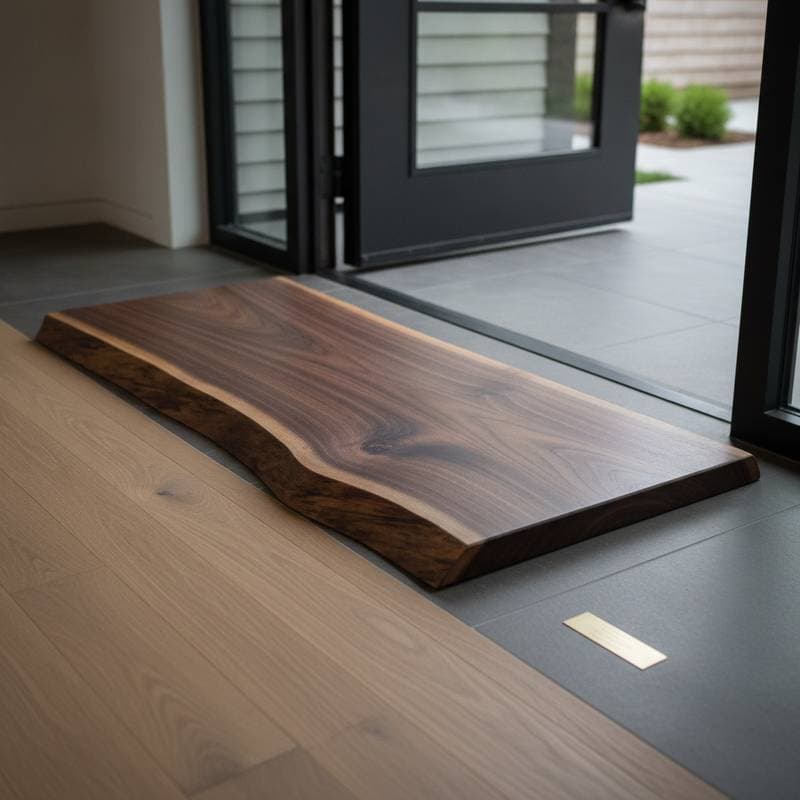
- Incorporate flush thresholds, invisible hinges, and hidden closers for a smooth entry.
- Premium woods develop a gentle patina over time, boosting their organic appeal. Their strength and quality ensure long-term reliability.
Guide to Materials and Finishes
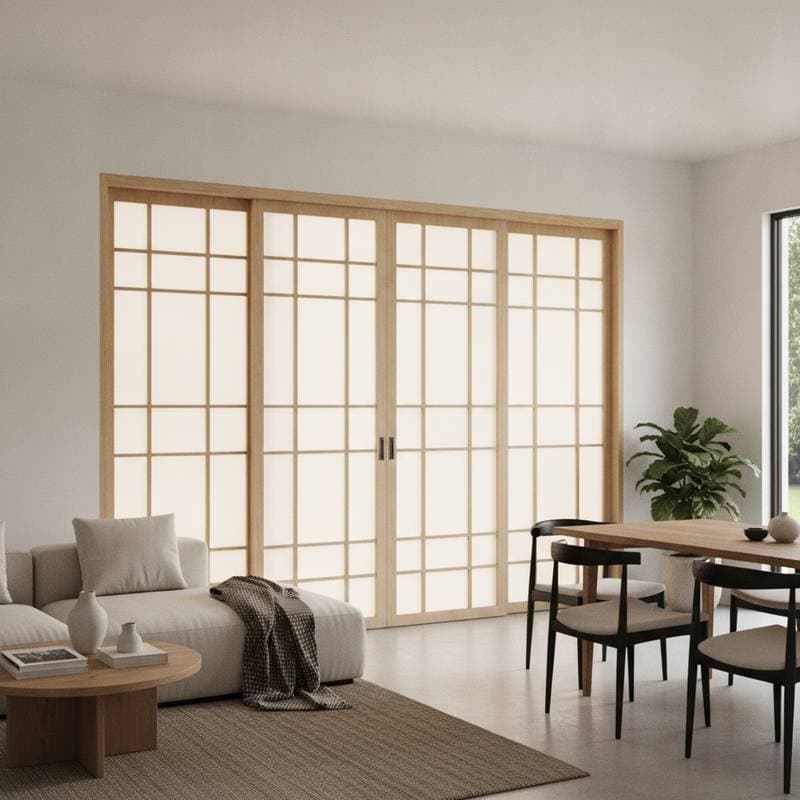
For windows, use slender frames in black, warm bronze, or untreated wood shades to preserve openness. Asymmetrical divided lites nod to Japanese influences without overwhelming the design. Match window hardware to door fittings in subtle finishes.
Doors benefit from wood types like oak, ash, or fir that show clear grain patterns. Flat panels and minimal trim emphasize texture and scale. Frosted glass inserts offer privacy while blending indoor and outdoor views softly.
Siding options include vertical wood panels or smooth fiber cement in taupe, sand, or smoke gray hues. Simple horizontal lap siding fits if it remains plain and free of extras.
Trim stays slim and matches surrounding colors. Bronze or black elements for lights and numbers add function. One artistic planter near the entrance enhances the restrained style.
Essential Maintenance Practices
Natural wood provides superior warmth yet demands regular attention. Clean exterior doors routinely and refresh finishes every few years based on weather exposure. Oil-based treatments accentuate grain but require more frequent applications, whereas polyurethane offers greater longevity though it may need complete redoing if scratched.
Composite siding and aluminum-clad windows cut down on upkeep while mimicking natural appearances. Wash surfaces using mild soap and water to remove dirt and mold. Steer clear of strong chemicals that erode protective layers. Darker finishes demand caution against sun-induced uneven wear.
Common Pitfalls to Avoid
Japandi succeeds through simplicity, so resist adding elaborate panels, thick moldings, or too much hardware. Restraint conveys true refinement.
Proportions matter greatly; a slim, tall door enhances a modern front but clashes with broader setups. Align window and door sizes for overall harmony.
Select wood tones carefully to avoid clashing warm and cool shades, which disrupt serenity. Maintain a unified range of light to medium woods.
Account for local weather; untreated wood risks warping in damp or seaside areas. Choose sealed or synthetic options built for exterior conditions.
Coordinating Colors and Styles
Japandi entryways draw from earth-inspired neutrals like stone, clay, and timber for a stable, ageless vibe.
Suggested Color Palette:
- Soft oak serves as a versatile light wood base that works with most sidings.
- Charcoal black provides quiet contrast in frames or fixtures.
- Warm sand suits siding or trim for an earthy softness.
- Clay gray links warm and cool elements effectively.
- Matte white acts as a crisp base to showcase wood details.
Build depth by limiting to three main colors: one for siding, one for trim or windows, and one for the door or accents. Uniformity trumps dramatic differences here.
Checklist for Planning and Photography
Capture your home's exterior thoroughly before decisions to evaluate fit and harmony.
- Take photos of the full front from various viewpoints, plus detailed shots of trim and entry features.
- Document the building's style and current materials to decide what to retain or update.
- Observe local surroundings and any community rules on colors or finishes.
- Evaluate weather factors like sunlight, breezes, or humidity that influence selections.
- Set a firm budget and rank priorities, starting with the door and lighting for maximum effect.
Creating a Welcoming Japandi Entrance
A Japandi entryway sets a tranquil tone from the first glance. It excels by uniting sensory warmth with clear minimalism. Through genuine materials, subtle colors, and practical touches, this design suits both classic and modern homes. From basic refinishing to comprehensive replacements, the focus stays on crafting an inviting threshold that mirrors intentional daily life. Thoughtful choices yield an entrance that endures, capturing Japandi's subtle poise.