2026's Clay Finish: How Matte Door Hardware Outshines Brass
Interior design trends increasingly favor finishes that evoke a sense of grounding, natural authenticity, and understated refinement. The clay finish, with its gentle matte texture, stands out as a top selection for door hardware. Polished brass long represented sophistication, yet contemporary homeowners prefer elements that integrate seamlessly into surroundings rather than commanding focus. Clay-applied handles, knobs, and hinges introduce serene warmth suitable for both sleek modern settings and classic traditional environments.
Defining the Clay Finish
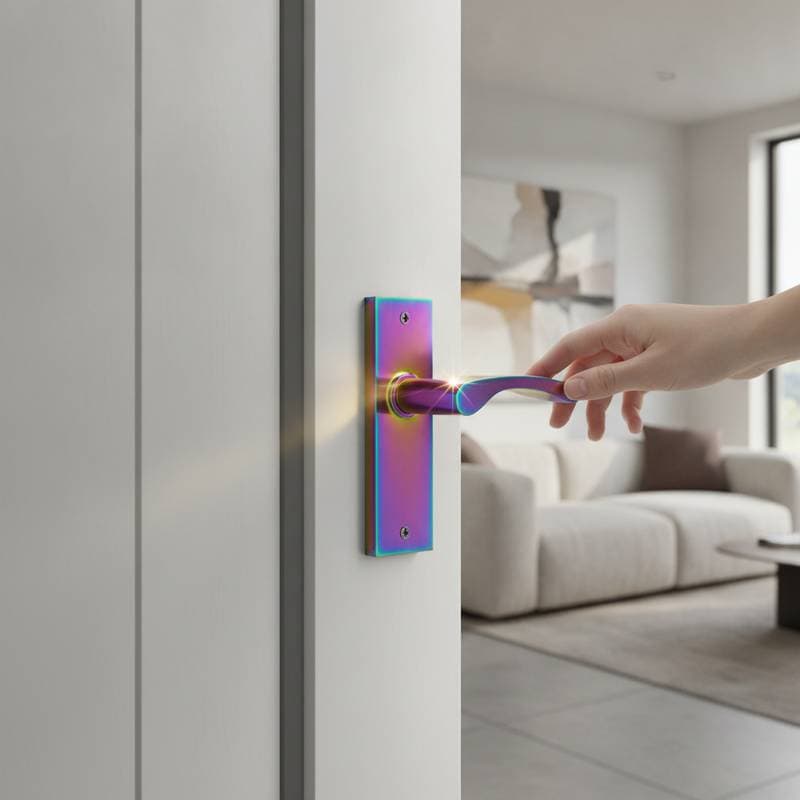
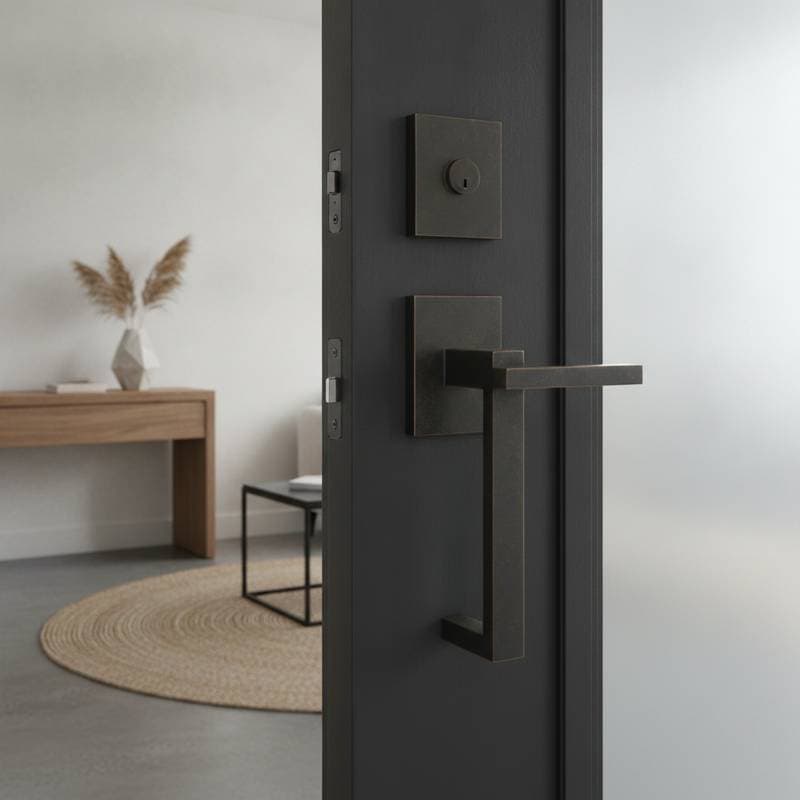
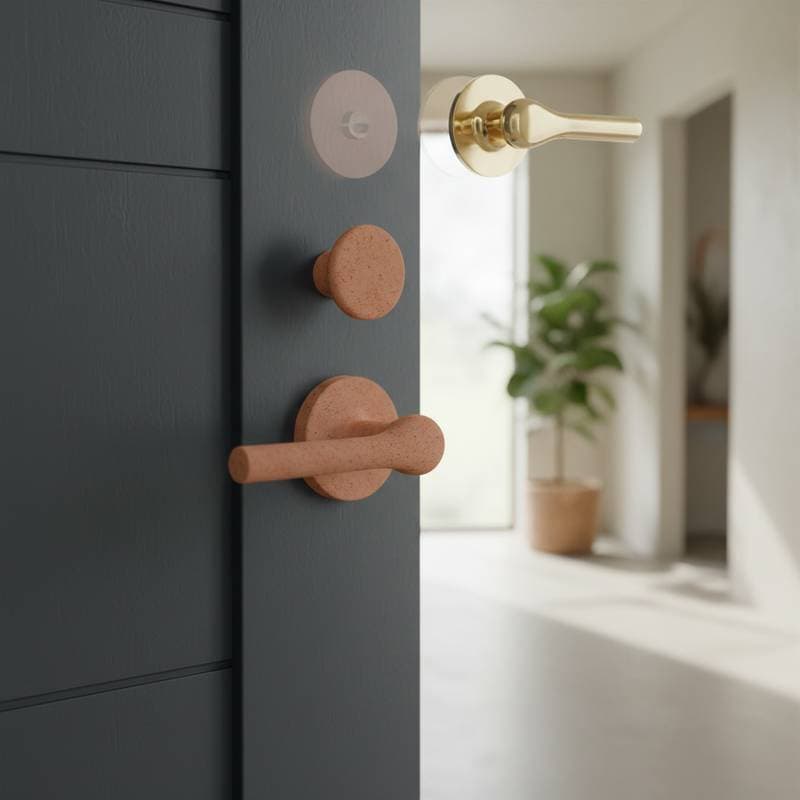
The clay finish features a subdued matte exterior infused with faint earthy nuances. This surface avoids sharp reflections, facilitating effortless coordination with elements such as textured wall treatments, wood grains, and organic textiles. Manufacturers typically apply this effect via powder coating or advanced finishing methods, resulting in a tactile, velvety sensation. Such techniques impart an artisanal quality that aligns with prevailing organic design movements.
Without glossy highlights, the finish conceals fingerprints and minor marks effectively, preserving a pristine appearance with simple periodic cleanings. It withstands routine handling robustly while presenting a visual gentleness unattainable by brass or chrome alternatives. For instance, subtle variations in shade, like warm terracotta hints or cool slate undertones, enhance its adaptability across diverse palettes.
Clay Versus Brass: A Detailed Comparison
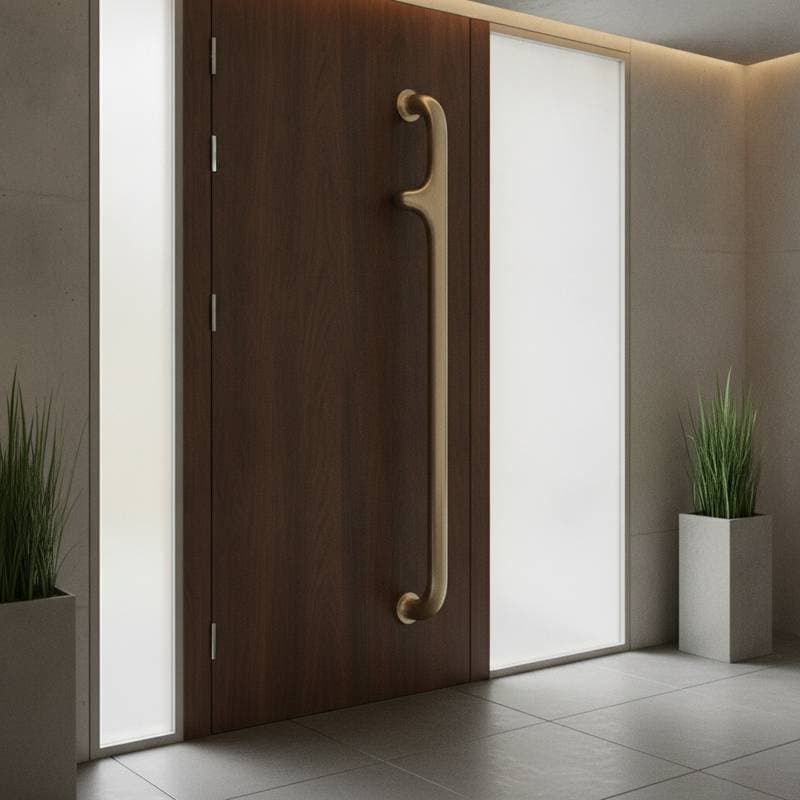
Brass hardware enjoys a storied legacy in residential applications. Its warm golden tone conveys formality and enduring style. As years pass, brass acquires a patina that imparts vintage allure. However, this patina may develop unevenly or lose vibrancy in moist or frequently contacted zones. Upkeep frequently involves dedicated polishing and application of sealants to sustain its luster.
In comparison, clay finishes preserve their look with far less effort. They repel tarnish and eliminate the need for ongoing buffs. The restrained spectrum, ranging from neutral sandy beige through muted taupe to balanced stone gray, harmonizes readily with timber doors, coated walls, or sparse minimalist designs. Where brass asserts presence within a space, clay integrates fluidly into the overall scheme.
| Option | Initial Cost | Lifespan | Maintenance | Best For |
|---|---|---|---|---|
| Clay Finish | Moderate | Long | Occasional wiping | Modern or organic interiors |
| Brass Finish | Moderate to High | Long | Regular polishing | Traditional or formal spaces |
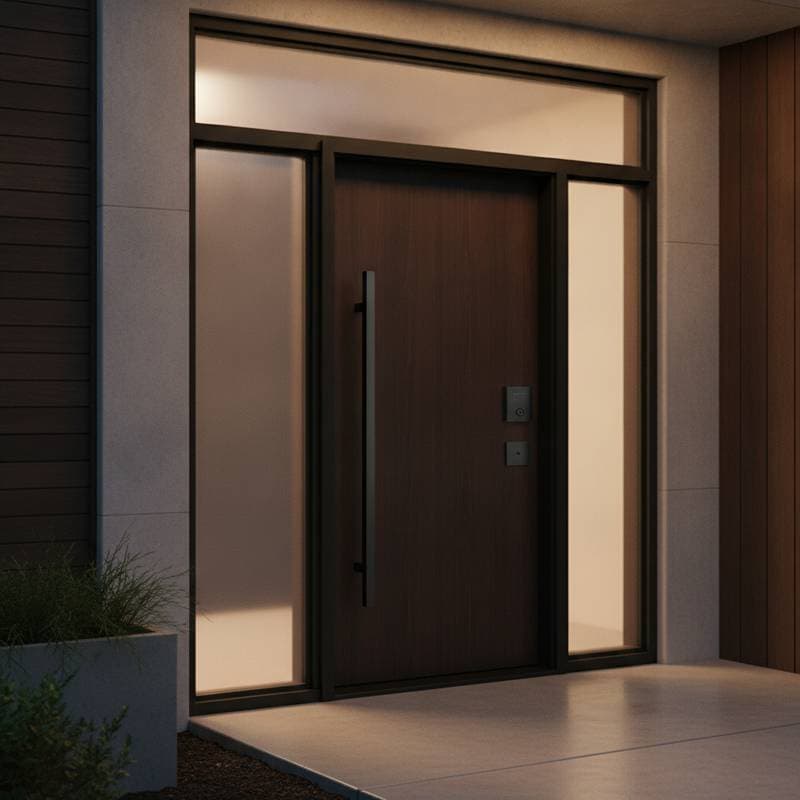
To illustrate practical differences, consider a high-traffic entryway: clay hardware maintains consistency without visible wear, whereas brass might require monthly attention to prevent dull spots.
Installation and Preparation Steps
Homeowners contemplating hardware replacement or enhancement must first assess door dimensions, handle configurations, and latch mechanisms for compatibility. Clay-finished products come in conventional measurements, allowing most standard doors to accept them without alterations. When updating existing setups, align the handle's hue with the door's wood stain or surface paint to ensure cohesive aesthetics.
Installers advise verifying the fit prior to securing components fully. The matte texture can reveal scuffs from tools if managed carelessly, so using padded grips or protective gloves proves beneficial. Post-installation, maintain the finish through light cleansing with mild soap and water solutions. Steer clear of harsh abrasives, which risk compromising the matte integrity over time.
For optimal results, select hardware from reputable suppliers offering warranties on finish durability. This step guarantees longevity, particularly in variable conditions like coastal humidity or urban dust exposure.
Aligning Style with Daily Living
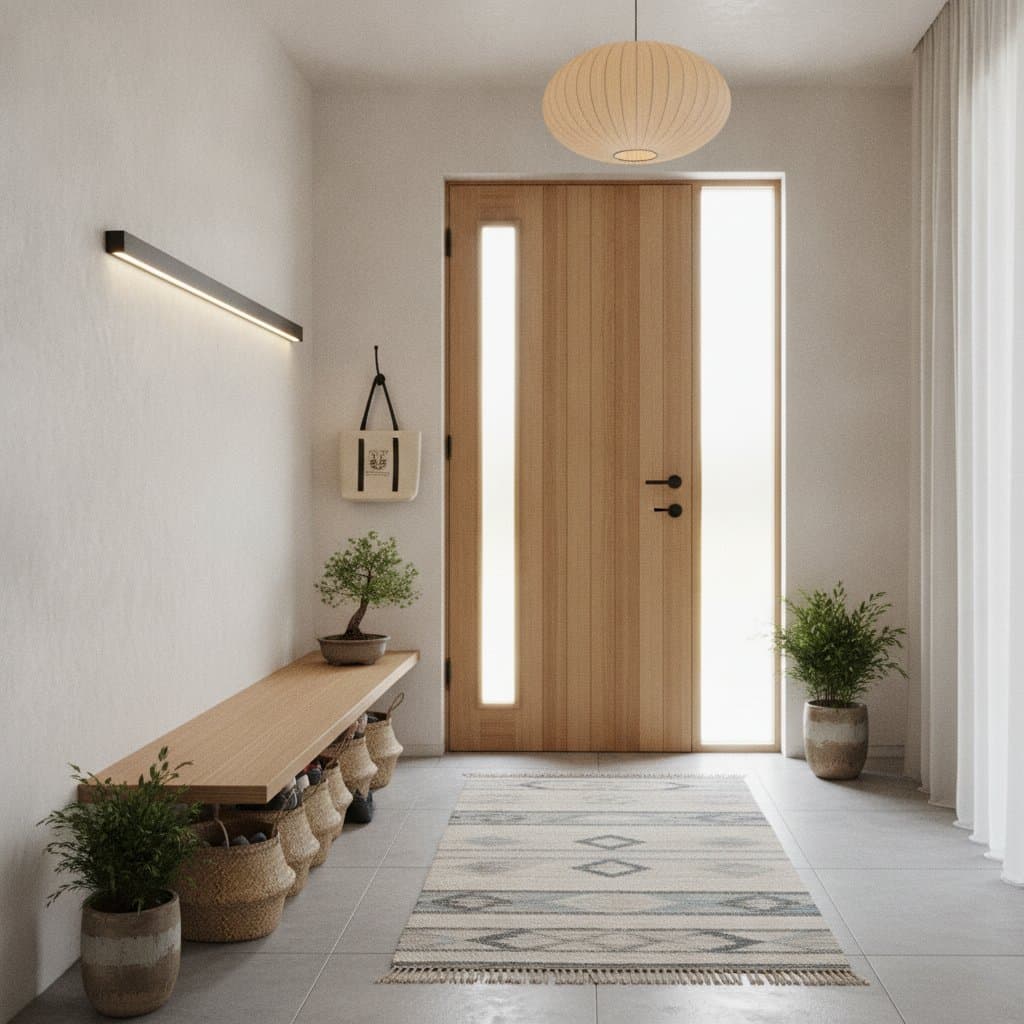
Clay's aesthetic resonates in residences pursuing a laid-back ambiance. It visually links to raw materials such as oak paneling, linen upholstery, and stone accents. The finish accommodates both pale and deep schemes, providing equilibrium over stark opposition. In expansive, open configurations, this restrained method permits hardware to recede unobtrusively, avoiding disruption to visual flow.
For households with children or pets, the non-reflective surface masks everyday fingerprints adeptly. Designers value its versatility spanning styles from clean-lined Scandinavian to textured rustic contemporary. Although brass retains charm, it may project an overly structured or outdated impression in environments emphasizing ease and materiality. Pair clay with linen drapes in a neutral living room for an example of seamless integration.
Evaluating Durability Over Time
Viewed through a full lifecycle lens, clay finishes deliver resilience alongside simplified care routines. Many incorporate powder coatings that guard against rust and color degradation. This resilience suits interior areas prone to moisture fluctuations, including powder rooms or cooking zones. Consequently, replacement intervals extend, and the hue stays true amid heavy utilization.
Those investing in enduring modifications benefit from clay's impartial nature, which accommodates evolving tastes without conflict. It establishes a stable foundation adaptable to refreshed wall hues or furnishing shifts. In contrast to brass, which might demand periodic refinishing, clay supports sustainable choices by minimizing resource-intensive maintenance.
Selecting the Ideal Hardware Option
The choice between clay and brass hinges on the desired room ambiance. Individuals desiring cozy subtlety without reflective glare frequently discover clay more versatile and user-friendly. Brass continues to attract admirers of its heritage radiance, provided they commit to its care regimen. To decide, sample small pieces in your space lighting; this hands-on test reveals how each elevates your interior vision.